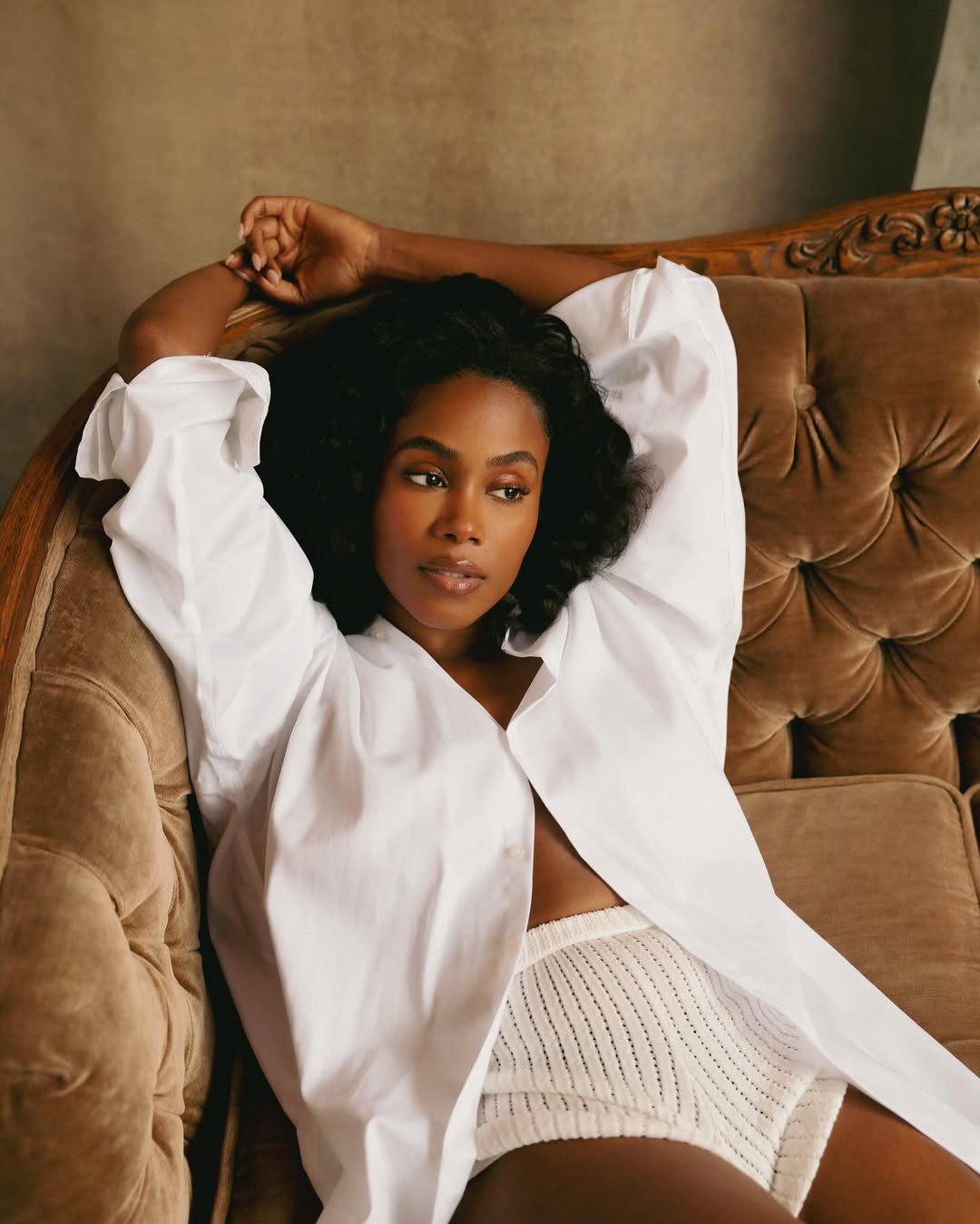
The soft life didn’t start on TikTok. It (arguably) started in Nigeria, and then the rest of the world caught on. Derived from the Yoruba slang jaiye, meaning “enjoy life,” the concept of soft life translates directly to ease. Not luxury. Not laziness. A life with reduced stress, free from constant mental strain and the unnatural pressures grind culture insists are the price of success. Nigerian women understood this long before it became a global aesthetic. They were living it, naming it, and building toward it while the rest of the internet was still glorifying 5 a.m. alarms and sixteen-hour workdays.
Then something shifted. The soft life spread globally through social media, resonating across cultures as a rejection of struggle, sacrifice, and burnout. It prioritises rest without apology, slow mornings, nourishing meals, clean spaces, and inner calm. From Lagos to London, Atlanta to Accra, the message landed the same way: you don’t have to destroy yourself to prove your worth.
Why the Soft Life Movement Exploded Right Now
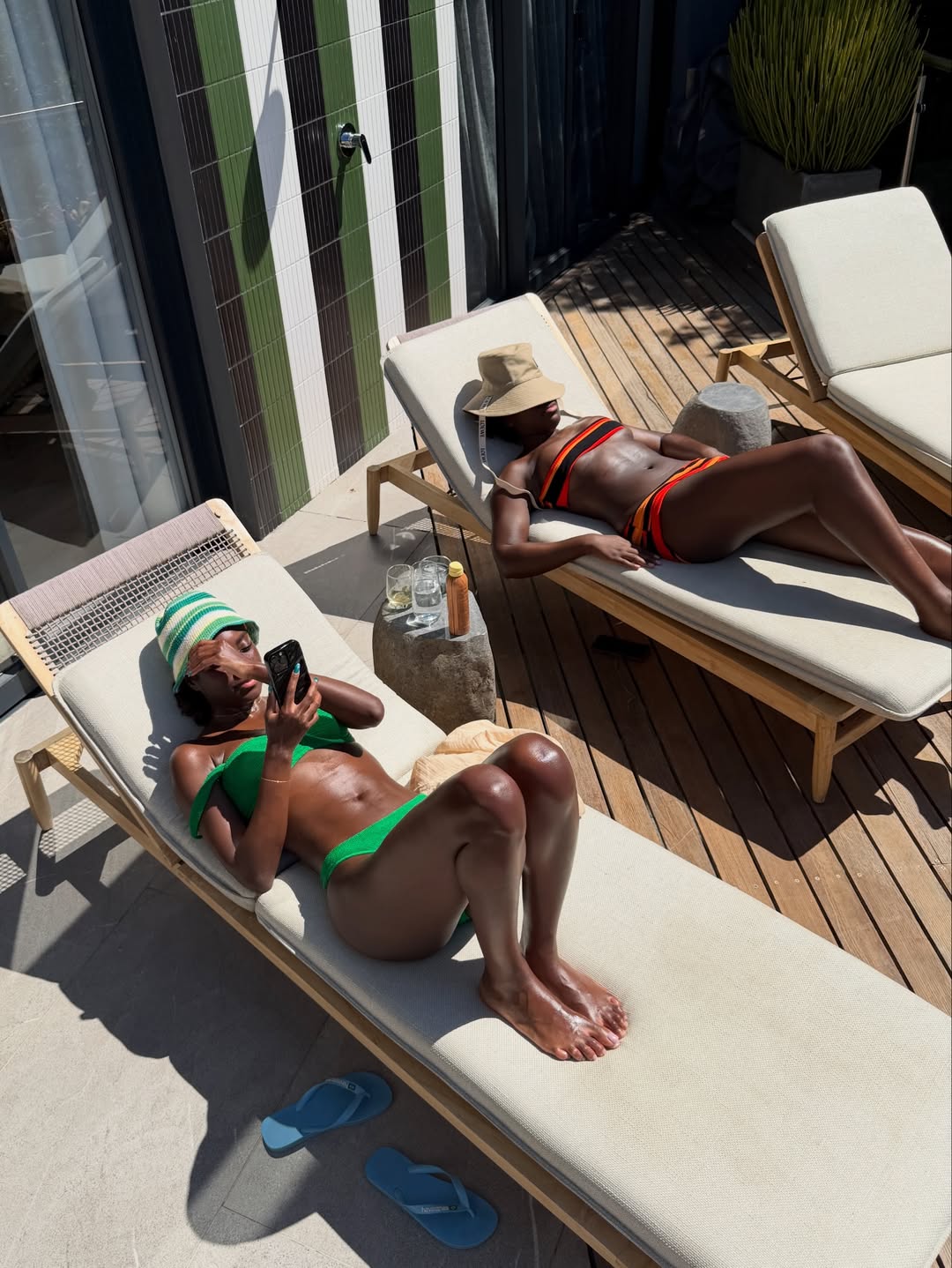
This didn’t happen by accident. Two generations arrived at the same conclusion from different directions, and that convergence created the cultural shift we’re living through today.
Millennials got there through exhaustion. They were told to work hard, build side hustles, take on debt for degrees, and prove commitment by staying late. Many followed that path and ended up burned out, underpaid, and priced out of stability. The hustle was supposed to pay off. For many, it didn’t. And Gen Z watched all of it.
Gen Z came of age during instability—economic uncertainty, climate anxiety, pandemics, and institutional distrust. They saw their parents grind endlessly, only to face layoffs, burnout, or midlife crises. So when hustle culture came knocking, their response was simple: no, thanks.
The data support this shift. A growing percentage of Gen Z prioritises mental wellbeing over financial growth, with many willing to accept lower pay for better work-life balance. This is not idealism; it is observation. The grind does not guarantee the outcome it promises. So the question becomes: why sacrifice your well-being for it?
What the Soft Life Actually Is—And What It Isn’t

The soft life is often misunderstood, especially online, where it gets reduced to linen sheets, matcha lattes, and curated morning routines. At its core, the soft life emerged as a response to systemic pressure, particularly for Black women. It rejects the “strong Black woman” trope that demands endless resilience without rest. It was never about wealth; it was about refusing to normalise suffering.
Globally, the idea has expanded, but its core remains intact. What defines this moment is a shift in aspiration. Where success once meant more output, more visibility, more accumulation, it now leans toward experience, clarity, and emotional sustainability. Success is no longer something deferred to milestones—it is built into daily life.
In practical terms, the soft life looks like this: a job that doesn’t follow you to bed. Boundaries that are non-negotiable. Rest that doesn’t require justification. Relationships you actually have time to nurture. A slow meal on a weekday, simply because you can. It’s not a personality. It’s a practice.
Here’s How Millennials and Gen Z Are Redefining Success Right Now…
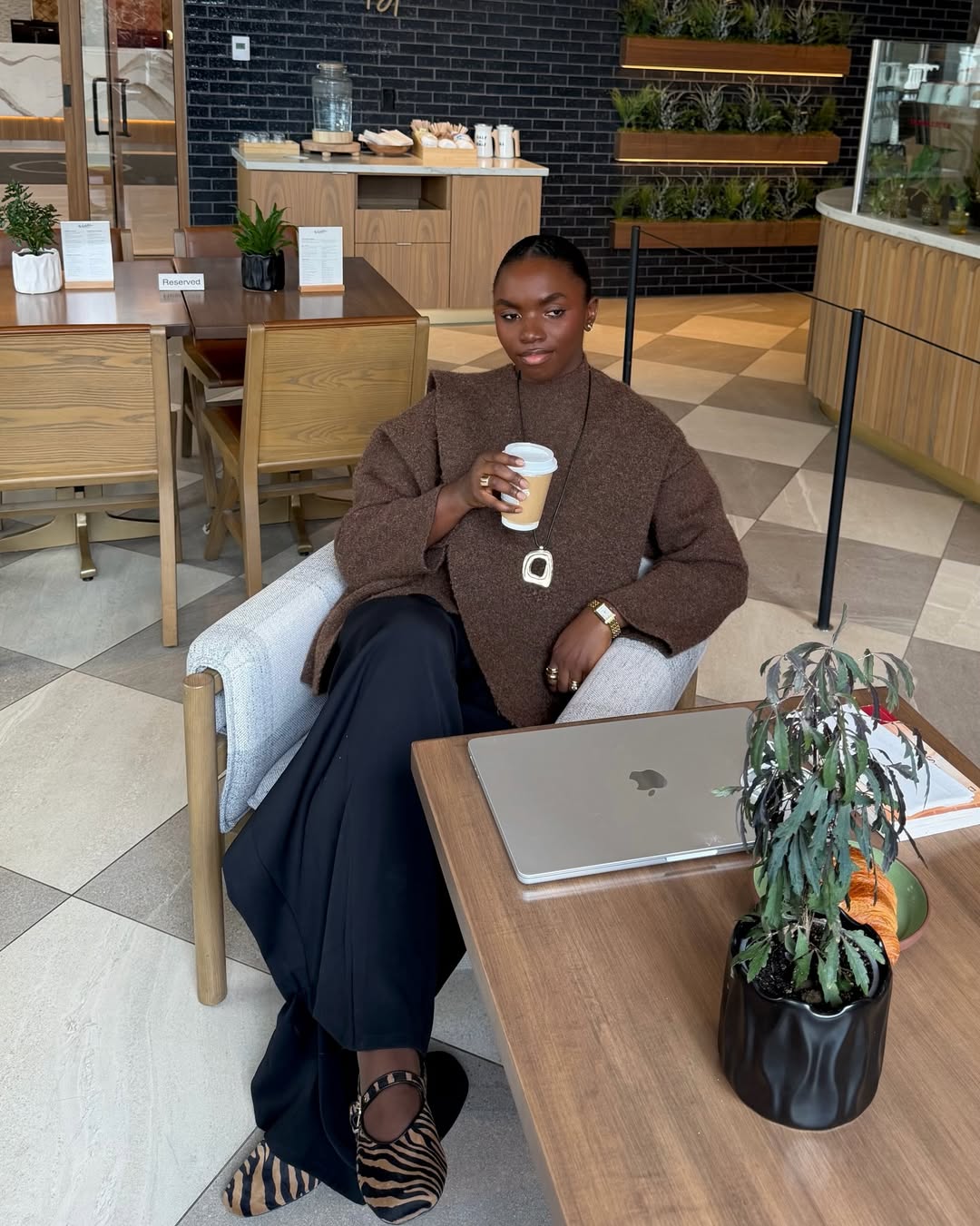
#1. Peace is the new promotion
The corner office used to be the goal. Now, it’s a role that doesn’t consume your life. More people are turning down opportunities that cost too much mentally, and not apologising for it.
#2. Rest is an achievement
Where previous generations measured success by acquisition—more visibility, more productivity, more output—millennials and Gen Z now measure it by emotional clarity and the quality of their everyday experience. Doing nothing on a Saturday is no longer wasted time. It’s the goal.
#3. Boundaries are a flex
Logging off at 5 pm, not answering emails on weekends, saying no to opportunities that don’t align–these used to signal a lack of ambition. Today, they signal someone who knows exactly what they’re worth.
#4. Meaningful work over maximum pay
In a recent Deloitte survey, 25% of Gen Z chose their jobs based on work-life balance, while only 19% prioritised salary. The paycheque still matters, but it’s no longer the only thing that does.
#5. Wellness is the new wealth
Therapy is in. Journaling is cool. Even high achievers now openly talk about their burnout recovery stories instead of their LinkedIn accomplishments. Calm is currency.
Soft Life Isn’t Anti-Ambition, It’s Pro-You
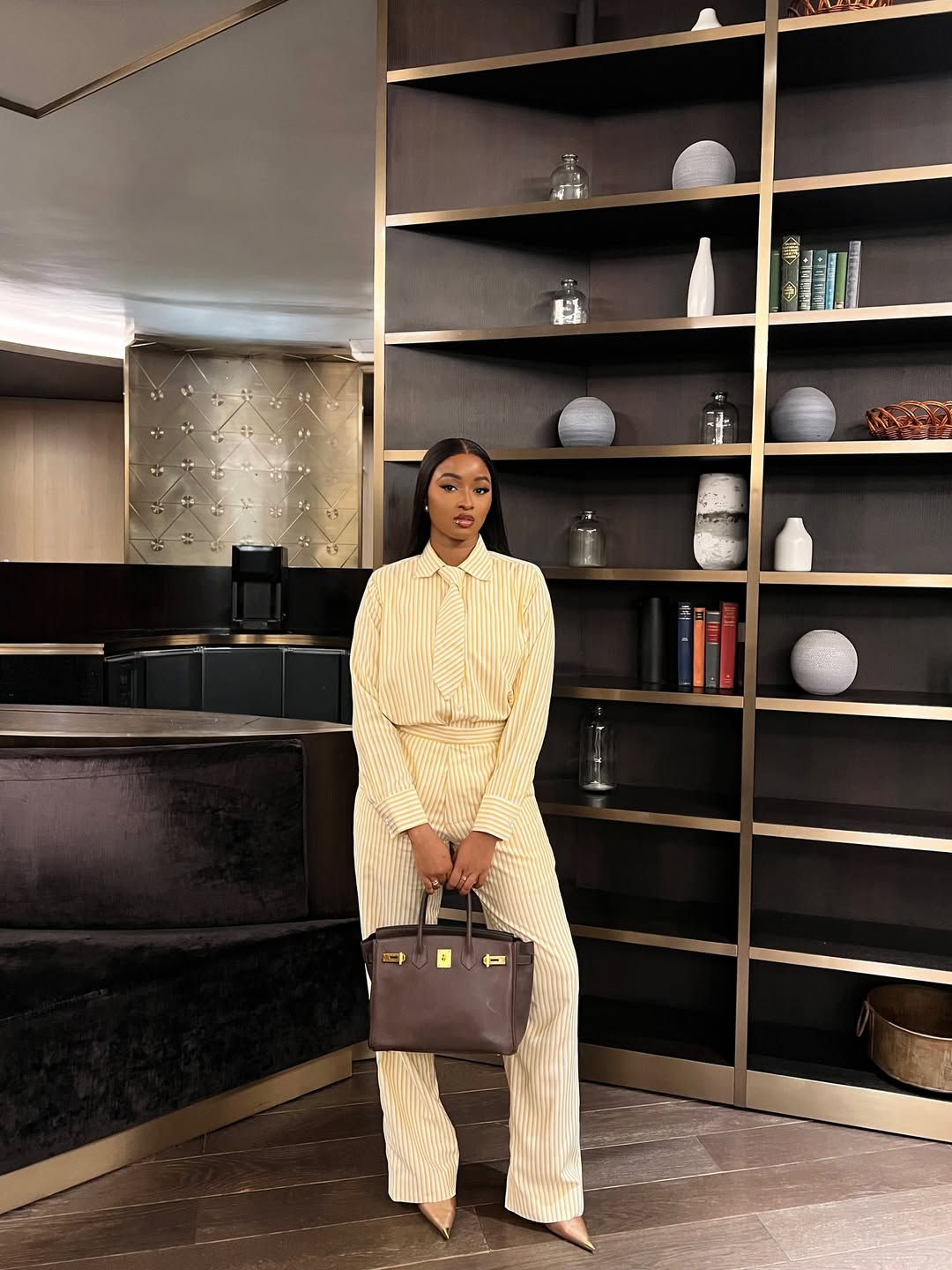
The biggest misconception worth dismantling is that choosing the soft life means choosing mediocrity. It doesn’t. The soft life is not a withdrawal from ambition; it’s a recalibration of how ambition is pursued. Hustle culture prioritises scale and speed. Soft living prioritises the sustainability of energy, attention, and emotional bandwidth.
You can want the career and the peace. You can want the bag and the boundaries. You can be ambitious and intentional at the same time. In fact, the most sustainably successful people today are doing exactly that, building toward their goals without burning the person down who’s supposed to enjoy the results.
What Living the Soft Life Actually Looks Like Today
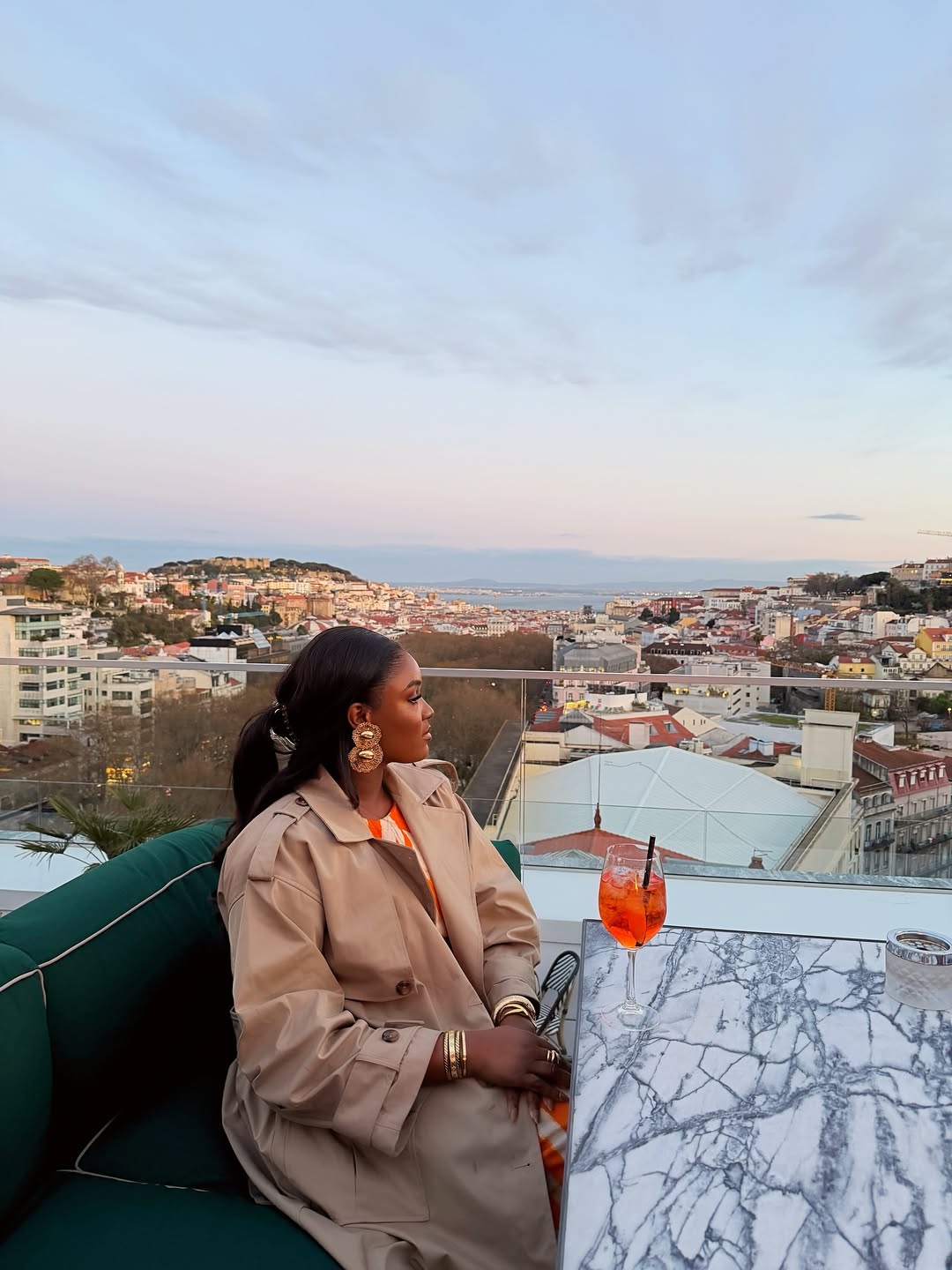
Soft life looks different for everyone, and that’s exactly the point. In Lagos, it might be choosing a remote role that pays less but gives you your evenings back. In London, it might be ignoring work emails from your phone on weekends. In New York, it might be guilt-free to cancel plans when your body is asking for rest. In Accra, it might be building a business that funds your life rather than consuming it.
The soft life doesn’t demand radical change. It encourages small, consistent adjustments, such as lighting a candle, taking a walk, and choosing rest without justification. It’s the accumulation of tiny decisions that say: my life is worth living while I’m building it. Not after. Not when I finally arrive somewhere. Now.
Success today doesn’t look like the version we were sold. It looks quieter. It looks intentional. It looks like people who are genuinely well, not just performing wellness while running on empty. The soft life is real life. And it always was.
Featured Image: Raven B. Varona via @shannonthornt_n/Instagram
The post Why Millennials And Gen Z Are Choosing The Soft Life appeared first on Style Rave | The Ultimate Style Guide.