

Something is shifting in how women with options are choosing to live and love. In the span of a few weeks, two high-profile women have made headlines not for who they are dating but for how firmly they have reimagined what dating even means to them. Charlize Theron, 50, appeared on “The Drew Barrymore Show” and delivered a line that quickly took on a life of its own. “I really mean this, people think I joke, I don’t think I could ever live with somebody again,” she said, with the kind of calm certainty that suggested this was less a provocative statement and more a settled conclusion.
Meanwhile, Nia Long, 55, appeared on Keke Palmer’s podcast and laid out a set of dating requirements that struck an equally definitive tone. Flowers. Consistent effort. Proof that she needs you. And for anything casual, a signed NDA. “Eat it and sign, cause I’m done,” she said, in a line that promptly went viral and accumulated over 700,000 views on X within days.
Women Redefining Love on Their Own Terms
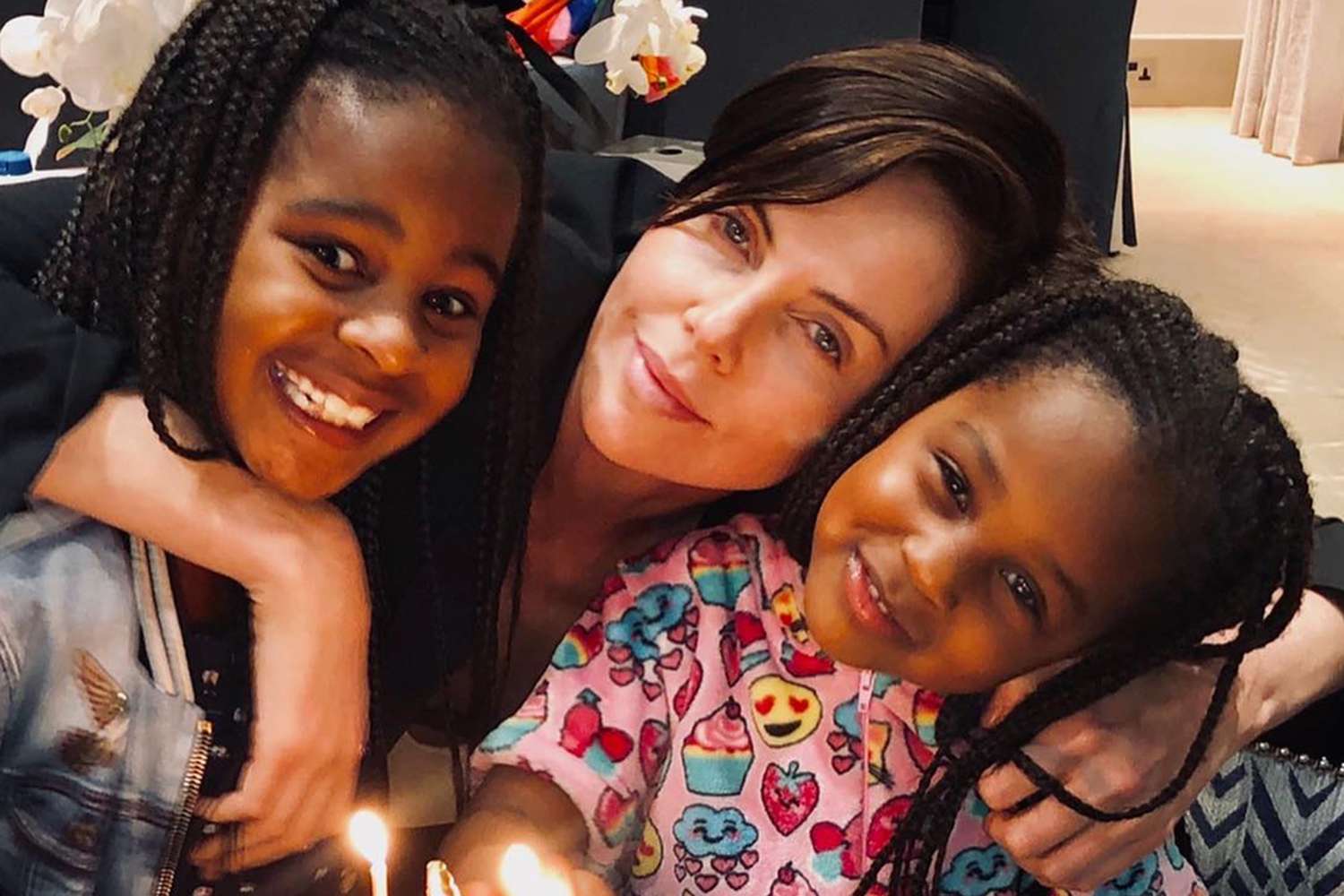
For the record, these are not two women mourning the absence of love. They are two women who have lived through enough to know exactly what they want, and who have arrived at positions that challenge the traditional expectation that romantic partnership should anchor a woman’s life. Theron, a single mother of two adopted daughters, says her children actively encourage her to date while she simultaneously rules out cohabitation.
Nia Long, whose 13-year relationship with NBA coach Ime Udoka ended publicly and painfully after reports of infidelity in 2022, has been direct about the toll that kind of exposure takes. “I think the most heartbreaking thing about all of this was seeing my son’s face when the Boston Celtics organization decided to make a very private situation public,” she said at the time. Both women have arrived at their current positions through experience, not abstraction.
Rejecting Serious/Unrewarding Relationships: What Charlize and Nia Are Actually Saying
It is worth being precise about what these women are and are not saying. Neither Theron nor Long has declared celibacy or permanent solitude. Theron is actively dating and has her daughters cheering from the sidelines. Long told Playboy she is a “big fan” of older women dating younger men, described herself as “kind of dating,” and told the Today show that she has her eye on certain things. What both women are rejecting is the assumption that romance must lead to cohabitation, shared domestic life, or the kind of serious public commitment that leaves little room for privacy, autonomy, or the self they have built independently.
Theron put it in specifically architectural terms: “I would love for you to be close, like buy the house down the street, but I don’t know if I can.” Long framed it through the lens of compartmentalization, describing an ability to “do the same thing a guy does” when it comes to separating casual encounters from meaningful ones. Both framings are variations of the same argument: intimacy is not the same as entanglement, and a woman who has spent decades being told these things are inseparable is now choosing to see them differently.
The Broader Dating Pattern Behind the Trend
Theron and Long are not isolated voices. They represent a growing cultural current among women, particularly those in their late forties and fifties, who have emerged from serious relationships, marriages, or public heartbreaks with a recalibrated sense of what they need from another person. This is distinct from simply being single. It is a deliberate reorientation toward self-prioritisation that rejects the social script that frames a woman without a serious partner as either unlucky or incomplete.
Keke Palmer, who hosted Long’s conversation, noted that she operates similarly in her own dating life, suggesting this is not exclusively a generational position. The audience response to both women’s statements has been overwhelmingly positive, with thousands of women in comment sections and social media threads identifying directly with the sentiment. “She’s been through it. Let her live,” was one of the most frequently liked responses to Long’s viral clip. The permission these public figures are granting themselves is clearly resonating far beyond their individual circumstances.
What This Actually Changes
The cultural weight of these statements lies not just in what Theron and Long are doing personally but in what they are normalising publicly. For decades, the dominant narrative around women and relationships has framed seriousness as the destination. Dating is a means to partnership.
Partnership is a means of cohabitation. Cohabitation is a means to permanence. What these women are doing, with considerable cultural visibility, is pulling apart those assumptions and examining each one separately.
Charlize Theron acknowledged her position might change. “Maybe it’s because I still have my daughters in the house, and maybe that will change when I’m an empty nester, but I’m looking for something very specific,” she said. That openness to evolution matters. This is not a manifesto. It is a live account of two women figuring out what they actually want rather than what they are supposed to want.
Featured image: Estee Lauder | Dior
The post <em>From Charlize Theron To Nia Long:</em> Why More Women Are Choosing Themselves Over Unrewarding Relationships appeared first on Style Rave | The Ultimate Style Guide.