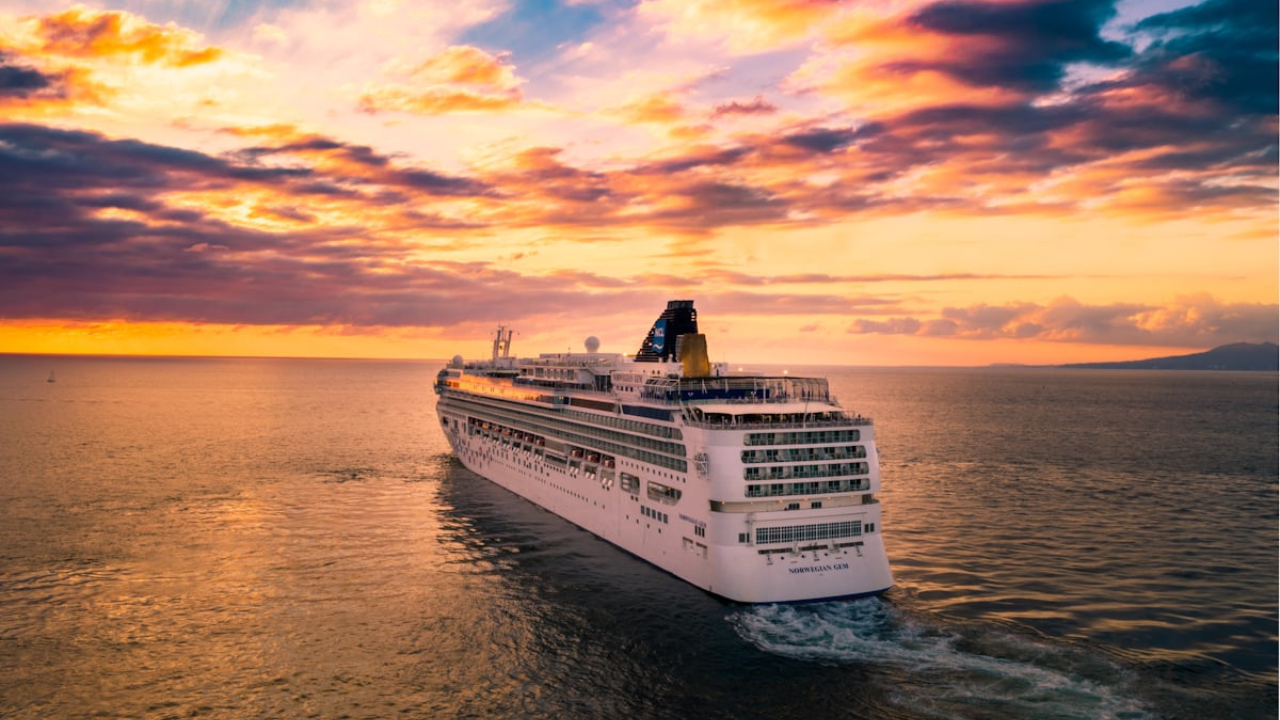
Three people are dead, at least five others are suspected to be infected, and a cruise ship carrying around 150 passengers is currently anchored off the coast of Cape Verde while the World Health Organization coordinates what it is calling a multicountry public health response. The MV Hondius, a specialist polar expedition vessel, departed Ushuaia in Argentina approximately three weeks ago, bound for Spain’s Canary Islands. Somewhere along the way, hantavirus found its way aboard.
The WHO confirmed on Sunday, May 3, that one case of hantavirus infection has been laboratory confirmed, with five additional suspected cases among the affected passengers. Of the six individuals, three have died and one is currently in intensive care in South Africa. This is a developing situation. Contact tracing is underway. Virus sequencing is ongoing. And the global health community is watching closely, because hantavirus behaving this way, multiple cases, multiple deaths, aboard a single vessel, is deeply unusual.
What Happened Aboard the MV Hondius
Three die after virus outbreak on Atlantic cruise ship https://t.co/vsV2rLtahH
— BBC News (World) (@BBCWorld) May 3, 2026
The first person to fall ill was a 70-year-old male passenger. He developed a fever, headache, abdominal pain, and diarrhoea while the ship was at sea. He died on board. His body was recovered at St. Helena Island, a British territory in the South Atlantic. His 69-year-old wife also became ill during the voyage. She was evacuated to South Africa, where she later died in a Johannesburg hospital. A source close to the case told reporters the couple were Dutch nationals, though South African health authorities said they had not yet officially confirmed the victims’ nationalities.
A third patient, described as a British national, became ill as the ship travelled between St. Helena and Ascension Island. He was transferred from a hospital in Ascension to a South African health facility, where he tested positive for hantavirus. He is currently in intensive care. WHO said it was working to evacuate two other passengers with symptoms from the ship at the time of writing.
South Africa’s National Institute for Communicable Diseases has begun contact tracing in the Johannesburg region to identify whether any other individuals were exposed to infected passengers after they disembarked or passed through the country. Foster Mohale, spokesman for South Africa’s National Department of Health, said the public did not need to panic, noting that only two patients from the ship had been within South Africa’s borders.
What Is Hantavirus and Why This Outbreak Is Unusual
Hantavirus is neither new nor unknown. But it is rare, and outbreaks of this scale are exceptionally uncommon. The virus is found in rodent populations worldwide and is typically transmitted to humans through contact with infected urine, droppings, or saliva, or by inhaling contaminated dust. Common carriers include deer mice, cotton rats, and rice rats. The virus cannot be transmitted from dogs or cats, though pets can carry infected rodents indoors.
Once contracted, the infection can progress to hantavirus pulmonary syndrome, which causes fluid to build up in the lungs. Symptoms typically appear one to eight weeks after exposure and include fever, fatigue, and muscle aches, particularly in the thighs, hips, back, and shoulders. Chest tightness, coughing, and shortness of breath follow as the condition worsens. There is no specific treatment or cure for hantavirus infections, but early medical attention can increase the chance of survival.
What makes the MV Hondius situation unusual is the clustering of cases aboard a single vessel. WHO noted that while rare, hantavirus may spread between people, a possibility that adds a layer of complexity to the investigation. The ship’s route through Antarctica, the Falkland Islands, South Georgia, Nightingale Island, Tristan da Cunha, St. Helena, and Ascension Island before reaching Cape Verde offers multiple possible points of exposure to infected rodents. Investigators will need to determine where, and how, the virus entered the passenger population.
What Happens Next
Director of the WHO Centre on global health law, Larry Gostin, says he’s ‘very worried’ about a suspected hantavirus outbreak onboard a cruise ship sailing in the Atlantic Ocean.
The World Health Organisation says three people have died from the outbreak on the ship, while a… pic.twitter.com/AVHttJjoU1
— Sky News (@SkyNews) May 3, 2026
WHO said it is conducting a full public health risk assessment alongside national authorities and the ship’s operators. Virus sequencing is ongoing, which will help determine the specific strain involved and potentially clarify how transmission occurred. The MV Hondius was last tracked anchored off Praia, the capital of Cape Verde, on Sunday. Passengers who remain aboard are being monitored.
The virus was already in the public consciousness following the death of Betsy Arakawa, wife of actor Gene Hackman, who died after contracting hantavirus in early 2025. That case raised awareness of a disease that many people had never heard of. This outbreak will raise it further, and with considerably more urgency. Health officials are reminding the public that the risk of hantavirus can be significantly reduced by minimising contact with rodents, sealing entry points in homes and workplaces, and avoiding areas with signs of infestation. For those aboard the MV Hondius, those precautions came too late. The investigation into exactly what happened, and where, is now underway.
Featured image: Alonso Reyes/Unsplash
The post Three Dead After Hantavirus Outbreak Strikes Cruise Ship In The Atlantic appeared first on Style Rave | The Ultimate Style Guide.