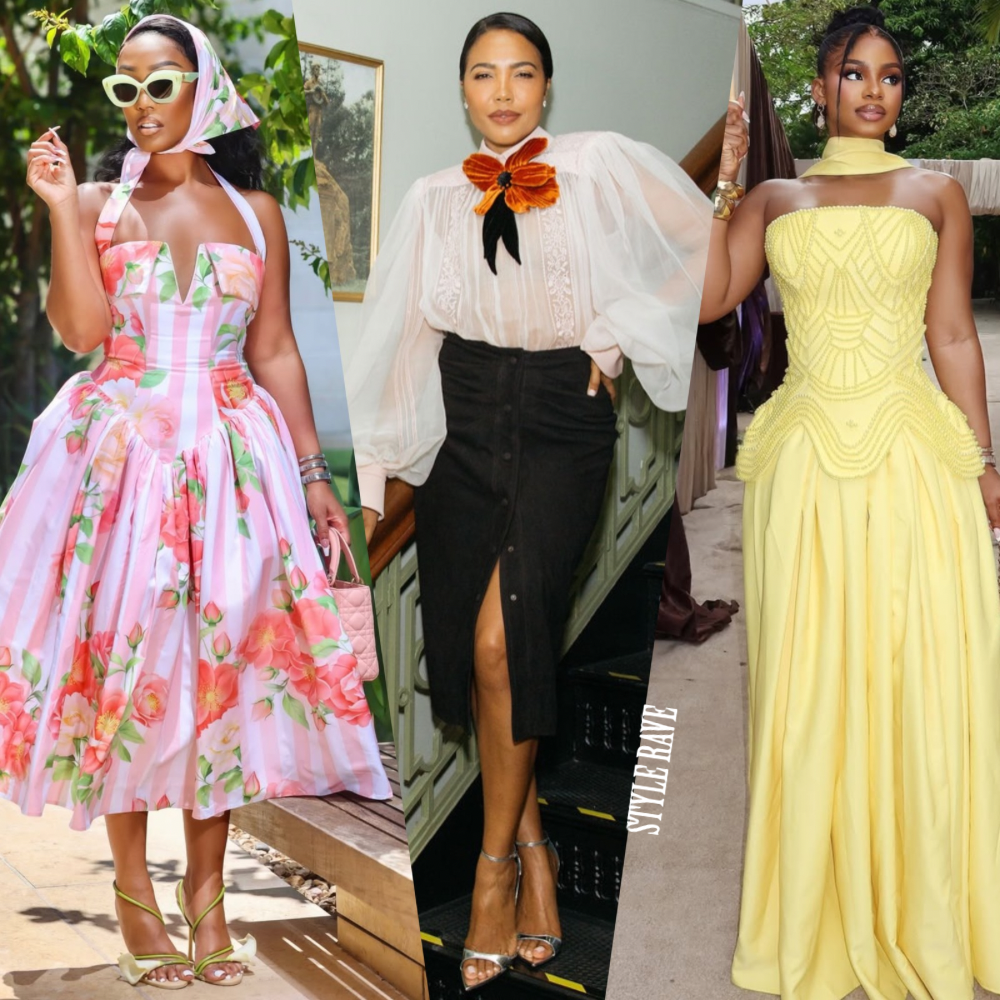
There’s a visible shift happening in fashion right now, one that feels less like a trend and more like a change in mood. After seasons dominated by restraint, precision, and a kind of studied nonchalance, the industry is leaning back into softness. Not passively, but with intention. Fabrics move again. Silhouettes expand. Details that once felt excessive, such as ruffles, lace, and sheer layers, are returning with a quiet confidence that reframes them entirely.
This is the new romantic era, and it’s not about nostalgia or dressing up for effect. It’s about reclaiming beauty as something deliberate, something chosen. Across runways and street style, from Valentino to Andrea Iyamah, designers and wearers alike are embracing a softer language of dressing, one that blends structure with fluidity and heritage with modern edge. The result is an aesthetic that feels expansive, personal, and unmistakably of the moment.
What the New Romantic Era Actually Means Right Now
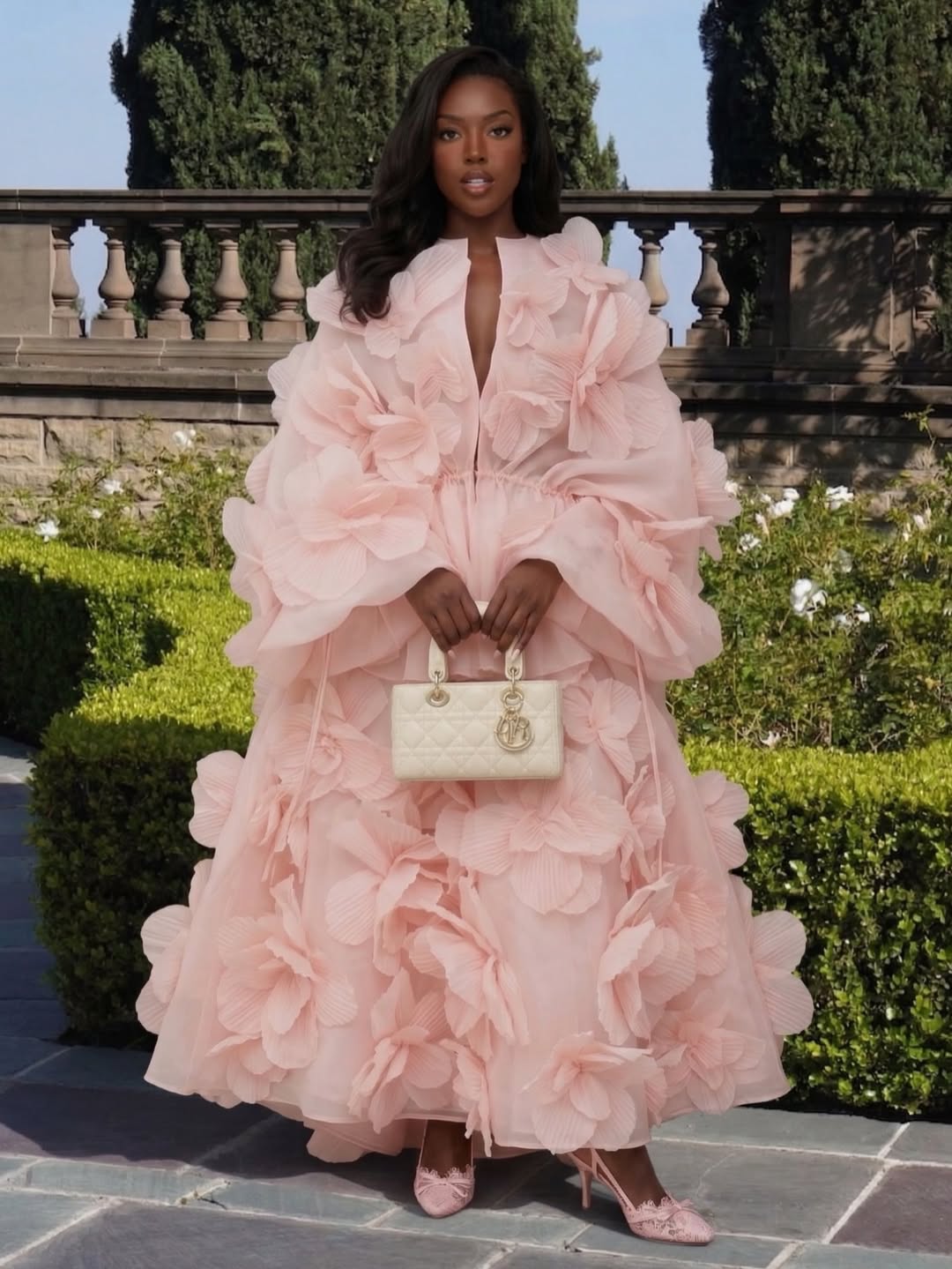
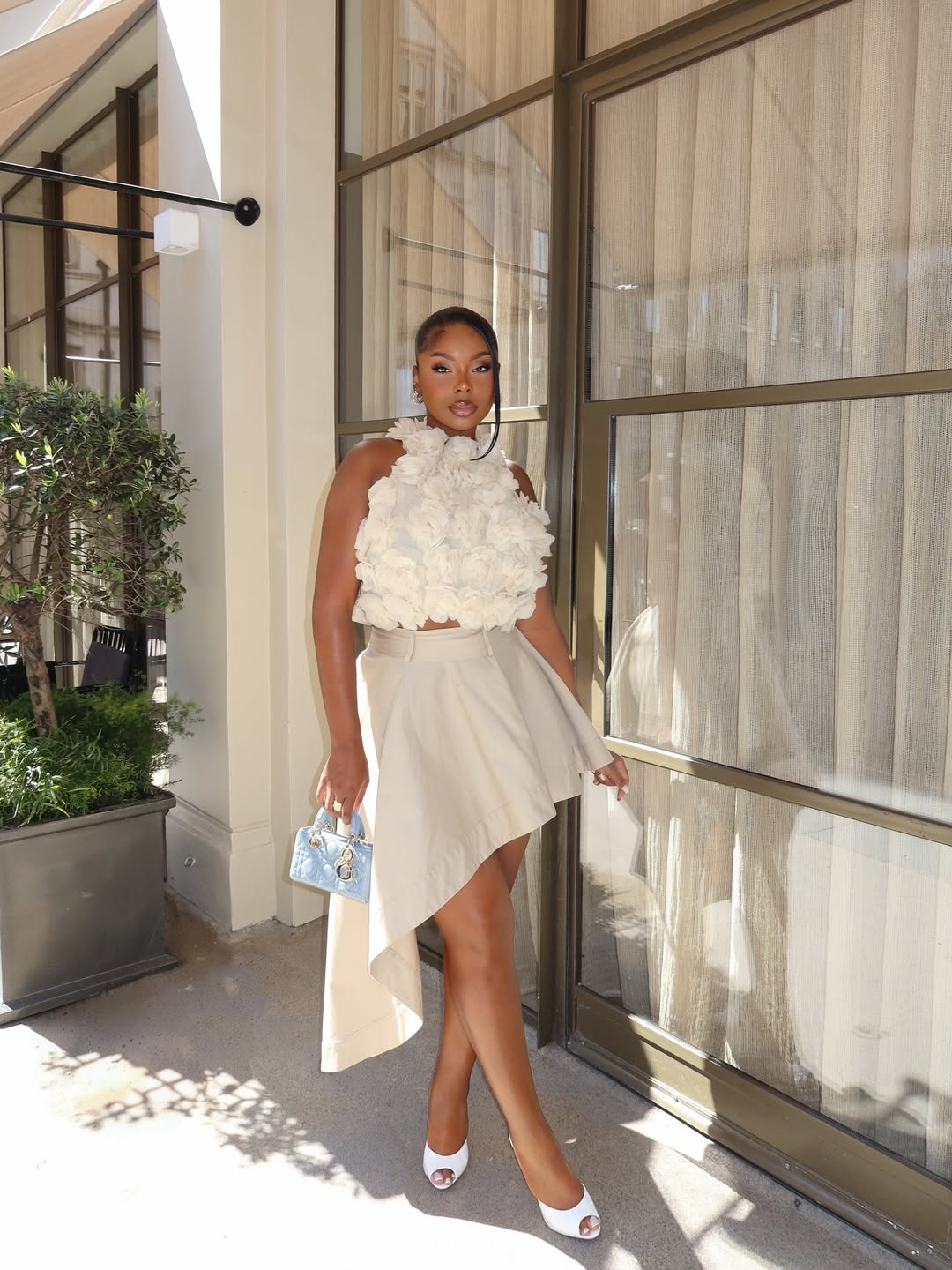
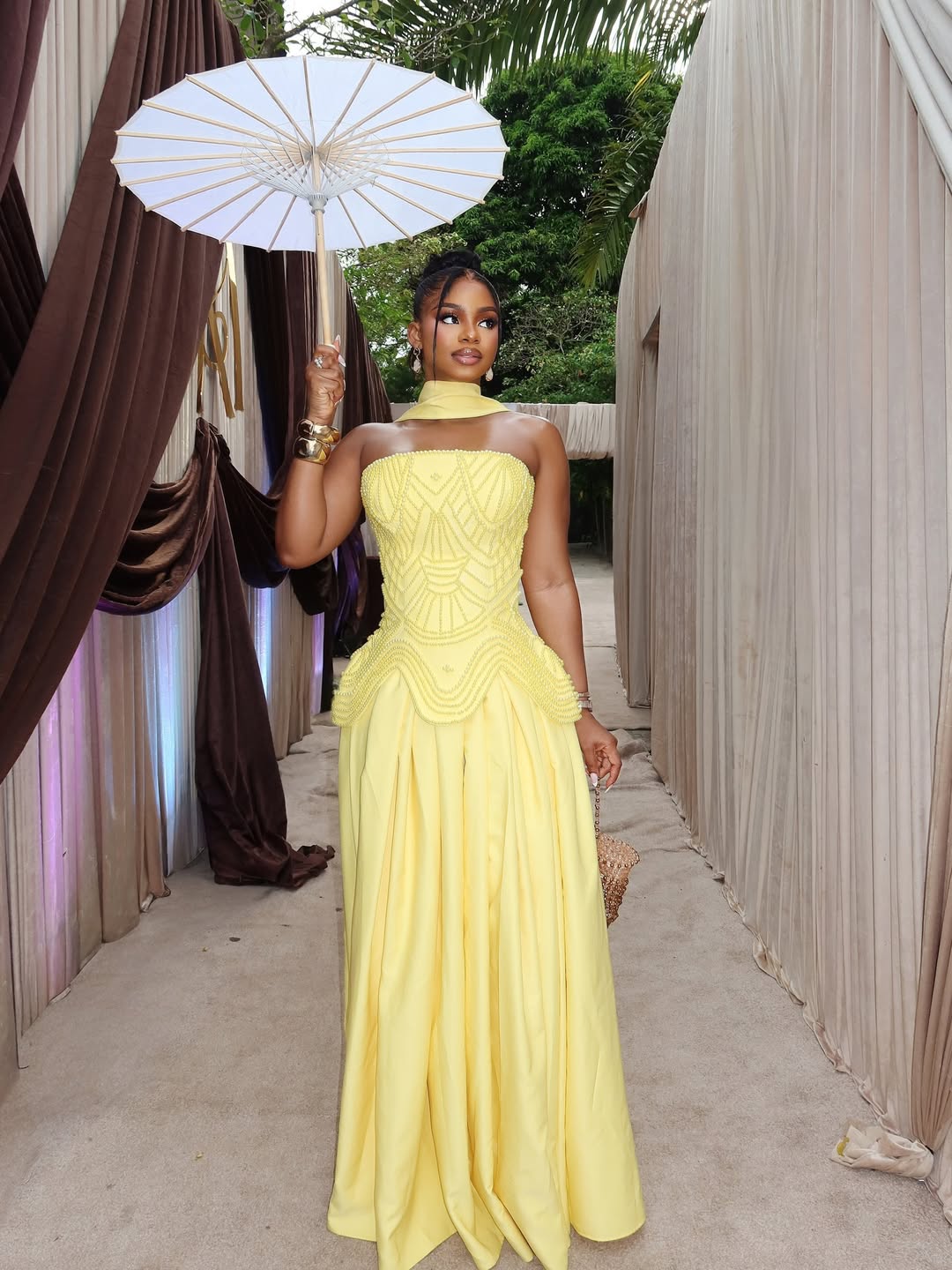
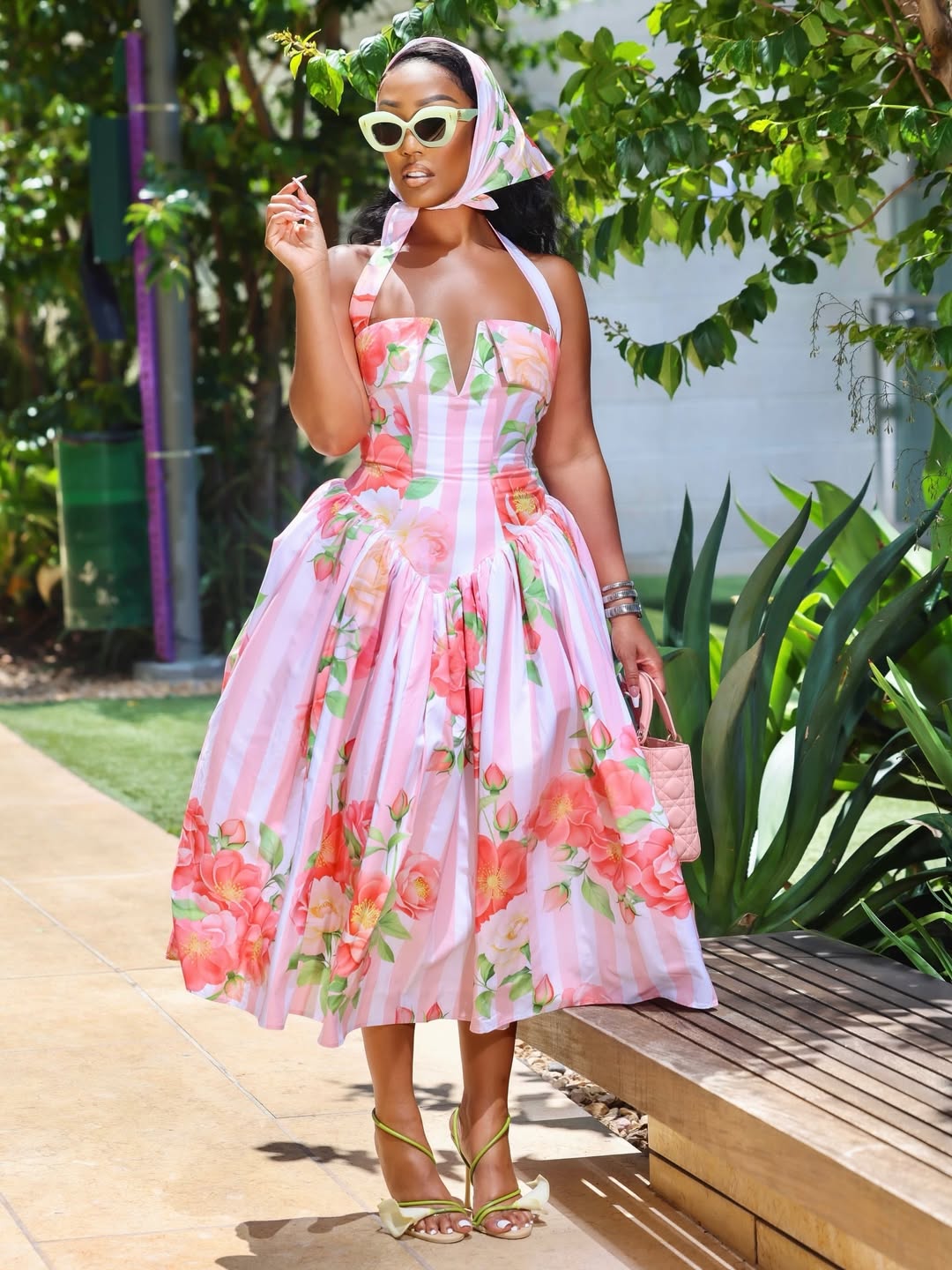
In fashion terms, the new romantic era has always drawn from softness—ruffles, lace, organza, puff sleeves, gathered skirts, delicate embroidery, and draped layers. It’s the kind of dressing that carries texture and movement, creating the feeling of stepping into another time without veering into costume.
In 2026, those elements are back in full force, but the context has shifted. In addition to the classic styling, they also get a sprinkle of edge: chunky boots, leather jackets, and a sense of directness. The softness remains, but it’s no longer passive. Dressing in the new romantic era is a conscious fashion choice, made with intention and strength.
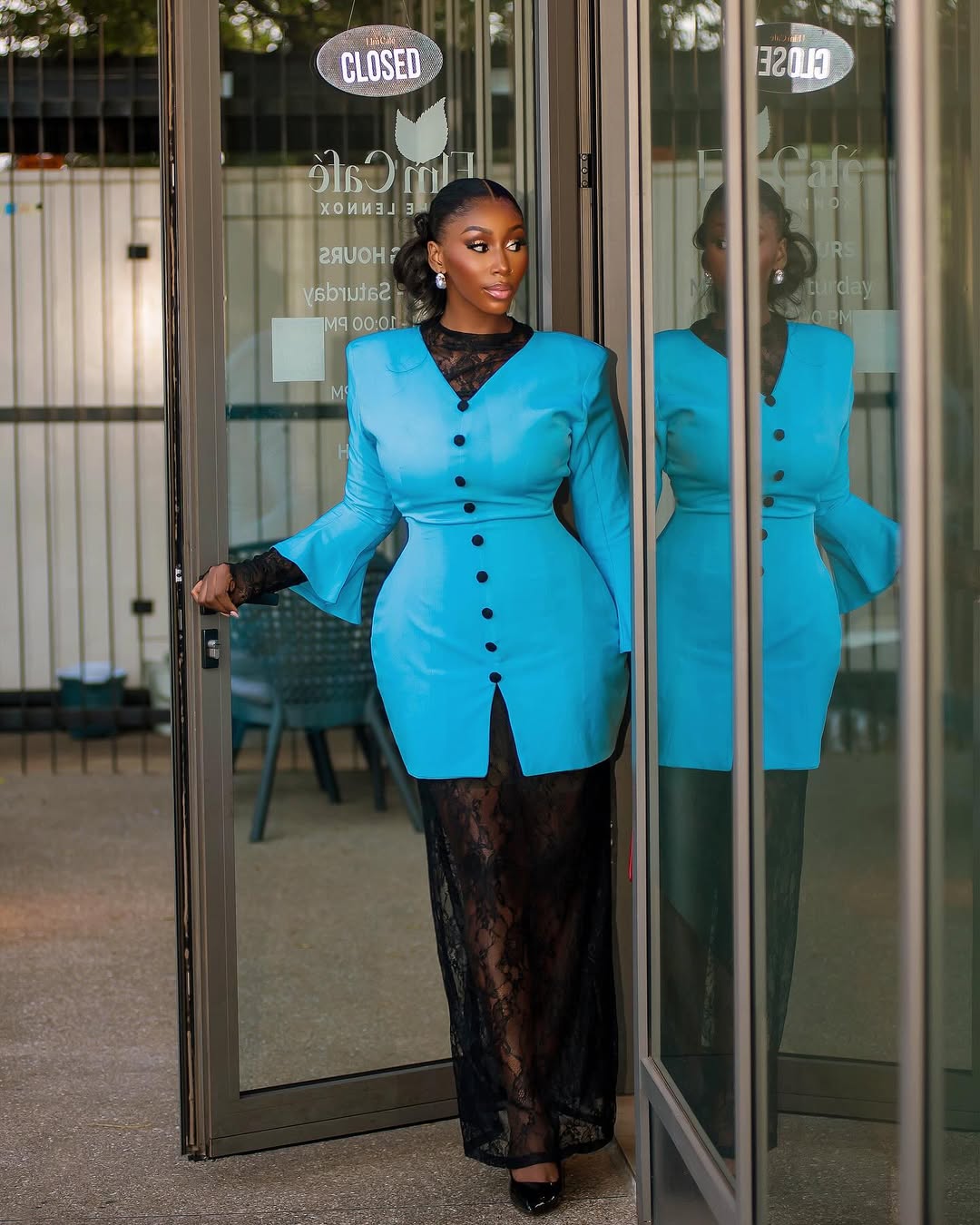
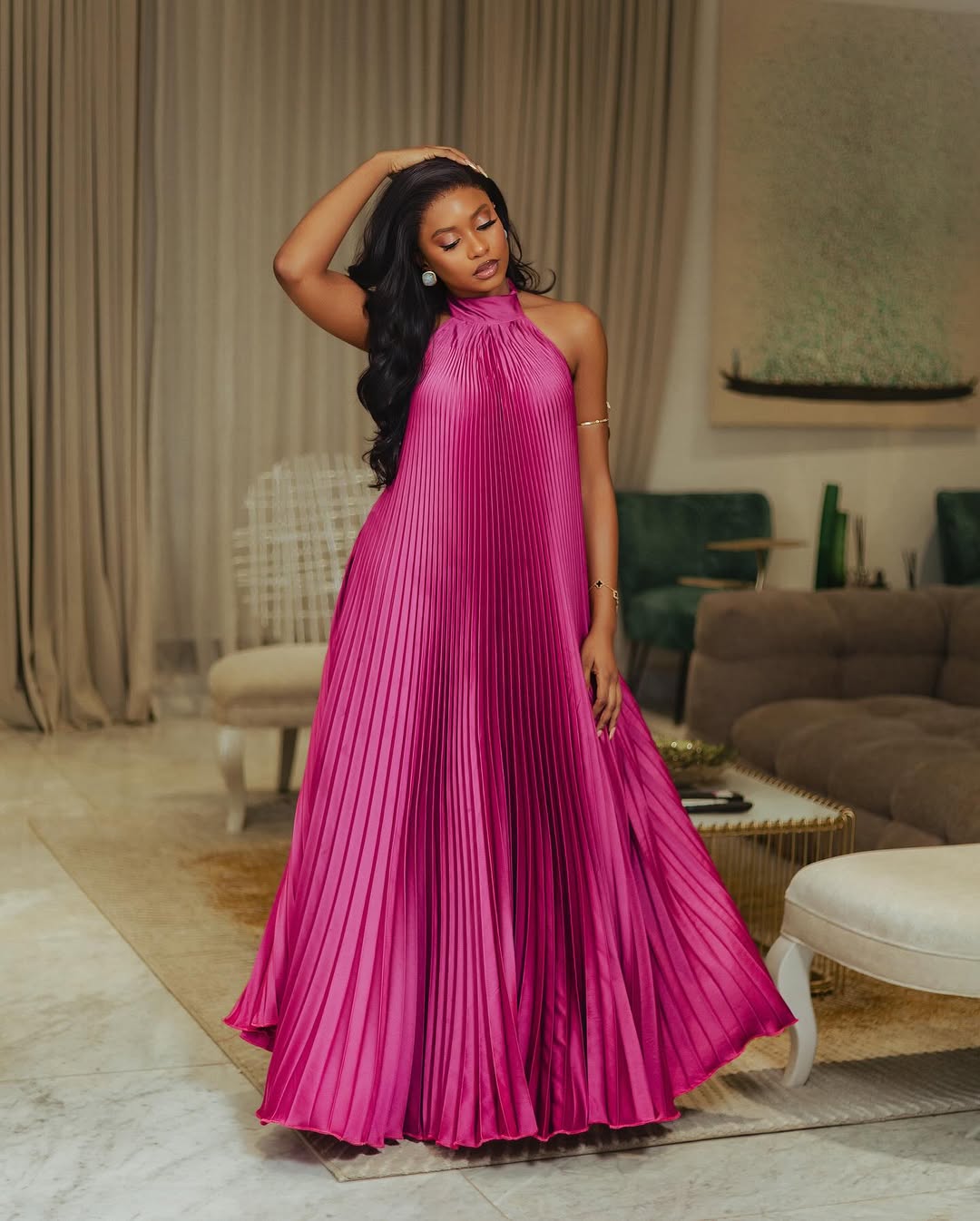
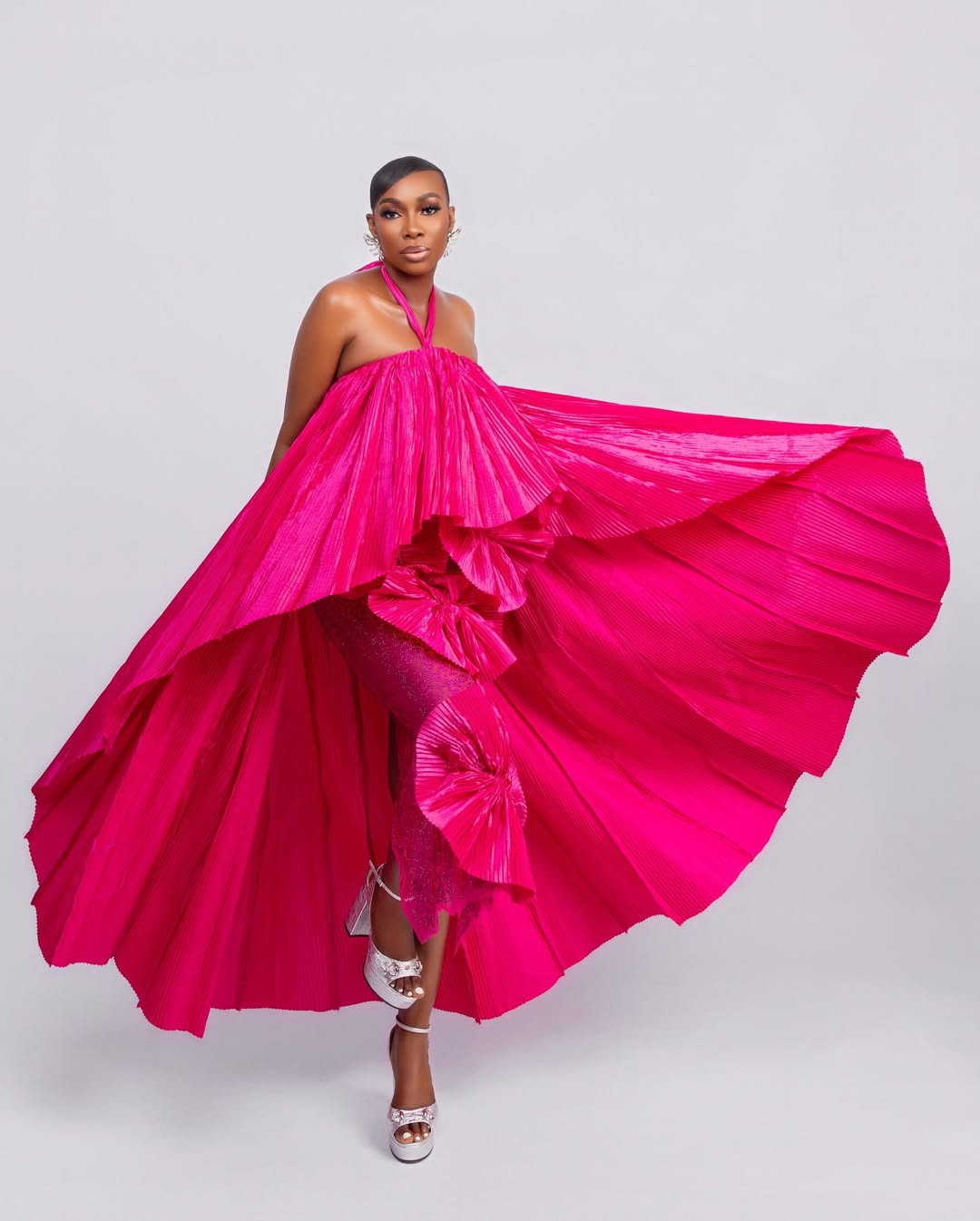
Runways from Valentino to Giambattista Valli, alongside emerging African designers like Andrea Iyamah and Maxivive, have all leaned into this aesthetic. Flowing chiffon in jewel tones. Lace bodices paired with dramatic skirts. Ruffled blouses that feel equally at home at a dinner party in Lagos or a gallery opening in Paris.
Why the New Romantic Era of Fashion Is Happening Right Now
Fashion has always moved in cycles. Periods of structure and restraint tend to give way to softness and expression. After seasons defined by minimalism, “quiet luxury,” mob wife aesthetic, and utilitarian dressing, the shift toward romanticism feels almost inevitable.
But there’s also something more specific happening now. Across African and diaspora communities, femininity is being actively redefined. The conversation around womanhood has become more expansive—what it looks like, who gets to express it, and how it intersects with culture, identity, and age. Dressing in the new romantic era isn’t about fitting into a fixed idea of femininity. It’s about choosing an aesthetic you find beautiful on your own terms.
The Fabrics and Details That Define the New Romantic Era
If you’re leaning into the new romantic era of fashion in 2026, here’s what to look for:
#1. Lace, but not fragile lace
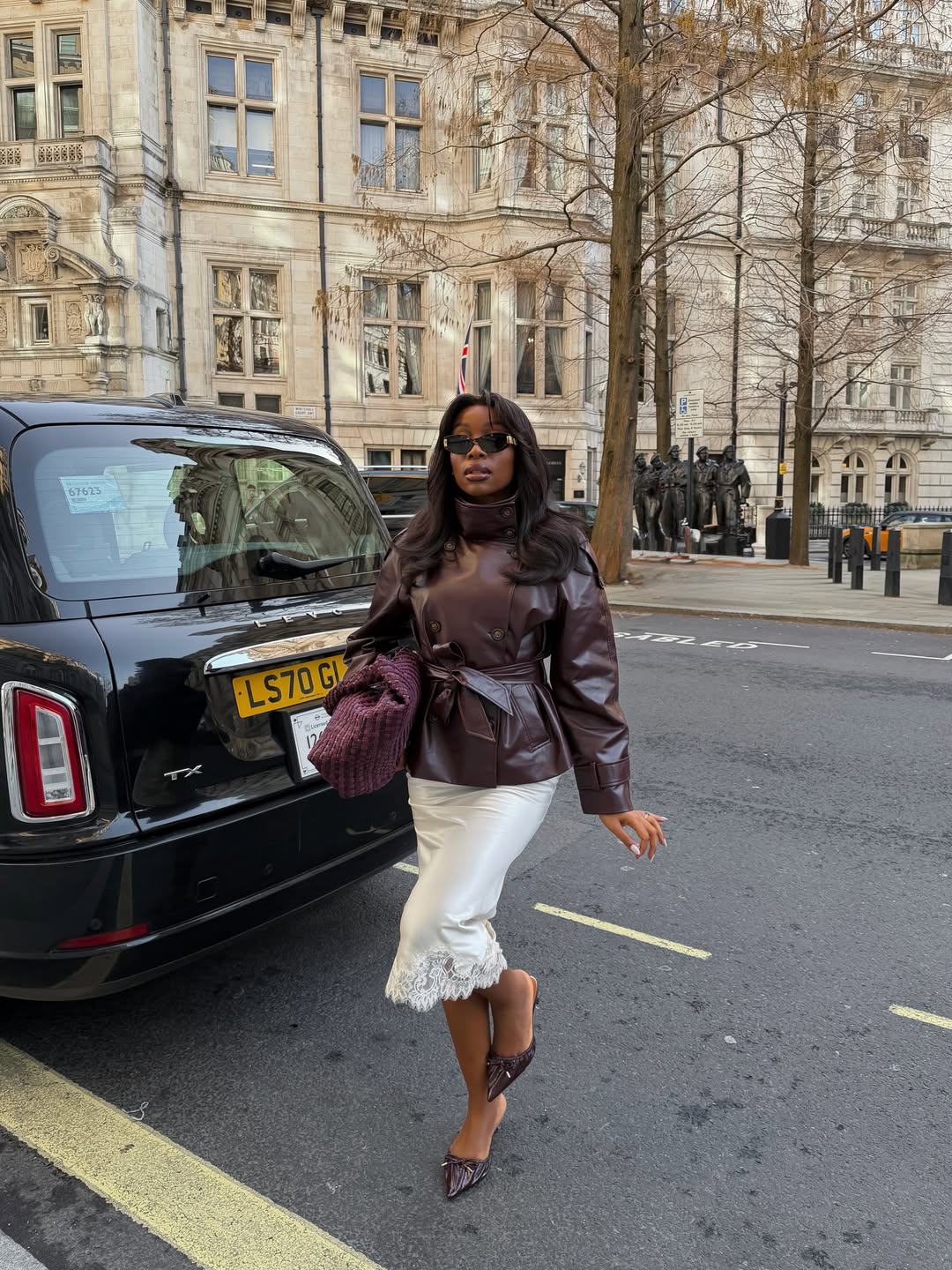
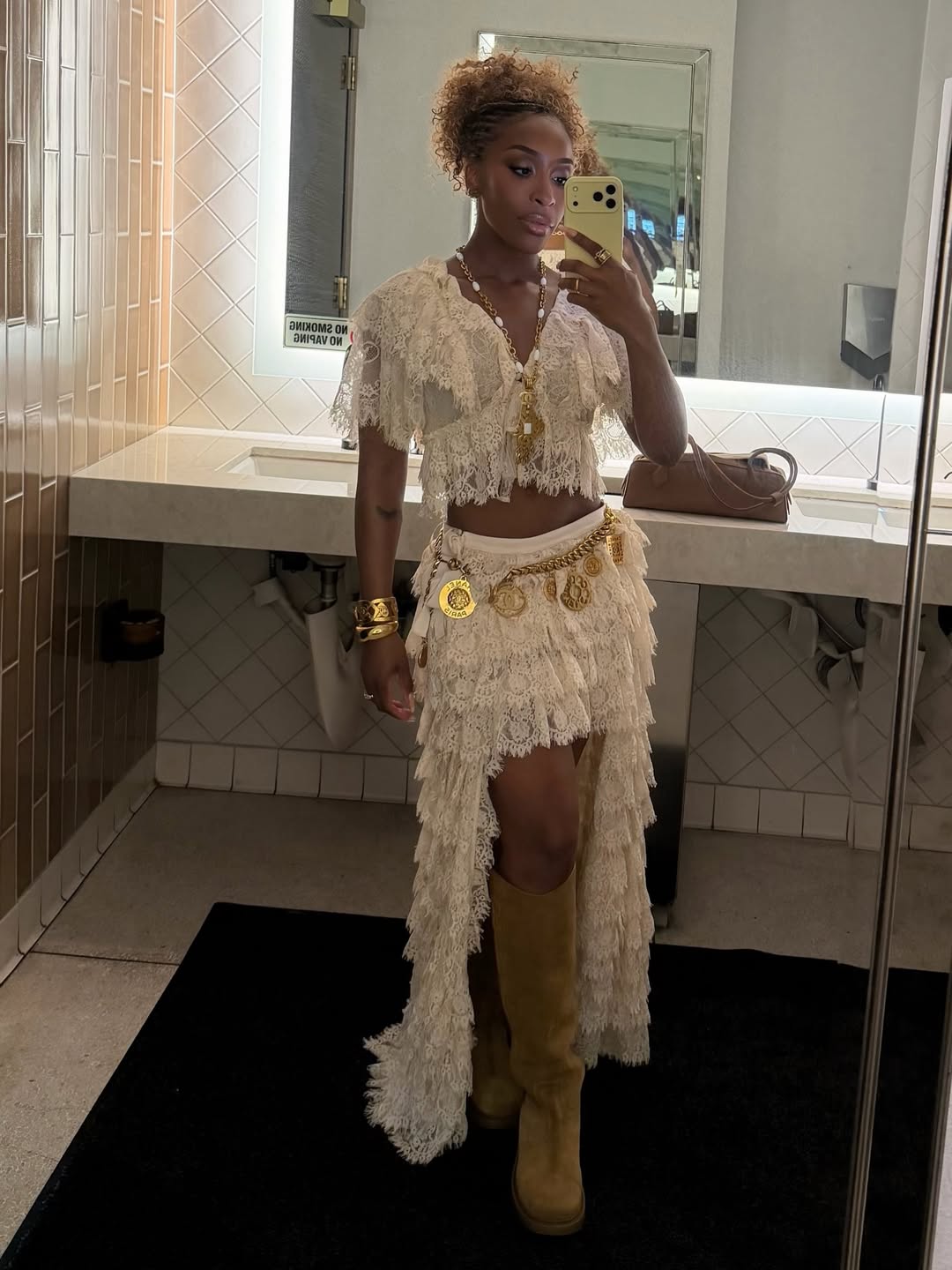
Lace returns with structure—corsets, overlays on trousers, and trims on otherwise minimal pieces. The contrast between delicate lace and harder elements, like a leather jacket or pointed boots, is exactly what makes it feel modern.
#2. Organza and chiffon: The float is back
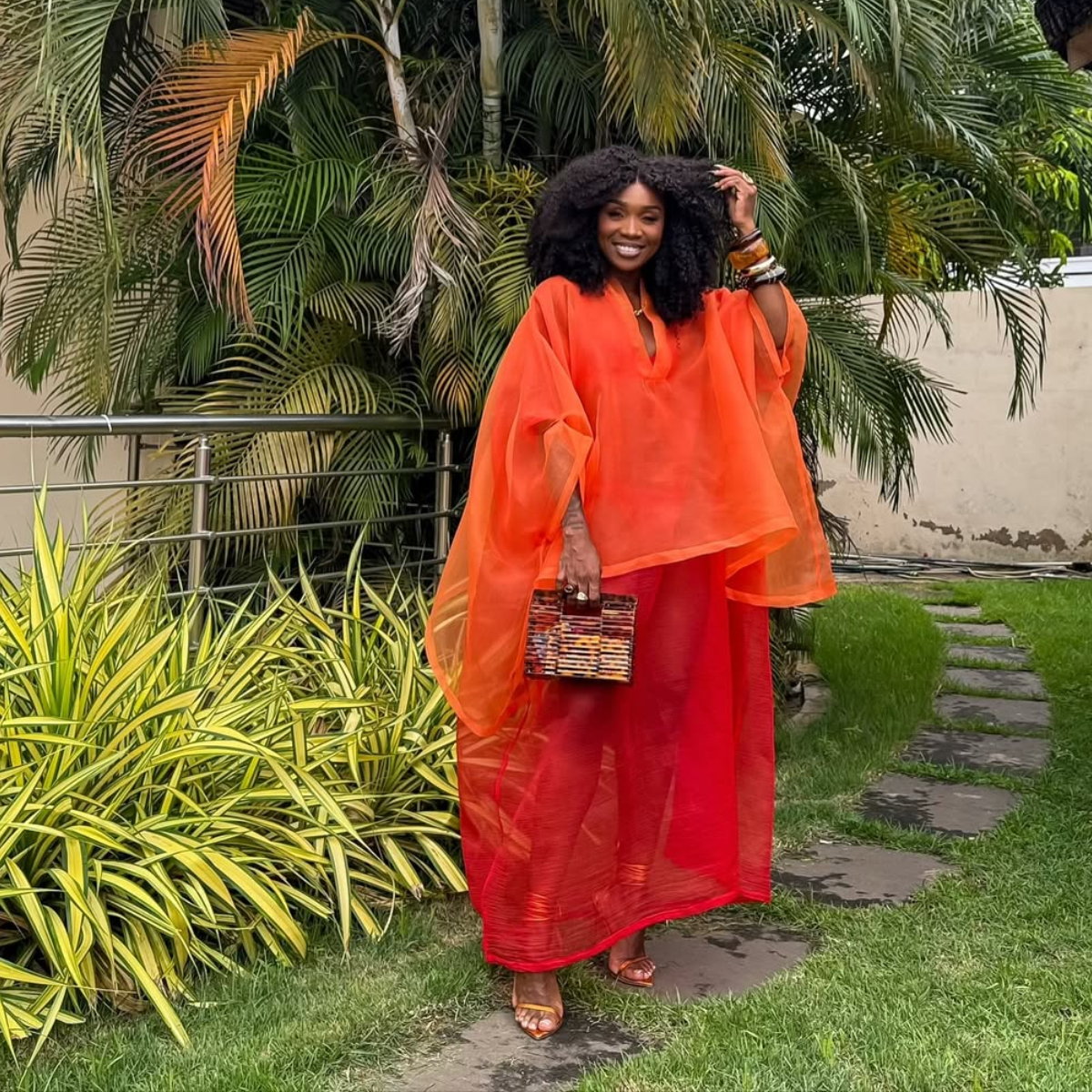
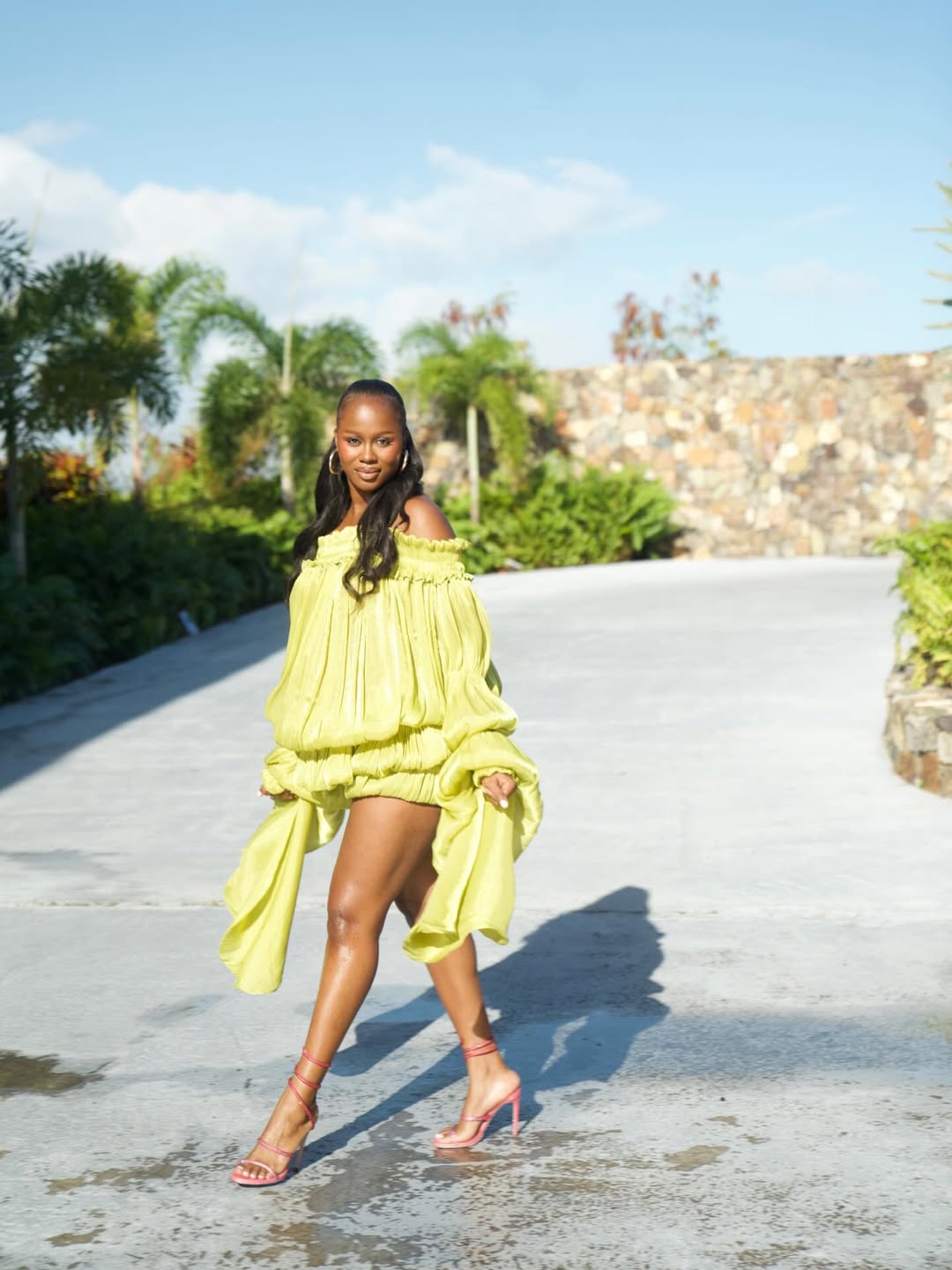
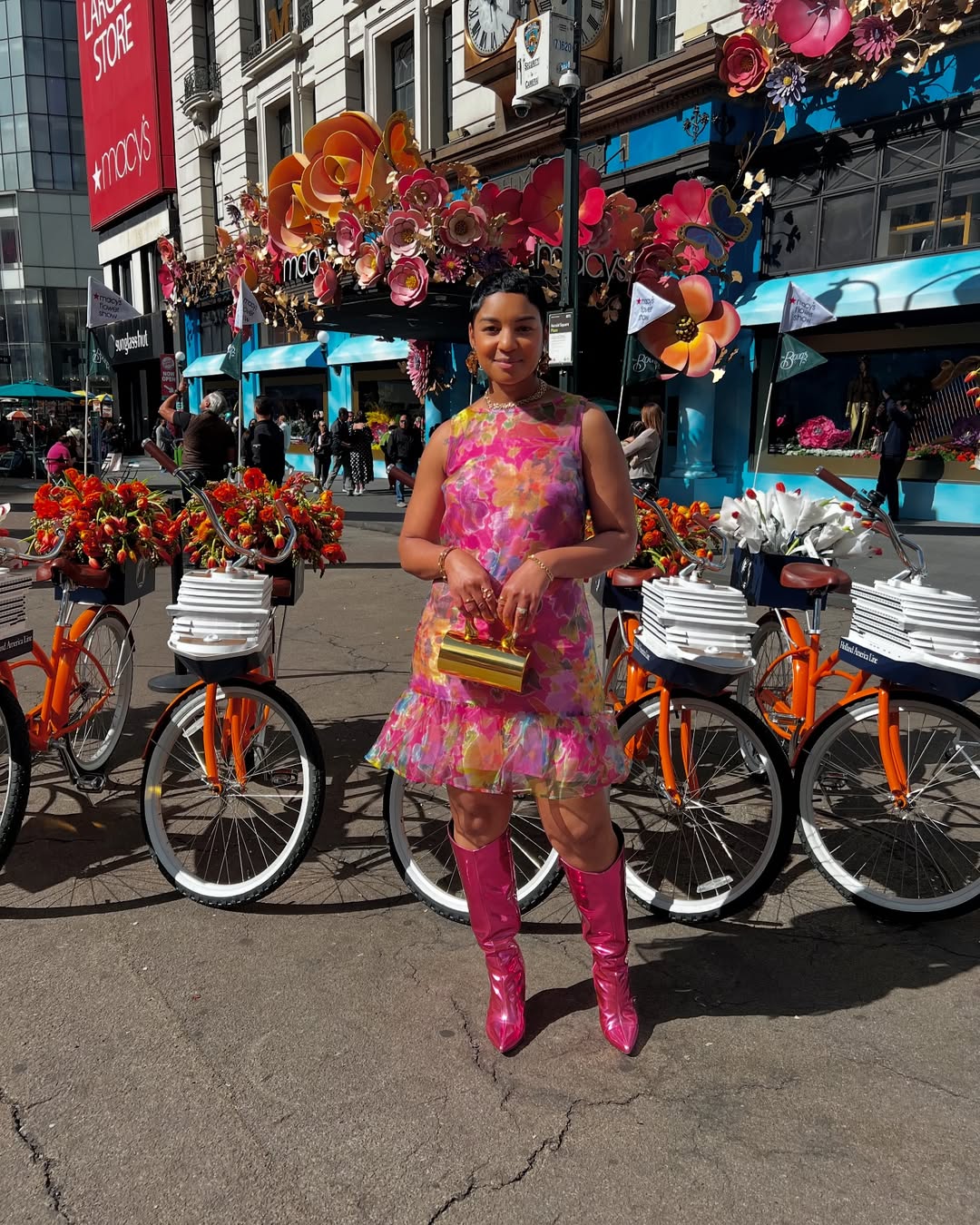
Layered, gathered, or cut with volume, these fabrics move in ways that feel almost cinematic. They photograph beautifully and wear lightly. In warmer climates like Lagos, they also make practical sense. Lightweight organza, in particular, is far more breathable than most people expect.
#3. Wonderful ruffles
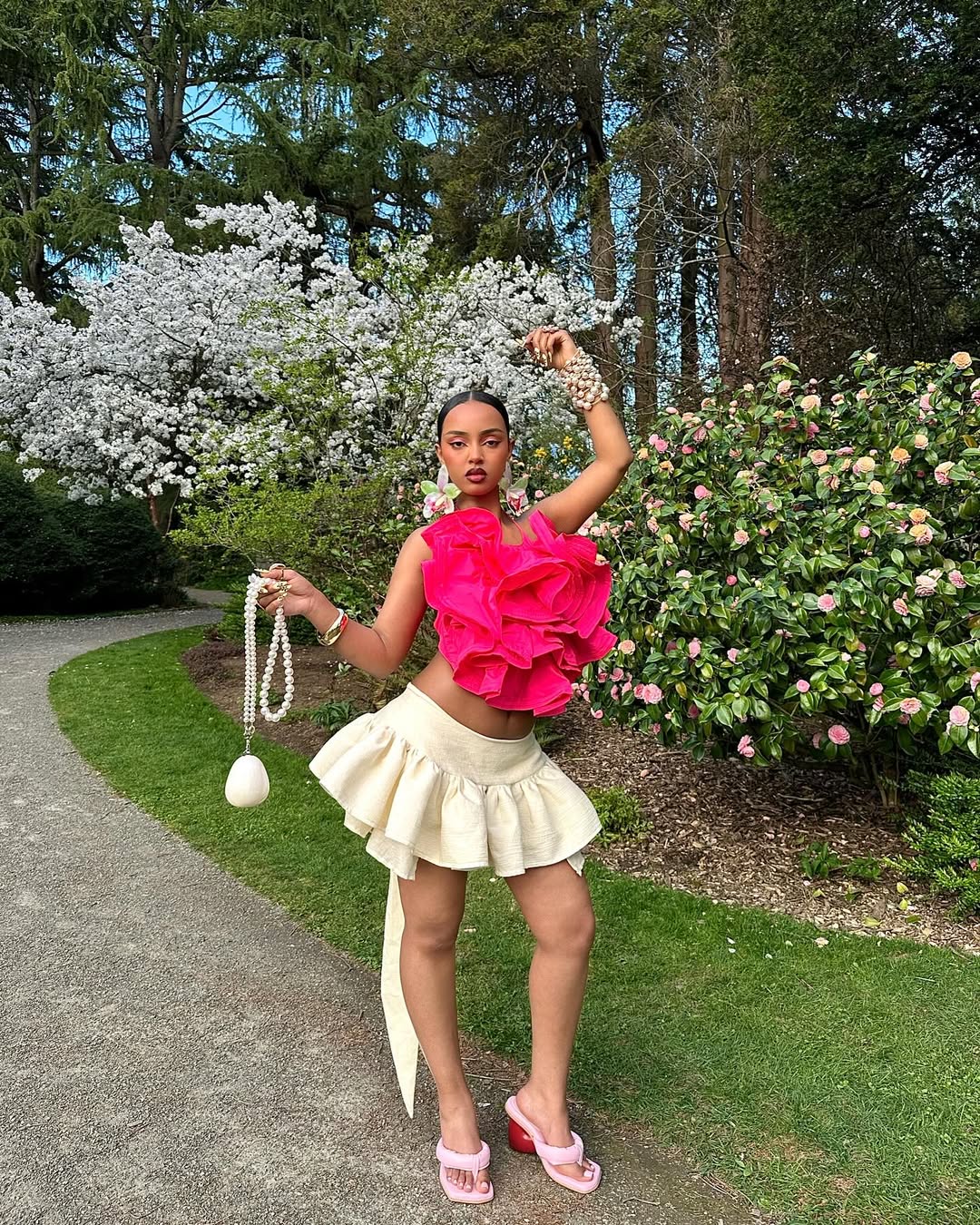
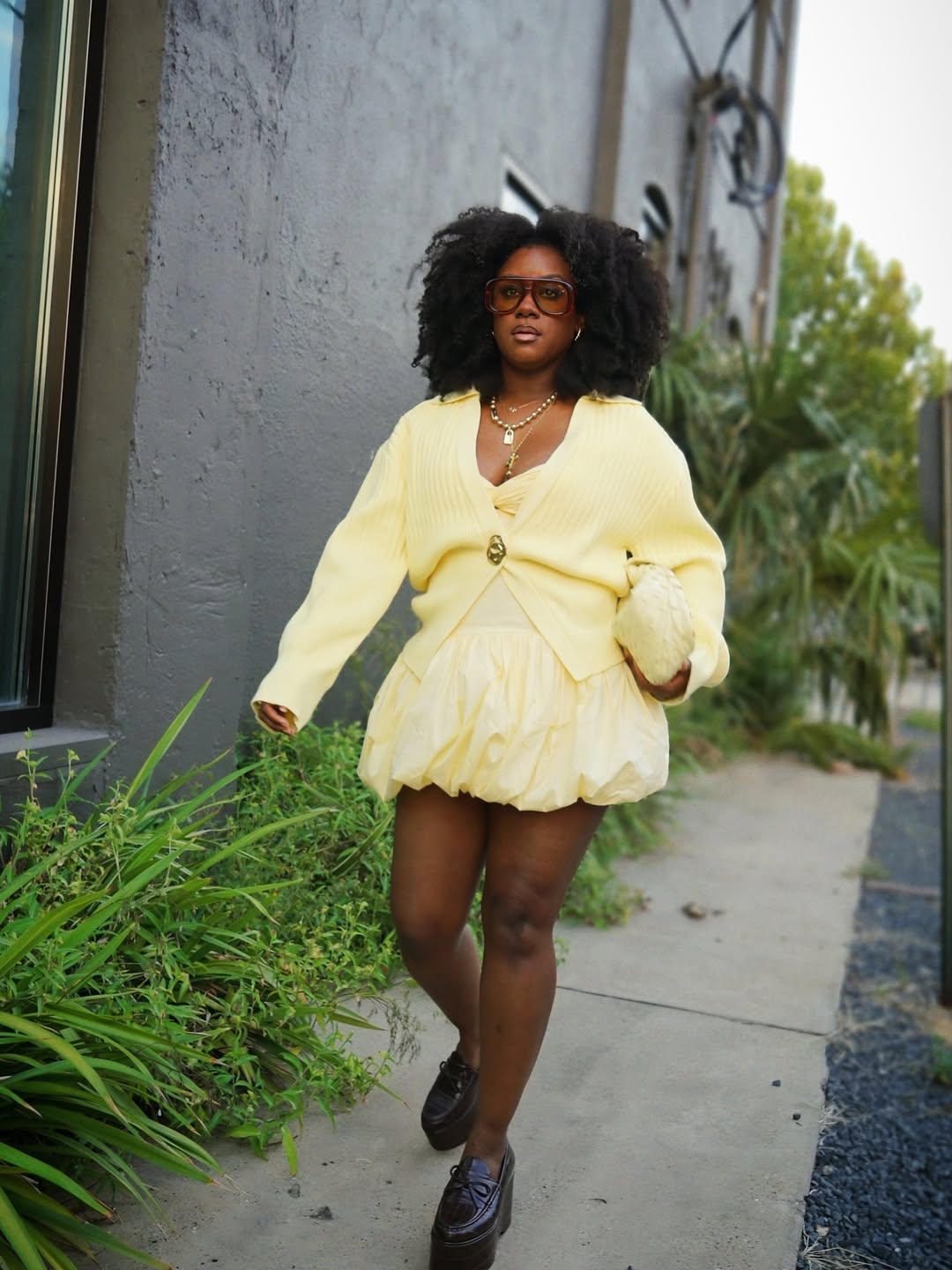
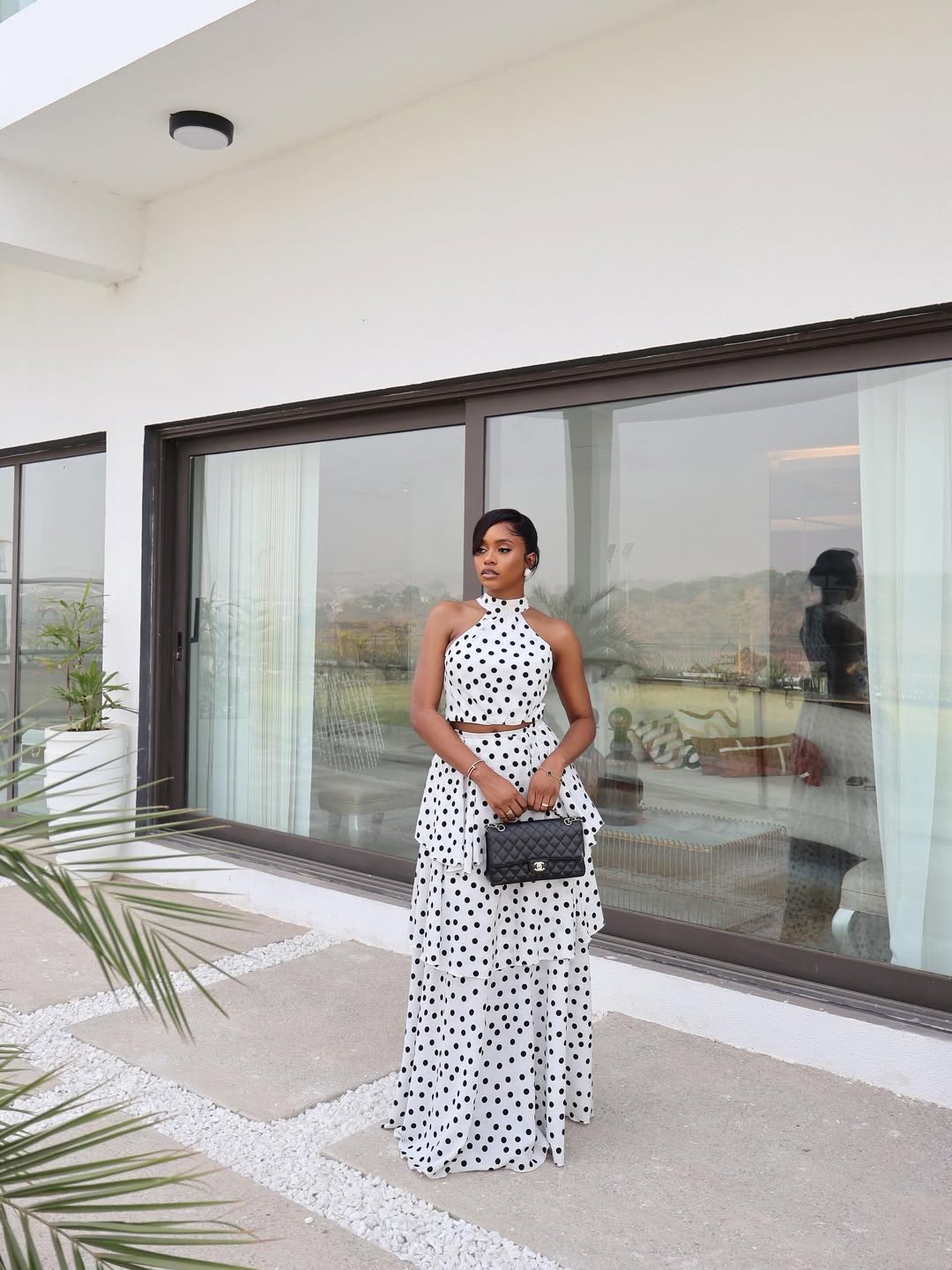
Ruffles have had a reputation problem in recent years, often dismissed as “too much.” That era is over. Statement blouses, ruffle-hem skirts, and dramatic sleeve details are back in rotation. The key is restraint: keep the rest of the look clean and let the ruffle carry the moment.
#4. Puffy sleeves
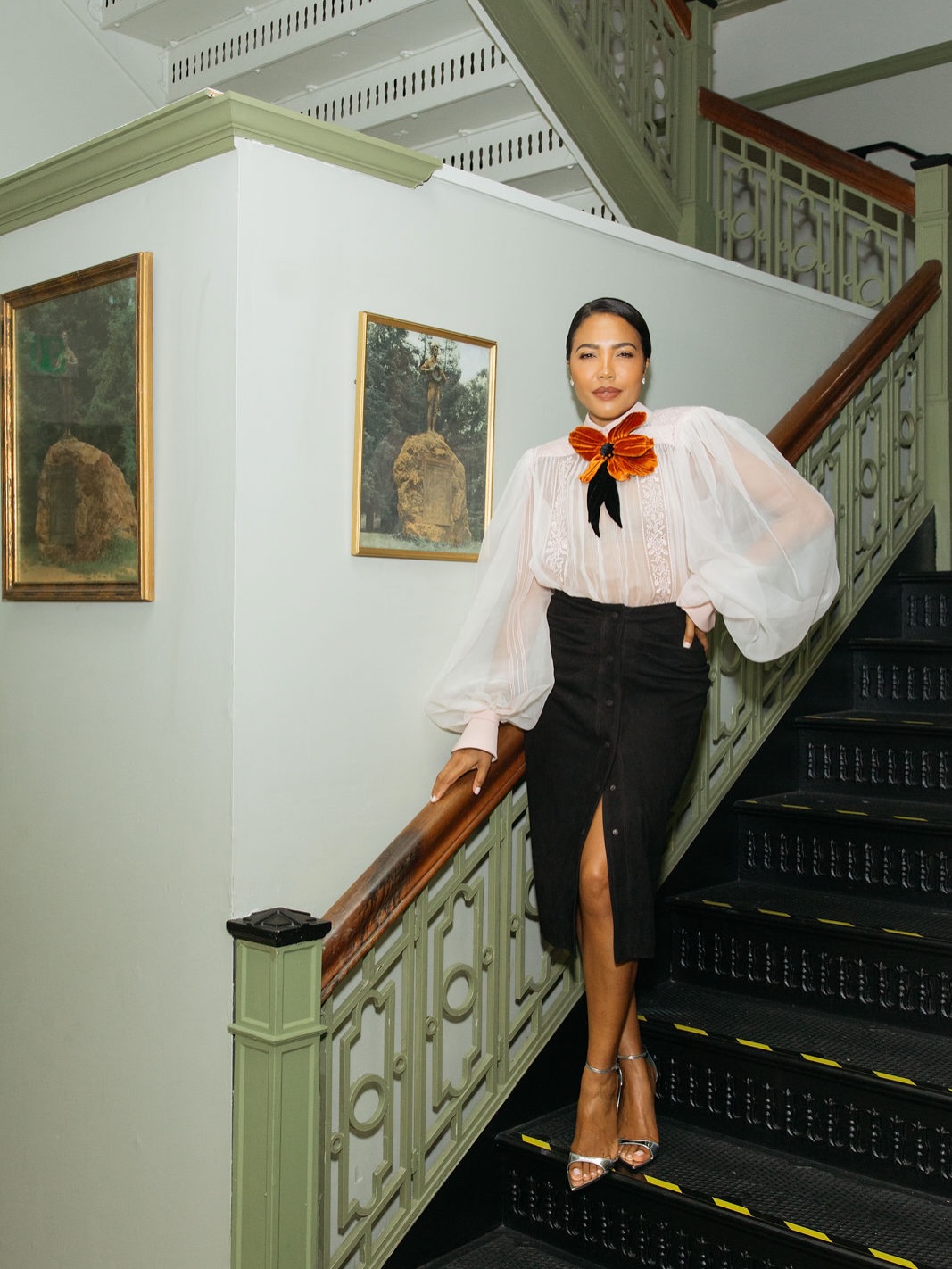
They never fully disappeared, but they’ve returned with more volume and presence. A puff-sleeve top paired with tailored trousers or pencil skirt is one of the easiest ways to achieve a polished, modern romantic look.
How to Wear the Trend Across Climates
#1. Warm regions
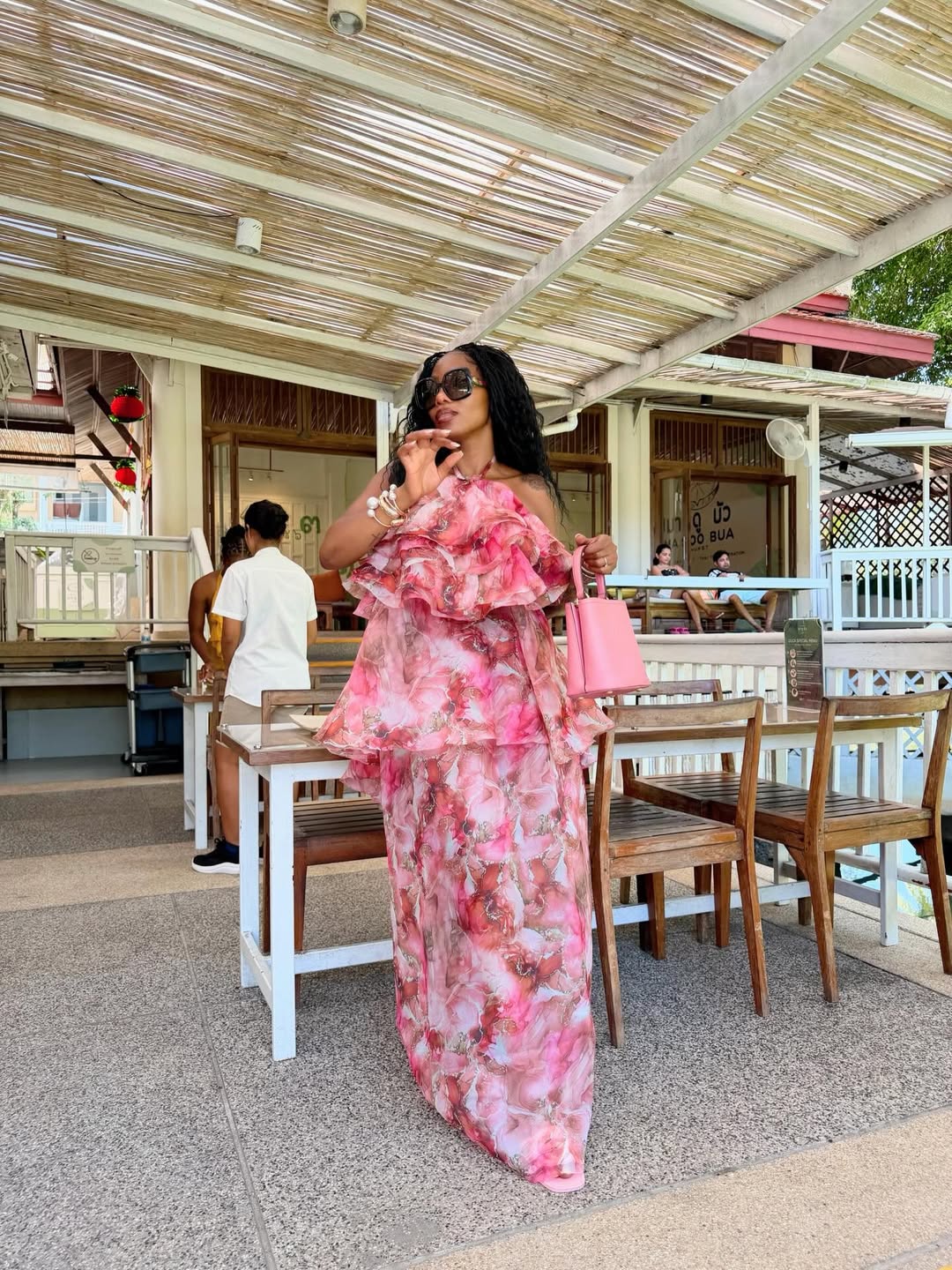
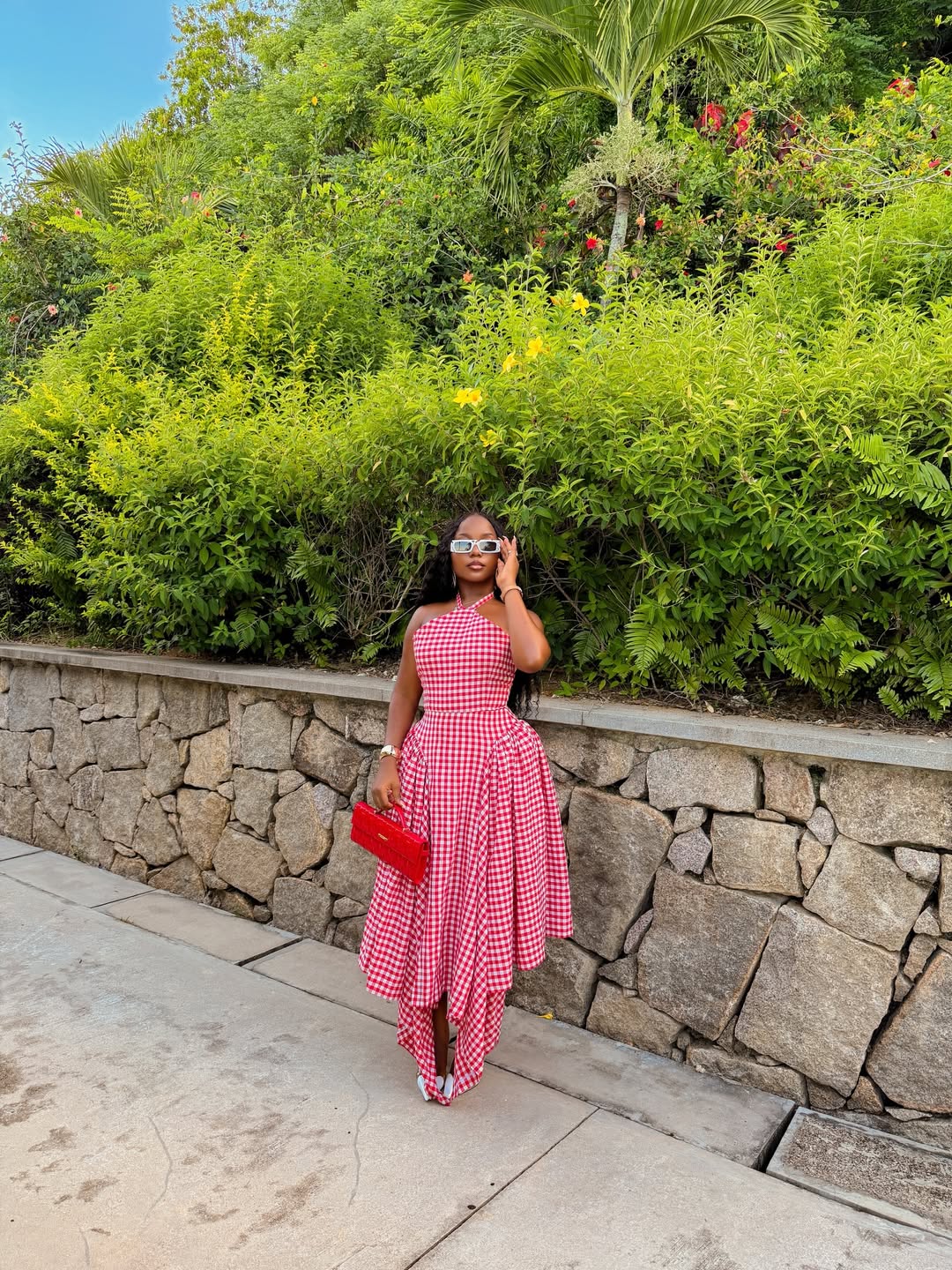
In warmer regions like Africa, lightweight fabrics are essential. Think organza, chiffon, and breathable cotton lace. A flowy dress in soft pink or ivory, paired with block-heeled sandals and minimal jewelry, strikes the right balance. It’s comfortable indoors and breathable outdoors. The new romantic era lends itself naturally to warm-weather dressing done well.
#2. Cooler climates
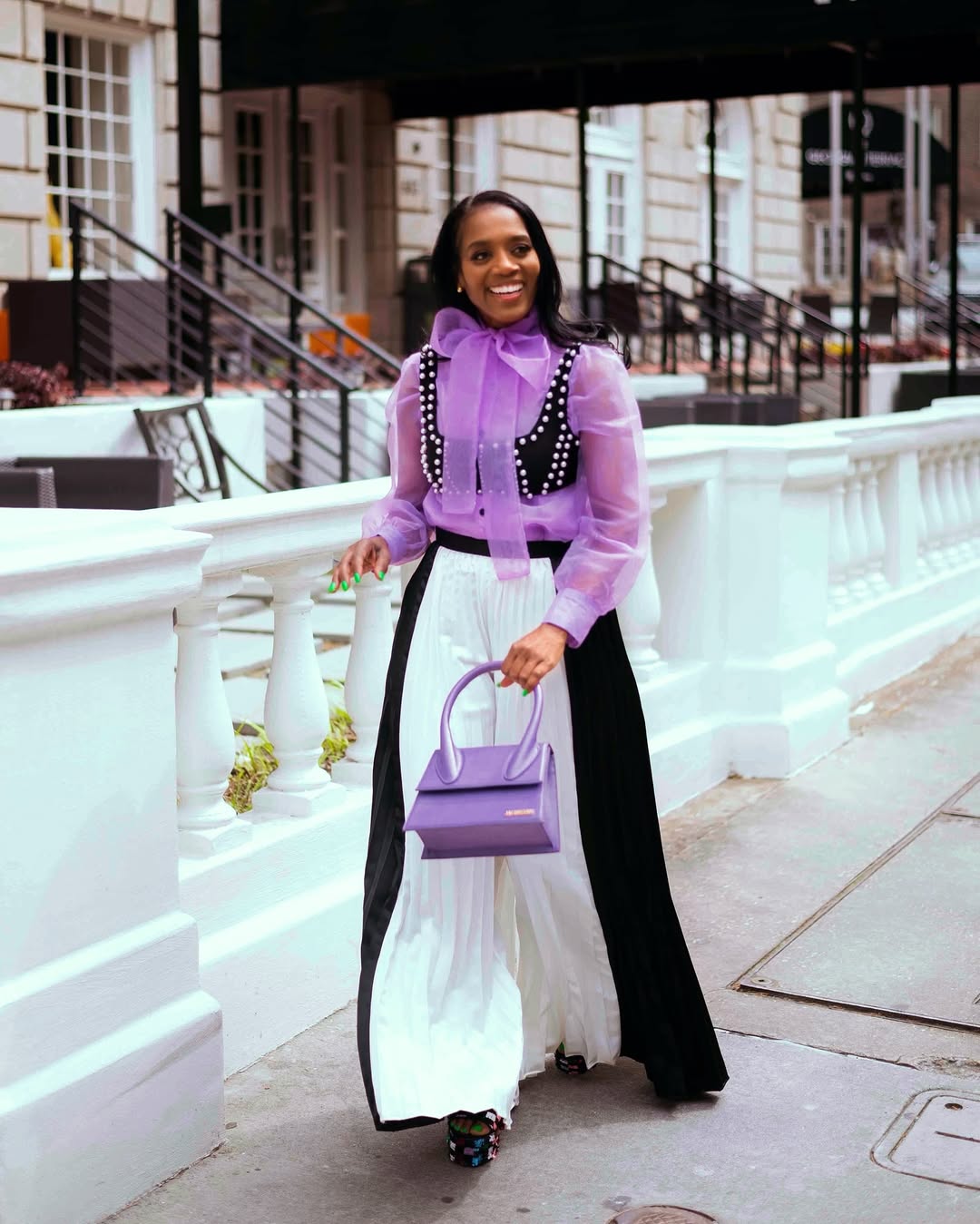
In cooler climates, layering becomes key. A sheer blouse tucked into wide-leg trousers and layered with a studded bralette does justice to the trend in spring and summer seasons. For fall and winter, throw on a structured coat. Otherwise, consider a lace midi dress paired with knee-high boots and a belted outer layer. Here, romantic elements become the inner highlight, adding softness and depth to otherwise practical outfits.
Femininity Redefined
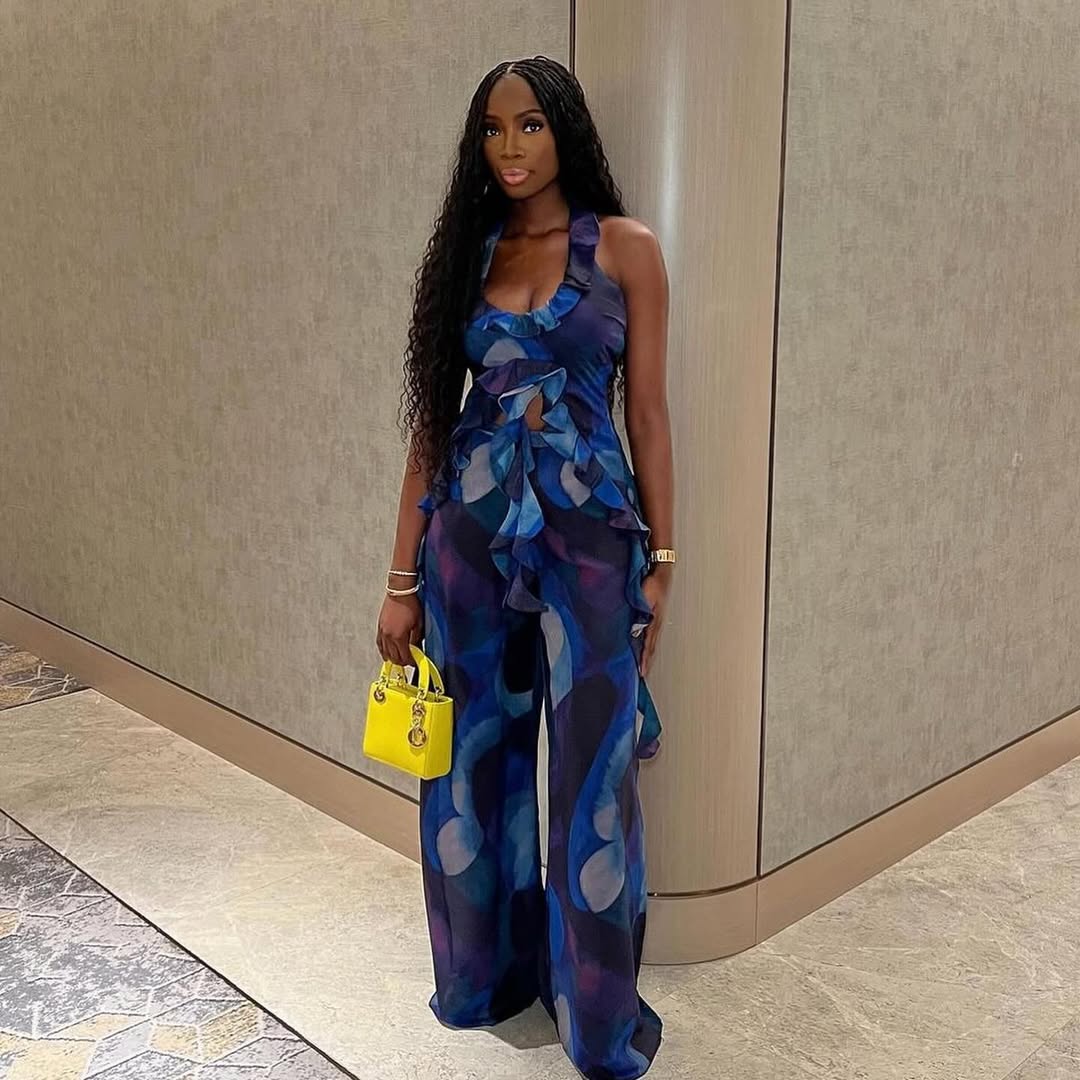
Perhaps the most compelling aspect of the new romantic era is who’s wearing it and how. Soft dressing is no longer confined to women. Men are embracing ruffled shirts, lace detailing, and fluid silhouettes across red carpets and everyday style. The aesthetic is no longer rigidly gendered; it’s open to anyone drawn to it.
Across cultures, the idea of “romantic” also shifts. In Nigeria, a heavily embroidered blouse paired with flowing palazzo trousers is its own interpretation, rooted in Yoruba fashion heritage. In West African ceremonies, silk aso-oke, draped elegantly, has always embodied a kind of romanticism. The trend didn’t invent this. It caught up to it.
Wear the ruffle. Wear the lace. Wear the piece that moves when you move, something that makes the world feel slower, softer, and more considered than it actually is. That’s what the new romantic era of fashion has been building toward all along.
Shop editor’s picks
Check out more ways style stars are leveraging soft dressing with steeze…
The post <em>The New Romantic Era:</em> Why Soft Dressing Is Back appeared first on Style Rave | The Ultimate Style Guide.