Gerry Conway, the visionary writer who fundamentally reshaped the landscape of superhero mythology, has died at 73. His wife, Laura Conway, confirmed he passed away Sunday at his home in Thousand Oaks, California, following a courageous battle with pancreatic cancer. Notably, the Brooklyn-born legend leaves behind a massive creative legacy that effectively bridged the Silver and Bronze ages.
Throughout a career spanning five decades, Conway famously transitioned from a teenage prodigy to an industry titan. Consequently, he became the architect of some of pop culture’s most enduring and controversial symbols, most notably Marvel’s lethal vigilante, “The Punisher.” His narrative choices often infuriated and thrilled fans simultaneously, yet they undeniably pushed comic books toward a more mature, emotionally realistic era.
The Prodigy Who Rewrote Spider-Man’s DNA
Gerry Conway, co-creator of The Punisher, has died at age 73
He was also known for writing the death of Gwen Stacy in The Amazing Spider-Man pic.twitter.com/j8GtOz5zKe
— Dexerto (@Dexerto) April 27, 2026
Gerry Conway entered the comic book industry with a velocity that remains virtually unmatched today. Born in 1952, he was a lifelong fan who published his first professional story at just 16 years old. Therefore, by the time he reached 19, he had already secured the most coveted seat in the medium, including succeeding Stan Lee as the writer for “The Amazing Spider-Man” in 1972.
Many creators might have played it safe while inheriting a flagship title from a living legend. However, Conway took a radically different path by choosing to inject genuine stakes into Peter Parker’s life. This boldness culminated in The Amazing Spider-Man #121, titled “The Night Gwen Stacy Died.” By killing Peter’s primary love interest, Conway shattered the long-standing status quo that the hero always saves the day.
Reflecting on that pivotal decision, Conway later admitted he found the character “boring as hell” and a “nonentity” compared to the more dynamic Mary Jane Watson. Nevertheless, that singular narrative choice serves as the definitive boundary between the whimsical Silver Age and the grittier Bronze Age. Consequently, generations of readers still view that bridge-top tragedy as the moment comics finally grew up.
Creating the Vigilante Icon: The Punisher
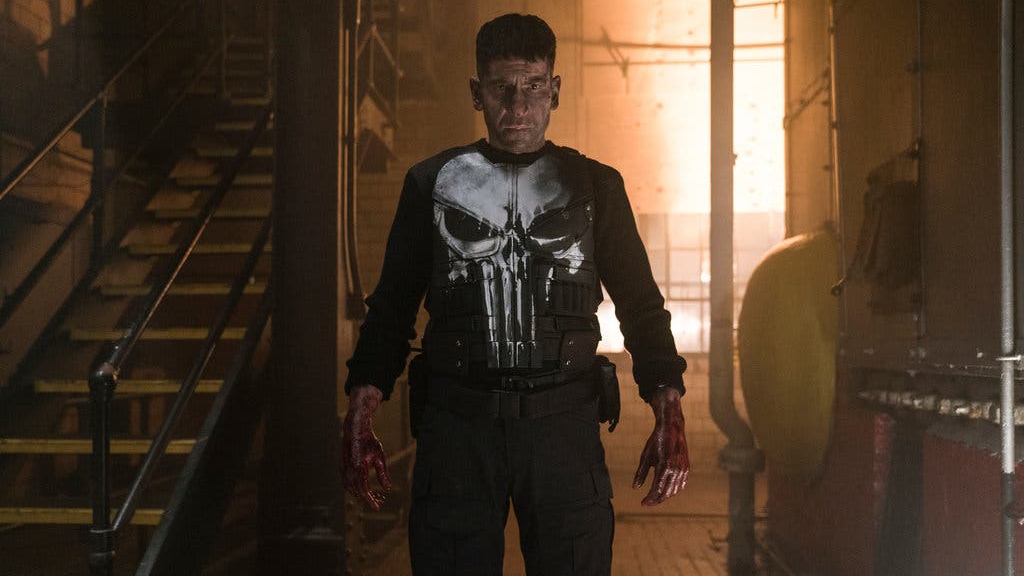
While the death of Gwen Stacy proved Conway could destroy icons, his creation of Frank Castle proved he could build them. In 1974, alongside artists John Romita Sr. and Ross Andru, he introduced “The Punisher” in “The Amazing Spider-Man #129.” Initially appearing as an antagonist, the character was a grim response to the rising crime rates and shifting social morality of 1970s America.
The Punisher’s iconic skull logo eventually became a global phenomenon, appearing on everything from blockbuster films and video games to military patches. Notably, Conway often expressed ambivalence about how the character’s uncompromising violence was interpreted in the real world. He explicitly stated that Frank Castle was a “morally compromised anti-hero” and not a figure intended for law enforcement emulation.
Despite the controversies, the character remains a cornerstone of the Marvel Cinematic Universe, recently popularized by Jon Bernthal’s gritty portrayal. Therefore, Conway’s contribution to the street-level hero archetype remains unparalleled. He successfully gave Marvel a character who operated outside the traditional moral boundaries, creating a template for dozens of subsequent anti-heroes.
A Prolific Legacy Across DC and Marvel
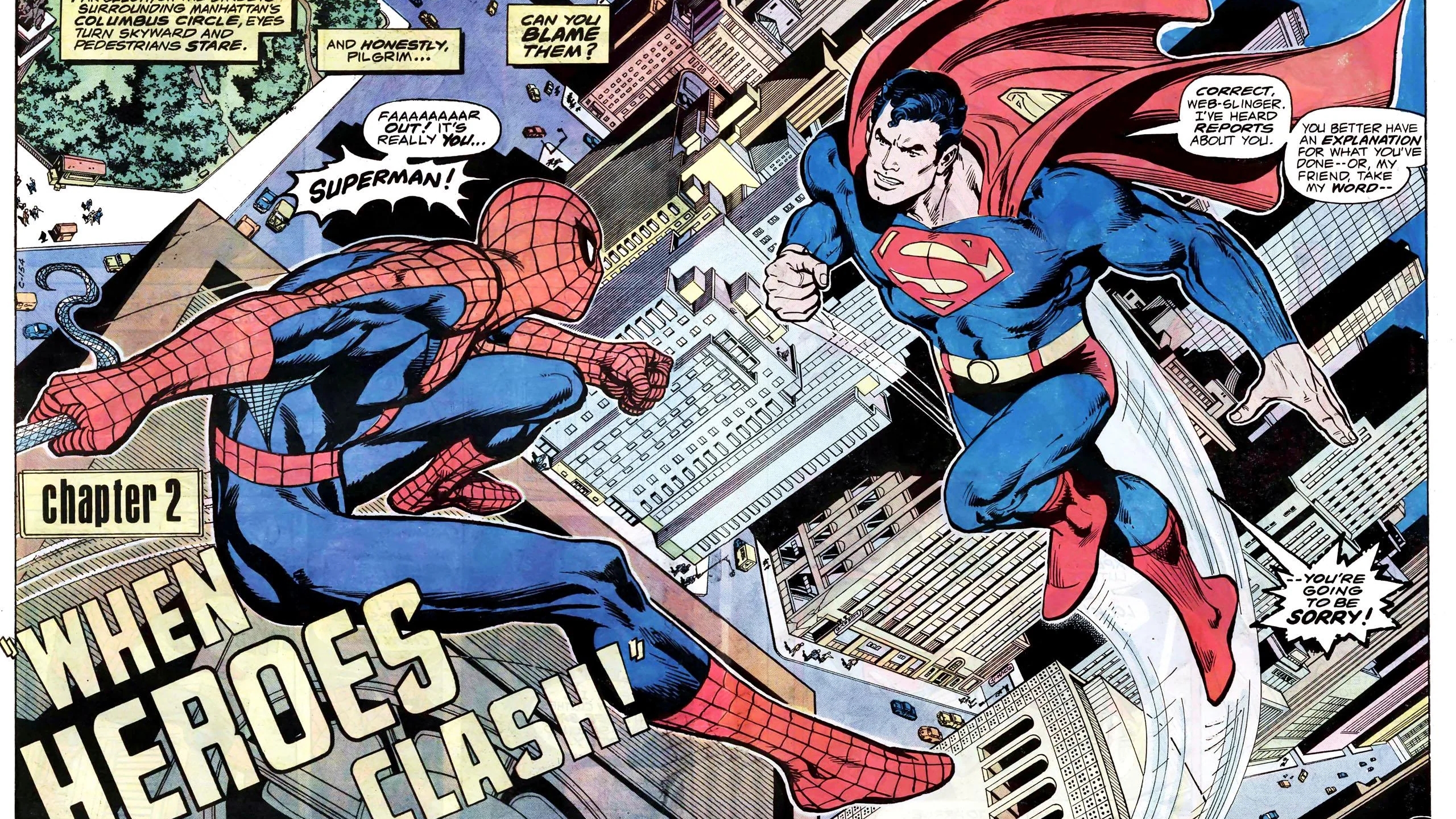
Conway’s influence was never restricted to just one publisher, as he famously hopped between the “Big Two” with ease. During his extensive tenure at DC Comics, he co-created characters who would become household names in their own right. For instance, he helped birth Firestorm, the second Robin (Jason Todd), the villainous Killer Croc, and the powerhouse Power Girl.
Furthermore, he served as the primary writer for Justice League of America for an impressive eight-year run. His versatility allowed him to write almost every major character in the superhero pantheon, from Batman to Superman. Notably, he also scripted the first-ever modern intercompany crossover, “Superman vs. The Amazing Spider-Man,” in 1976, a project that proved that corporate rivals could collaborate for the sake of the fans.
His career eventually expanded beyond the printed page and into the world of television and film. He wrote for legendary series like “Law & Order and Batman: The Animated Series,” bringing his sharp narrative instincts to millions of viewers. Consequently, his footprint is visible in virtually every medium that touches superhero mythology today.
Remembering the Architect of Modern Mythology

Marvel Studios President Kevin Feige recently praised Gerry Conway for bringing “real stakes” and human relatability to the medium. Indeed, his work was never just about capes and cowls; it was about the heavy cost of being a hero. Conway often noted that he wrote for the “youthful part” of himself, yet his stories resonated deeply with adults who craved complex purpose.
“From Spider-Man to the Avengers, Iron Man to Captain Marvel, Gerry Conway has deftly written almost every character in the Marvel Universe,” Marvel Comics editor-in-chief CB Cebulski said. “Gerry Conway’s legacy has made an undeniable and indelible impact on the Super Hero stories we know and love. He will be dearly missed.”
Conway faced his final health battle with the same grit that defined his characters, having initially been diagnosed with pancreatic cancer in 2022. Although he briefly declared himself cancer-free in late 2023, the disease ultimately returned. Even in his final years, he remained a vocal and passionate advocate for the integrity of the stories he helped build.
Gerry Conway leaves behind his wife and two daughters, along with a universe of characters that will outlive us all. He was an icon who understood that for a hero to truly matter, they had to be able to lose. Therefore, the world of comics is significantly dimmer today, but the light of his creativity continues to shine through every skull-chested shirt and web-swinging tragedy.
Featured image: @gerryconway/Instagram
—Read also
The post Gerry Conway, The Comic Writer Behind Marvel’s Punisher, Dies At 73 appeared first on Style Rave | The Ultimate Style Guide.