There’s a particular kind of watch that doesn’t get nearly enough credit, the one you actually reach for every single morning. Not the piece locked in a watch box for special occasions, and not the flashy option you wear to make a statement. Just the watch that fits every outfit, survives every situation, and never once makes you anxious about wearing it. That watch is harder to find than it sounds, and it gets even harder when you factor in the cost of entry into mechanical watchmaking. That’s exactly the space Christopher Ward has been carving out for years. And with the 2026 refresh of its Sealander collection, the brand makes its strongest case yet.
The updated Sealander GMT and Sealander Automatic aren’t just iterative updates; they represent a genuinely meaningful step forward in engineering, design, and everyday wearability. At these price points, the conversation becomes difficult to ignore.
A Brand That’s Found Its Footing
It’s worth taking a step back to appreciate how far Christopher Ward has come. For a long time, the company was best known for producing well-executed homage watches, pieces that borrowed heavily from Rolex and Omega, but offered genuine Swiss quality at a fraction of the price. That reputation served the brand well, but it also kept it boxed in. Today, Christopher Ward feels more confident and self-assured. The Sealander collection sits at the heart of its identity: approachable, honest, and built for real life.
The line has become one of the brand’s highest-volume platforms, and it’s easy to see why. It threads the needle between tool watch and everyday companion without feeling like a compromise in either direction.
Shop new additions
What’s Actually New: The Sealander Automatic
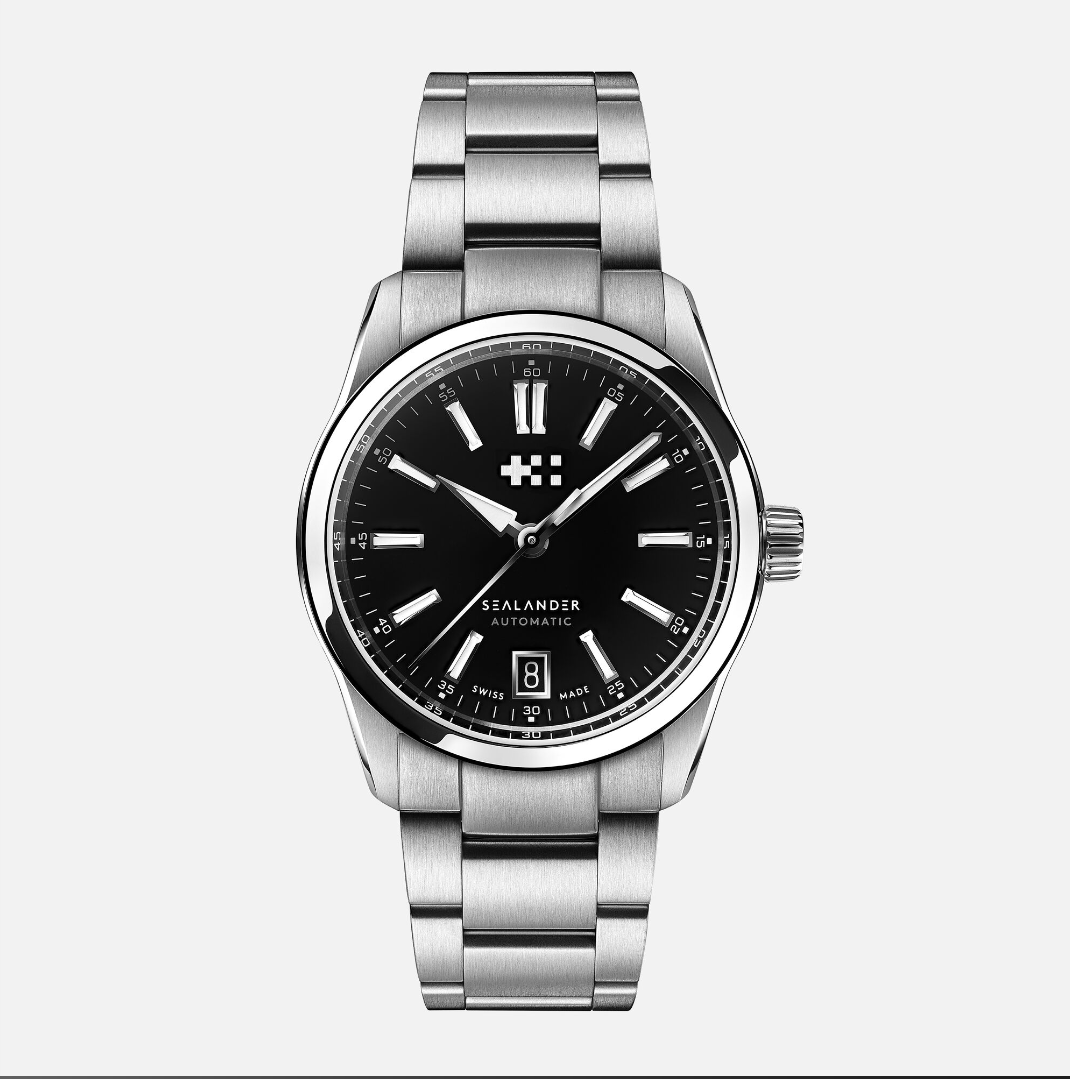
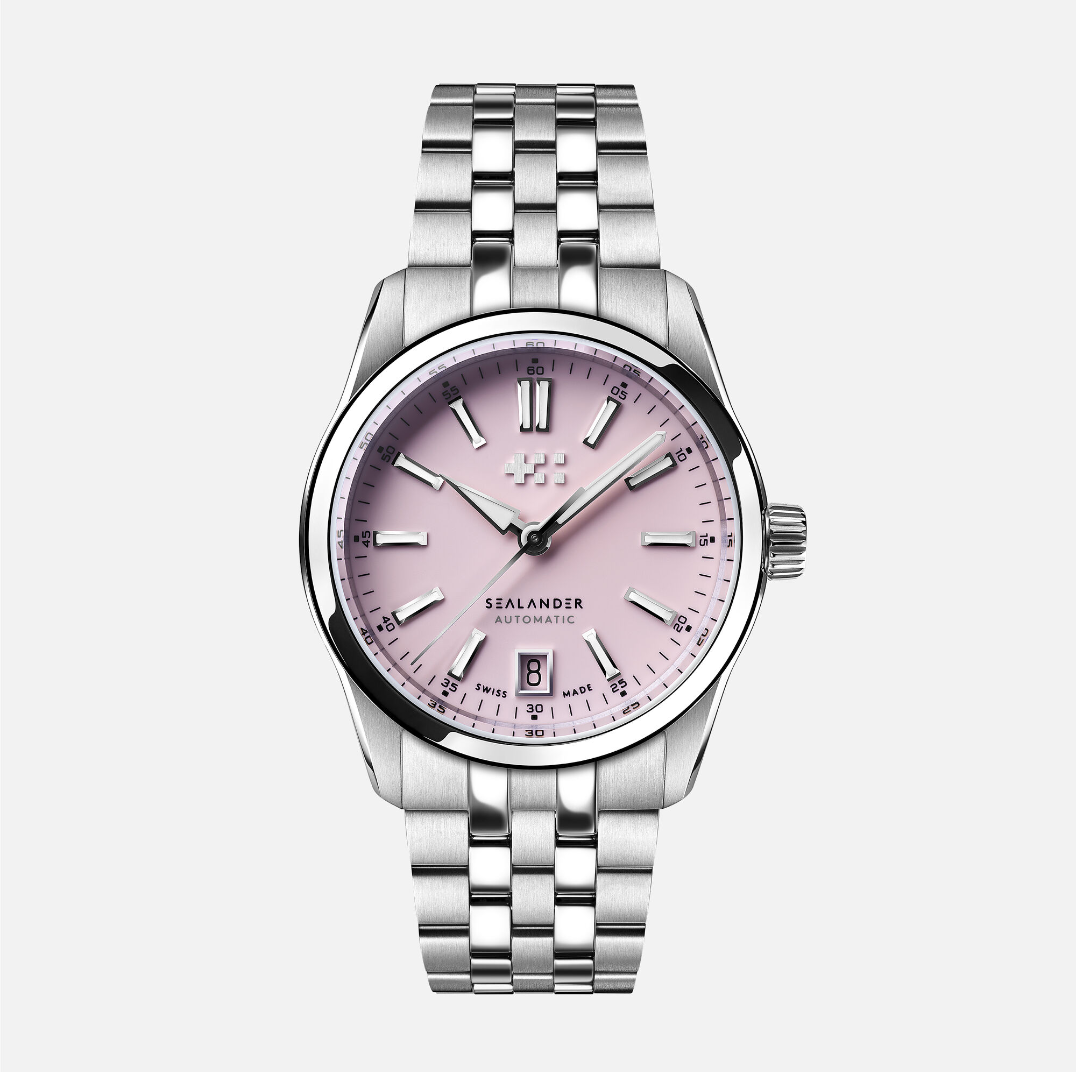
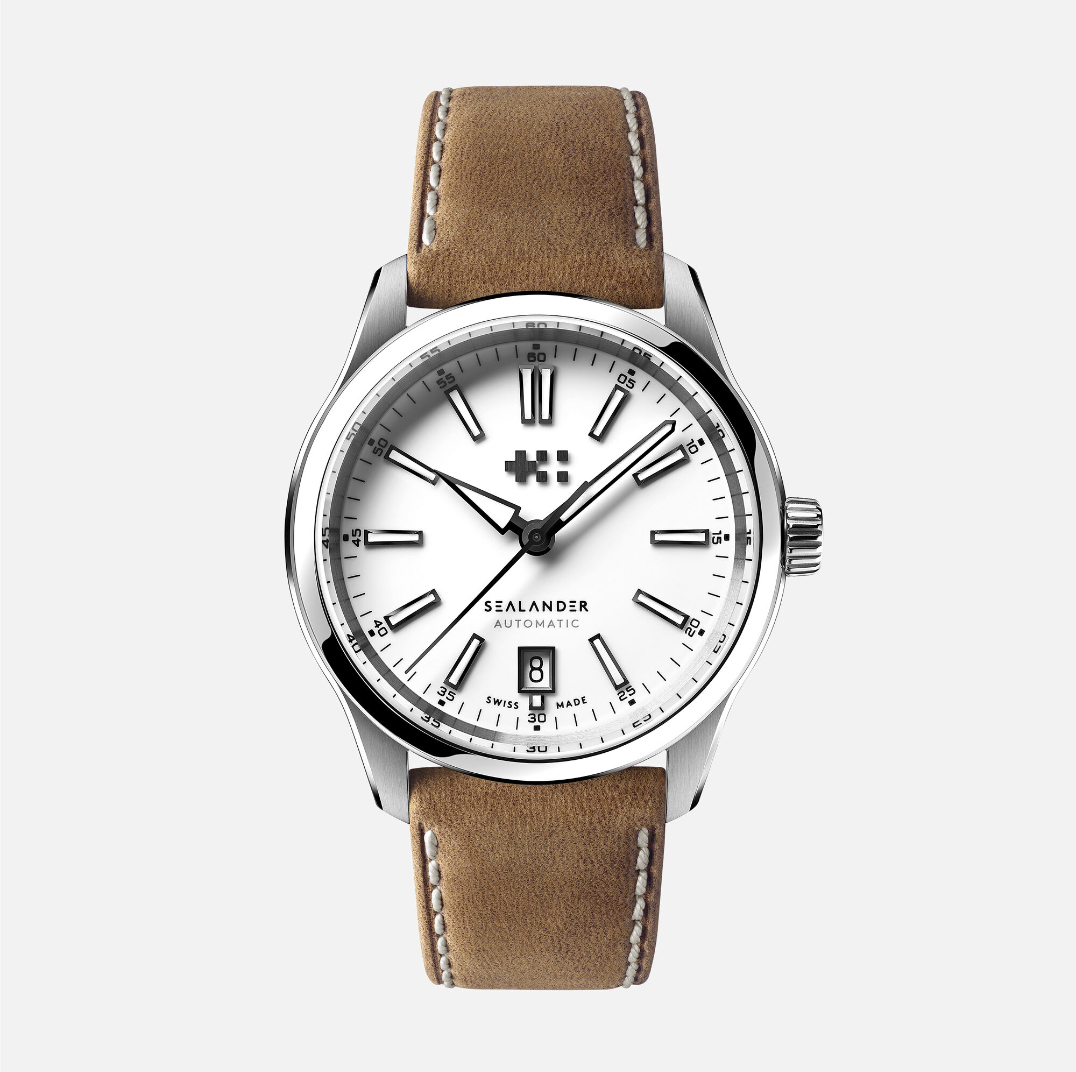
The Sealander Automatic receives the most meaningful mechanical upgrade of the two. It’s among the first watches to use the new Sellita SW200-2 Power+ caliber, a movement that sounds like a minor spec bump until you look at the numbers. Power reserve jumps from 38 hours to 65 hours, nearly three full days. That’s not just a bragging-rights improvement; it’s the difference between a watch that stops on your day off and one that keeps running through a long weekend without any fuss.
The case has also been slimmed down, measuring just 10.6mm thick in the 36mm version. That’s genuinely slim for a sport-adjacent watch, and it shows on the wrist. The polished bezel adds a slightly dressier edge, opening it up to more formal settings without feeling out of place. It’s available in 36mm and 39mm, with five dial colors across the two sizes: white, black, and sky blue in both, a pink exclusive to the 36mm, and a pistachio green reserved for the 39mm.
What’s New: The Sealander GMT
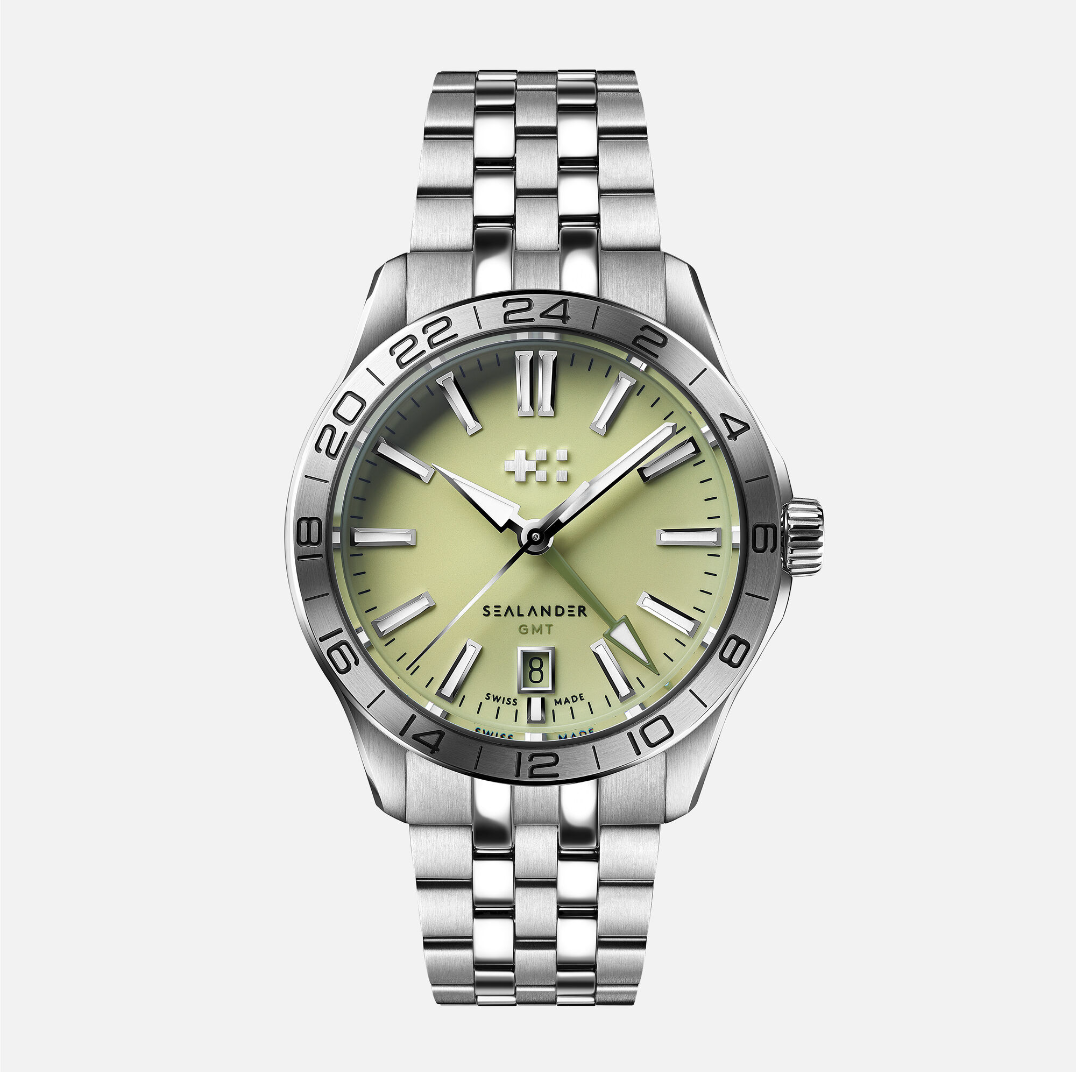
The GMT model gets a sharper redesign, now available in three case sizes: 36mm, 39mm, and 42mm, giving it a wider reach than ever before. It’s powered by the Sellita SW330-2, offering a 56-hour power reserve and “caller” GMT functionality. In practical terms, that means you can independently adjust the 24-hour hand to track a second time zone without affecting the main hour hand. For travelers or remote workers juggling multiple time zones, this is the kind of quiet utility that makes a watch genuinely useful rather than just interesting.
The fixed steel bezel with 24-hour markers makes the GMT feel purposeful, while the lacquered dial options—white, sky blue, black, and pistachio—are clean and legible without feeling sterile. Water resistance sits at 150 meters, more than enough for everyday use and most water activities short of serious diving.
The iLink Bracelet is a Bigger Deal Than It Sounds
Both models debut what Christopher Ward calls the iLink bracelet system, a tool-free link adjustment mechanism built into both the Bader and Consort steel bracelet options. Press a button, slide a link out, click it back in. No screwdriver, no jeweler, no scratched steel.
It sounds like a small quality-of-life upgrade until you’ve spent twenty frustrating minutes resizing a bracelet the old-fashioned way. This is the kind of thoughtful detail that signals a brand paying attention to how people actually wear their watches.
The Price Makes the Argument For You
Here’s where things get uncomfortable for the competition. The Sealander Automatic starts at $1,150 on a leather strap, while the GMT begins at $1,535. At those prices, you’re getting a Swiss-made mechanical movement with a class-leading power reserve, a refined and versatile case, multiple size options, considered dial choices, and a bracelet system many brands haven’t bothered to innovate, at twice the price.
Christopher Ward watches have always punched above their weight in terms of build quality and finishing. This new generation reinforces that reputation. Whether you’re new to mechanical watches or adding a reliable workhorse to a growing collection, the 2026 Sealander lineup offers a compelling answer to what the best everyday watch under $2,000 looks like right now.
The answer, it turns out, might already be on your wrist.
Featured image: Christopher Ward (edited)
—Read Also
The post Christopher Ward Gives Major Updates To The Sealander Collection For 2026 appeared first on Style Rave | The Ultimate Style Guide.