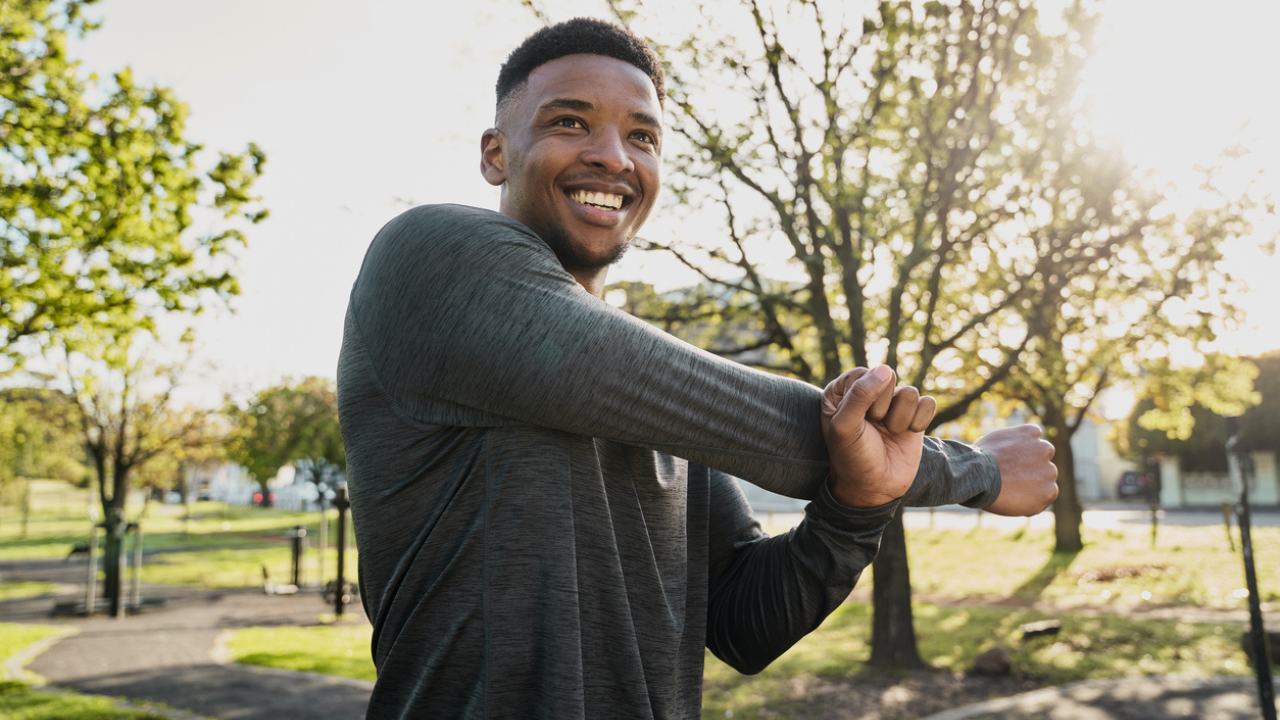
The longevity boom is real, and it’s reshaping how millions of men approach their health. Walk into any gym, scroll through any wellness podcast, or browse any supplement brand, and you’ll see the same commitment playing out: men are investing serious time, money, and discipline into living longer. Cold plunges, VO₂ max testing, sleep tracking, Zone 2 cardio—the toolkit keeps expanding. And yet, for all the progress, most men are still missing one of the most powerful longevity levers available to them. It has nothing to do with what they eat, how they train, or which supplements they stack. It has everything to do with how they handle their emotions.
This isn’t a soft topic dressed up in wellness language. It’s one of the most evidence-backed interventions for extending both lifespan and quality of life, and it’s being almost entirely ignored in the spaces where men go to learn how to live better.
The Gap Nobody’s Talking About
Spend time in the world of men’s health content, such as Huberman Lab, Modern Wisdom, or The School of Greatness, and you’ll notice a reliable pattern. The conversation consistently centers on diet, exercise, sleep, hormones, and supplements. These are critical pillars, no question. But one pillar is almost never mentioned: emotional regulation.
This gap isn’t just a cultural curiosity. It’s a health risk. The former U.S. Surgeon General has warned that social disconnection carries a mortality risk comparable to smoking. Research on chronic anger suggests it can be a stronger predictor of heart disease than many traditional risk factors. Loneliness has been linked to a mortality risk similar to obesity. Anxiety and depression are known to accelerate the decline of nearly every bodily system.
These aren’t fringe findings. They’re established science, yet they rarely make it into the conversation about men’s longevity.
What Harvard’s Longest Study on Happiness Actually Found
Harvard’s 80-year Study of Adult Development, one of the most comprehensive longitudinal studies ever conducted, produced a finding that challenges much of what men are told to prioritize. The single strongest predictor of health and lifespan wasn’t income. It wasn’t cholesterol levels or muscle mass. It was the quality of close relationships.
Men, statistically, are struggling here. They’re more likely than women to report having few or no close friends, and more likely to withdraw under stress rather than reach out. This isn’t a personality quirk; it’s a health vulnerability. Emotional isolation erodes performance at home, at work, and in leadership. And it compounds over time.
The Skills Nobody Taught Us
For generations, boys have been told to “man up,” toughen up, and push feelings aside. Developmental psychologist Niobe Way, who has spent decades studying boys’ emotional lives, documents the cost of this conditioning. Boys often begin with emotionally close friendships, then gradually lose them as adolescence pushes vulnerability out of the picture. By adulthood, many men lack both the emotional vocabulary and the trusted relationships that protect long-term health.
The data reflects this. In the U.S., men are about four times more likely to die by suicide than women and account for roughly three-quarters of deaths from suicide and drug overdoses. Suppression may look like strength from the outside. Internally, it elevates stress hormones, shortens emotional tolerance, and cuts men off from the relationships that sustain them.
What Emotion Regulation Actually Means
Here’s where many men get it wrong: emotion regulation doesn’t mean controlling or hiding emotions. It means managing them intentionally and constructively, well enough to make decisions aligned with your goals rather than reacting on autopilot.
It’s the skill that determines whether, under stress, you reach for a drink, snap at a colleague, or skip a workout, or whether you pause, recalibrate, and move forward with intention.
Among the many longevity strategies men pursue, this is the one with the widest reach. When emotional regulation improves, nearly every other health behavior improves with it. Sleep quality, relationship quality, training consistency, and decision-making under pressure all get better.
Where to Start
The encouraging reality is that emotional regulation is trainable at any age. A few practical entry points:
- Label what you’re actually feeling. Many men default to “stressed” or “angry,” when the real emotion might be overwhelmed, betrayed, or afraid. Precision matters; it points you toward the right response instead of leaving you reactive.
- Build in a pause before responding. Think of it as an athletic reset. Before a heavy lift, athletes breathe and center themselves. The same principle applies before a tense conversation with a partner, colleague, or child.
- Reframe internal scripts. “I have to do this alone” or “I’m failing” are common, destructive loops. Replacing them with more accurate thoughts, such as “I can ask for help and still lead,” isn’t denial. It’s better data.
- Build emotional allies. Since relationship quality is directly tied to health and lifespan, reaching out isn’t weakness; it’s strategic. It expands your capacity to lead, endure, and live longer.
Redefining What Strength Looks Like
If you’re serious about longevity, the physical work matters. But the men who gain not just more years, but better years, are the ones who recognize that emotional fitness is part of the equation.
Mastering your emotional life doesn’t weaken you. It makes you a steadier leader, a more present partner, a sharper thinker, and a more trusted ally. That’s not a soft outcome. That’s the whole point. Among all the longevity strategies circulating right now, this one may deliver the highest return on investment, and it’s entirely learnable, starting today.
Featured image: Lyndon Stratford/iStock
—Read Also
The post <em>Beyond Diet And Fitness:</em> The Longevity Hack That Actually Matters For Men appeared first on Style Rave | The Ultimate Style Guide.