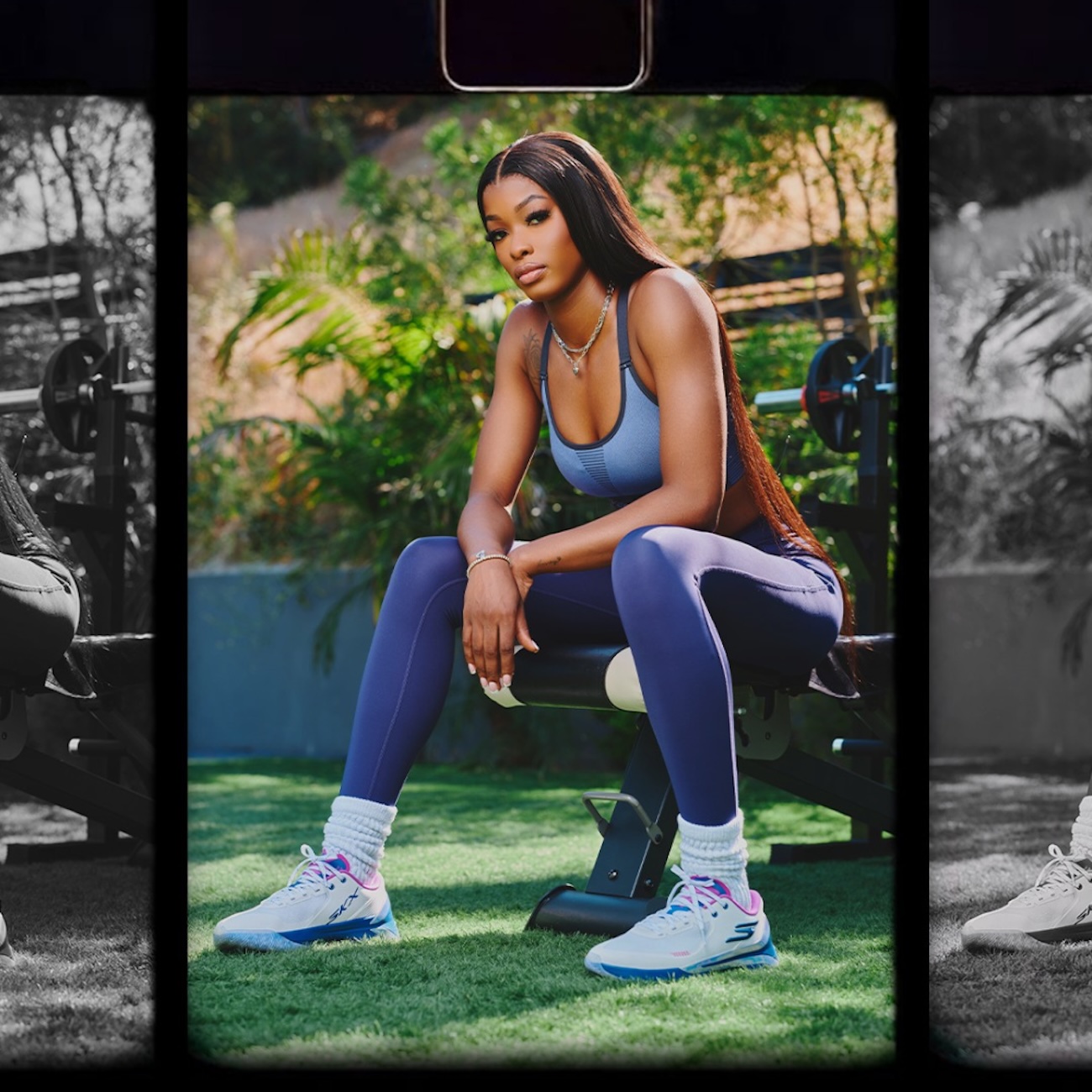
Skechers is no longer watching from the sidelines of the performance basketball world. The global footwear powerhouse has officially deepened its investment in women’s basketball by signing a multiyear partnership with the WNBA as an official league sponsor.
The announcement arrives at a pivotal moment for the league, which just entered its landmark 30th season amid unprecedented commercial momentum. As a result, Skechers is making a calculated push to challenge the dominance of legacy basketball brands while tapping into one of the fastest-growing properties in sports.
The Performance Pivot: From Lifestyle Giant to Basketball Contender
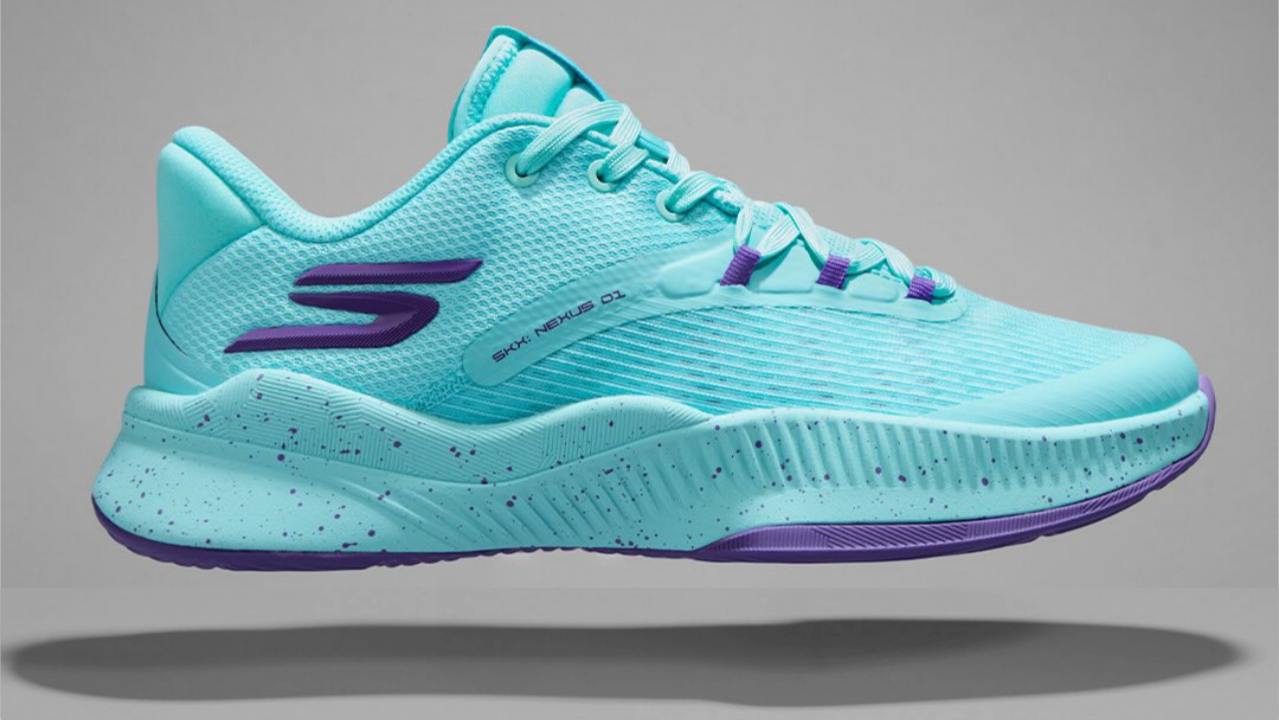
For years, Skechers built its global reputation on comfort-focused lifestyle footwear. However, the company’s transition into elite performance sports has accelerated rapidly over the last two seasons. After establishing credibility in the NBA through partnerships with stars like Joel Embiid and Julius Randle, the move into the WNBA marks another major step in the brand’s basketball expansion.
The foundation for this partnership was laid in 2024 when Rickea Jackson became the first player to wear Skechers basketball sneakers during a WNBA game. Since then, the company has expanded its roster with Jackie Young of the Las Vegas Aces and rising star Kiki Iriafen, signaling a stronger long-term commitment to the women’s game.
Importantly, the partnership extends beyond logo placement and marketing campaigns. David Weinberg, Skechers’ Chief Operating Officer, described the agreement as part of the company’s broader mission to elevate athletes at every level of basketball. At the center of that strategy is Skechers’ “Comfort That Performs” philosophy, which aims to combine technical innovation with modern style.
Chasing the Renaissance: The WNBA’s Commercial Surge
View this post on Instagram
The timing of the deal is far from coincidental. Over the last two years, the WNBA has experienced explosive commercial growth, transforming itself into one of the most valuable emerging properties in professional sports.
In 2024, the league reportedly drew more than 54 million unique viewers across major broadcast platforms. Attendance also surged by nearly 50% year over year, while merchandise demand skyrocketed at major retailers such as Dick’s Sporting Goods. Much of that momentum has been fueled by a new generation of stars, including Caitlin Clark and Angel Reese, whose arrival dramatically expanded the league’s cultural reach.
Brands are no longer approaching women’s basketball as a symbolic investment. Instead, companies increasingly view the WNBA as a premium platform capable of delivering young, engaged, and digitally native audiences. That momentum has also encouraged a wave of new corporate partnerships across the league in 2026, including deals with brands such as M&M’S and Procter & Gamble.
At the same time, rising team valuations and expanding media-rights agreements have increased the urgency for brands hoping to secure a foothold before sponsorship costs climb even higher. By entering now, Skechers positions itself early in what many executives believe is the next major growth era for women’s sports.
The Sneaker Wars Are Expanding Into Women’s Basketball
View this post on Instagram
For decades, basketball footwear was largely controlled by industry giants like Nike and Adidas. Today, however, the competitive landscape looks very different. Brands such as New Balance, Puma, and Skechers are aggressively targeting women’s basketball as a key battleground for future growth.
That shift reflects changing consumer behavior. Younger audiences increasingly value authenticity, accessibility, and athlete-driven storytelling over traditional exclusivity marketing. While Nike continues to dominate through limited releases and signature hype culture, Skechers is pursuing a broader strategy centered on comfort, availability, and mass-market accessibility through its worldwide retail footprint.
Equally important, the brand now has credible on-court ambassadors to support its basketball identity. Jackie Young’s championship success while wearing Skechers sneakers helped validate the brand’s performance legitimacy in a category where authenticity matters deeply. Young herself recently noted that the timing “feels perfect” for Skechers to officially partner with the league as more players begin embracing the brand on the court.
Tunnel Fits, Social Media, and the Business of Influence
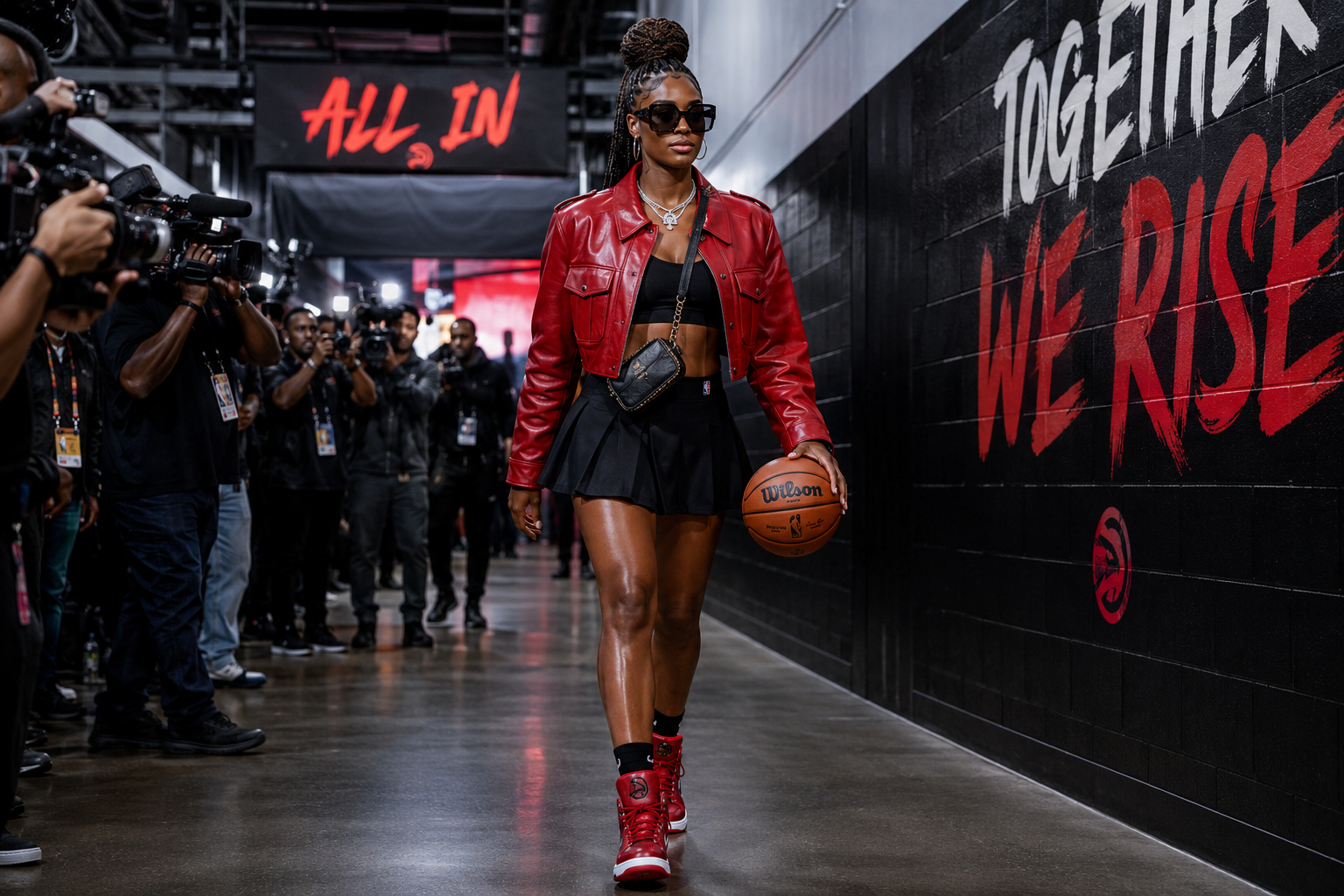
Modern sports marketing extends far beyond 48 minutes of game time. In today’s digital ecosystem, pregame tunnel walks have effectively become fashion runways, where player outfits and sneaker choices are analyzed by millions across social media.
For Skechers, that presents a unique opportunity. On one hand, the company can showcase performance models such as the SKX Full-Court Press during games. On the other, it can leverage lifestyle products within the WNBA’s increasingly influential fashion culture.
The league has become one of the strongest intersections of sports, style, and entertainment. Therefore, the partnership will likely extend into content creation, athlete storytelling, and digital engagement strategies designed to resonate with younger audiences.
Players are also demanding greater involvement in product development. Rickea Jackson recently explained that Skechers frequently seeks athlete feedback on everything from design to functionality, creating a more collaborative relationship between brand and player. That level of involvement has become increasingly important as athletes prioritize partnerships that align with both their performance needs and personal identities.
A Defining Moment for the Future of Women’s Basketball
As the WNBA prepares to expand to 16 teams by 2028, partnerships like this reflect the league’s growing financial stability and cultural relevance. Major global companies are no longer cautiously observing women’s sports from a distance. Instead, they are committing long-term resources because they recognize the league’s sustained momentum and expanding influence.
Ultimately, the success of Skechers’ investment will depend on whether visibility on WNBA courts translates into stronger basketball footwear sales and deeper brand loyalty among fans. If players like Jackie Young, Rickea Jackson, and Kiki Iriafen continue elevating the brand’s credibility, Skechers could emerge as a legitimate disruptor in the basketball sneaker market.
For the WNBA, meanwhile, the agreement represents another major endorsement from a global corporation betting on the future of women’s basketball. The league’s growth is no longer viewed as temporary momentum. Instead, it is increasingly being recognized as one of the defining business stories in modern sports.
Shop editor’s choice
Featured image: @skechersbasketball/Instagram
—Read also
The post Skechers Expands WNBA Investment Amid Women’s Basketball Boom appeared first on Style Rave | The Ultimate Style Guide.