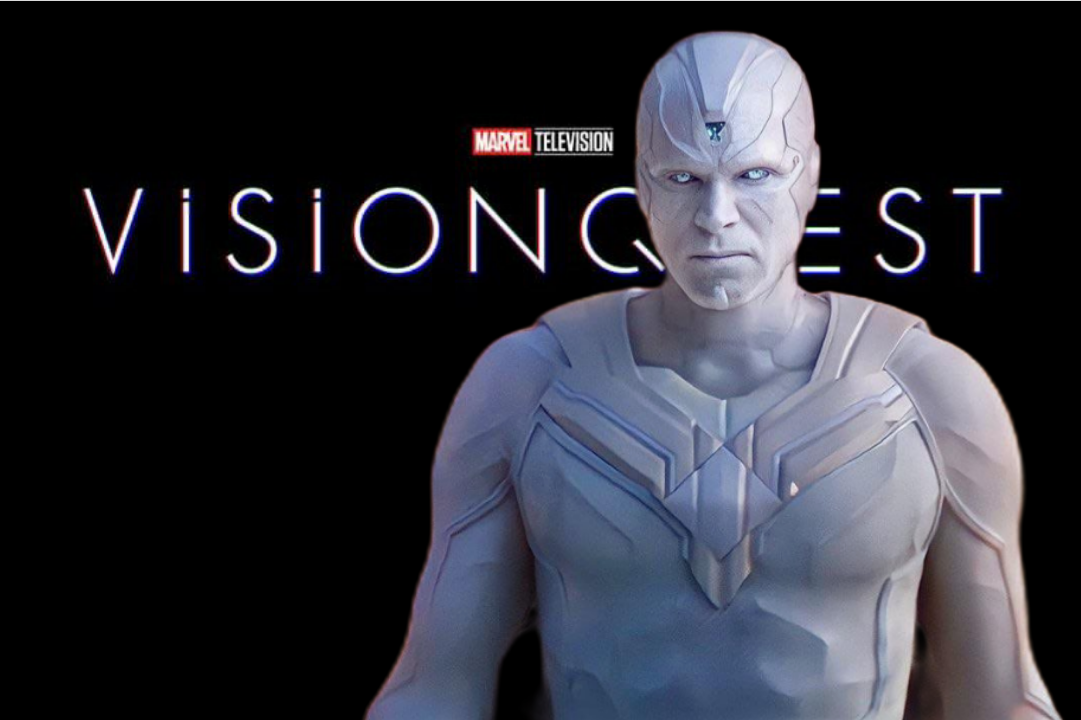
Marvel Television has officially announced that its highly anticipated Disney+ series, VisionQuest, will premiere on October 14, 2026. The upcoming eight-episode live-action production welcomes back Paul Bettany to headline his own superhero project, marking a major addition to Marvel’s expanding Phase Six streaming slate.
The announcement was unveiled during the high-profile 2026 Disney Upfronts presentation in New York City, where executives presented the series to advertisers and industry insiders. Notably, the long-gestating project serves as the narrative conclusion to the acclaimed trilogy that began with WandaVision. Audiences will finally discover the emotional fate of the resurrected White Vision after years of silence.
The Evolution of the White Vision Journey
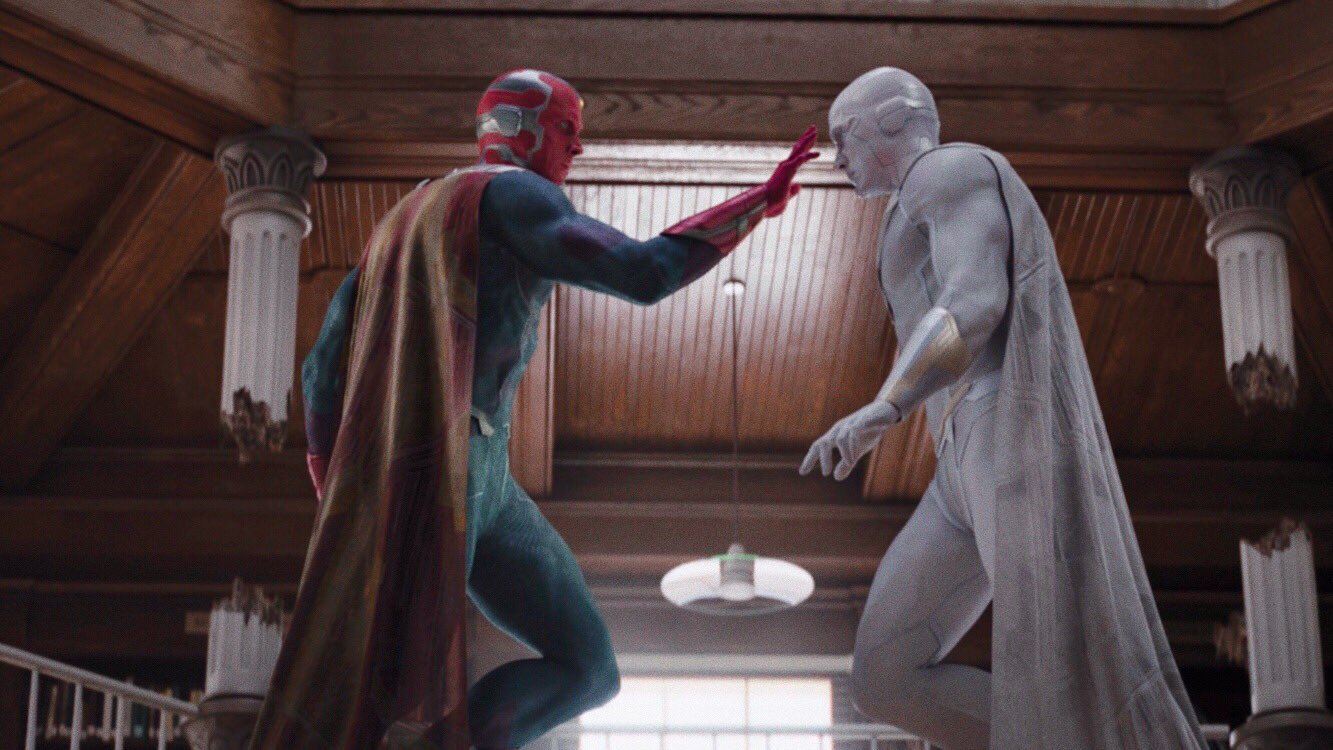
White Vision has experienced one of the most complex character arcs in the Marvel Cinematic Universe. Following his death during the events of Avengers: Infinity War, S.W.O.R.D. scientists reconstructed his physical body as a weaponized synthetic being. He later fled the Westview anomaly after a philosophical confrontation that triggered a profound existential awakening.
The upcoming series directly explores his psychological journey through the modern world. White Vision possesses the original Vision’s memories and historical knowledge but lacks the emotional experiences attached to them. That disconnect creates a compelling thematic framework that separates the series from more traditional superhero storytelling.
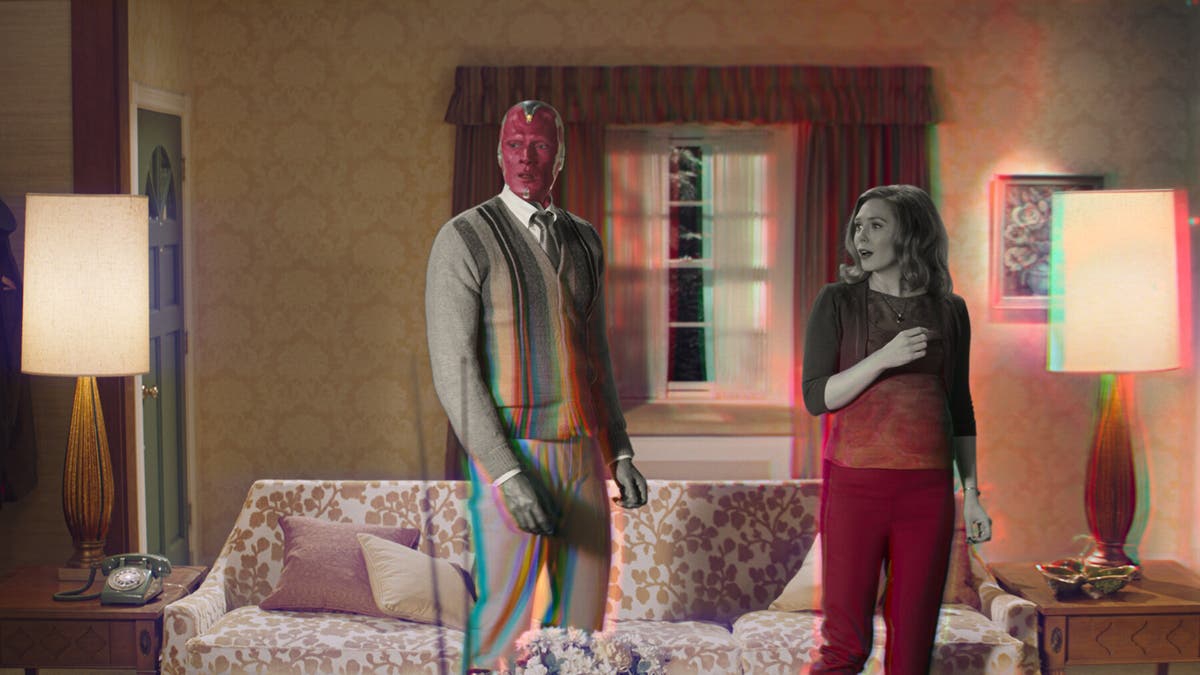
Importantly, VisionQuest functions as the third and final chapter in Marvel’s television trilogy. WandaVision (2021) explored grief through Wanda Maximoff’s fractured suburban fantasy, while Agatha All Along (2024) shifted toward themes of motherhood, legacy, and feminine power.
Now, VisionQuest completes that thematic arc by focusing on fatherhood, identity, emotional inheritance, and the psychological burden of creation itself. Marvel executives reportedly view the project as an intimate meditation on what it truly means to become human despite being artificially engineered.
A Masterful Creative Vision Behind the Camera
Acclaimed writer and producer Terry Matalas serves as showrunner for the ambitious production. Matalas previously earned widespread praise for revitalizing the science-fiction franchise Star Trek: Picard, and Marvel reportedly granted him significant creative freedom for the project.
Matalas recently revealed that the studio encouraged him to pursue some of his boldest creative ideas. That freedom allowed the writers’ room to craft an emotionally grounded character study balancing comic-book spectacle with philosophical questions surrounding artificial intelligence and identity.
The Spectacular Return of a Legendary Adversary
Marvel Television’s #VisionQuest starring Paul Bettany will debut October 14 on Disney+. pic.twitter.com/CwzDPFsVKf
— Marvel Studios (@MarvelStudios) May 13, 2026
One of the most surprising revelations from the Disney Upfronts presentation was the confirmed return of James Spader as the voice of the villainous artificial intelligence Ultron. The casting sets up a volatile confrontation between creator and creation, with Ultron reportedly appearing in both physical and digital forms throughout the series.
I have his memories, but not his feelings. I have his face, but not his virtue.
— Paul Bettany, Disney Upfronts Preview
The dynamic between Vision and Ultron is expected to explore themes of legacy, identity, and inherited trauma through a science-fiction lens. According to exclusive attendee footage descriptions, Ultron will taunt his mechanical progeny in both physical and digital manifestations. This creative narrative approach establishes a powerful metaphorical mirror for the protagonist’s ongoing internal identity crisis.
Assembling an Impressive Ensemble Cast
The production has assembled a strong supporting ensemble to populate its increasingly technological world. Actress T’Nia Miller joins the franchise as the classic Marvel character Jocasta, while actor Todd Stashwick portrays the morally ambiguous bounty hunter Paladin.
Meanwhile, Ruaridh Mollica appears as an older version of Tommy Maximoff, introducing an emotional paternal dynamic into the story. James D’Arcy also returns, further strengthening the series’ ties to earlier Marvel projects.
Architectural Connections Across Phase Six
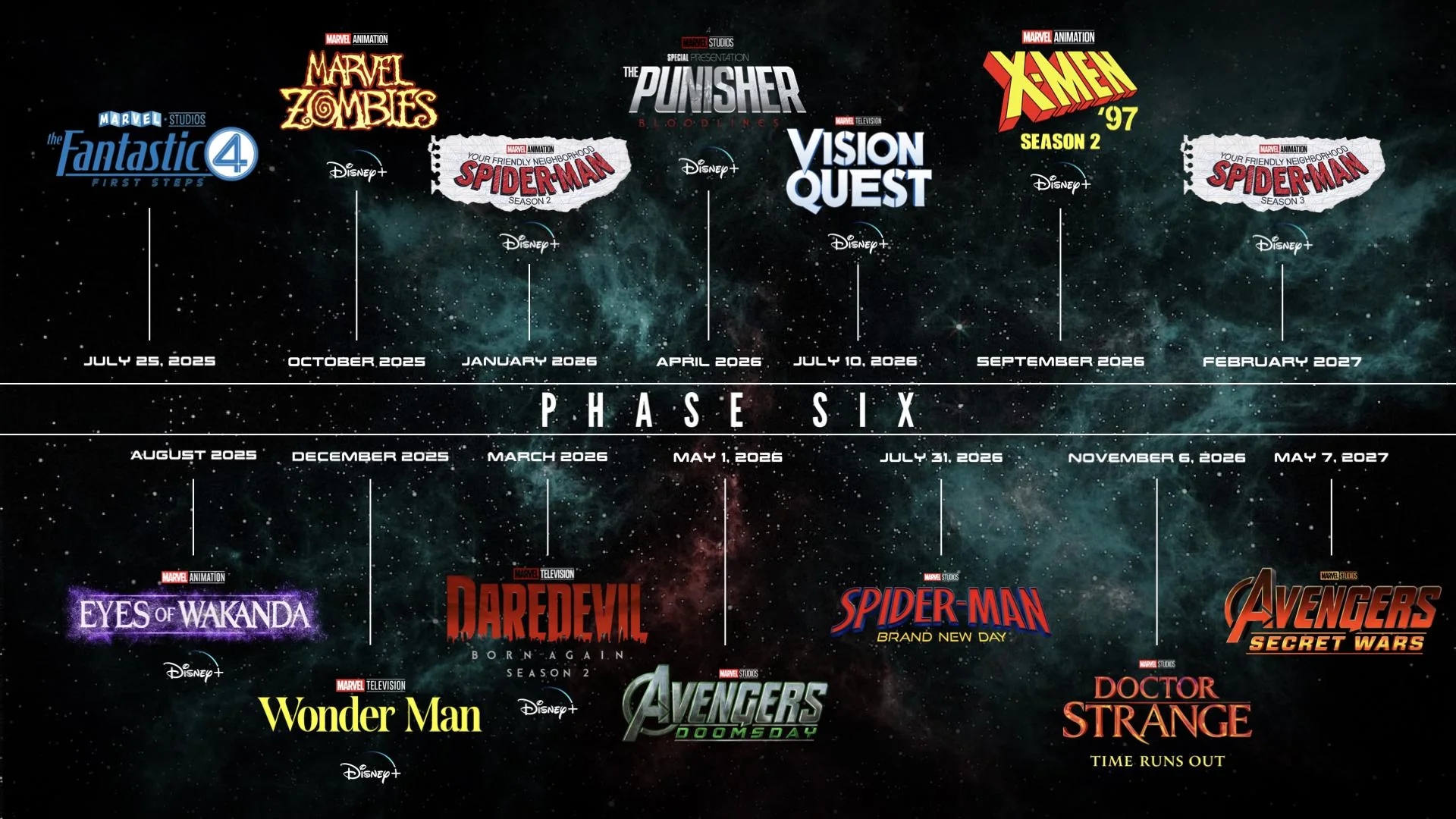
Industry insiders suggest that VisionQuest may be the final Marvel streaming series centered on established theatrical characters. Going forward, Marvel Studios reportedly plans to use Disney+ more aggressively as a launch platform for newer properties and characters.
The series was filmed under the codename “Tin Man” during production, with principal photography beginning in March 2025 at Pinewood Studios before wrapping later that summer.
Marvel Studios reportedly dedicated an extensive post-production period to visual effects, digital world-building, and sound design ahead of the October 2026 premiere. The eight-episode structure is also said to allow each chapter to adopt its own cinematic identity, with Matalas teasing that every installment functions almost like “a different type of movie.”
Musically, the production welcomes composer Mick Giacchino, whose score is expected to lean into the series’ atmospheric and emotionally introspective direction. The release date also strategically positions the show ahead of Avengers: Doomsday, fueling speculation that characters introduced in VisionQuest could play important roles in the larger crossover narrative.
A Deeper Look at the Core Theme of Fatherhood

Marvel executives have explicitly described the trilogy as an exploration of family structures and emotional inheritance. While WandaVision focused on grief and Agatha All Along examined motherhood, VisionQuest places fatherhood at the center of its narrative.
At its core, the series asks whether a damaged creation can rise above the flaws of its creator. By forcing White Vision to confront Ultron directly, the story tackles generational trauma, identity, and emotional legacy through a stylized science-fiction framework. That emotional grounding could help the series resonate far beyond traditional superhero audiences.
The Digital Architecture of Mind and Memory
Visually, the series reportedly introduces a new variation of the reality-bending Hex concept first seen in Westview. This time, audiences will explore a surreal digital mansion manifested inside White Vision’s fractured synthetic mind.
Within this electronic landscape, several iconic operating systems take on human forms. Actress Orla Brady portrays the embodiment of the artificial intelligence F.R.I.D.A.Y., while Emily Hampshire appears as the tactical system E.D.I.T.H. The inventive setting allows the series to dramatize an internal psychological journey through visually ambitious science-fiction storytelling.
Final Thoughts
As the October 2026 premiere approaches, anticipation surrounding Marvel’s VisionQuest continues to grow. Terry Matalas’ creative track record has already generated significant confidence among Marvel fans and industry observers alike, particularly given his reputation for balancing dense franchise continuity with emotionally modern storytelling.
Ultimately, VisionQuest represents one of Marvel’s most ambitious attempts at character-driven storytelling within its blockbuster ecosystem. More than just another superhero series, it appears positioned as a philosophical exploration of memory, humanity, trauma, and identity. For Paul Bettany, the project also offers his most expansive opportunity yet to fully explore the emotional complexity of Vision and White Vision on screen.
Featured image: Marvel
—Read also
The post Marvel’s VisionQuest Sets October 2026 Release Date On Disney+ appeared first on Style Rave | The Ultimate Style Guide.