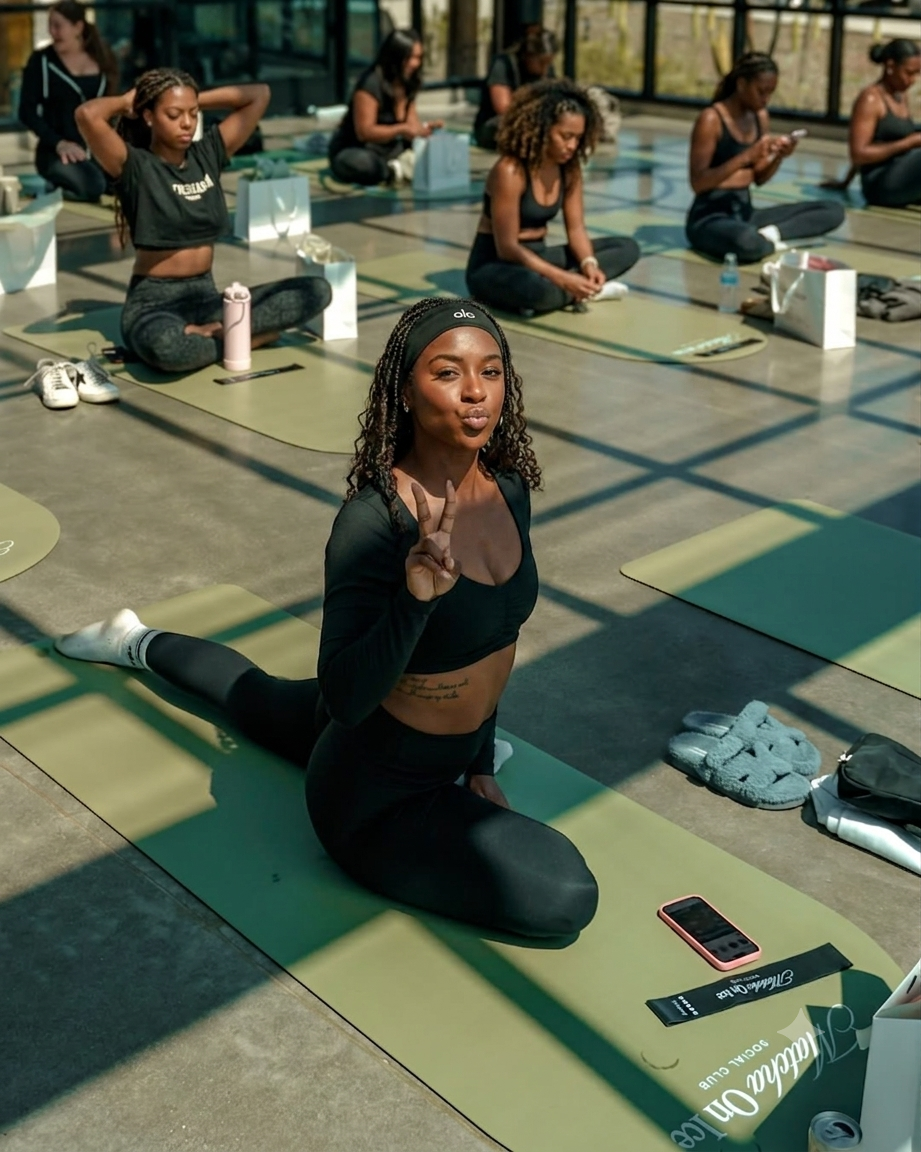
Wellness used to be a category; now it is an identity. The global wellness market hit a record $6.8 trillion and is projected to approach $9.8 trillion by 2029, driven by structural consumer shifts toward preventive health and longevity. Wellness is a top priority for 82% of U.S. consumers. Ninety percent of Millennial and Gen Z consumers prioritize spending on healthy food even in times of economic crisis.
These numbers describe something far more significant than a consumer trend. They describe a fundamental shift in how a large and growing portion of the population understands itself. The wellness consumer of 2026 is not someone who occasionally buys a supplement or signs up for a gym membership. Wellness is the frame through which they make decisions across every category of their life: what they eat, how they sleep, what they wear, who they spend time with, and what they buy.
The boundaries between health, wellness, beauty, food, fitness, and mental health have blurred into a single lifestyle orientation. Consumers make choices across categories through a wellness lens, from the ingredients in their skincare to the materials in their furniture. McKinsey reports that nearly 30% of Gen Z and millennial consumers in the U.S. prioritize wellness significantly more than one year ago, versus up to 23% among older generations.
For these consumers, wellness means more than going to the gym and drinking green juice. They look for products that provide measurable outcomes, like better sleep scores, clinical-grade claims, and longevity markers. The identity-first wellness consumer is not chasing trends. They are building a coherent self-image around health optimization, and every purchase either supports or contradicts that image.
From Habit to Identity

Health and wellness in the minds of consumers is becoming less about what they buy, but rather how they buy. Brands should design for consumers’ need states, not product categories, and support health journeys from prevention to performance. This shift from category to journey mirrors what happens psychologically when wellness moves from behavior to identity. Once a man defines himself as someone who takes his health seriously, that self-definition becomes a filter on every subsequent decision. Skipping the workout feels like a violation of identity, not just a missed session. Choosing the processed option feels inconsistent with who he is, not just nutritionally suboptimal.
The better-for-you products movement in 2026 is not a trend in the way that a color palette or a TikTok challenge is a trend. It is a permanent shift in what consumers expect. They expect pleasure and function in the same product at the same time without compromise.
For brands, the question is no longer whether to participate in this shift. The wellness identity consumer has made optimization her default orientation. She wants the Friday night social ritual without the next-day cost. She wants the effective skincare formula and the clean ingredient list. And of course, the training performance gains and the recovery infrastructure. These are not niche demands from a small segment. They are mainstream expectations from a consumer base that now controls a significant and growing portion of discretionary spending.
What a Wellness Identity Actually Looks Like in Practice
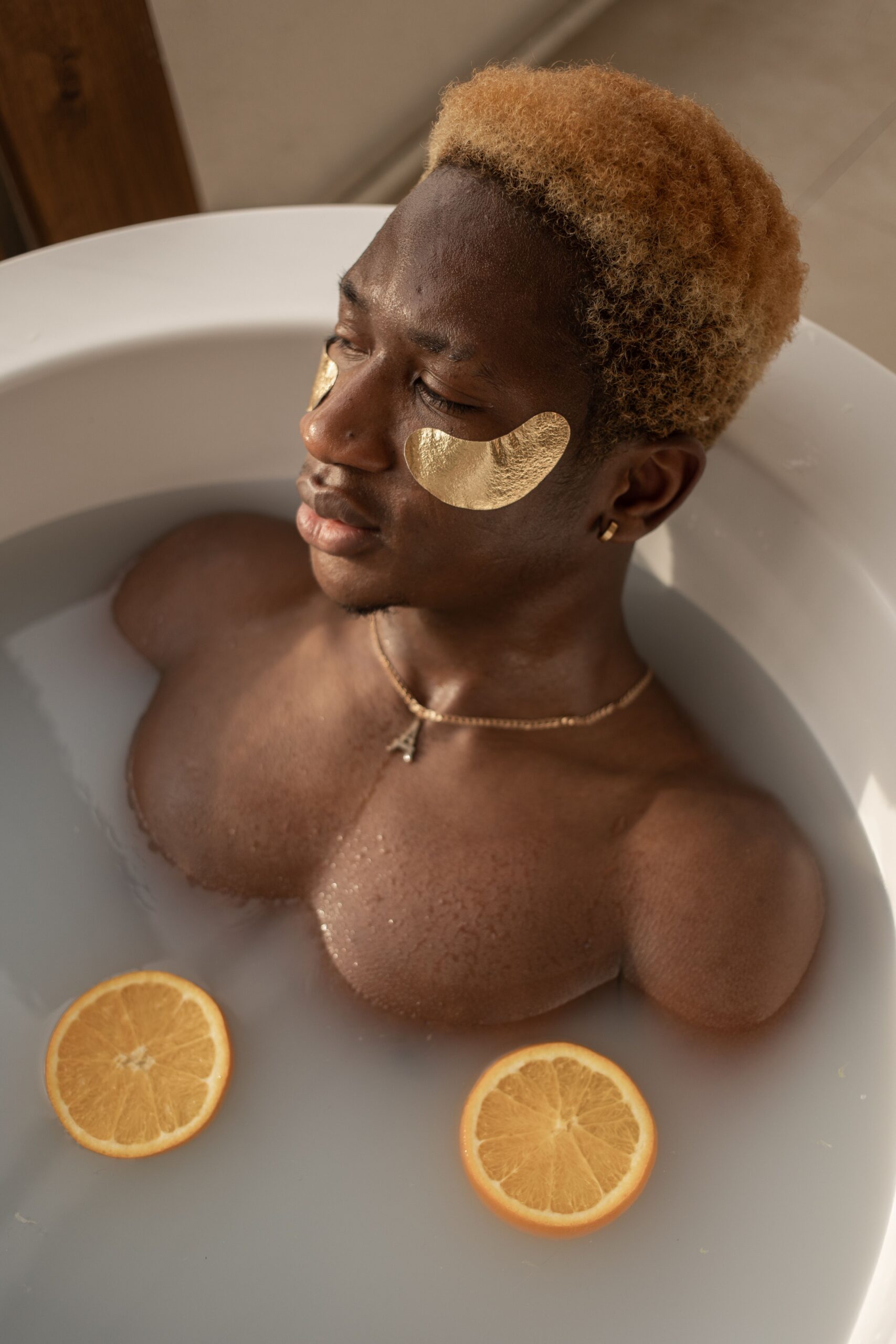
For men specifically, the wellness identity shift is producing a distinct and visible change in daily life architecture. Morning routines have become a defining expression of wellness identity, the combination of exercise, nutrition, mindfulness, and intentional preparation that signals both to the man and to everyone observing him that he takes his health and performance seriously. Self-care has become an antidote to support better moods, recovery, and resilience, according to multiple studies. The identity-first mindset touches every part of wellness. Consumers can now find DNA-based supplement packs or smart lighting tuned to their circadian rhythm.
The social dimension of wellness identity is equally significant. Men who identify as wellness-oriented increasingly seek out communities of others who share that orientation: training partners, accountability groups, wellness retreats, and social circles where health conversations are normalized rather than mocked. Younger consumers prioritize functional, convenient options, according to Circana’s 2026 research on generational wellness shifts. The definition of a healthy lifestyle varies dramatically by life stage. Across all age groups, the common thread is that wellness has moved from private behavior to public identity; something men express through what they consume, how they present themselves, and who they choose to spend time with.
The Commercial and Cultural Consequences

Shoppers no longer decide based solely on price and brand. As Euromonitor’s Global Consumer Trends 2026 report shows, shoppers are actively seeking products that deliver comfort, reassurance, and clear wellbeing value. NIQ’s 2026 Consumer Outlook reinforces this, showing well-being considerations shaping purchase behavior across markets. For the men building their lives around a wellness identity, these purchasing patterns are not driven by marketing. They are driven by a genuine and deeply held belief that how you treat your body determines the quality of everything else you can do.
Wellness shoppers demand stronger evidence supporting product claims. A Harris Williams 2024 survey found that 91% of consumers rank product efficacy as important. Seventy-five percent said dermatologists are the most trusted wellness authorities, above even creator-founded brands.
The wellness identity consumer in 2026 is sophisticated, skeptical of marketing claims, and genuinely invested in outcomes. He does not buy wellness products the way he buys fashion. He buys them the way he buys tools, with a specific purpose in mind and a clear standard for what effectiveness looks like. That orientation is reshaping not just what the wellness industry sells, but what every industry must become to remain relevant to this growing consumer identity.
Featured image: Style Rave Studio/AI-generated Visual
The post The Rise of Wellness as a Lifestyle Identity in 2026 appeared first on Style Rave | The Ultimate Style Guide.