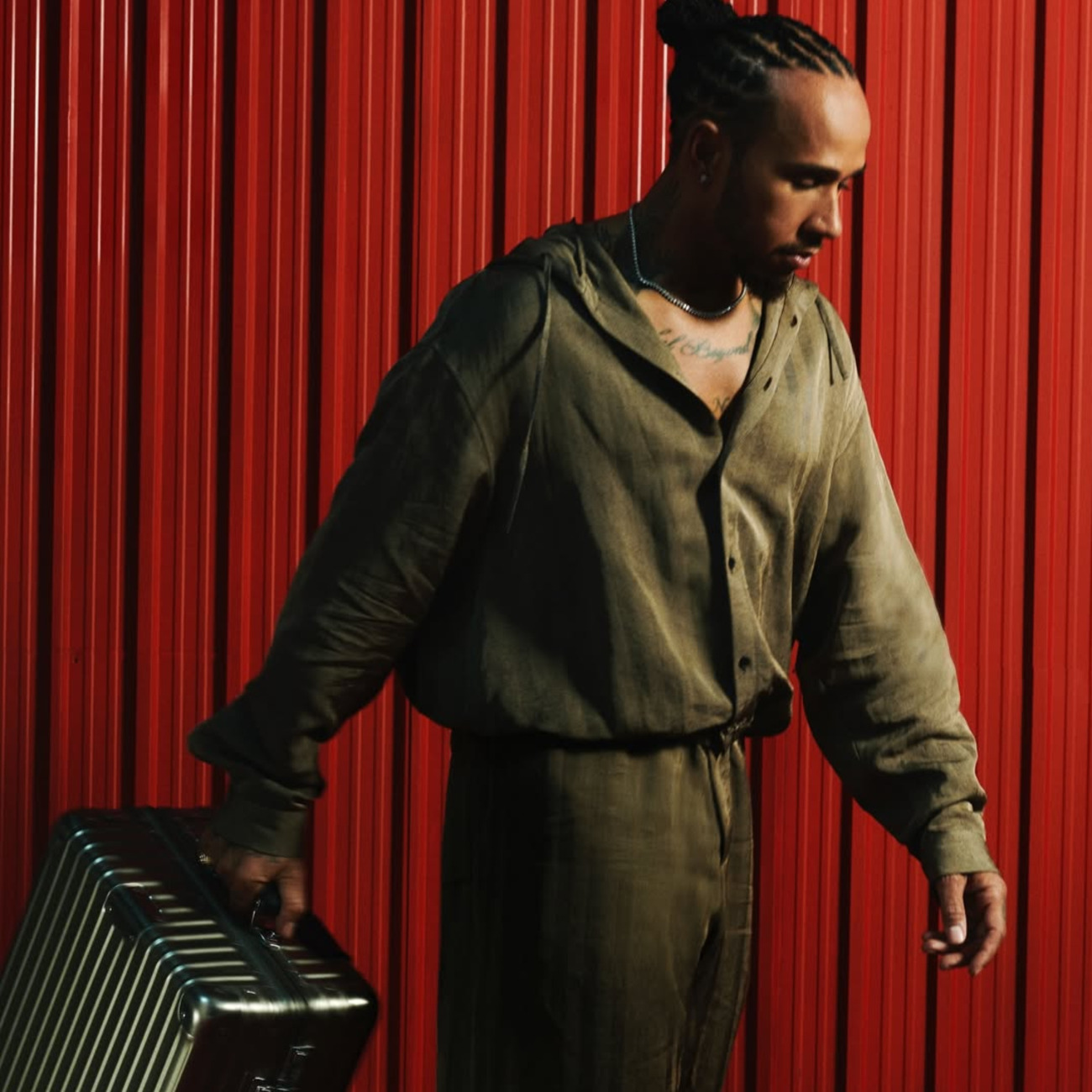
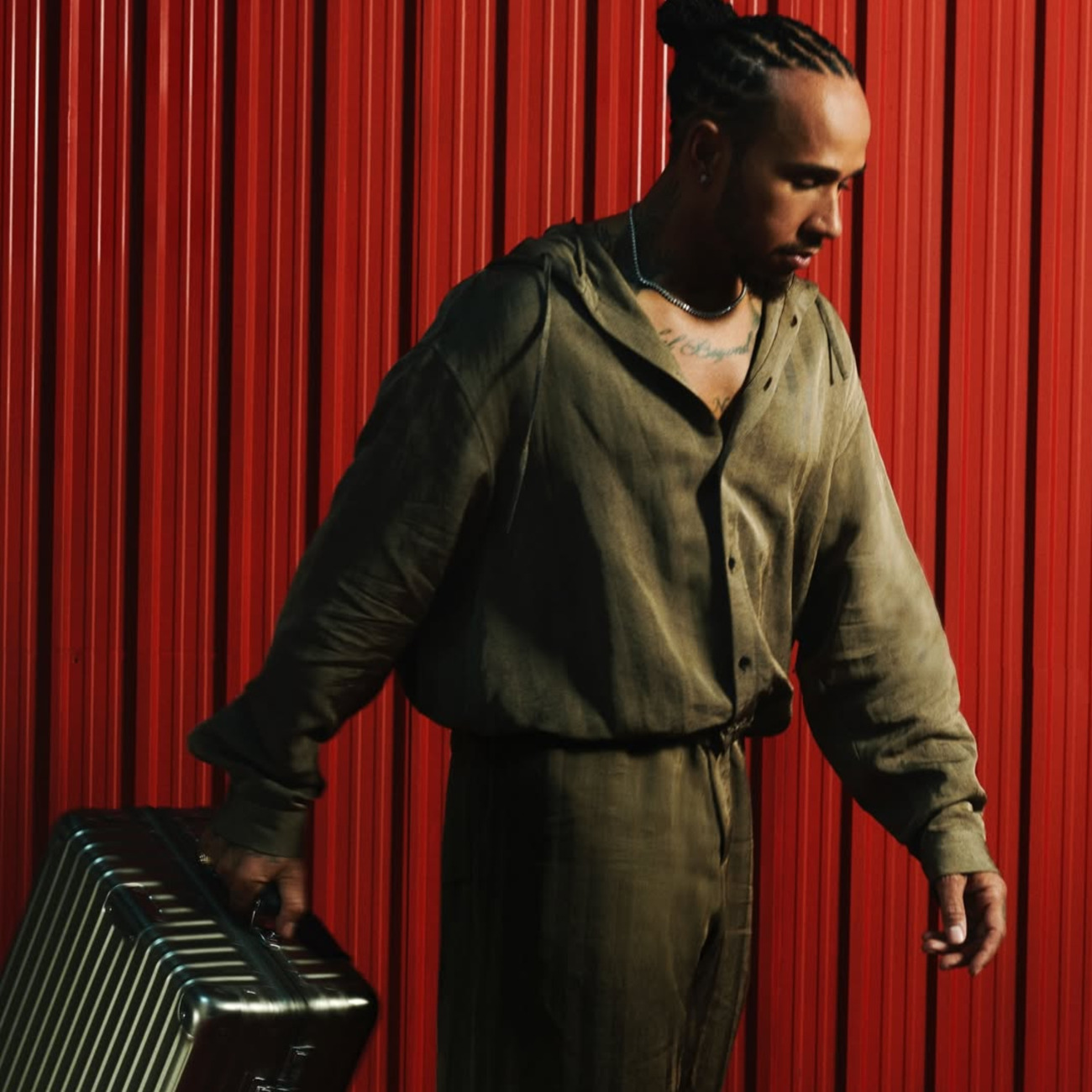
While many celebrity magazine covers lean into spectacle, Lewis Hamilton’s latest feature for Another Man China takes a more considered approach, spotlighting Rimowa with restraint and purpose. At first glance, the imagery reads as a clean, minimal fashion editorial. However, a closer look reveals something more layered: a quiet meditation on identity, movement, and the evolving relationship between athletes and luxury culture.
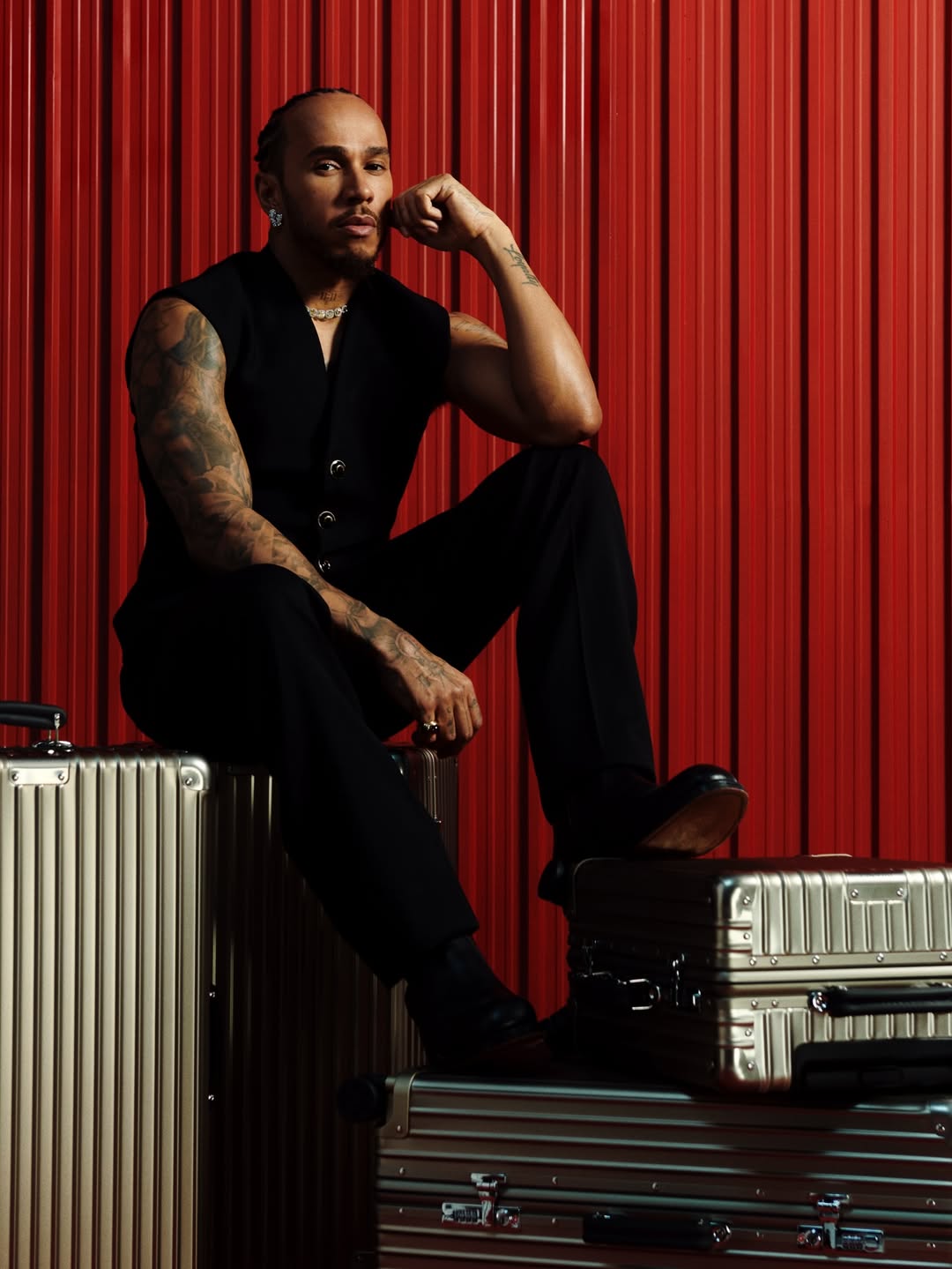
The visuals command attention without ever feeling forced. Hamilton is positioned atop Rimowa’s signature aluminum cases, set against a vivid red backdrop. In turn, the contrast creates a dialogue between industrial precision and emotional warmth. More than a styling choice, the composition mirrors Hamilton’s own trajectory—one that balances discipline with self-expression, speed with reflection. The cover may be subtle, but it invites a deeper question: why does this partnership feel so resonant right now?
A Cover That Moves Beyond Fashion
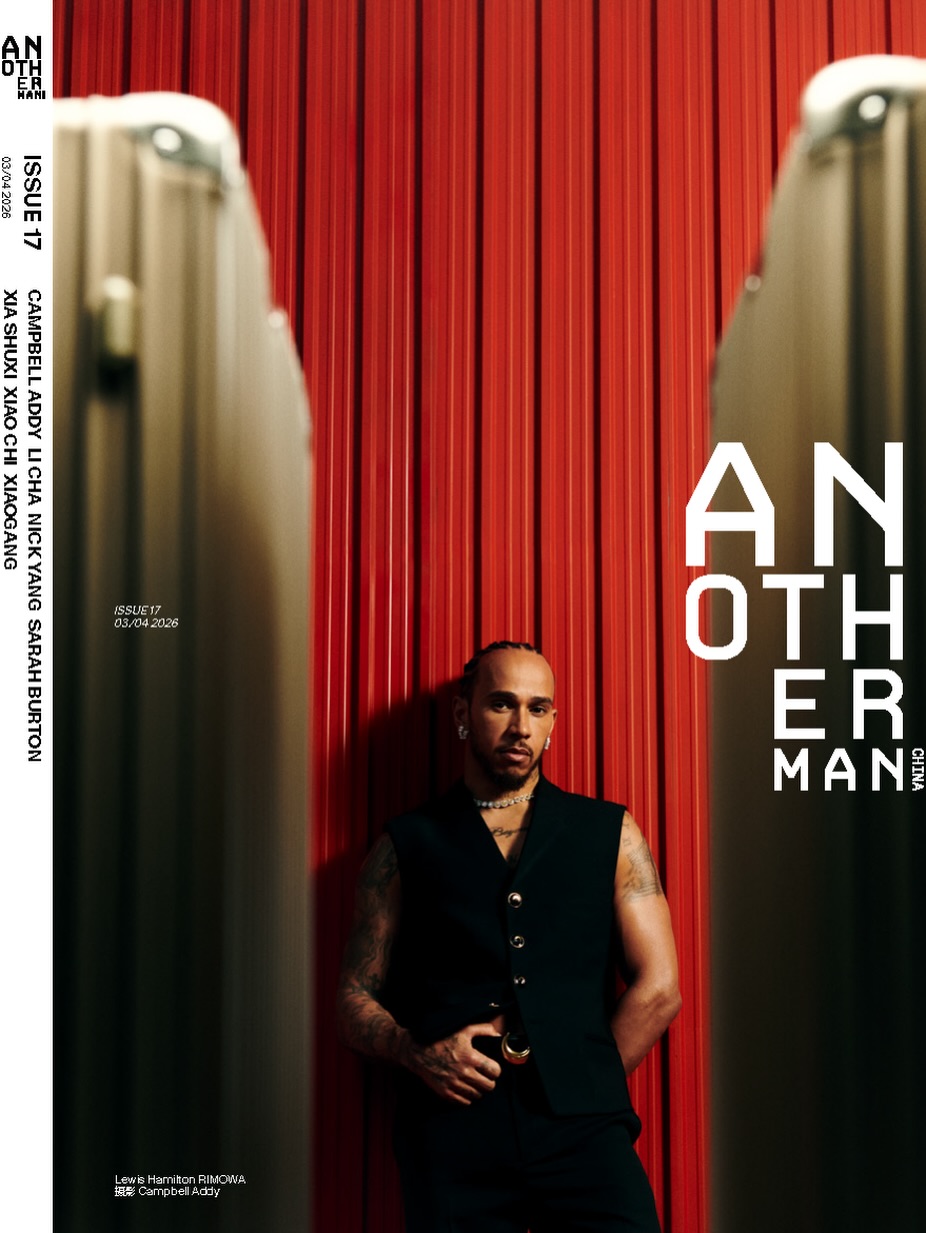
Rather than presenting Hamilton solely as a Formula 1 driver, the Another Man China feature reframes him as a symbol of ongoing evolution. Notably, there are no roaring engines or racetrack backdrops, only stillness. Yet, that quiet moment speaks volumes.
His decision to sit on Rimowa’s grooved aluminum luggage is deliberate. These cases are not merely travel objects; they represent global movement, engineering precision, and a refined sense of luxury. Within this context, they become narrative tools, marking not just the distances Hamilton has covered but the personal journey he continues to navigate.
This visual language aligns seamlessly with Rimowa’s “Never Still” philosophy, which positions movement as a mindset rather than a destination. Since becoming a global ambassador in 2023, Hamilton has embodied this ethos effortlessly, moving between countries, cultures, and increasingly, creative disciplines beyond sport.
Rimowa and the Power of Purposeful Travel
To fully understand the strength of this collaboration, it helps to consider Rimowa’s evolution. Once defined primarily by its durable, high-end luggage, the brand has gradually repositioned itself around the idea of intentional travel. In other words, it’s no longer just about reaching a destination; it’s about what movement represents.
Hamilton fits naturally into this narrative. Over time, he has expanded beyond his identity as a Formula 1 championship-winning driver into a broader cultural figure, engaging with fashion, activism, and creative expression. As a result, his partnership with Rimowa feels less transactional and more aligned in purpose.
Across campaigns and public appearances, Hamilton consistently frames travel as something deeply personal—an avenue for growth, reflection, and transformation. The Another Man China feature reinforces this idea without overstating it. His composed posture, the quiet setting, and the restrained styling all suggest a man no longer seeking validation, but instead defining his own direction.
Shop editor’s picks
Fashion as an Extension of Identity
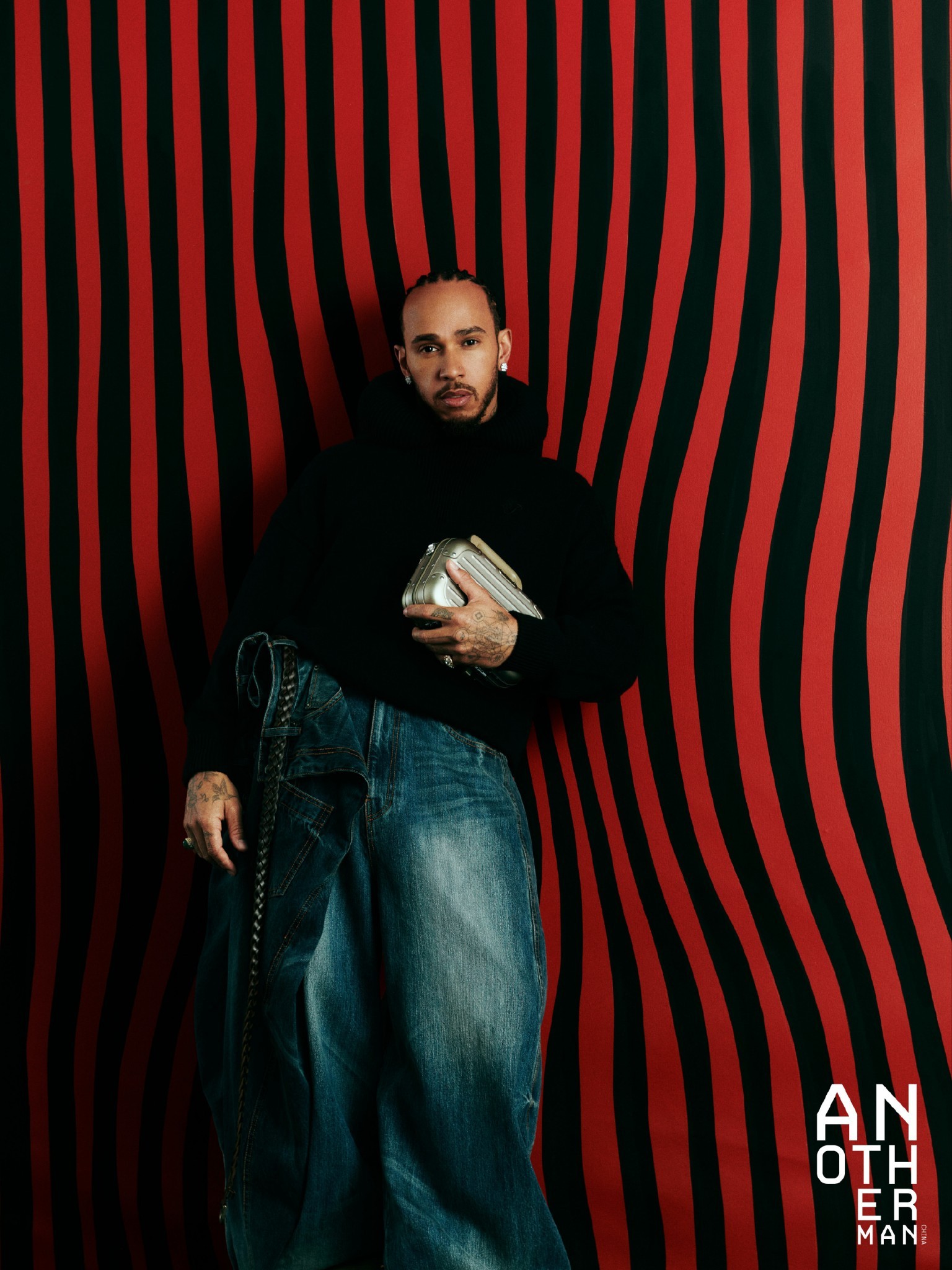
Hamilton’s relationship with fashion is well documented, yet what stands out here is how seamlessly it integrates into Rimowa’s narrative. He isn’t simply experimenting with style; he’s communicating through it.
Importantly, that evolution wasn’t without its challenges. Earlier in his career, the strict uniformity of Formula 1 limited personal expression. Breaking away from that structure wasn’t just a stylistic shift; it was a reclaiming of autonomy.
Today, every public appearance becomes intentional. Whether he’s wearing emerging designers or established luxury houses, his choices feel deliberate. On the Another Man China cover, that clarity is unmistakable. There is no excess, only focus.
From Editorial Stillness to Race Day Expression
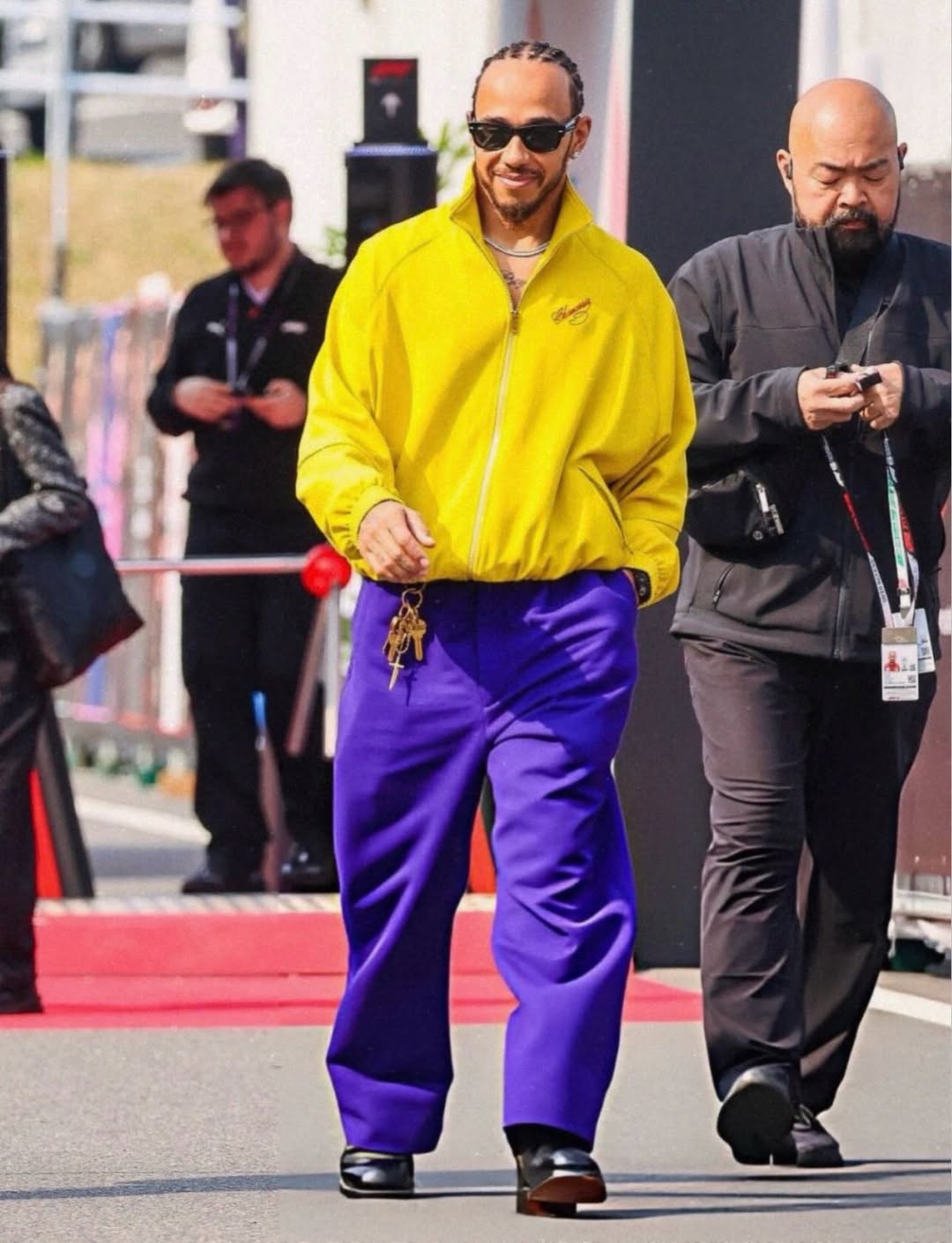
Interestingly, this quiet editorial moment arrives alongside a more dynamic expression of Hamilton’s style off the page. At the Japanese Grand Prix, he demonstrated that his fashion narrative extends well beyond controlled studio imagery.
Arriving in Tokyo, he wore a full look by Willy Chavarria, paired with classic Ray-Ban Wayfarer sunglasses. In doing so, he struck a balance between high fashion and accessibility, proving that style is defined not by price, but by intention.
Shop Ray-Ban RB 2140 901 sunglasses
The Wayfarer, a design with decades of cultural relevance, added depth to the look. It bridged past and present, exclusivity and familiarity. Even during a race weekend where he finished sixth, the conversation extended beyond performance. Hamilton has effectively transformed the paddock into a runway where sport and style exist in parallel.
Movement as Identity
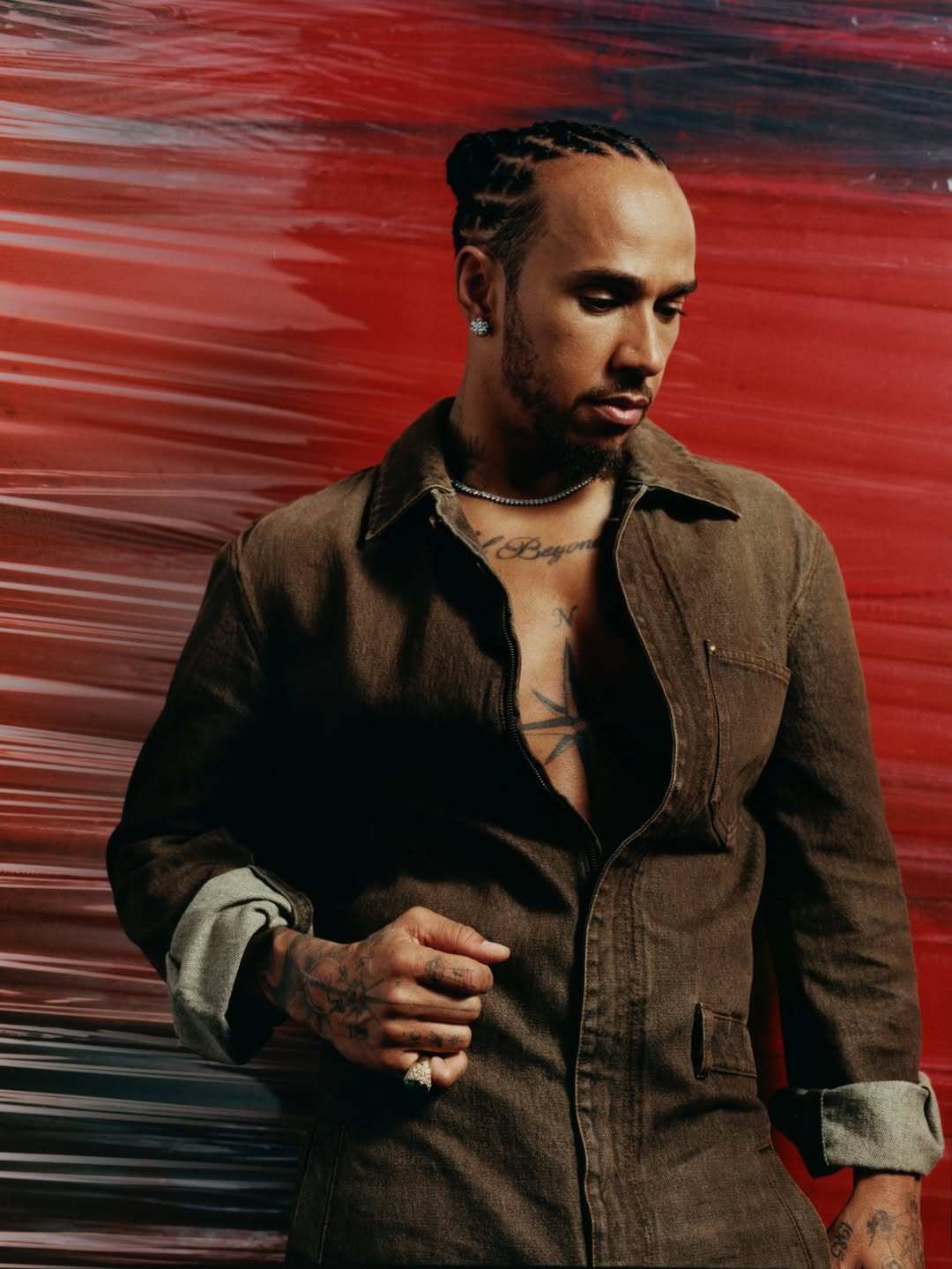
Ultimately, the Another Man China feature succeeds because it brings these ideas together with quiet precision. It isn’t solely about Rimowa, nor is it confined to fashion or even Formula 1. Instead, it explores movement in its fullest sense: physical, emotional, and cultural.
Hamilton’s journey is no longer defined purely by championships, but by how he navigates the spaces in between—airports, cities, and moments of stillness. Rimowa, a brand rooted in travel, becomes a natural extension of that narrative.
The cover doesn’t rely on spectacle. Rather, it suggests that growth isn’t always about acceleration. Sometimes, it’s found in pause—in the quiet confidence of a man seated on a suitcase, fully aware of where he’s been, and ready for where he’s going next.
Featured image: Campbell Addy for Another Man China
—Read Also
The post Lewis Hamilton Spotlights Rimowa In A Quietly Powerful Another Man China Feature appeared first on Style Rave | The Ultimate Style Guide.