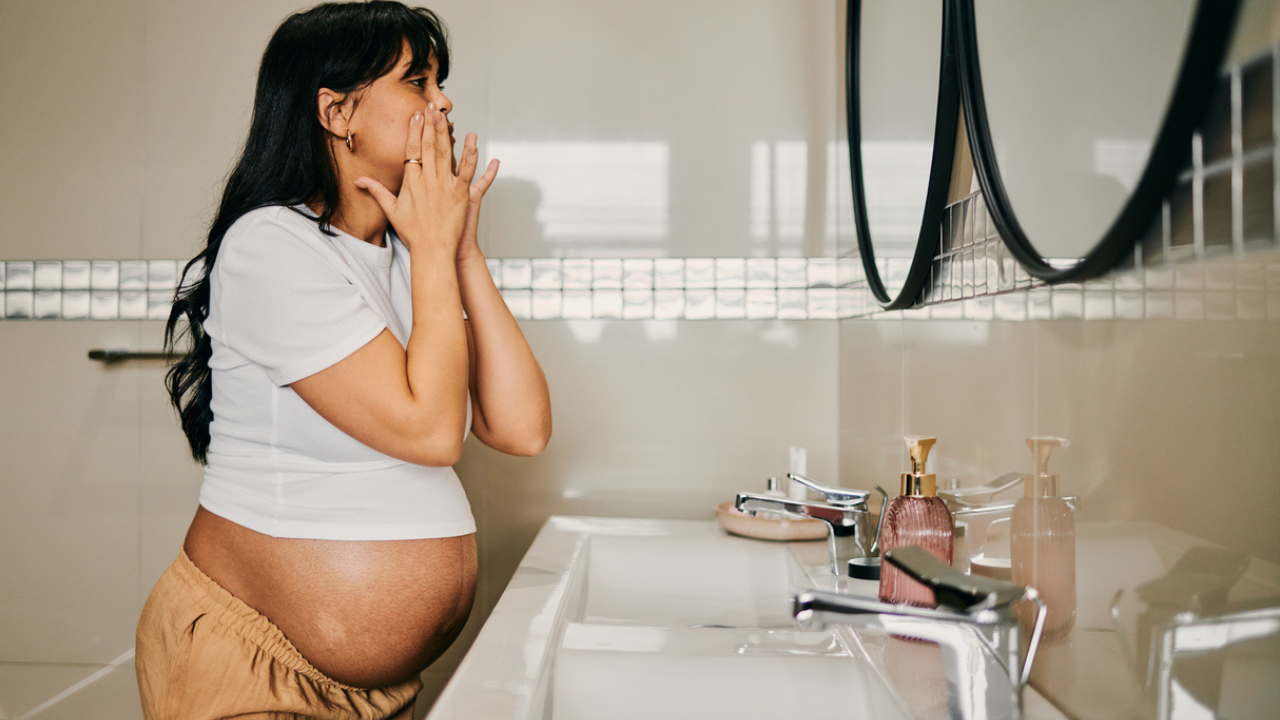

Hormonal shifts have a way of rewriting the rules of your skin without warning, and pregnancy is often when that shift feels most unpredictable. Breakouts can appear where your skin was once calm, and suddenly, the goal is no longer just about clearing acne; it is about doing so safely. As a result, finding the right balance between effective care and pregnancy-safe acne treatments becomes essential, especially when every ingredient choice carries more weight than ever.
At the same time, the search for solutions can feel overwhelming. Many of the treatments that once worked effortlessly are no longer recommended, creating a gap between what is effective and what is considered safe. However, that gap is not as limiting as it may seem. With the right approach, it is still entirely possible to manage breakouts while protecting both your skin and your baby through carefully chosen pregnancy-safe acne treatments.
Why Acne Changes During Pregnancy

To understand how to treat acne during pregnancy, it helps to look beneath the surface. Hormonal changes, particularly an increase in progesterone, stimulate excess oil production. Consequently, pores become more prone to clogging, leading to breakouts that may feel more persistent or widespread than usual.
In addition, skin often becomes more reactive during this time. Products that once felt reliable may suddenly cause irritation, while others may seem less effective. Because of this, pregnancy-safe acne treatments are typically designed with balance in mind, targeting breakouts while minimizing sensitivity.
Safe Topical Treatments That Actually Work
When building a routine, certain ingredients stand out for their ability to treat acne without posing known risks during pregnancy. Importantly, these options are widely recommended because they strike a careful balance between efficacy and safety.
Azelaic acid, for example, is often a first-line recommendation. It helps reduce inflammation, unclog pores, and gradually fade post-acne marks. Because it is both gentle and effective, it integrates easily into most pregnancy-safe routines.
Benzoyl peroxide is another option that can be used in small, over-the-counter concentrations. In particular, it works by targeting acne-causing bacteria, helping to reduce active breakouts. However, moderation is key, as overuse can lead to dryness or irritation.
Salicylic acid can also be considered with caution. Generally speaking, low concentrations (around 2 percent or less) are regarded as safe for topical use. This makes it useful for keeping pores clear without overwhelming sensitive skin.
Glycolic acid plays a complementary role, especially for those dealing with uneven texture. By gently exfoliating the skin, it encourages smoother, clearer turnover over time.
In some cases, dermatologists may recommend topical antibiotics such as clindamycin or erythromycin. These are typically reserved for more inflamed or persistent acne, helping to reduce bacteria while calming the skin.
Shop editor’s edit
Treatments to Avoid During Pregnancy
While there are effective options available, it is equally important to understand what to avoid. Many commonly used acne treatments fall into this category, which can make navigating skincare choices more complex.
Retinoids, including tretinoin, isotretinoin, and adapalene, are not considered safe during pregnancy due to their association with birth defects. For this reason, both oral and topical forms are generally avoided as a precaution.
Oral tetracyclines, often prescribed for severe acne, should also be avoided, particularly in later stages of pregnancy, because of their potential impact on fetal development.
Additionally, hormonal therapies, which are sometimes used to regulate acne outside of pregnancy, are not recommended. Given the body’s already elevated hormonal activity, introducing external hormone-based treatments can create further imbalance.
What About Professional Treatments?
Beyond at-home care, certain in-office procedures may still be considered. Light-based therapies and select laser treatments are often viewed as relatively safe options for managing acne during pregnancy. These approaches work by targeting acne-causing bacteria and reducing inflammation without relying on systemic medications.
That said, professional guidance is essential. Consulting a dermatologist ensures that any treatment plan is tailored to both your skin’s needs and pregnancy safety considerations.
Natural Remedies: Helpful or Overrated?
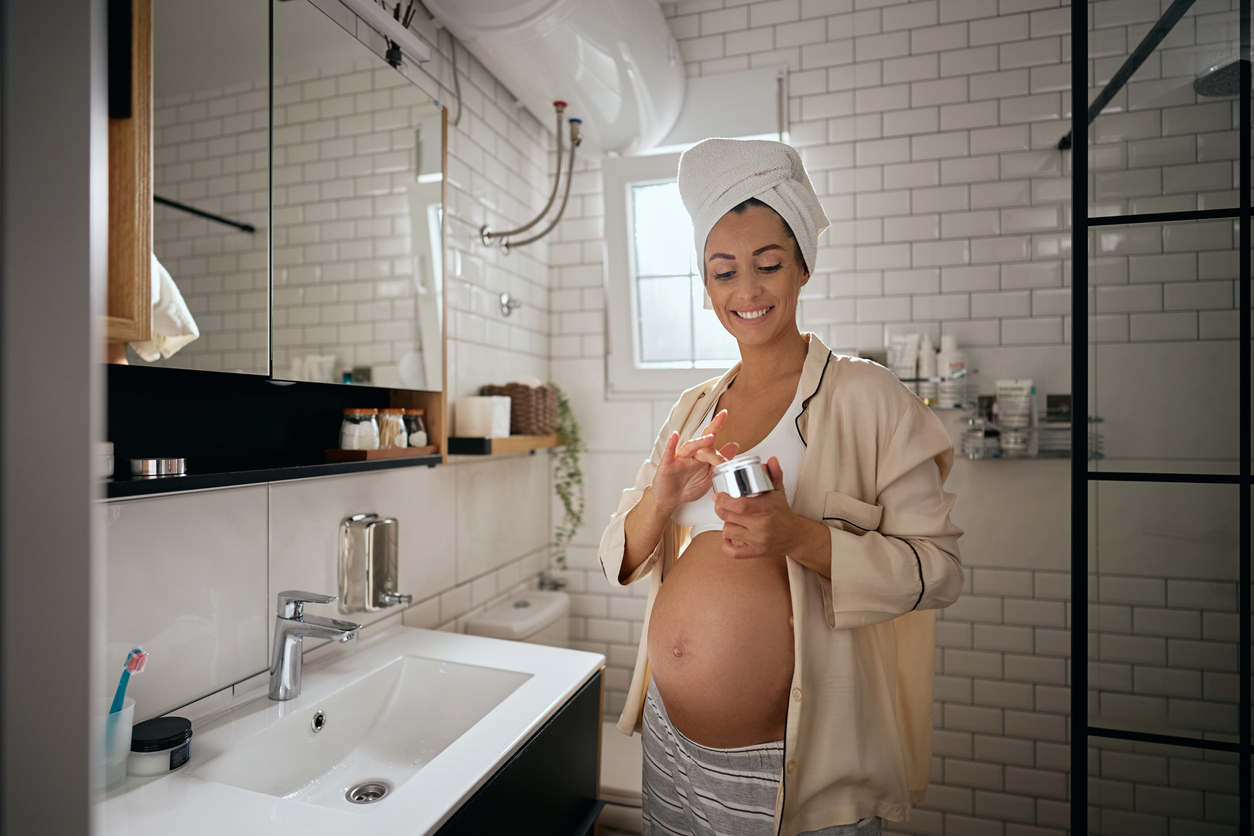
Many people turn to natural remedies during pregnancy in search of gentler alternatives. While options like aloe vera or honey can soothe the skin, they are rarely strong enough to treat persistent acne on their own.
However, they can still play a supportive role. Calming ingredients may help reduce redness and irritation, making them a useful addition to a broader routine centered on pregnancy-safe acne treatments.
Final Thoughts
Managing acne during pregnancy requires a shift in mindset. Rather than chasing fast, aggressive results, the focus becomes steady, safe improvement. This is where pregnancy-safe acne treatments prove their value, offering a way to care for your skin without compromising your overall well-being.
While progress may require more patience, the right combination of gentle actives, consistent care, and professional guidance can still lead to clearer, healthier skin. Over time, this balanced approach not only addresses breakouts but also supports your skin through one of its most transformative phases.
Featured image: Delmaine Donson/iStock
.
The post How To Safely Treat Acne During Pregnancy Without Compromising Results appeared first on Style Rave | The Ultimate Style Guide.