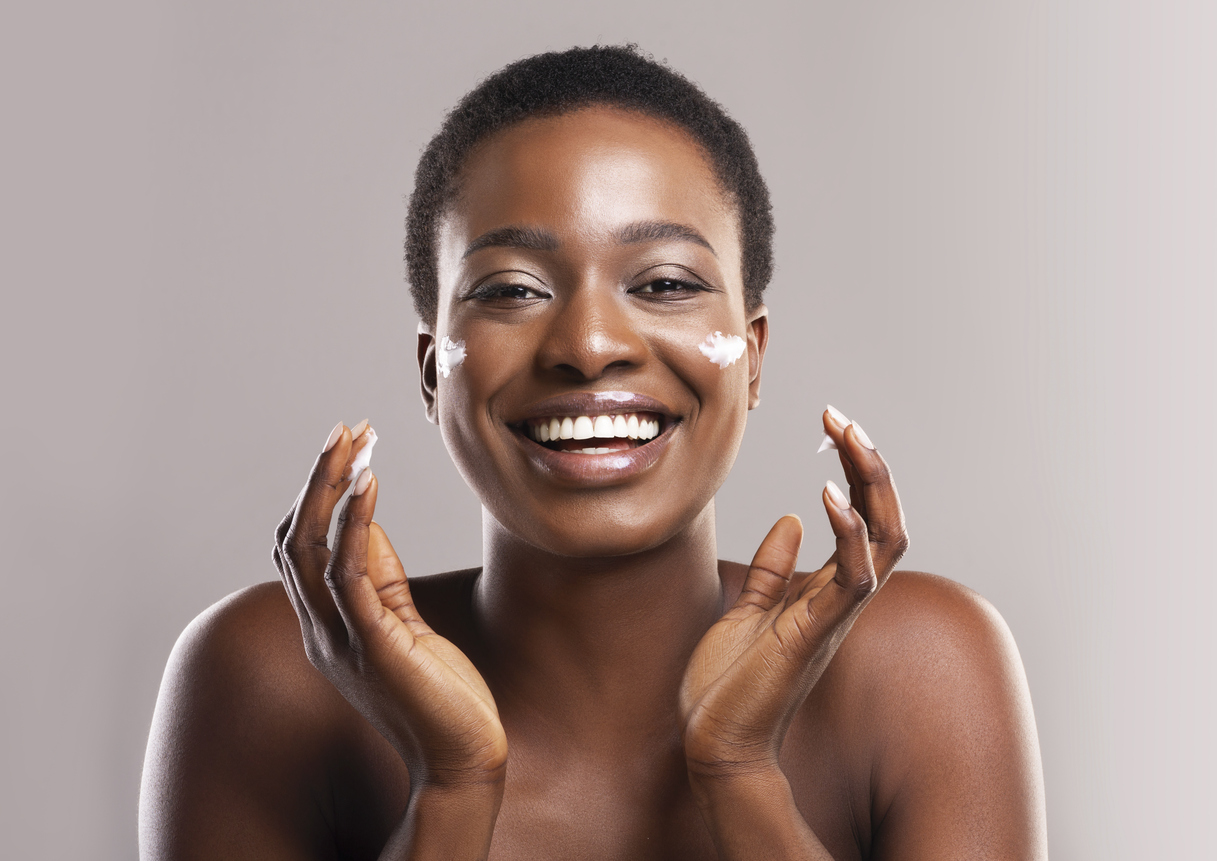
If you are new to Korean skincare, it can feel like stepping into a completely different beauty culture. There are essences, ampoules, sleeping masks, cushion compacts, and skin toners that feel more hydrating than many serums, and routines that seem far more considered than the standard cleanse-and-moisturise formula many people grew up with.
What makes Korean skincare different, though, is not just the product names or the polished packaging. The real difference is the philosophy behind it. K-beauty tends to take a more measured, skin-respectful approach. Instead of treating skincare like a battle against flaws, it often focuses on hydration, barrier support, consistency, and helping skin look healthy, settled, and naturally radiant over time.
That is part of why it appeals to so many people. It feels less like punishment and more like care.
Korean skincare is usually built around skin balance
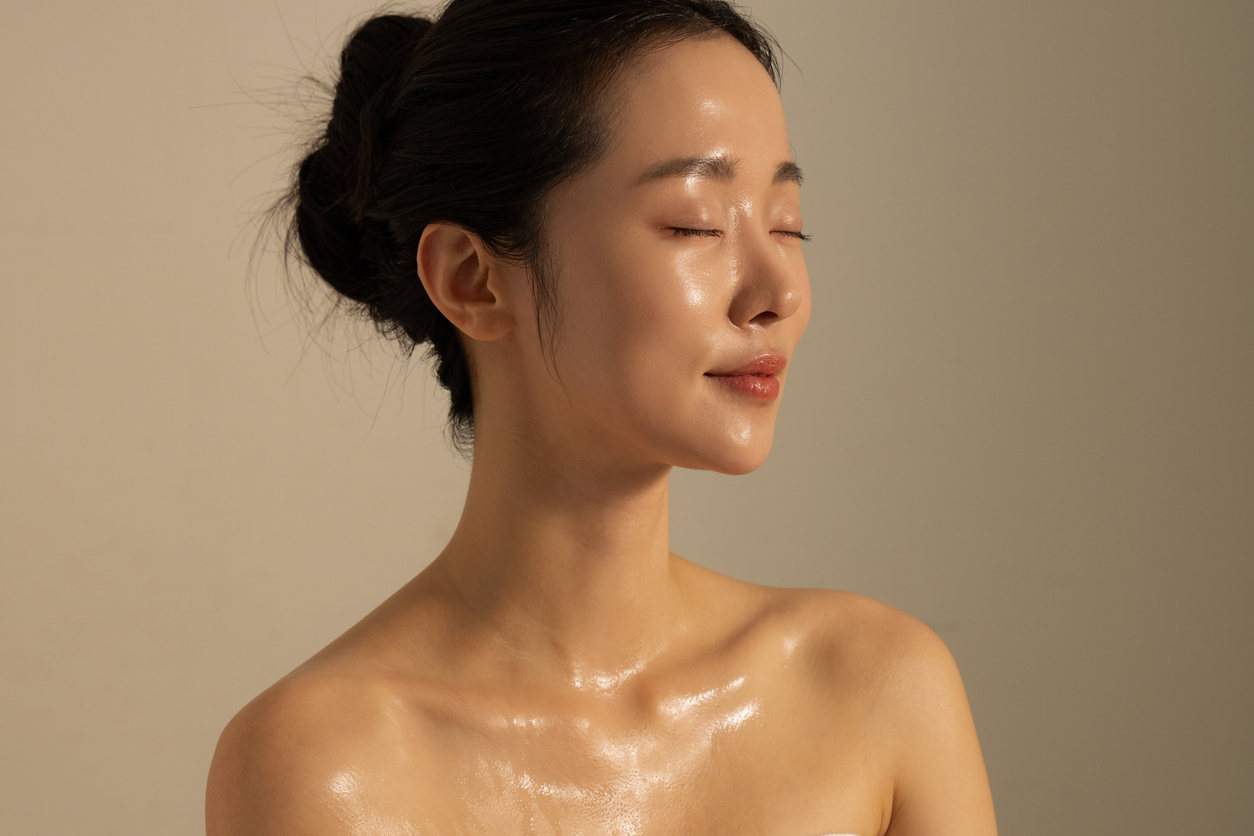
One of the most noticeable differences in Korean skincare is its focus on maintaining balance rather than chasing dramatic overnight change. A lot of traditional Western skincare has been marketed around strong correction, whether that means drying out blemishes, scrubbing away texture, or using harsher products in the hope of quicker results.
Korean skincare often approaches things differently.
Instead of asking how to strip the skin back, it usually asks:
- How can we keep the skin comfortable?
- How can we support hydration levels?
- How can we help the barrier stay strong?
- How can we build a routine that is realistic enough to stick to?
That shift in mindset matters. Skin that is well looked after often appears smoother, calmer, and fresher, not because it has been forced into perfection, but because it is functioning better overall.
Texture plays a huge role in the experience
Another thing that sets K-beauty apart is texture. Korean skincare is known for formulas that feel elegant on the skin. That might sound like a small thing, but it has a big effect on how people use products consistently.
You will often find:
- Watery toners that absorb quickly
- Lightweight essences that add hydration without heaviness
- Gel creams that feel fresh and comfortable
- Serums that layer well without pilling
- Sleeping masks that feel nourishing rather than greasy
This matters because a routine has to feel good if it is going to become part of daily life. Korean skincare often understands that practicality and sensory appeal are not superficial extras. They are part of what makes a routine sustainable.
Hydration sits at the centre of the routine
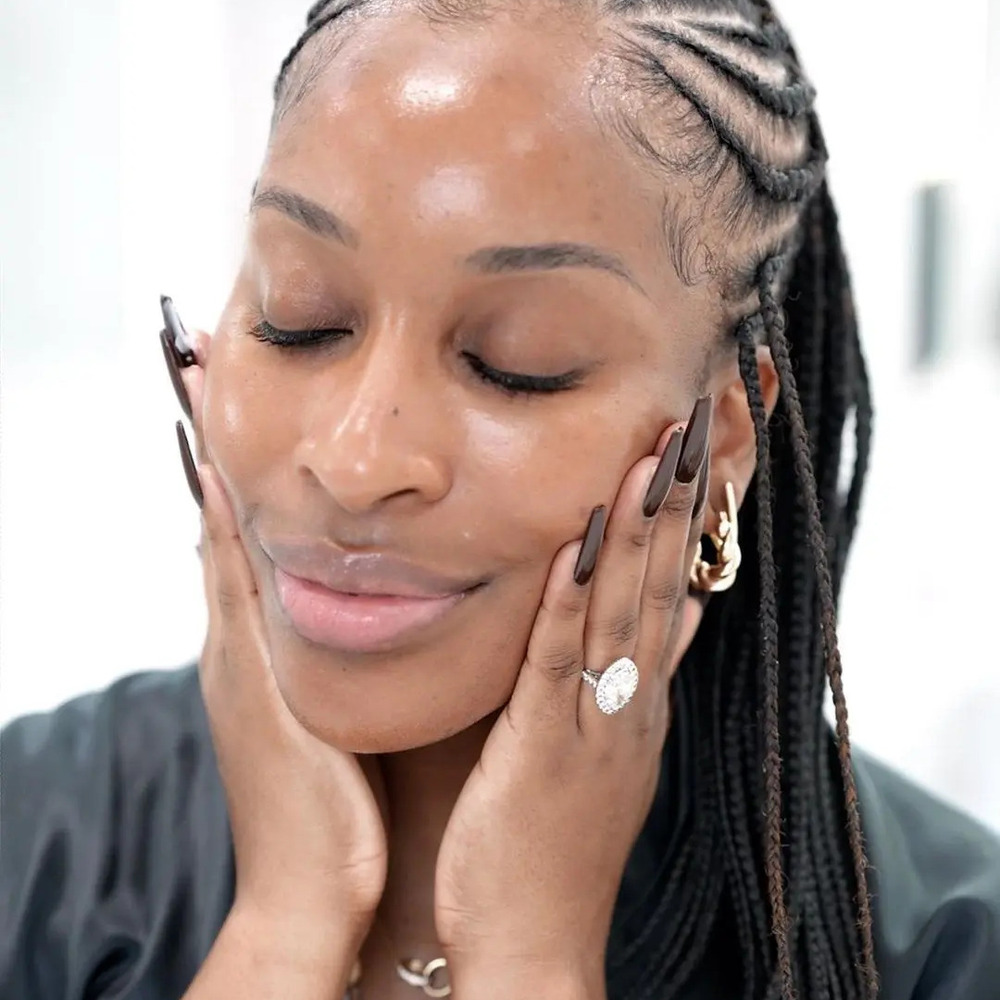
When people think of Korean skincare, they often think of glow. But that glow is usually less about shimmer or shine and more about skin that looks well hydrated and properly supported.
Hydration is one of the biggest foundations of K-beauty. When skin has enough moisture, it tends to feel more comfortable and look more supple. It can also appear smoother and less dull. That is why so many Korean skincare routines include products designed to replenish water content and support the skin barrier rather than constantly pushing exfoliation.
For beginners, this can be a much gentler way into skincare. Rather than overloading the skin with too many actives at once, the focus is often on building a stable base first.
Ingredients are often chosen with comfort in mind
K-beauty has also become well known for ingredients that sound exciting but often serve a simple purpose: helping skin feel more supported.
You will regularly see ingredients such as:
- Centella asiatica
- Snail mucin
- Ceramides
- Propolis
- Rice extract
- Peptides
- Heartleaf
- Fermented extracts
None of these ingredients is a magic cure, and no skincare product can completely fix every concern. Still, many of them are popular because they are frequently used in formulas designed to hydrate, soften, and support the skin without making routines feel too harsh.
If you are exploring brands and product ranges midway through your K-beauty journey, collections such as Medicube can be a useful place to look, especially if you want to get a feel for well-known Korean formulations within a wider curated skincare shop.
It is not really about doing 10 steps
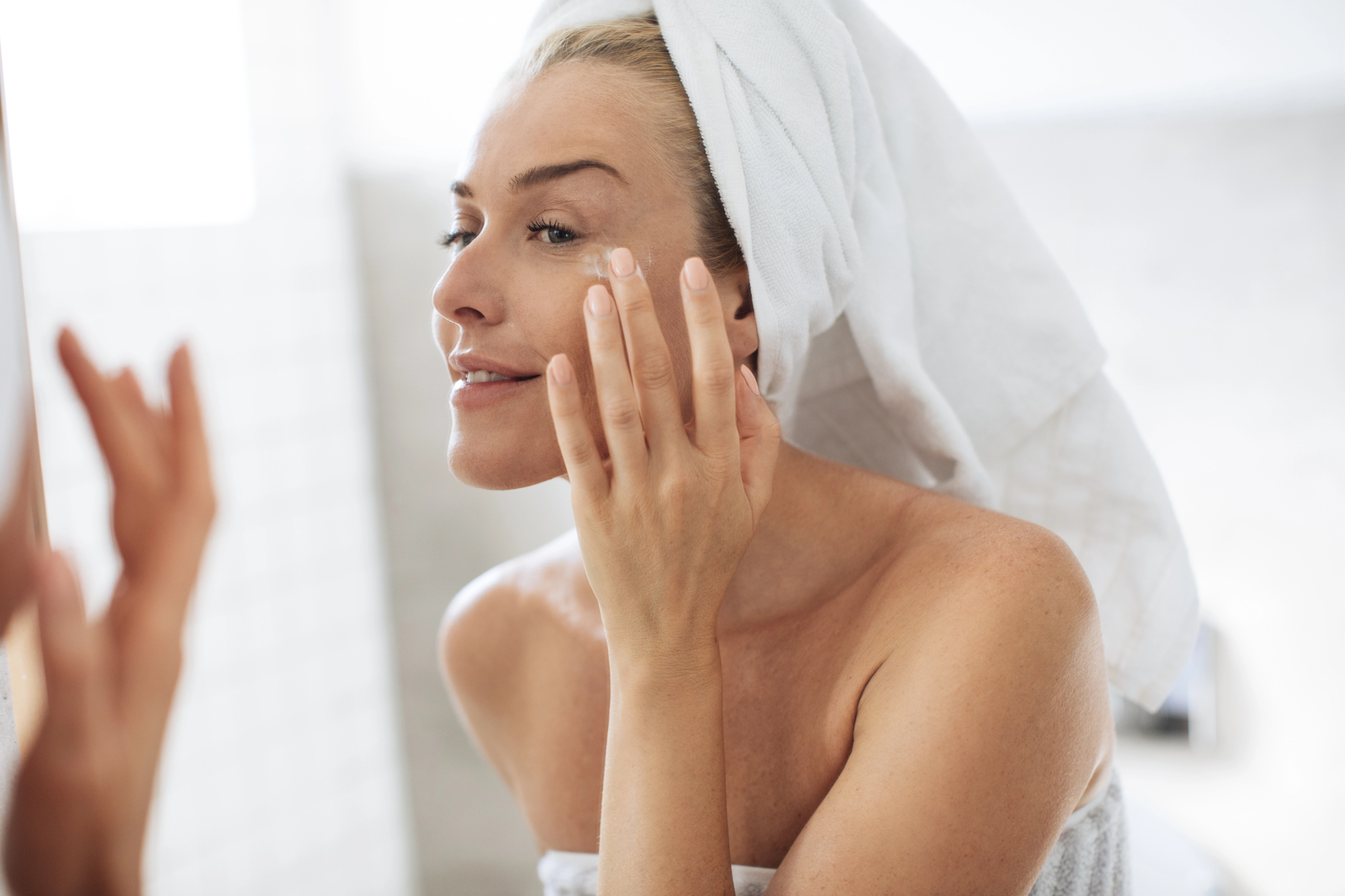
A lot of people assume Korean skincare means a complicated 10-step routine, but that is one of the biggest misconceptions around it. In reality, Korean skincare is less about doing more and more and more about choosing better.
A solid beginner routine might simply include:
- Gentle cleanser
- Hydrating toner or essence
- Serum suited to your skin needs
- Moisturiser
- SPF during the day
That is enough for many people. The point is not to copy an elaborate routine from the internet. It is to understand what your skin responds to and build from there.
Why Korean skincare feels different to beginners
For someone just starting, Korean skincare often feels more approachable because it does not always rely on harsh language or unrealistic promises. It tends to leave more room for patience. More room for skin to fluctuate. More room for routines to be adjusted according to season, sensitivity, or lifestyle.
That softer approach can make skincare feel more inclusive, too. It is not just about chasing flawlessness. It is about helping people feel good in their skin and enjoy the process of looking after it.
The real takeaway
What actually makes Korean skincare different is not one miracle ingredient or one viral product category. It is the overall perspective.
In simple terms, K-beauty tends to prioritise:
- Hydration before aggression
- Support before overload
- Consistency before quick fixes
- Healthy-looking skin over impossible perfection
That is why so many people keep coming back to it. Korean skincare often feels thoughtful, comforting, and realistic in a way that makes long-term sense. For beginners, that is a far better starting point than any trend-driven promise ever could be.
Featured Image: Prostock-Studio/iStock
—Read also
The post New To Korean Skincare? Here’s What Actually Makes It Different appeared first on Style Rave | The Ultimate Style Guide.