Change is rarely subtle in fashion, especially when it happens at the top. At a time when luxury labels are doubling down on corporate structure and global expansion, Fear of God is moving in the opposite direction, stripping things back to something more personal, more controlled, and arguably more aligned with its roots.
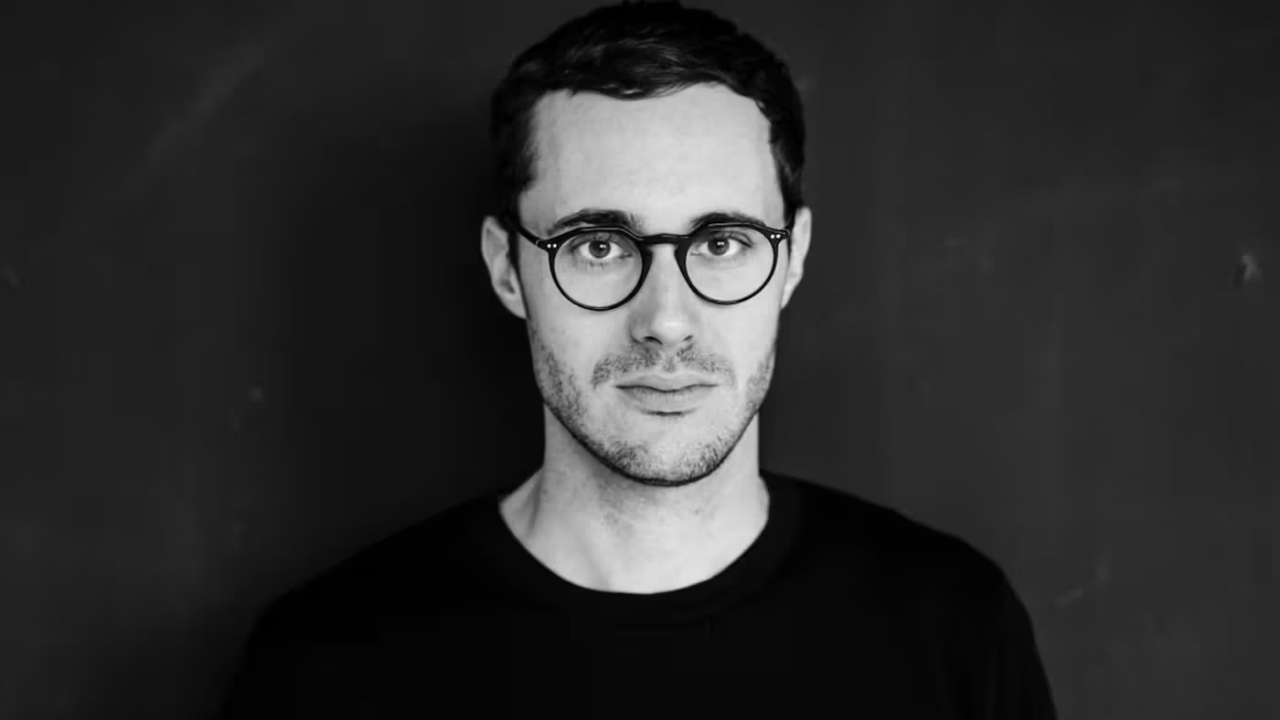
In a surprising but telling move, Fear of God has officially announced the departure of its Chief Executive Officer, Bastien Daguzan. More notably, the Los Angeles-based label isn’t looking for a replacement. Instead, it is eliminating the CEO role, signaling a significant internal shift that places founder Jerry Lorenzo back at the center of the brand’s day-to-day operations.
A Strategic Reset, Not Just an Exit
Bastien Daguzan Exits as Fear of God CEO https://t.co/M1B3LlRImF
— WWD (@wwd) April 8, 2026
Daguzan’s exit comes less than two years after he joined the company in 2024, bringing with him a strong reputation from his previous role at Jacquemus. At the time, his appointment reflected Fear of God’s ambitions to scale aggressively—expanding its global footprint, refining its business operations, and strengthening its direct-to-consumer channels.
And to some extent, that strategy worked.
During his tenure, the brand experienced moderate growth, particularly in its e-commerce segment. Reports indicate that Fear of God’s direct-to-consumer sales doubled, a notable achievement in an increasingly competitive luxury market. Yet, growth alone doesn’t always define direction.
This latest decision suggests something deeper. Rather than continuing down a traditional corporate path, the brand appears to be recalibrating—choosing clarity of vision over layered leadership.
Jerry Lorenzo Steps Back Into the Driver’s Seat
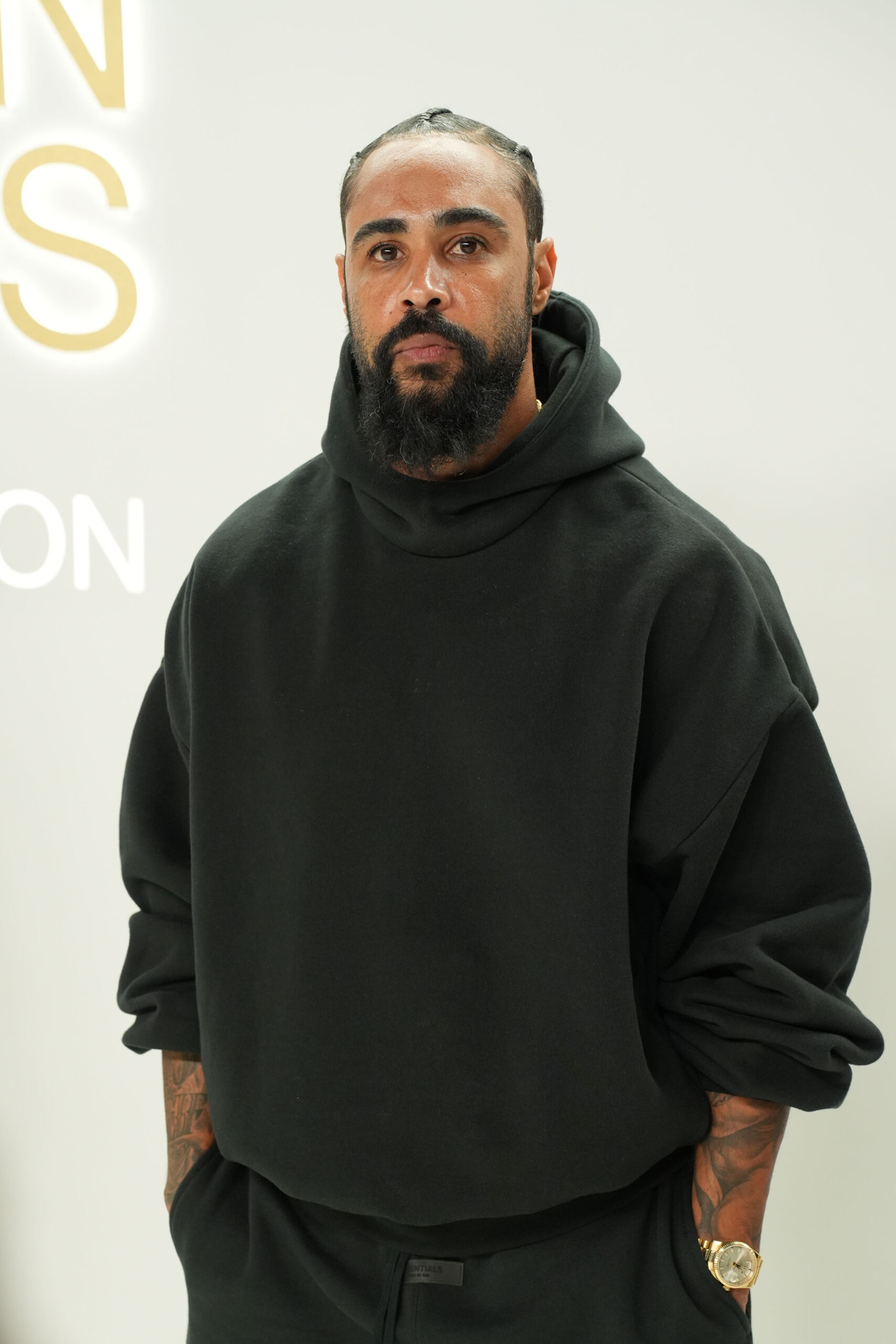
For those familiar with Fear of God’s origin story, this shift feels less like a disruption and more like a return.
Founded in 2013 by Jerry Lorenzo, the label quickly carved out a distinct space within luxury streetwear. Lorenzo, who famously entered the fashion world without formal design training, built the brand on instinct, cultural awareness, and a clear understanding of aspiration. His approach blurred the lines between streetwear and high fashion, creating pieces that felt both elevated and accessible.
Now, with the CEO role removed, Lorenzo is expected to take on a far more hands-on role in shaping the brand’s future. That means more direct oversight. More creative control. And likely, a tighter alignment between vision and execution.
It also raises an interesting question: can a founder-led structure outperform a traditional executive model in today’s luxury landscape?
The Philosophy Behind the Shift
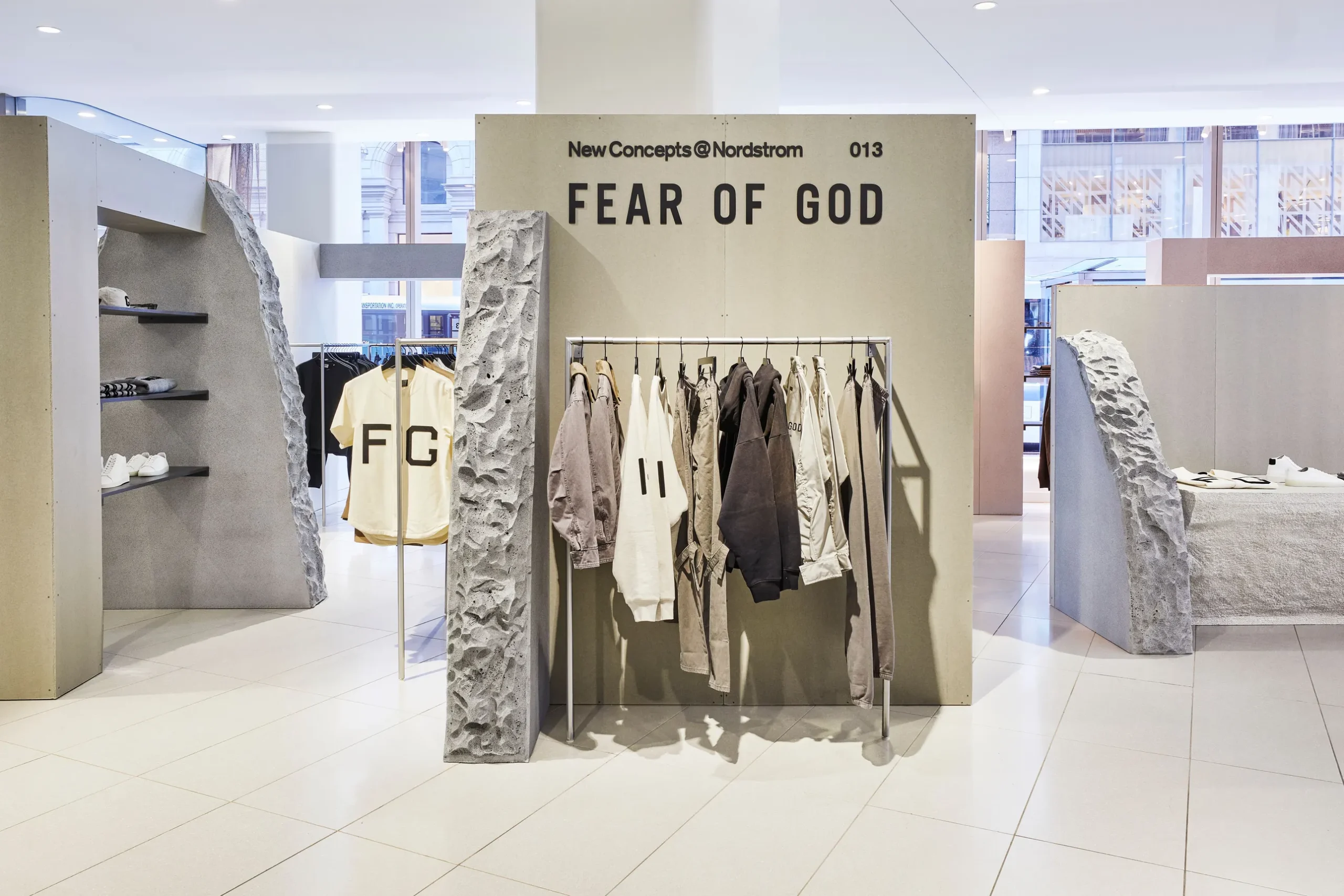
In its official statement, Fear of God offered a glimpse into the thinking behind the decision, noting, “Our responsibility extends beyond the successes and failures of the tangible. We are committed to an eternal vision guided by alignment, intention, and consideration.”
It’s a message that feels deliberately abstract, but the underlying idea is clear.
By removing the CEO position, the brand is effectively flattening its leadership structure. In doing so, it creates space for a more unified direction—one where decisions are less filtered and more directly connected to the founder’s original intent.
For a brand like this, which has always leaned heavily on identity and storytelling, that kind of alignment matters.
A Brand Built on Influence and Evolution
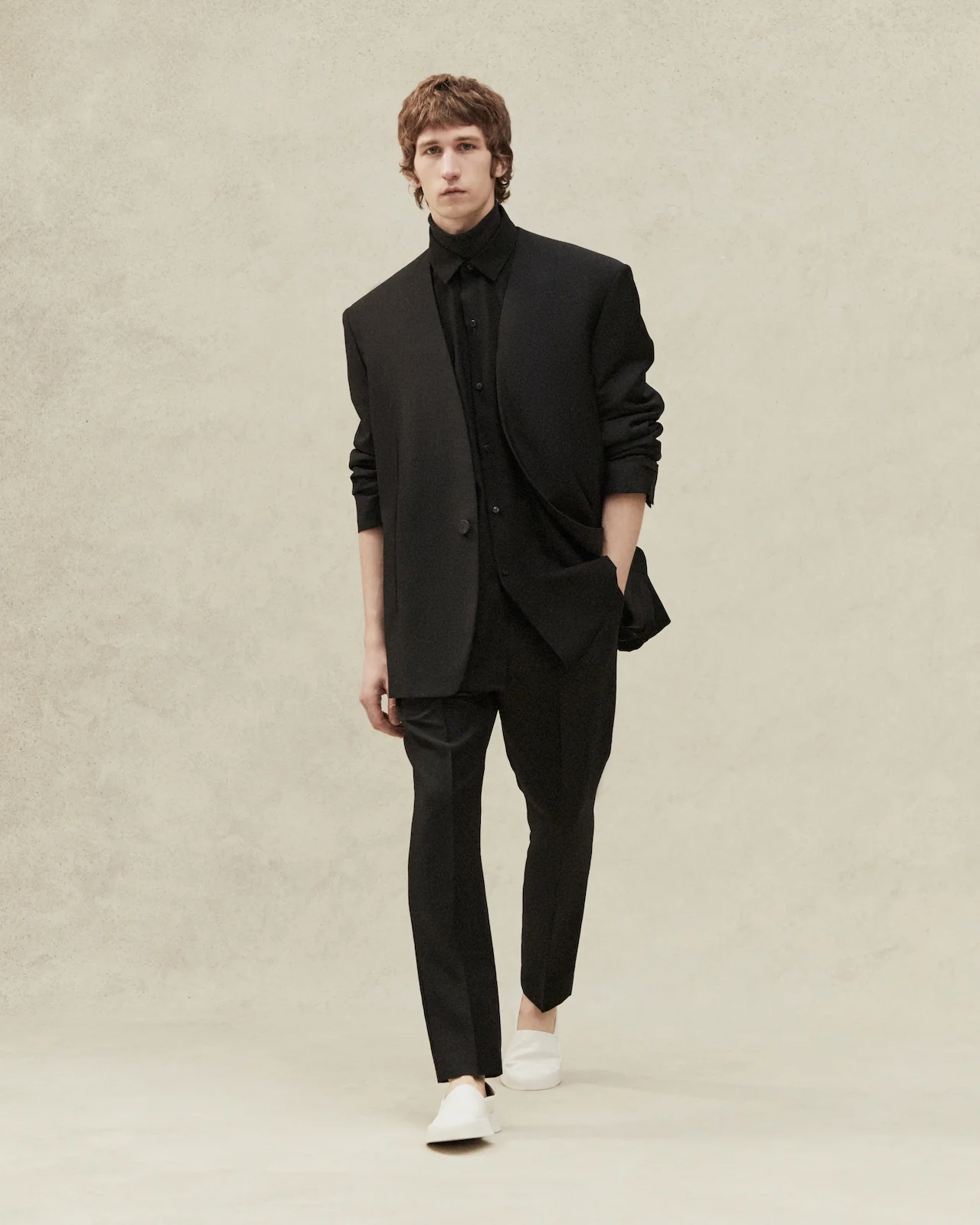
Over the past decade, Fear of God has grown far beyond its initial offering. What started as a menswear label has evolved into a multifaceted brand, spanning womenswear, accessories, and multiple sub-lines.
Its Essentials line, in particular, has become a commercial powerhouse, offering a more accessible entry point into the Fear of God universe. Meanwhile, collaborations and expansions, like its Athletics division, have further cemented its relevance in both fashion and lifestyle spaces.
Culturally, the brand’s influence is just as significant.
High-profile figures such as Justin Bieber, Kendrick Lamar, and Virgil Abloh have all been associated with the label at various points, helping to amplify its visibility and credibility across industries.
That kind of cultural capital isn’t easily replicated, and it’s often closely tied to the founder’s vision.
What This Means Going Forward
Bastien Daguzan Exits as Fear of God CEO https://t.co/2W6GnNxHNC
— Footwear News (@FootwearNews) April 8, 2026
While the immediate impact of Daguzan’s departure may seem minimal on the surface, the long-term implications are far more significant.
Without a CEO, the responsibility of steering the brand becomes more concentrated. Decision-making may become faster, but it also becomes more dependent on Lorenzo’s leadership capacity. The success of this structure will likely hinge on his ability to balance creativity with operational demands.
At the same time, this move sets Fear of God apart from many of its peers.
In an industry increasingly driven by corporate frameworks, the brand is choosing a more unconventional path—one that prioritizes vision over hierarchy. It’s a risk, but also an opportunity to redefine how modern fashion houses operate.
Featured image: Fear of God
The post Fear Of God Restructures Leadership As CEO Bastien Daguzan Exits The Brand appeared first on Style Rave | The Ultimate Style Guide.