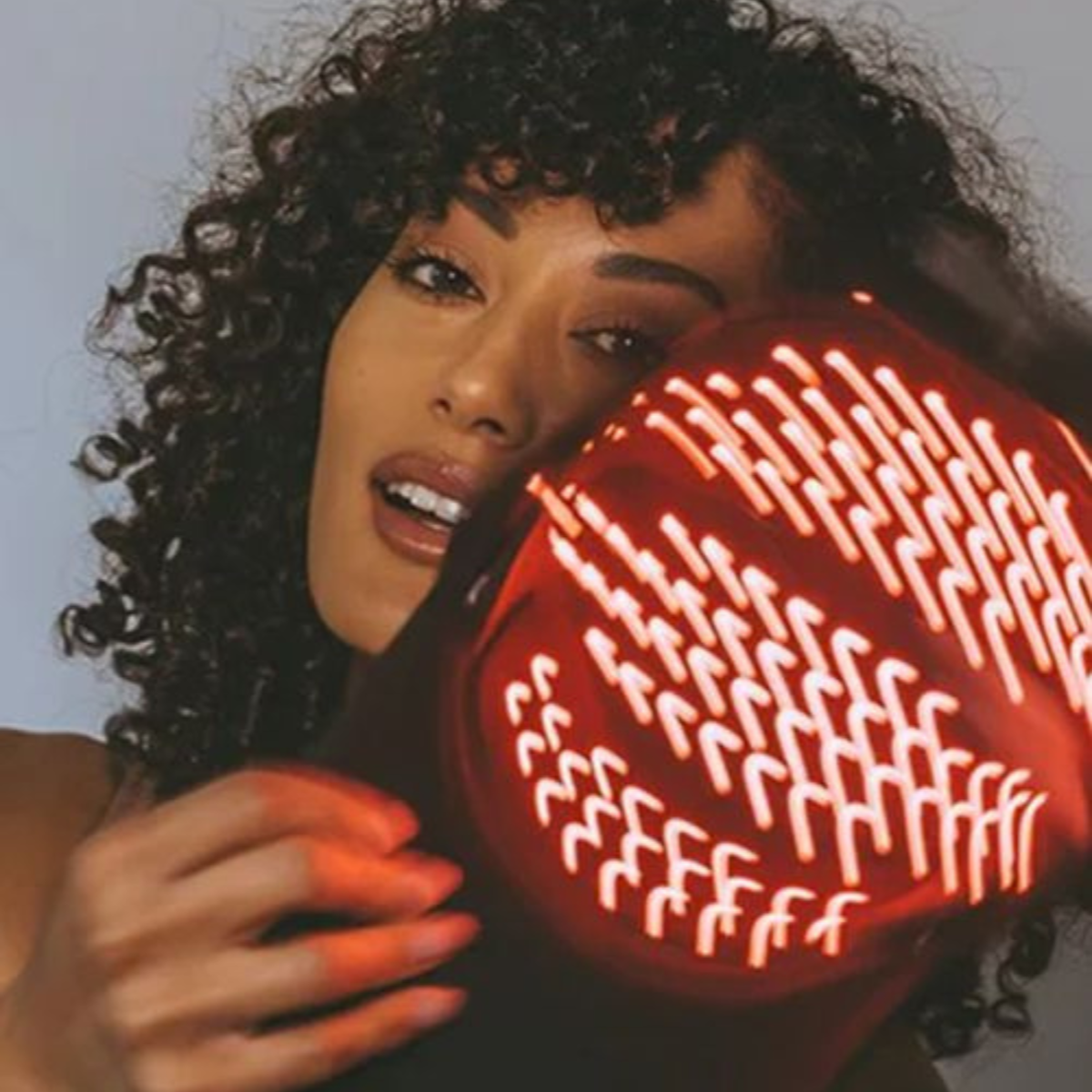

Conversations about hair loss treatment are evolving. What once revolved around oils, tonics, and supplements is now shifting toward something more technical: light, timing, and wavelengths. Instead of asking which serum to massage into the scalp, people are increasingly asking how often to sit in front of a device, and how many months it may take to see results. This shift has pushed the use of a red light panel for hair growth into the spotlight, transforming it from a niche beauty gadget into a structured, long-term treatment strategy.
The appeal is easy to understand. Hair thinning often unfolds slowly and frustratingly, and most treatments require months of patience. So when a device claims to improve circulation, energize follicles, and strengthen growth cycles without injections or medication, people naturally pay attention. However, hair growth is governed by biology, not quick fixes.
Unlike skincare trends that promise instant glow, hair follicles operate on cycles. Some follicles are actively growing, others are resting, and some are gradually shrinking. Red light therapy works by supporting follicles during their active and miniaturizing stages, helping them perform better rather than forcing dormant follicles to regenerate from nothing. That distinction matters because expectations often determine satisfaction.
Before investing in a device, it helps to understand exactly how red light therapy works and how realistic the results are.
Let’s break it down clearly.
How Does Red Light Therapy Help Hair Grow?

Red light therapy panels typically emit wavelengths between 630 and 670 nanometers, a range considered ideal for photobiomodulation, a process in which light energy interacts with cells to stimulate activity.
The science centers on mitochondria, the structures inside cells responsible for producing energy. When exposed to red and near-infrared light, mitochondria may generate more cellular energy, improving overall follicle performance.
Here’s what happens beneath the surface:
- Red light penetrates the scalp
- Mitochondria in hair follicle cells become stimulated
- Cells produce more ATP, the body’s energy molecule
- Increased energy strengthens follicle function
- Blood vessels dilate slightly, improving circulation
In simple terms, a red light panel for hair growth creates a healthier environment for follicles that are still alive but underperforming. It does not revive follicles that have completely shut down. For that reason, the therapy tends to work best for mild to moderate thinning, rather than areas where hair loss is already advanced.
Research suggests hair growth improvements of 35–51 percent compared to placebo groups, particularly during early-stage thinning. While those results are promising, they also reinforce one key point: starting early matters.
Who Benefits Most From Red Light Therapy?
Red light therapy for hair growth tends to work best for people experiencing:
- Androgenetic alopecia (pattern hair loss)
- Postpartum shedding
- Stress-related thinning
- Early-stage hair density loss
By contrast, it is less effective in areas that have been bald for years, where follicles are no longer active. If you are unsure about the cause of your hair loss, a medical evaluation should come first. Conditions such as hormonal imbalances, iron deficiency, thyroid disorders, or chronic stress can all affect hair density. Addressing these underlying factors often improves the effectiveness of light therapy.
How Often Should I Use Red Light for Hair Growth?
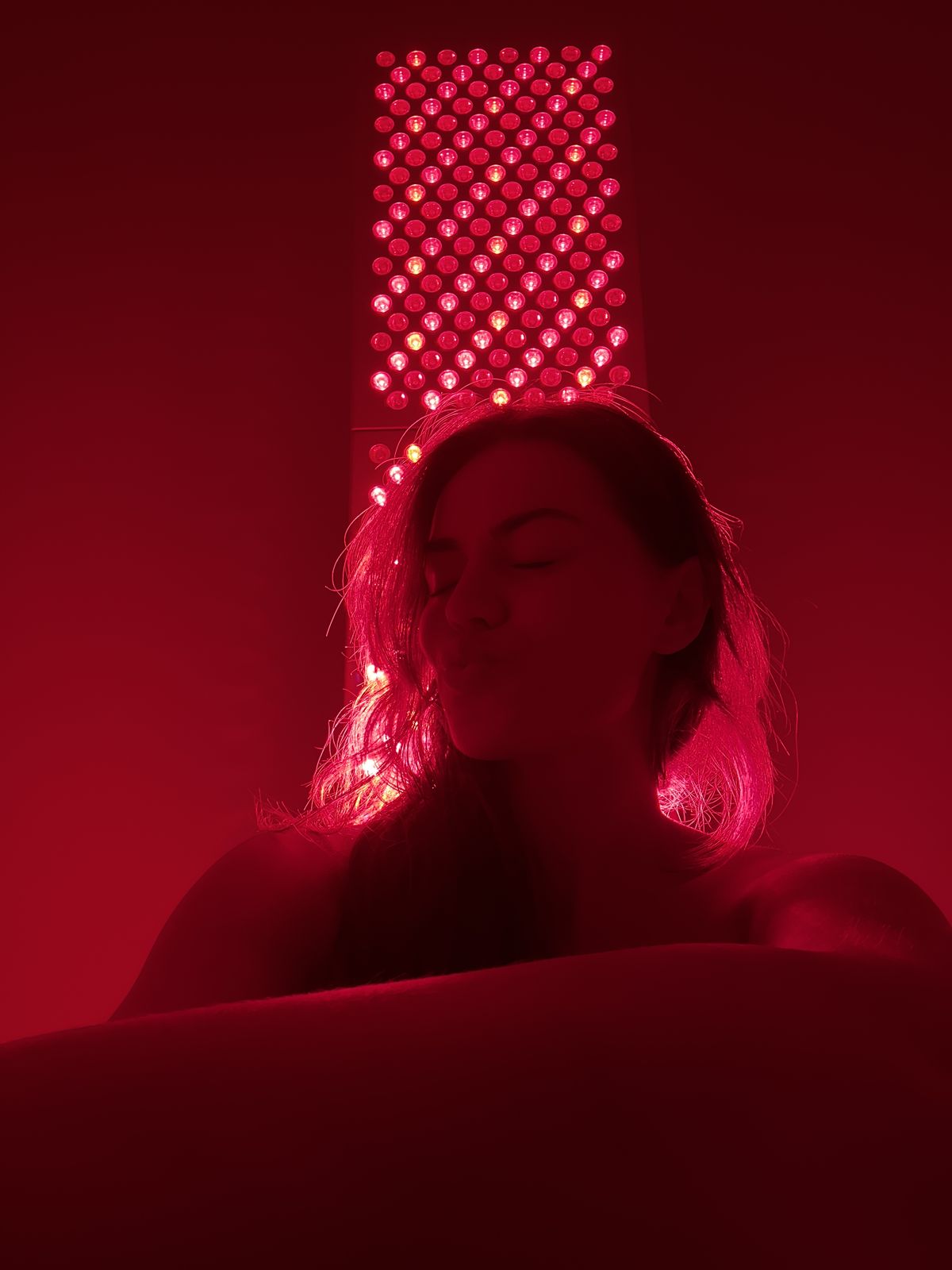
Frequency is one of the most important factors in achieving results. Most manufacturers recommend the following routine:
- 10–20 minutes per session
- 3–5 sessions per week
- At least 4–6 months of consistent use
Because hair growth cycles take time, visible thickening may take months, even if follicles respond sooner at the cellular level. Using a red light panel for hair growth once a week is unlikely to produce noticeable changes. At the same time, using it excessively does not necessarily accelerate results.
When it comes to red light therapy, consistency matters far more than intensity. It’s also important to understand that if treatment stops completely, the benefits can gradually fade.
Can You Overdo Red Light Therapy for Hair Growth?
Yes, more is not always better. Red light therapy works through controlled stimulation. While it does not burn the skin like ultraviolet light, excessive exposure can irritate the scalp or cause temporary sensitivity.
Extending a recommended 20-minute session to 45 minutes, for example, will not double your hair growth rate. Instead, it may simply increase the risk of irritation. If your scalp feels tender, dry, or inflamed, reduce the frequency. Proper stimulation should feel warm and comfortable, not reactive.
What Are the Side Effects of a Red Light Cap for Hair Growth?
When used correctly, red light therapy is generally considered safe. The most common side effects include:
- Mild scalp irritation
- Temporary redness
- Slight dryness
- A gentle warming sensation during use
Serious side effects are uncommon. However, individuals with scalp conditions such as psoriasis, eczema, or dermatitis should consult a dermatologist before starting treatment. Similarly, if you take medications that increase light sensitivity, professional guidance is recommended before using a red light panel for hair growth.
Panel vs. Helmet: What’s the Difference?
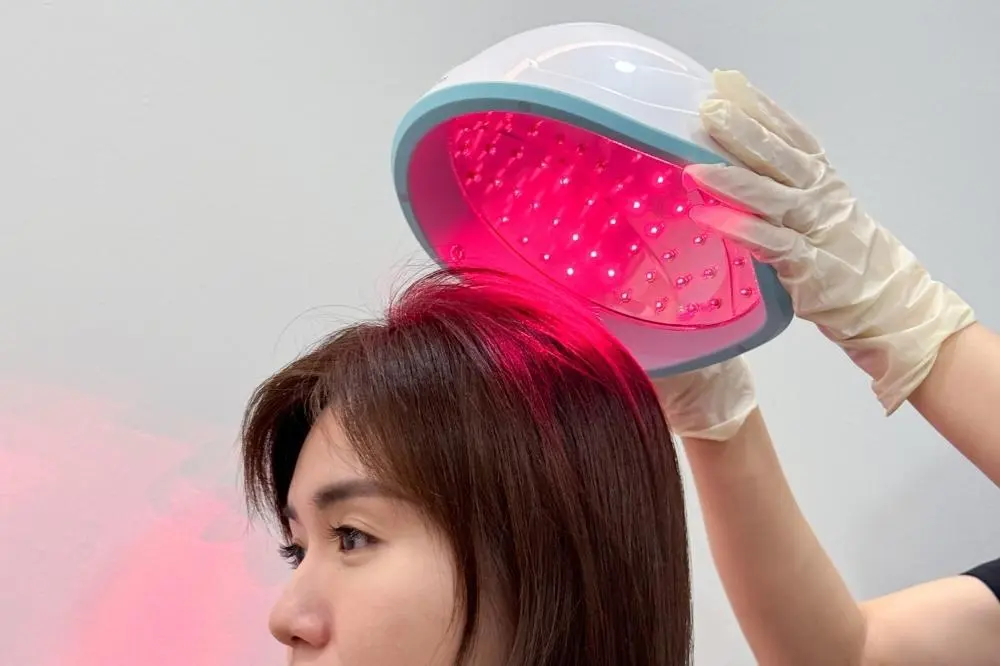
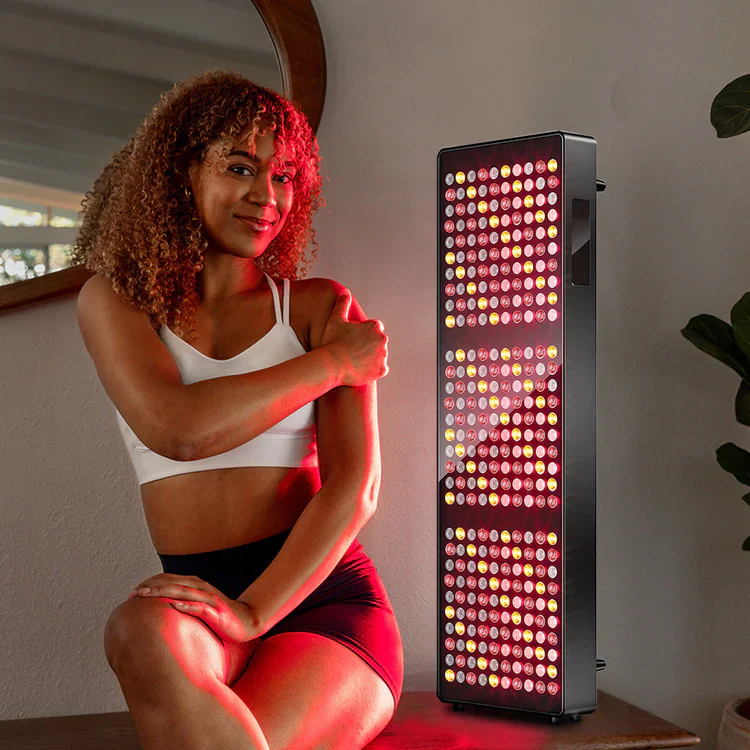
Many people encounter red light helmets or caps designed specifically for scalp treatment. These devices sit directly on the head, providing hands-free coverage across the scalp. A red light panel, by contrast, requires positioning the device so the light reaches the scalp.
Panels offer greater versatility because they can be used for both skin and hair treatments, making them appealing for multi-purpose use. However, they do require careful positioning to ensure the light reaches the scalp itself rather than just the hair strands. While helmets provide more targeted coverage, panels can still be effective when used correctly.
Is Red Light Therapy Safe for the Scalp?
Short-term research suggests red light therapy is generally safe. It does not use ultraviolet light, so it is not associated with the same cancer risks linked to UV exposure. The most common side effects are mild, such as temporary warmth or slight scalp sensitivity.
That said, individuals with scalp conditions like psoriasis, eczema, or severe dermatitis should consult a dermatologist before starting treatment. Those taking photosensitizing medications should also seek medical advice.
As with skin-focused devices, you may see “FDA-cleared” listed on products. This indicates the device is considered low risk. It does not guarantee effectiveness. Understanding that distinction protects you from unrealistic expectations.
Shop editor’s finds
Final Take
The appeal of red light therapy for hair lies in control. It allows people to take action at home, without prescriptions or injections. That autonomy is powerful. However, hair loss is emotional. It can push people toward overuse, unrealistic expectations, or layering too many treatments at once. That is where discipline matters.
A red light panel for hair growth works best when treated as a structured program, not a quick fix. Follow the schedule. Track progress monthly, not weekly. Pair it with a healthy scalp routine and, if necessary, medical guidance. If you approach it strategically, red light therapy can support density and slow thinning. If you expect instant regrowth, frustration will follow.
The future of hair care is shifting toward stimulation rather than suppression. Instead of blocking hormones alone, we are learning how to energize follicles directly. Red light therapy fits into that evolution, but it rewards patience above all else. Healthy growth starts with consistency. And consistency, in this case, is measured in months, not minutes.
Featured image: Maison Rogue
Hair Loss In Women Explained: Science-Backed Solutions That Work
The post How To Use Red Light Panel For Hair Growth Without Overdoing It appeared first on Style Rave | The Ultimate Style Guide.