Only a few artists generate as much anticipation as Ye. No matter the controversy, reinvention, or his musical instincts, he keeps himself at the center of cultural conversation. On “Bully,” his latest album, he turns to self-reflection and reckoning. Kanye West’s “Father,” featuring Travis Scott, stands out as one of the album’s most layered tracks.
The timing of the track’s release seems intentional. It was first teased in a late-2025 campaign and then previewed at a March 2026 listening event. As with any Kanye West and Travis Scott collaboration, “Father” comes with high expectations. Rather than aiming for spectacle, the song looks inward. It’s a thoughtful, meditative piece that explores redemption, identity, and the tension between fame and faith.
A Reunion That Feels Intentional
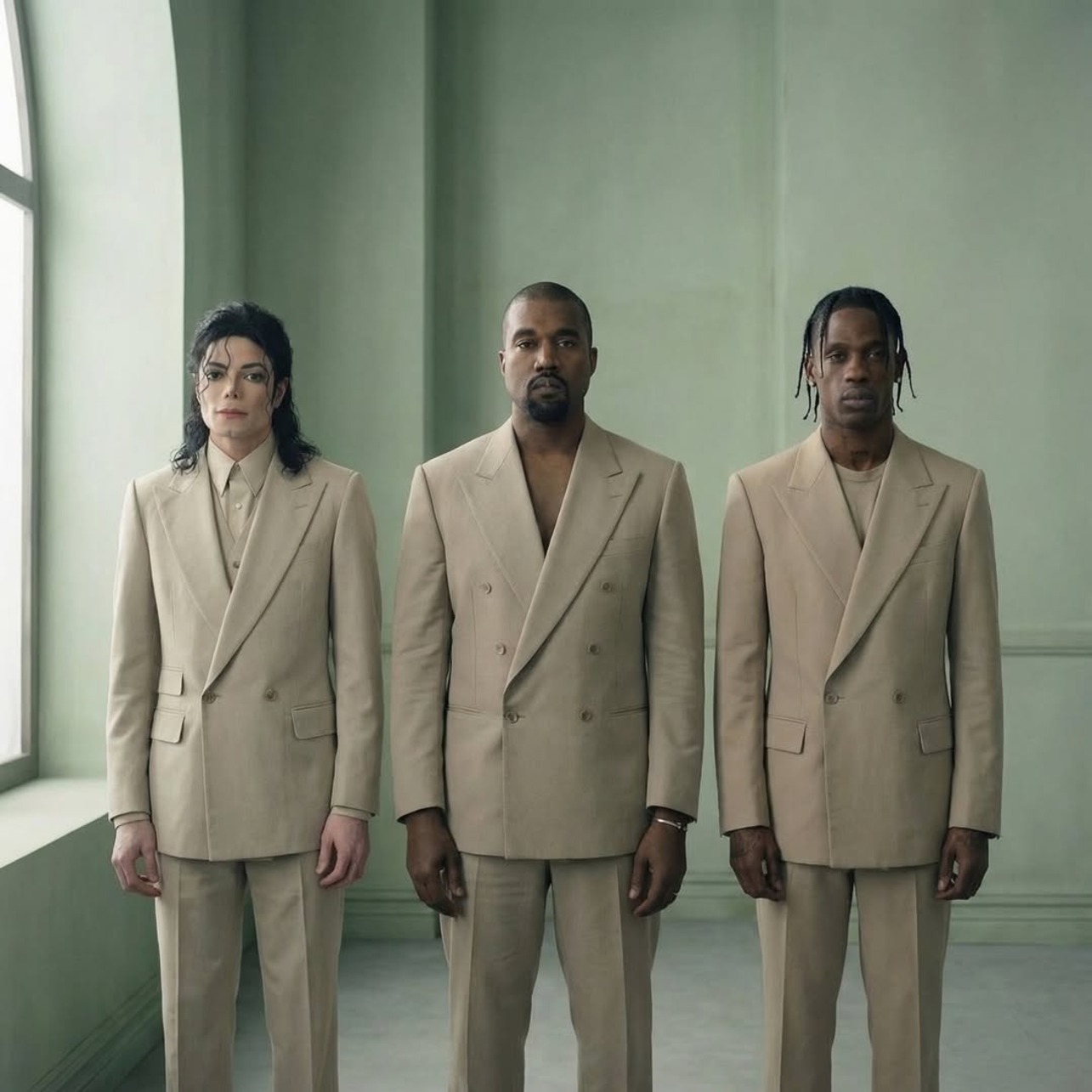
“Father” comes from the renewed creative partnership between Ye and Travis in 2024. Their earlier collaborations were full of high-energy chaos, but this track feels more restrained and purposeful. Rather than competing, they now work together with a sense of balance.
Travis Scott’s part reflects Ye’s story. His style adds depth without breaking the emotional tone. This helps create a sense of connection between generations. The mentor-protégé relationship is still there, but now it feels more like a shared perspective than a strict hierarchy. Together, they start a conversation that links different eras of hip-hop while staying current.
Production That Prioritizes Space and Emotion
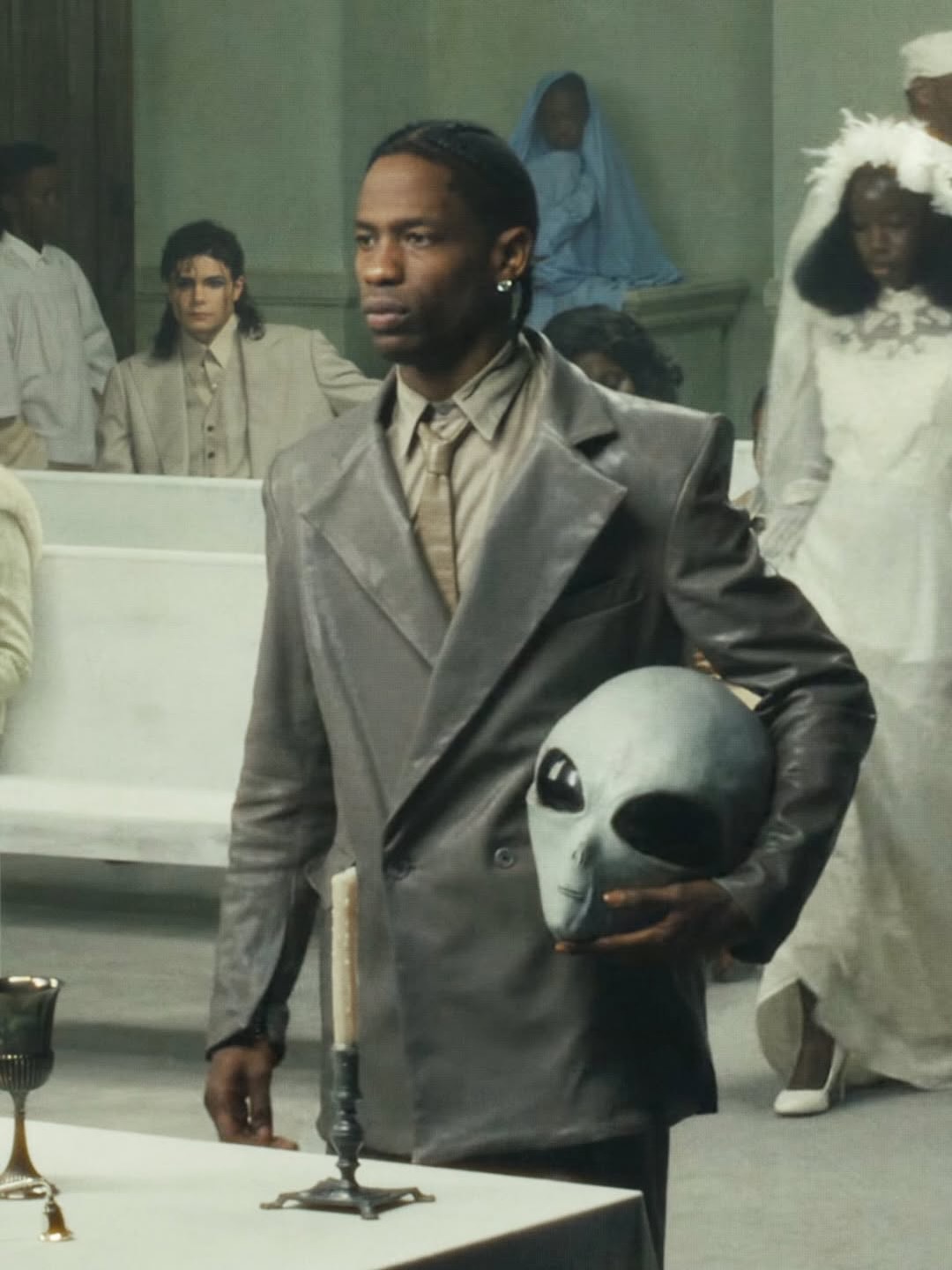
Kanye West’s production on “Father” shows a mature sense of restraint. The beat is both atmospheric and grounded, giving each part room to stand out. Rather than overwhelming the listener with big sounds, Ye builds the track slowly, adding layers that increase its emotional impact.
This style marks a big shift in his music, since his earlier work often focused on excess. In contrast, Kanye West’s “Father” stands out for its minimalism. The production supports reflection instead of taking over, which highlights the song’s introspective side. Ye’s real strength is his ability to change his sound without losing his identity. This shows that change can make his art deeper, not weaker.
The Spiritual Framework and Redemption Arc
At its heart, “Father” is a spiritual confession. Ye often repeats the line, “You’ve been better to us than we’ve been to ourselves,” grounding the story in humility. He presents his journey as guided by something greater than himself, not just personal achievement.
This theme continues in the chorus. Ye announces he is leaving his old self behind, which stands out, especially after recent controversies and efforts to take responsibility. The lines “Bye-bye to my old self / Wake up to the new me” are more than just a catchy hook—they feel like a mission statement.
Still, the song does not claim that redemption is complete. Through repeated prayers, Ye suggests that redemption needs ongoing reflection and guidance. This honest approach keeps “Father” grounded and avoids sounding self-congratulatory, showing it as a work in progress.
From Viral Chaos to Cultural Reflection
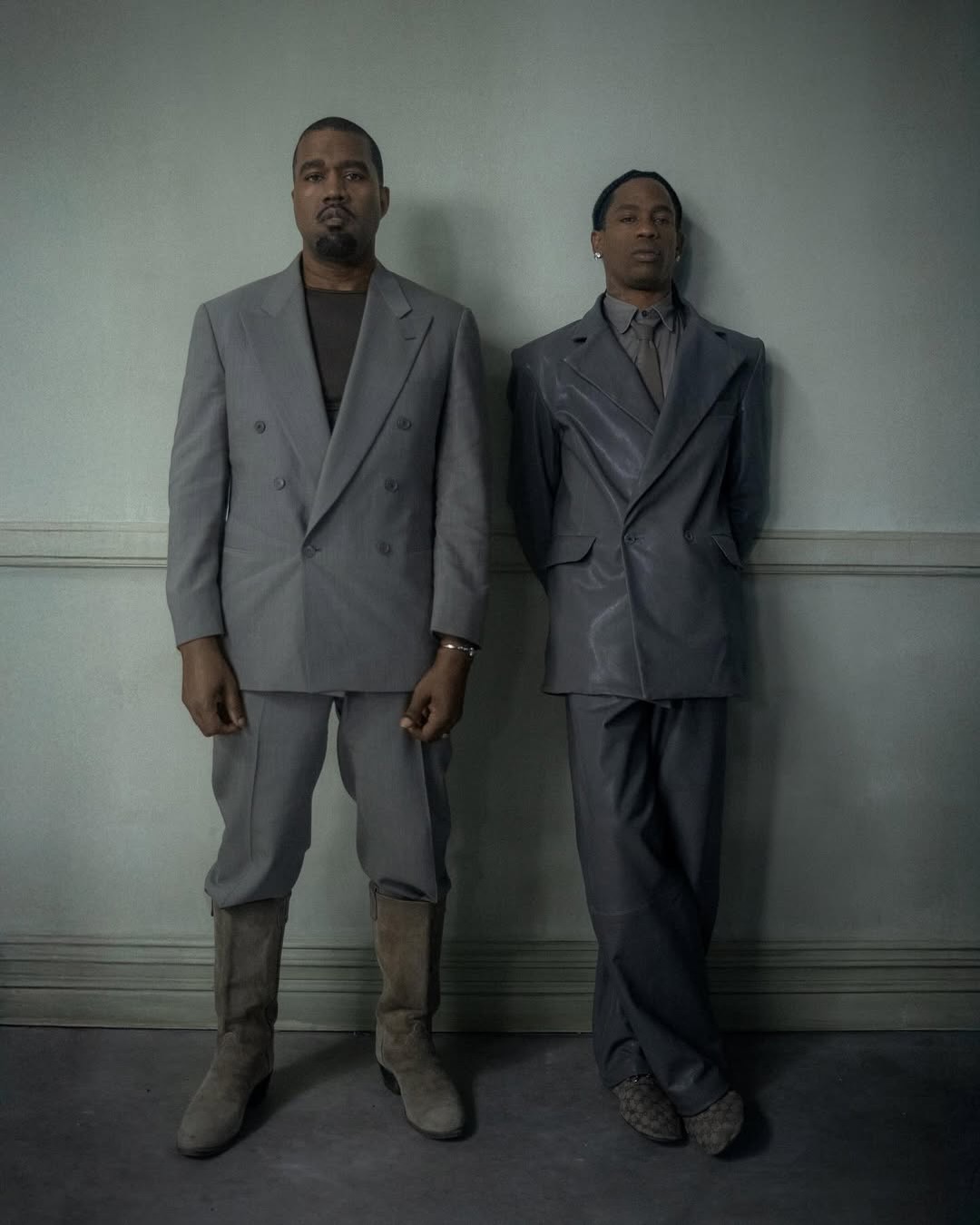
One of the track’s biggest contrasts is how Ye talks about changing cultural meaning. He compares his past ties to viral platforms with his current recognition in mainstream media. This shows how his place in the public eye has changed.
The transition is not smooth. In fact, it’s complicated. Ye admits that his appearances in major media often come from controversy, which shows self-awareness. “Father” does not avoid this tension; it faces it head-on, showing fame as both an opportunity and a responsibility.
Lyrics as a Map of Transformation
Geography is important in the song, especially with mentions of Chicago. Places that once meant childhood memories now show economic progress. Now, owning property there means more than just being from the city; it shows a change in status and connection to the place.
Travis Scott’s verse continues this theme, mixing luxury and survival. His words reflect Ye’s journey and support the idea that hip-hop success is often measured by real changes like wealth, property, and influence. But underneath, there’s a bigger question: what does transformation really mean?
The Music Video’s Symbolism and Surrealism
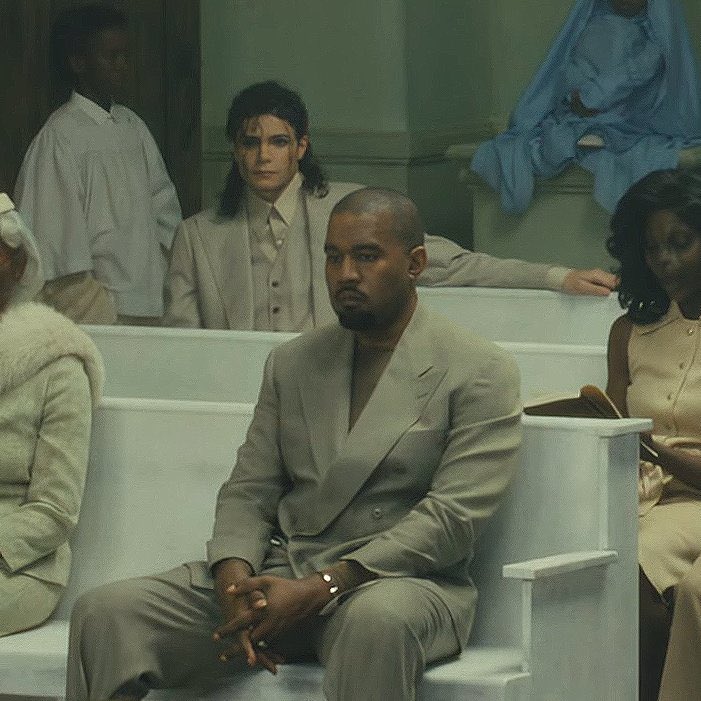
The “Father” music video, directed by his wife Bianca Censori, brings the song’s themes to life with surreal images. Set in a church, the video mixes sacred rituals with sudden chaos. You see a knight on horseback, police arrests, and alien figures.
One memorable moment shows a figure resembling Michael Jackson sitting quietly in the background, untouched by the chaos around him. This image could be seen as a comment on celebrity, legacy, or illusion, and it leaves room for different interpretations.
Ye and Travis wear masks that make them look like aliens, adding another layer to the video. This suggests a split between the roles they play and who they really are. The video focuses more on mood than story, which matches the song’s themes of truth and performance.
An Exceptional Moment on Bully

On Bully, “Father” stands out as one of the album’s most emotional tracks. It doesn’t try to change Kanye West’s style but instead sharpens it. The simple structure helps the message come through clearly, making it one of the album’s strongest moments.
More importantly, the song starts a conversation about growth, accountability, and spirituality in today’s hip-hop. Kanye West’s journey still divides people, but “Father” shows he is ready to face that complexity instead of ignoring it.
In the end, the song leaves us with a question instead of an answer: Is transformation ever really finished, or is it something we keep chasing?
Watch video…
Featured image: @ye/Instagram
—Read Also
The post Kanye West’s “Father” Is Deeper Than You Think: <em>Here’s What It Really Means</em> appeared first on Style Rave | The Ultimate Style Guide.