Somewhere between the laugh tracks and the safe punchlines, modern sitcoms lost something. Most people who watch television can feel it, even if they cannot quite name it. The jokes land without surprising anyone. The plots resolve without making anyone uncomfortable. The whole thing is competent and forgettable in equal measure. Lisa Kudrow has a theory about why, and she has put it plainly.
Speaking with Lily Tomlin for Interview Magazine while promoting the return of “The Comeback” on HBO, the Friends star was asked a direct question: Are sitcoms dying or just evolving? Her answer was equally direct. “I wish they were evolving,” she said. The distinction matters. Evolving would mean the format is finding new ways to do what it always did best. What Kudrow is describing sounds more like a retreat.
What Lisa Kudrow Actually Said About Modern Sitcoms
“Friends” star Lisa Kudrow says new sitcoms are “too afraid” to make jokes that make audiences “uncomfortable”:
“But I’m not drawn to new sitcoms that are multi-camera in front of an audience because I’m not buying it. I don’t know if that’s just because I’ve seen too many… pic.twitter.com/7ptmEBljuC
— Variety (@Variety) April 5, 2026
Kudrow, 62, was not vague about where she thinks the problem lies. She told Tomlin that she is not drawn to new multi-camera sitcoms filmed in front of a live audience, and she thinks it comes down to a fundamental shift in how comedy is being approached. “I think we need to get back to being able to tell jokes,” she said. “I feel like we’ve been too afraid to make jokes that might make people uncomfortable.”
She went further than just noting the caution. She articulated what the best comedy actually requires. “The really good ones, they’re not tame jokes. They’re jokes that are kind of, ‘I can’t believe you just said that.’ Comedy is about surprise. You need things you didn’t see coming.” That framing is useful. Comfort is the enemy of comedy. A joke that nobody could object to is also, almost by definition, a joke that nobody will remember. “Seinfeld,” “30 Rock,” and “Friends,” the three shows Kudrow cited as benchmarks of the form, all had moments that made audiences genuinely uncomfortable in the process of making them laugh. That discomfort was not incidental. It was the point.
The Broader Case Lisa Kudrow Is Making
When Tomlin pushed back and pointed out that multi-camera sitcoms are not exactly short on jokes, Kudrow clarified that she was not talking about quantity. She was talking about nerves. The issue is not the absence of jokes but the absence of daring ones. Modern sitcoms are not unfunny because the writers lack talent. They are, in Kudrow’s view, operating under a kind of collective anxiety about what is permissible, and that anxiety is incompatible with the best comedy.
This is a real tension in television right now. The internet has made the consequences of a misjudged joke faster and louder than at any previous point in the history of the medium. A line that reads as edgy in the writers’ room can become a trending topic by the time the episode airs. Writers and showrunners are making rational decisions in response to real risk. But the cumulative effect of those decisions is a genre that has had its nerve slowly removed, one careful executive note at a time.
Phoebe Was Never a Ditz, and Kudrow Wants That on the Record
Lisa Kudrow discusses being overlooked for rom-coms in ‘Friends’ era. Full story: https://t.co/v9CN7mtyEr pic.twitter.com/fZlAb9psoA
— Complex (@Complex) April 6, 2026
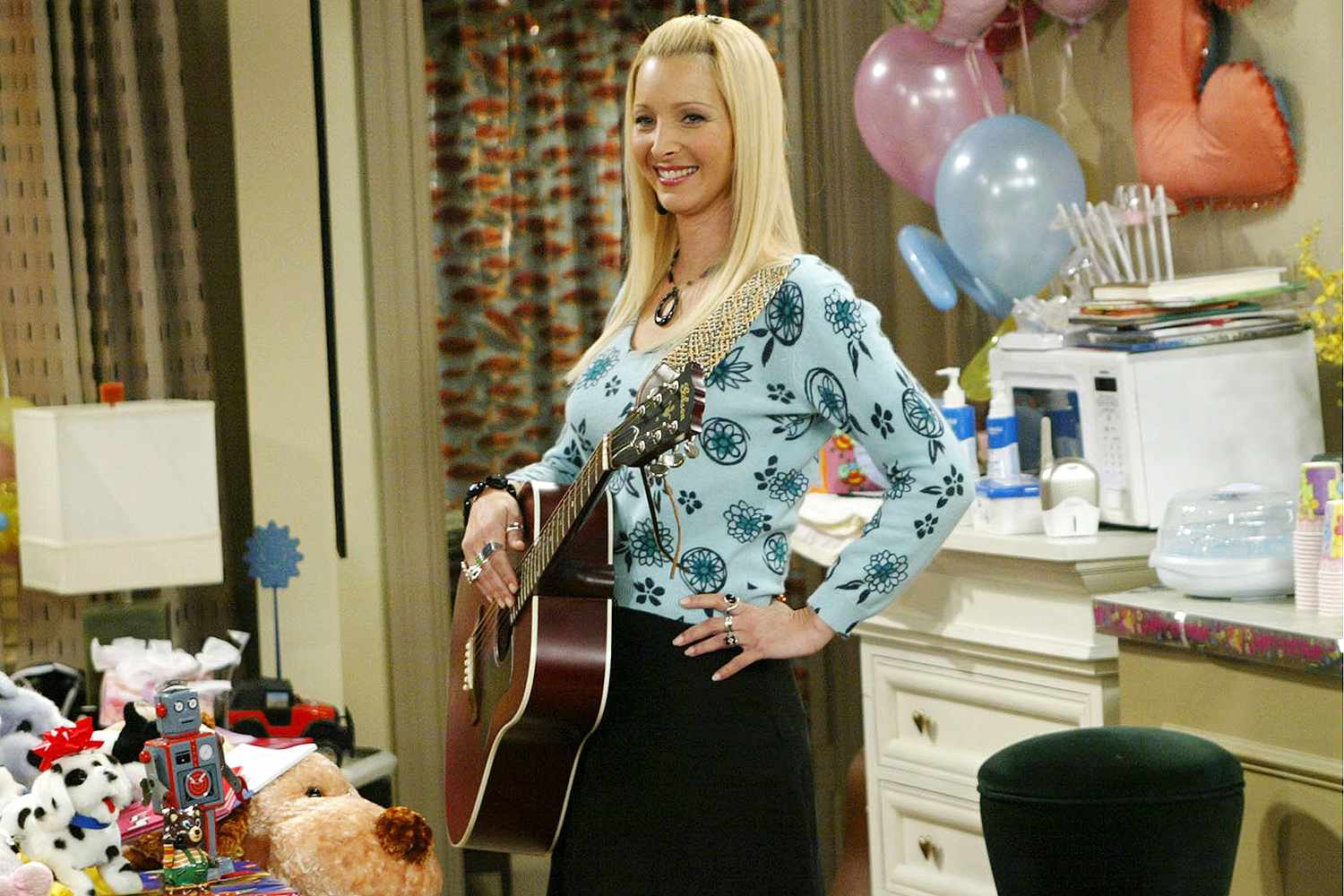
The Interview Magazine conversation also gave Lisa Kudrow space to address something that has followed her career for three decades. During the peak of “Friends,” audiences and critics routinely described her character Phoebe Buffay as a ditz—someone who was sweet and eccentric but not exactly switched on. Kudrow never agreed with that reading, and she has not changed her mind.
“At the time, it was like, ‘She’s such a ditz. How is it that you only play ditzes?’ And I thought, Is she a ditz? To me, she wasn’t,” she recalled. Her description of what a ditz actually represented in 1994 is revealing: “Someone who wasn’t toeing the line.” By that definition, Phoebe was something else entirely—unconventional, certainly, but operating by her own internal logic rather than no logic at all.
Kudrow spoke about how much work it took to inhabit the character honestly. Phoebe started as someone very far from her own personality and temperament. “It took a lot of work to justify the things she would say and do,” she said. Over ten seasons, she read books on spirituality, not as an affectation, but to understand how someone like Phoebe actually experienced the world. The result was a character that looked like lightness and was built on something considerably more deliberate. “Over the course of 10 years, a little bit of her came into me,” she said. “I lightened up a little more.”
Why This Conversation Matters Now
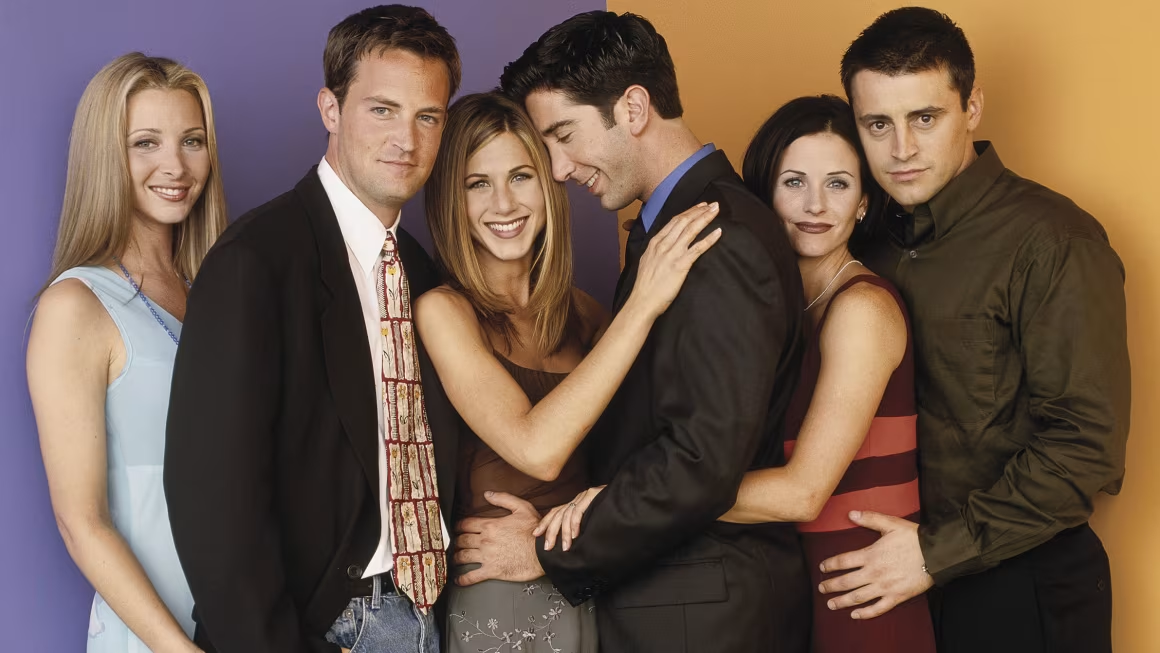
Lisa Kudrow is not the first person to argue that comedy has become too cautious, and she will not be the last. But she is making the argument from a specific vantage point. She was part of one of the most successful multi-camera sitcoms in television history. She has watched the format from the inside, at its peak, and she is watching it now from the outside. Her concern is not nostalgia. It is a precise technical observation about what comedy requires to work.
Surprise. Discomfort. The willingness to go somewhere the audience did not expect. Those are not relics of a less enlightened era. They are the conditions under which comedy has always functioned best. Whether modern television is willing to meet them is a different question, and the answer to it will determine whether the sitcom evolves or simply fades into pleasant irrelevance.
Featured image: Clara Cullen for Interview Mag
The post Lisa Kudrow Just Explained Why Modern Sitcoms Aren’t Hitting As Hard appeared first on Style Rave | The Ultimate Style Guide.