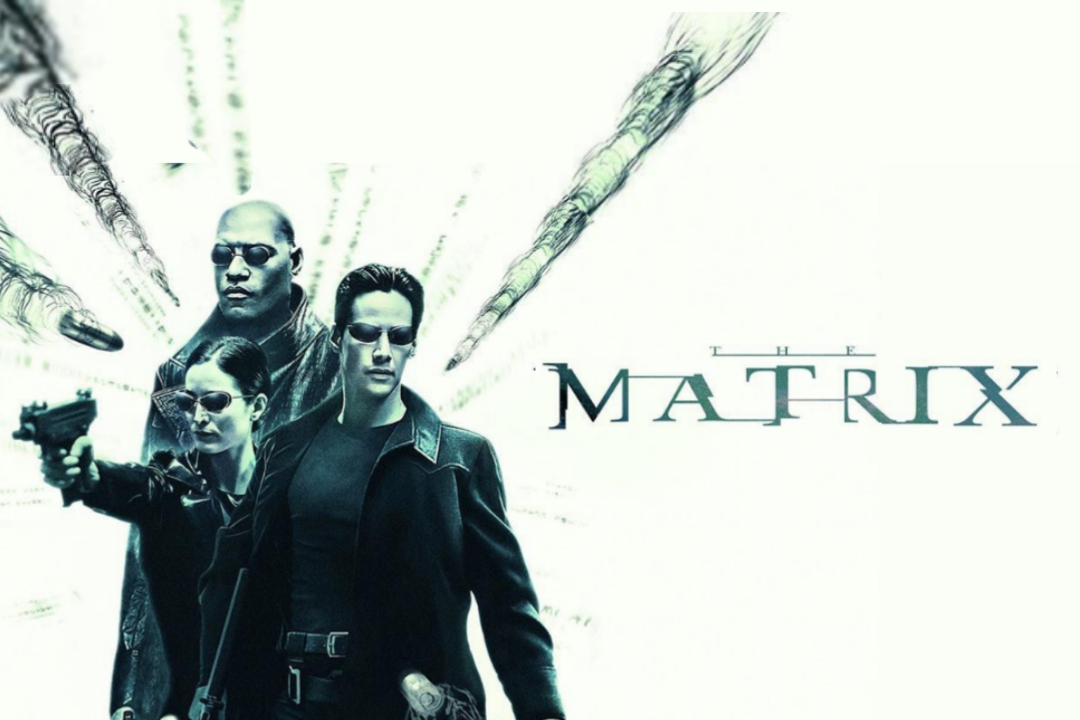
Warner Bros. has officially confirmed that a fifth installment of the The Matrix franchise is in development, an announcement that signals both continuation and transformation. Notably, this will be the first entry in the series directed by someone other than a Wachowski sibling. Drew Goddard takes the helm, ushering in a new creative era while inheriting one of modern cinema’s most philosophically dense universes.
Although Lana Wachowski remains involved as an executive producer, the shift in leadership suggests a bold recalibration rather than a simple extension. Consequently, anticipation is high. Fans are eager to see how this chapter reconciles the layered mythology of the past while charting a path forward. More than just another sequel, The Matrix 5 represents a pivotal moment for a franchise that fundamentally redefined action cinema at the turn of the millennium.
Why The Matrix 5 Matters Now

The announcement of The Matrix 5 has reverberated across Hollywood, and for good reason. For over two decades, The Matrix has been synonymous with the Wachowskis’ singular vision: a fusion of philosophical inquiry, cyberpunk grit, and revolutionary “Bullet Time” visual effects.
Now, with Goddard, best known for writing The Martian and directing Bad Times at the El Royale, stepping into the director’s chair, the franchise enters uncharted territory. Importantly, this is not merely a continuation. It is an attempt to expand a mythos many believed reached its natural endpoint with 2021’s The Matrix Resurrections.
A Legacy of Innovation and Subversion
To understand why a fifth installment carries such cultural weight, it is essential to revisit the franchise’s history. The Matrix films were never just about leather trench coats and slow-motion bullets. Rather, they consistently challenged cinematic convention, reclaiming and redefining their narrative identity with each entry.
The 1999 Singularity: A Cultural Reset
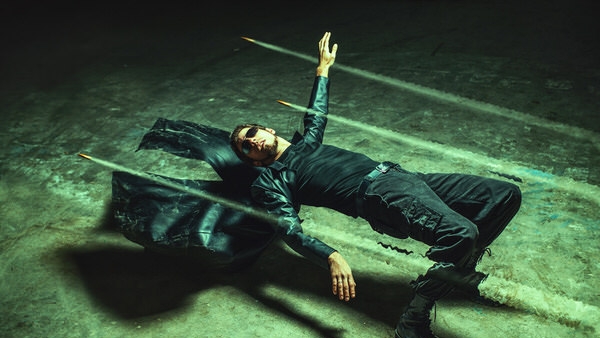
When The Matrix premiered in 1999, it altered the trajectory of science fiction cinema. At the time, the genre was largely split between the clinical grandeur of 2001: A Space Odyssey and the mythic spectacle of Star Wars. The Wachowskis subverted both traditions by grounding high-concept Gnosticism in the grime and paranoia of ’90s cyberpunk.
Technically, the innovation was “Bullet Time,” a camera array system that enabled a 360-degree perspective around a frozen moment. Visually, it represented Neo’s consciousness outrunning the code itself. Narratively, it repositioned the “Chosen One” archetype inside a technological framework, reclaiming it from traditional fantasy and embedding it within digital philosophy.
The Sequel Paradox: Reloaded and Revolutions
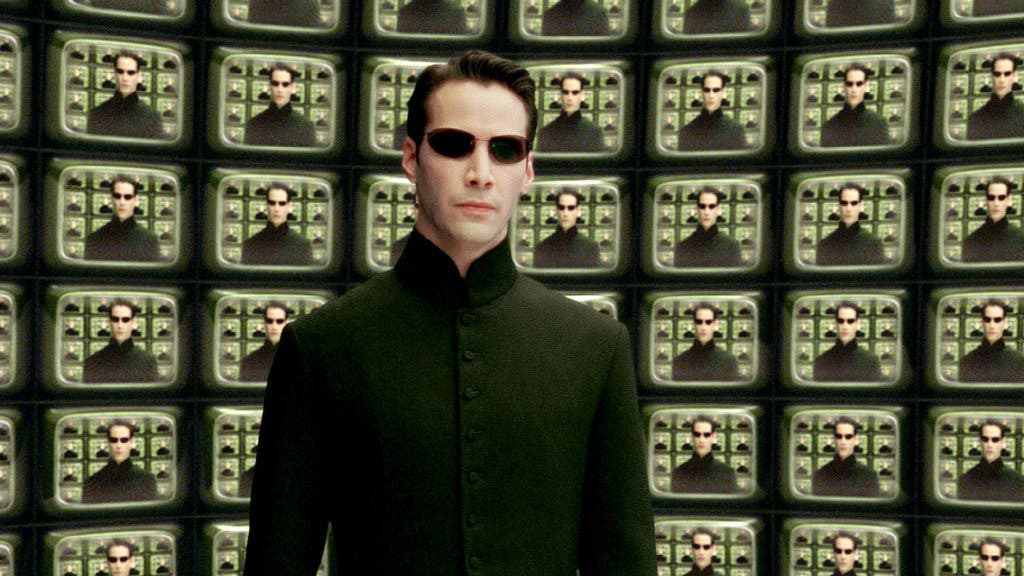
If the first film centered on awakening, then The Matrix Reloaded and The Matrix Revolutions interrogated the unsettling idea that even awakening might be programmed.
Rather than offering “more of the same,” the Wachowskis used expanded budgets to challenge audience expectations. The introduction of The Architect reframed Neo’s hero journey as part of a systemic loop, transforming destiny into design. Moreover, the sequels pioneered “virtual cinematography,” digitally scanning actors to create physically impossible fight sequences. In doing so, they pushed action cinema beyond the limitations of the human body.
The Meta-Reclamation: Resurrections and Beyond
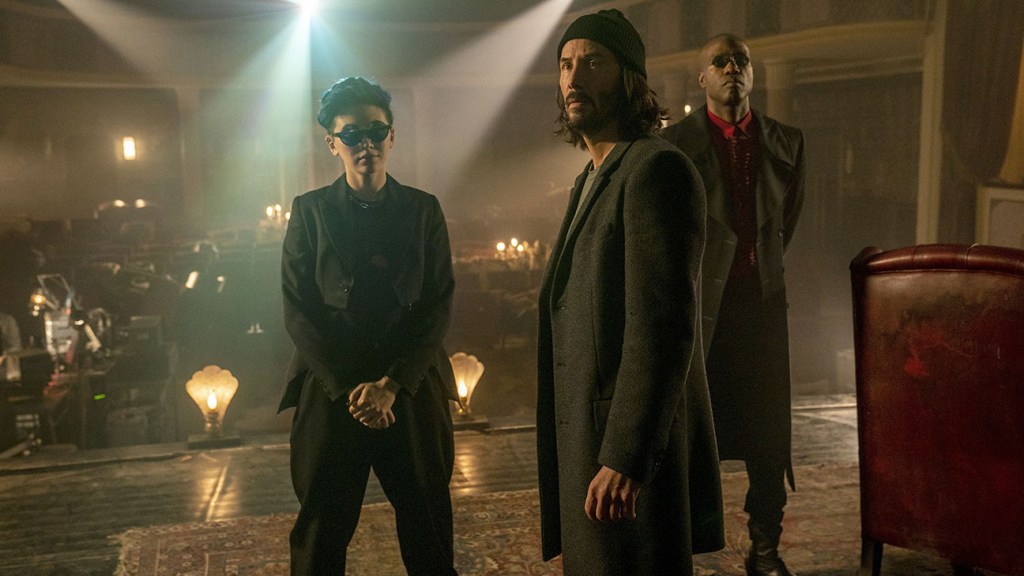
Nearly two decades later, The Matrix Resurrections (2021) acted as a final, defiant act of reclamation. In a landscape dominated by “legacy sequels” that prioritize nostalgia, Lana Wachowski chose to deconstruct the very idea of a reboot. The film portrayed Thomas Anderson as a game developer forced by Warner Bros. to make a sequel to his “Matrix” trilogy.
This was subversion at its most literal. As discussed on IndieWire, the film moved away from the cold green tint of the originals toward a vibrant, sun-drenched palette, reclaiming the franchise from its own aesthetic clichés. It prioritized the emotional core of Neo and Trinity over the mechanical requirements of the “Simulation vs. Reality” war.
By the time Drew Goddard takes over for The Matrix 5, the legacy he inherits is one of constant change. The franchise has spent twenty-five years teaching its audience to question everything, including the franchise itself. This deep-seated culture of subversion ensures that any new entry cannot simply be a “part five”; it must be a reimagining of the system’s core architecture.
Goddard’s challenge is to find the middle ground between the philosophical density of the originals and the narrative clarity required for a modern blockbuster.
The New Architect: Who is Drew Goddard?

Selecting a director for The Matrix is no small task. The Wachowskis’ style is deeply personal, often called “maximalist poetry.”” Goddard, however, brings a different skill set, uniquely suited for the franchise’s complex narrative.
The Analytical Mind: From Lost to Mars
Goddard honed his storytelling in J.J. Abrams’ writers’ rooms for Alias and Lost. His big-screen success came with The Martian (2015), which grossed $630.6 million worldwide on a $108 million budget. It earned a 91% Rotten Tomatoes rating and seven Academy Award nominations, including Best Adapted Screenplay for Goddard himself. The film proved he could make complex science thrilling and accessible.
The Meta-Specialist: Reclaiming the Narrative
Goddard’s directorial debut, The Cabin in the Woods (2011), showcased his meta-storytelling skills at their best. Characters were trapped in a literal simulation, controlled by unseen forces, an approach resonant with the Matrix’s themes.
“It is not hyperbole to say The Matrix films changed both cinema and my life. Lana and Lilly’s exquisite artistry inspires me on a daily basis, Goddard stated regarding his new role.
This reverence is paired with a penchant for structural subversion. His follow-up, Bad Times at the El Royale (2018), used a non-linear, chapter-based structure to reveal layered narratives. Although it underperformed at the box office ($31.8M), it won the Saturn Award for Best Thriller, cementing his reputation as a “director’s director” who prioritizes atmosphere and thematic depth over safe, linear storytelling.
Why He Fits the Matrix Mold
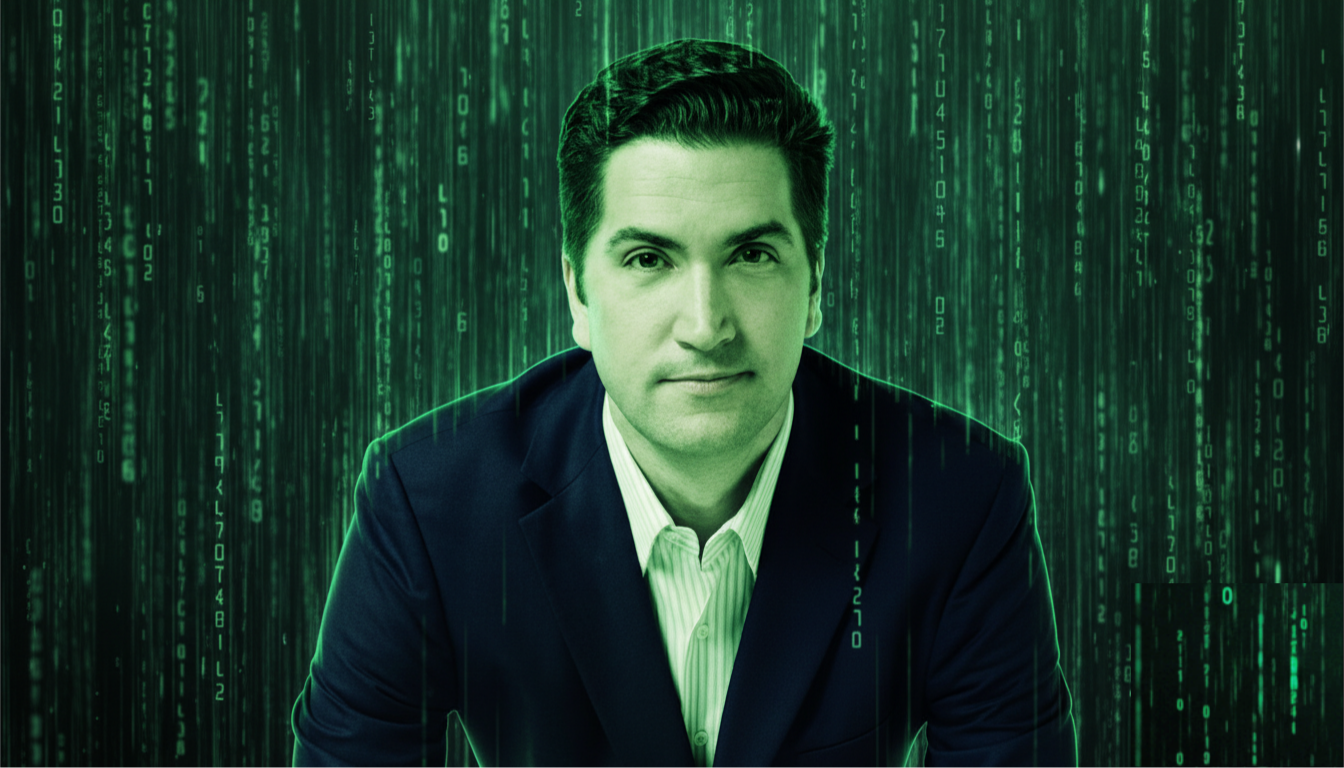
Goddard’s experience with Netflix’s Daredevil shows he can revitalize a brand while maintaining a gritty, character-driven tone. For The Matrix 5, he brings:
- Systemic Storytelling: An obsession with how systems (horror tropes, survival physics, hotel layouts) dictate human behavior.
- Character-First Sci-Fi: The ability to find the “human soul” in the middle of high-tech chaos.
- Collaborative Respect: His willingness to work under Lana Wachowski’s executive production ensures the “Wachowski DNA” remains intact while he implements his own software updates.
Jesse Ehrman, President of Warner Bros. Motion Pictures, praised Goddard’s pitch as a “unique perspective” that advances the world without straying from its core philosophy. In many ways, Goddard is currently in his own “writing cave,” preparing to show the world exactly how the next version of the Matrix will function.
Will Keanu Reeves Return?
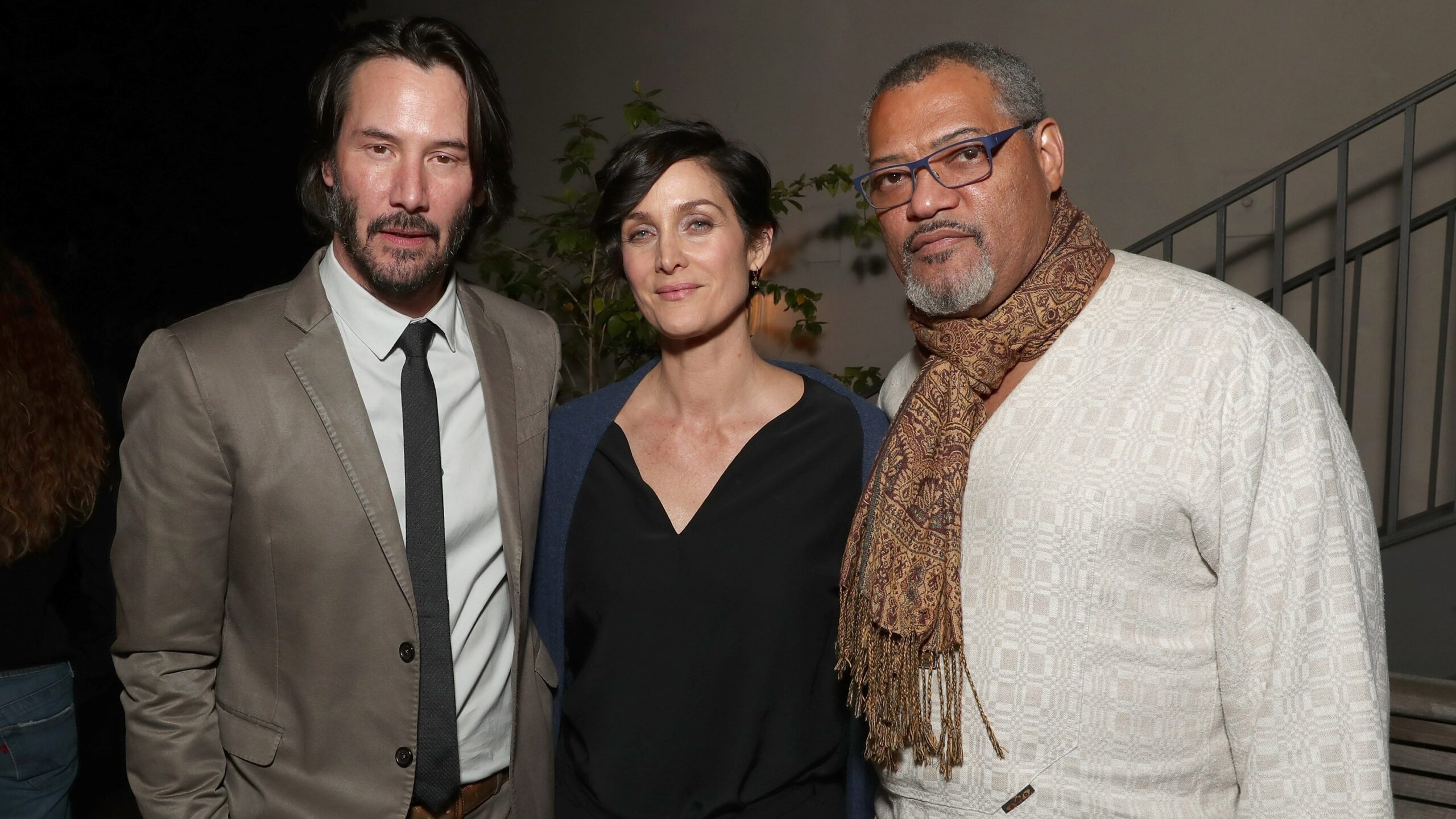
As of March 2026, no cast members have been confirmed for The Matrix 5. While Keanu Reeves has expressed willingness to return if invited by Lana Wachowski, no official involvement has been announced. Similarly, the return of Carrie-Anne Moss as Trinity is unconfirmed, with reports noting her focus on other projects, such as the Canadian thriller Yaga.
The uncertainty extends to the supporting cast introduced in The Matrix Resurrections. Actors like Yahya Abdul-Mateen II, Jonathan Groff, and Jessica Henwick could potentially reprise their roles, but no deals have been finalized. Rumors involving high-profile names like Will Smith joining the cast have been explicitly debunked; Smith’s recent Matrix-themed visuals were related to a personal music project rather than a cinematic return.
Theoretical Directions: Where Could the Story Go
The ending of Resurrections leaves the door open for radical narrative expansion. Neo and Trinity gain control over the simulation itself, effectively positioning them as architects of a redesigned Matrix.
Possible directions include:
- A Multilayered Simulation: Goddard’s meta-sensibilities could introduce sub-simulations or nested realities.
- Machine Political Intrigue: A deeper exploration of factional tensions within the Machine City.
- A Collective Anomaly: Moving beyond a singular “One” toward distributed awakening.
Each option reflects the franchise’s long-standing obsession with systemic evolution.
Release Date Speculation
The film is currently in pre-production and writing. Based on this early development stage, a release in late 2027 or later is likely. As it is, no trailers, teaser images, or production photos have been released to the public. The studio’s controlled disclosure reflects an emphasis on preserving the narrative and visual innovations until official materials are ready.
Addressing the Legacy and Future
The decision to produce a fifth Matrix installment follows a period of mixed reception for The Matrix: Resurrections, which earned approximately $160 million against a $190 million budget. Critics and fans were divided over the fourth film’s meta-approach and its rejection of traditional action tropes. By bringing in Drew Goddard, Warner Bros. appears focused on balancing narrative clarity, philosophical depth, and action-oriented spectacle. While details remain limited, the project aims to honor the franchise’s established canon while introducing new creative directions.
Featured image: Warner Bros.
—Read also
The post Warner Bros. Confirms The Matrix 5: <em>A New Architect Enters The System</em> appeared first on Style Rave | The Ultimate Style Guide.