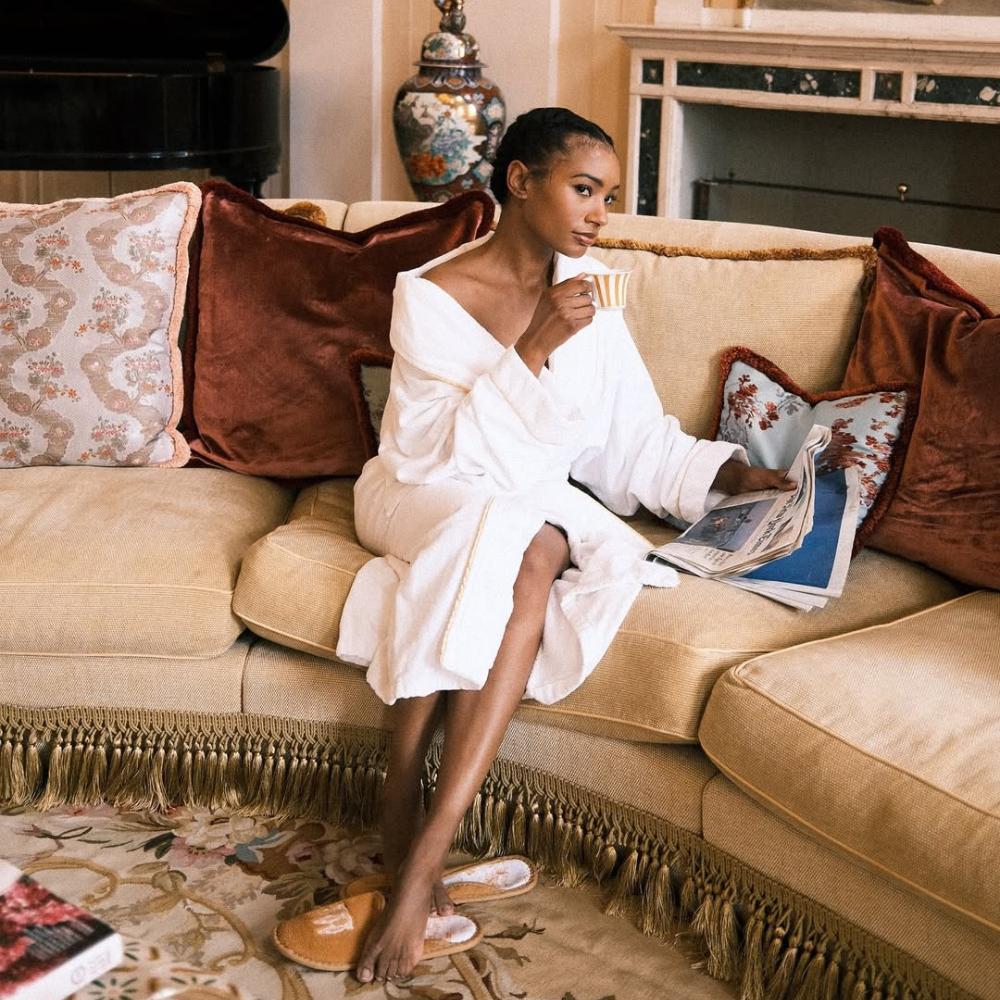
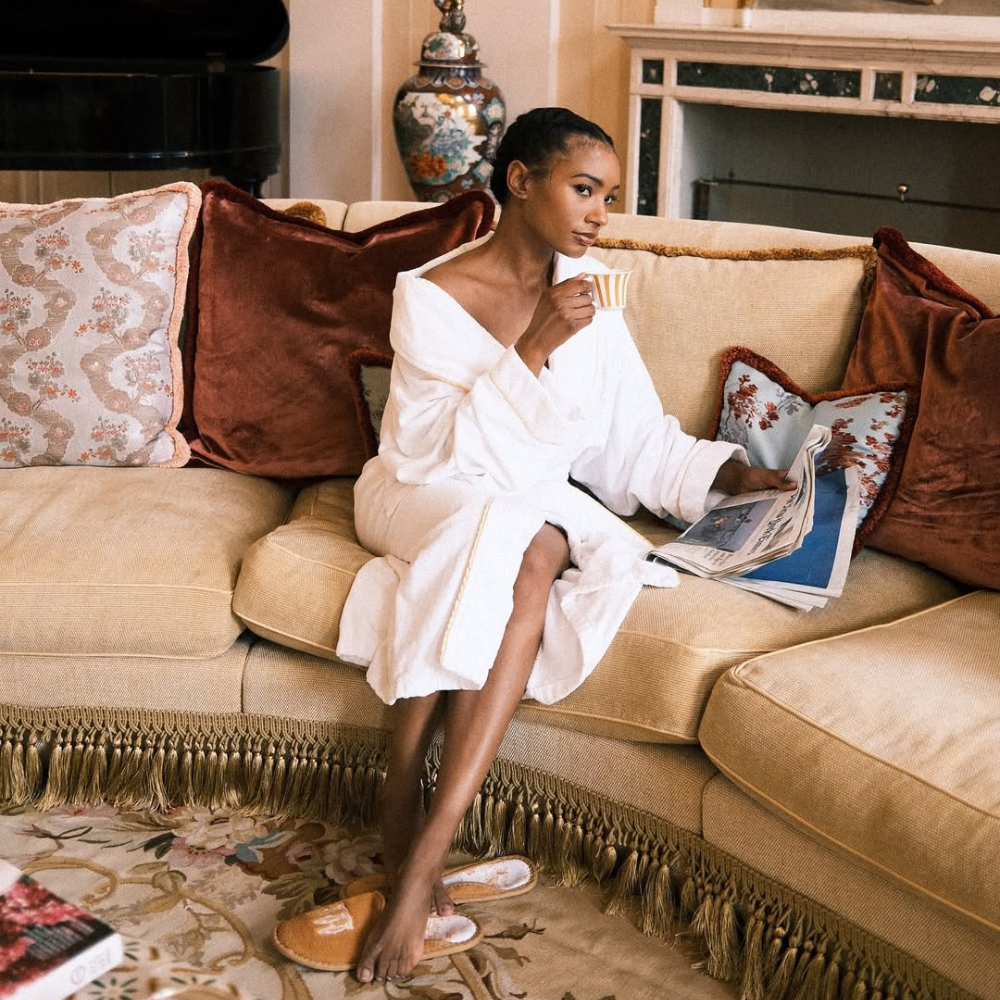
The most coveted thing money can buy isn’t a bag. It’s not a car, a watch, or a front-row seat. It’s a Tuesday afternoon with absolutely nothing on it. Time—unhurried, unscheduled, genuinely yours—is the new luxury. And the people living the most enviable lives right now aren’t the ones with the biggest collections. They’re the ones who have figured out how to buy their time back, protect it fiercely, and spend it on what actually fills them up.
This is the shift quietly rewriting how people spend, travel, work, and live, and it’s happening across continents, income brackets, and cultural contexts.
The Numbers Behind the Shift
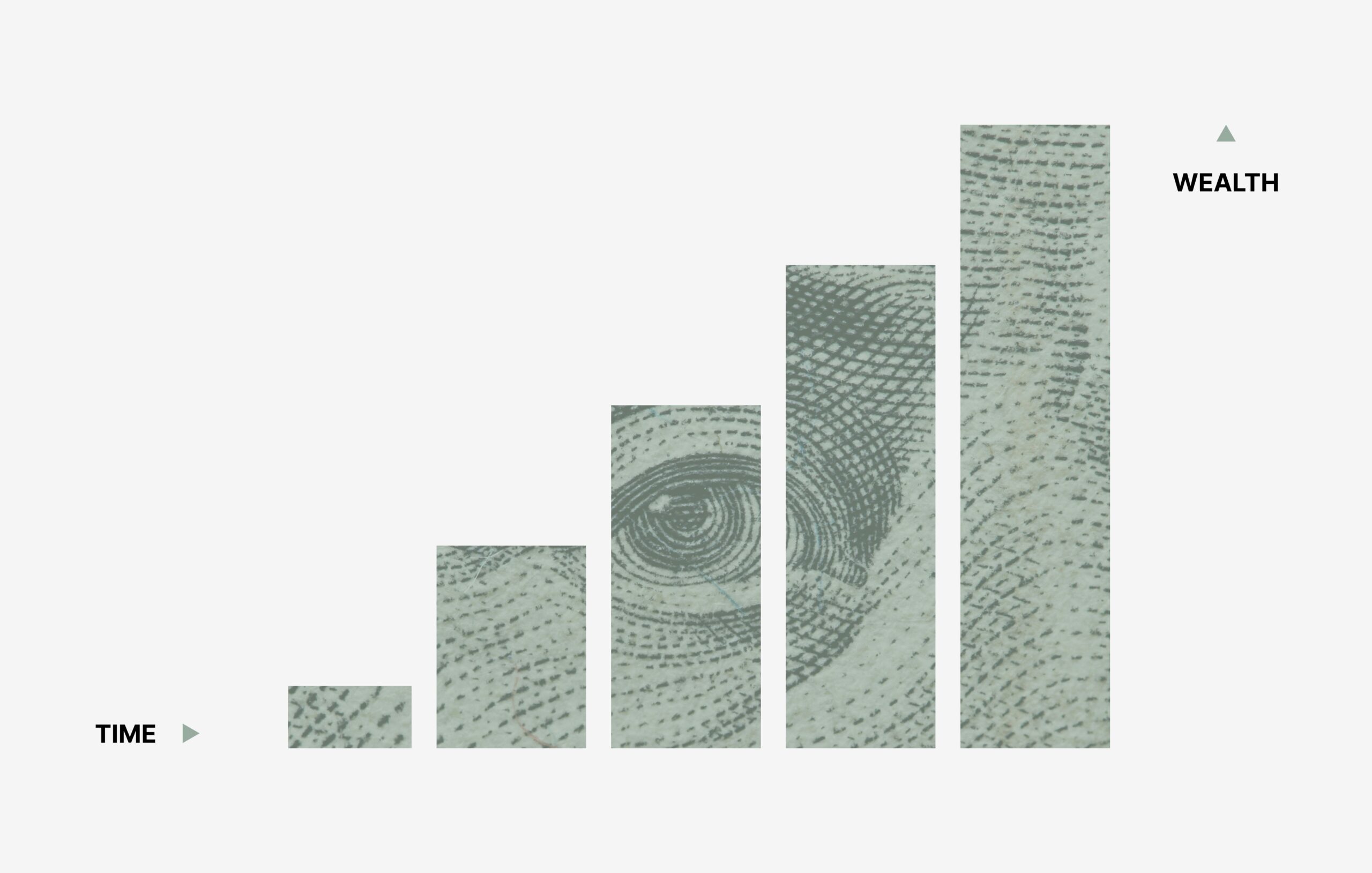
This isn’t soft philosophy. The data is clear and increasingly difficult to ignore. Bain & Company has described a “tectonic shift” toward luxury experiences such as hospitality, travel, fine dining, and away from traditional goods. As Claudia D’Arpizio notes, “After the shopping spree era, experiences and emotions have become the true engine of luxury growth.”
Meanwhile, Kearney reports that among value-conscious luxury consumers, 20 percent have already reallocated spending toward experiences due to rising prices—twice the rate of other groups. This isn’t abstract. People aren’t just talking about valuing experiences more. They’re actively redirecting their money toward them.
That’s the new luxury, and it cannot be faked, counterfeited, or placed on a waitlist.
What Changed—and Why Now?
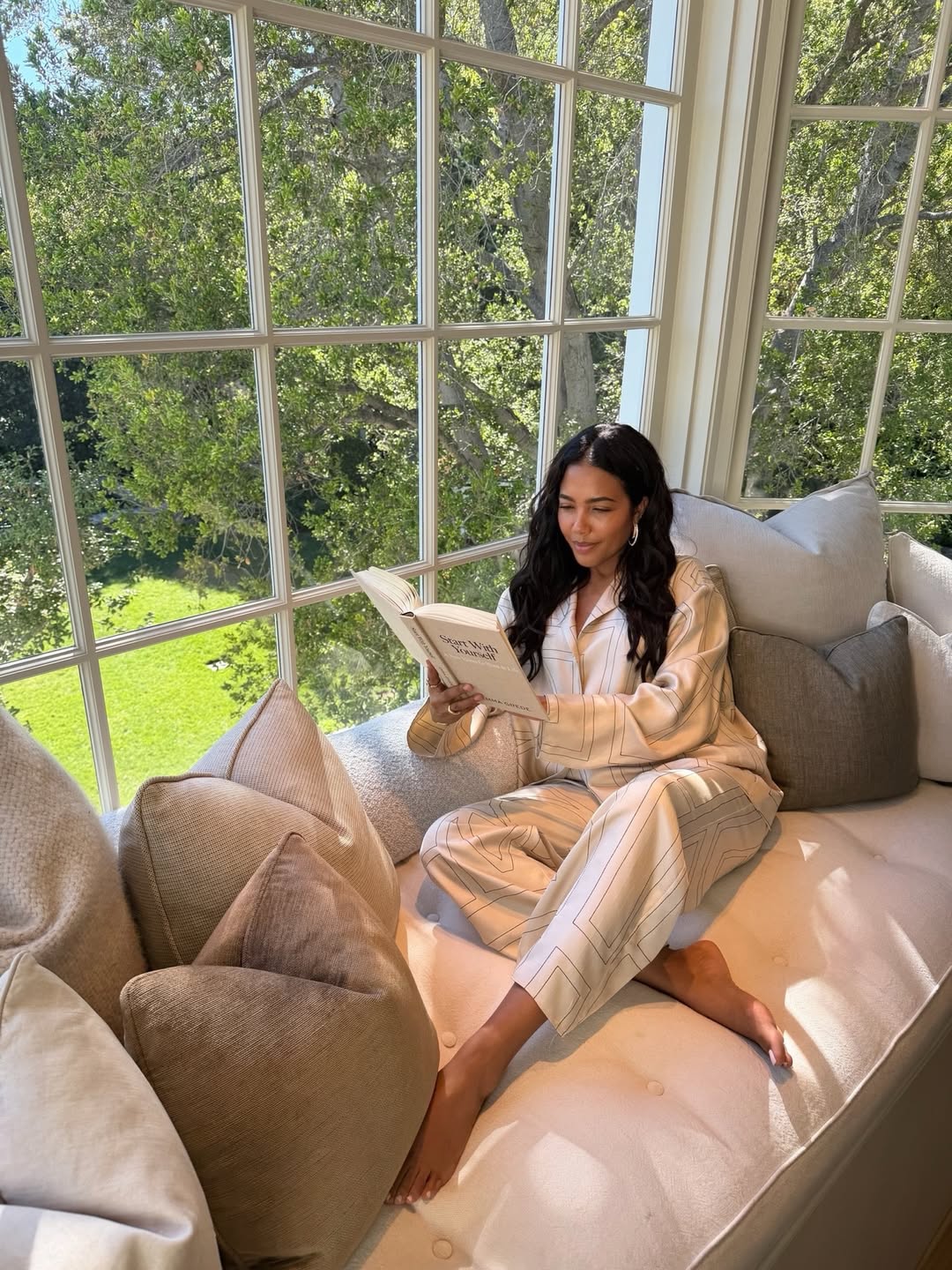
Luxury once lived in visibility. Logos, labels, and status symbols were designed to be seen before they were understood. A handbag signaled access. A car signaled success. A wardrobe signaled arrival. That language is fading.
Today’s luxury consumer is less interested in what a brand displays and more interested in what it returns. Emotional reward, ease, and time autonomy now outweigh overt status. What matters is no longer recognition; it’s restoration. The shift isn’t only economic. It’s psychological.
After years of constant availability, productivity pressure, and digital saturation, consumption has become more deliberate. People are no longer collecting objects or even experiences for display. They are filtering for meaning. The flex has changed.
The New Luxury Economy: Buying Time Back
Here’s where the shift becomes tangible. The new luxury isn’t just a mindset; it’s a set of decisions. And the most intentional consumers are directing their money with precision.
#1. Services that buy back hours
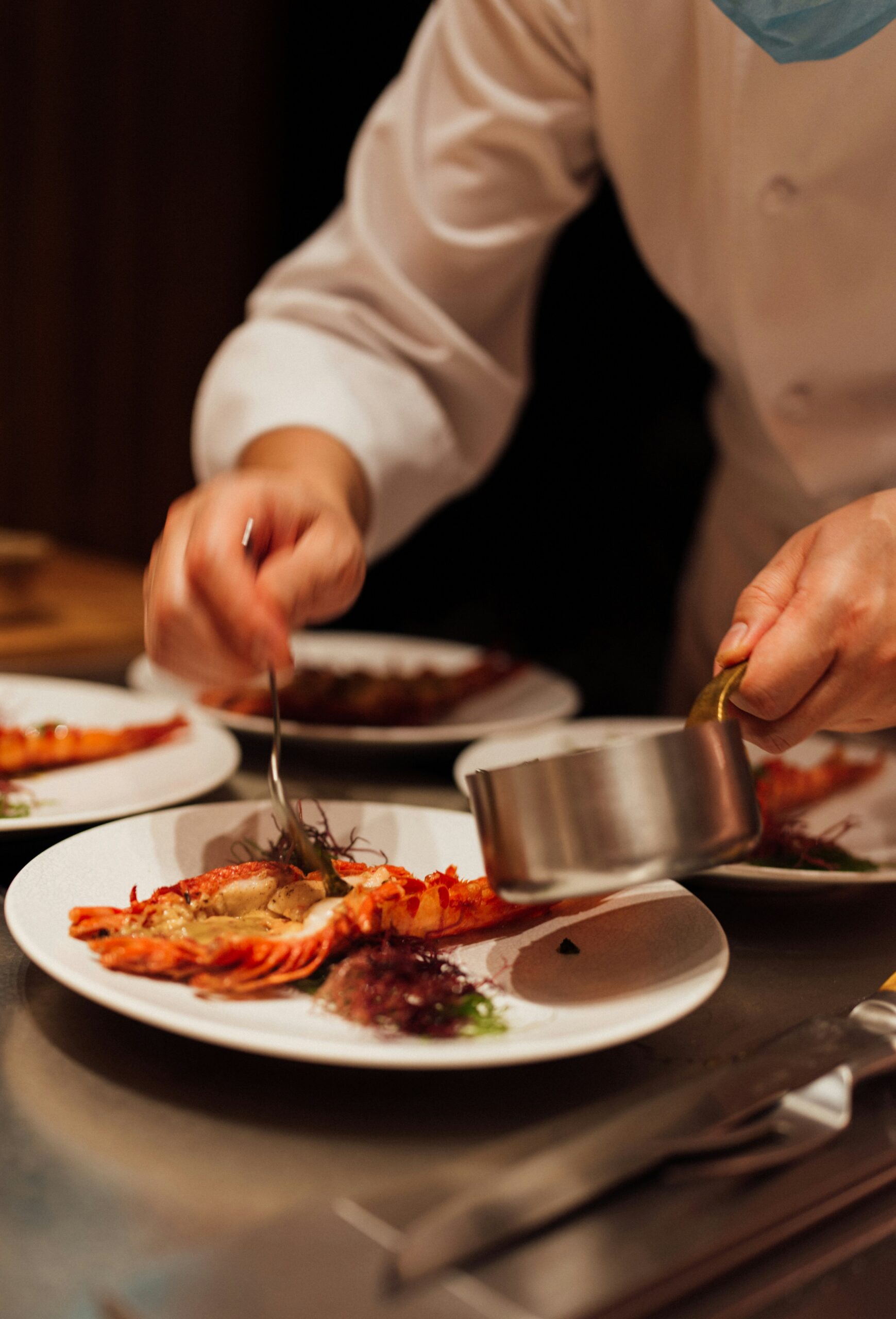
Personal chefs, cleaning services, grocery delivery, and personal assistants, once framed as indulgences, are now understood as strategic investments in time. Luxury spending increasingly looks like delegation. Concierge-style services, home support, and proactive wellness all serve the same purpose: removing friction from daily life. If it gives you an hour back, it’s worth considering.
#2. Travel that is slower and deeper
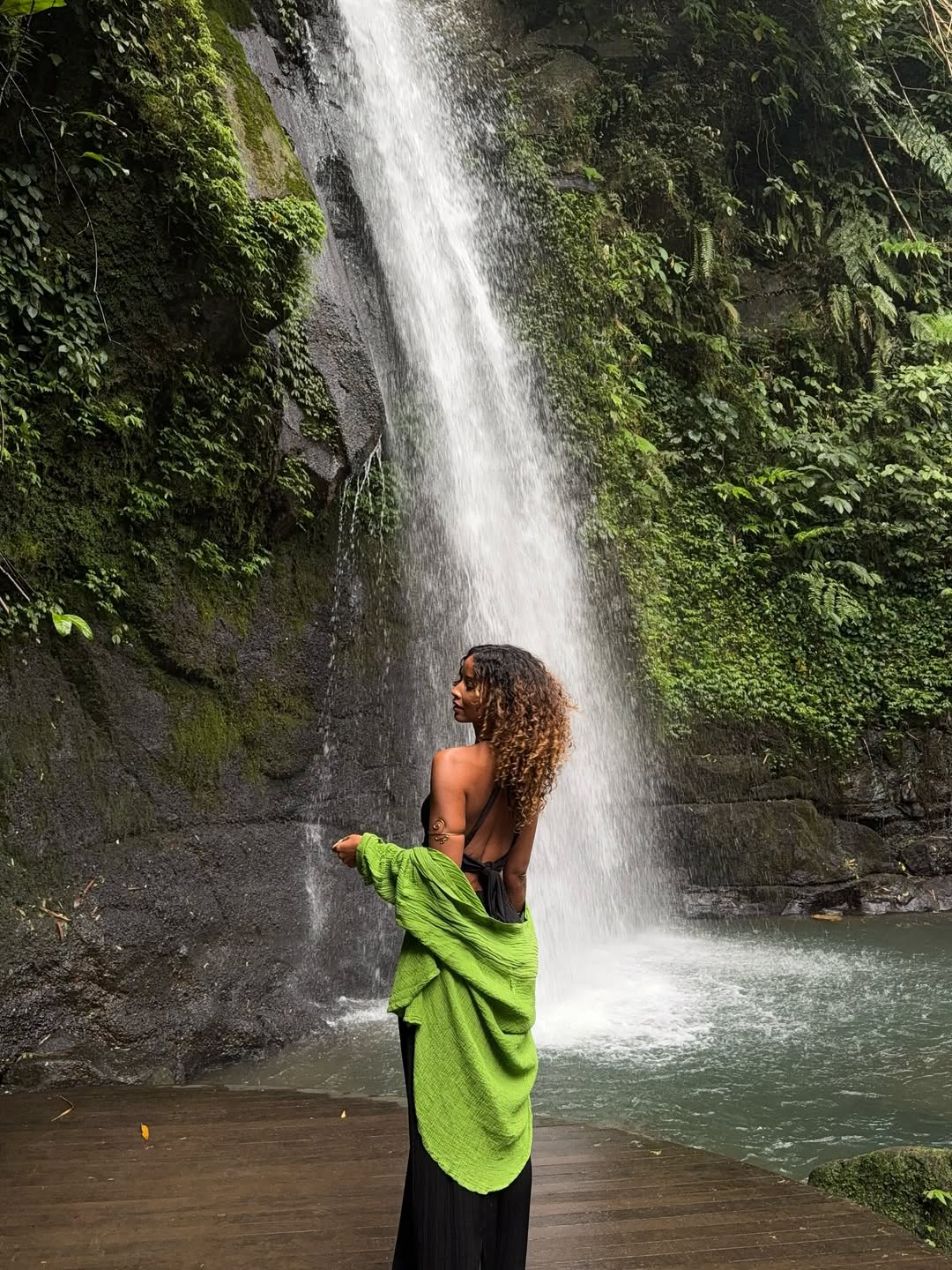
Luxury travelers are asking “why” before “where.” Trips are becoming more intentional, centered around restoration, connection, or personal curiosity. One meaningful journey taken slowly now holds more value than multiple rushed trips checked off a list. The new luxury traveler stays longer, goes deeper, and returns restored, not in need of recovery.
#3. Experiences over acquisitions
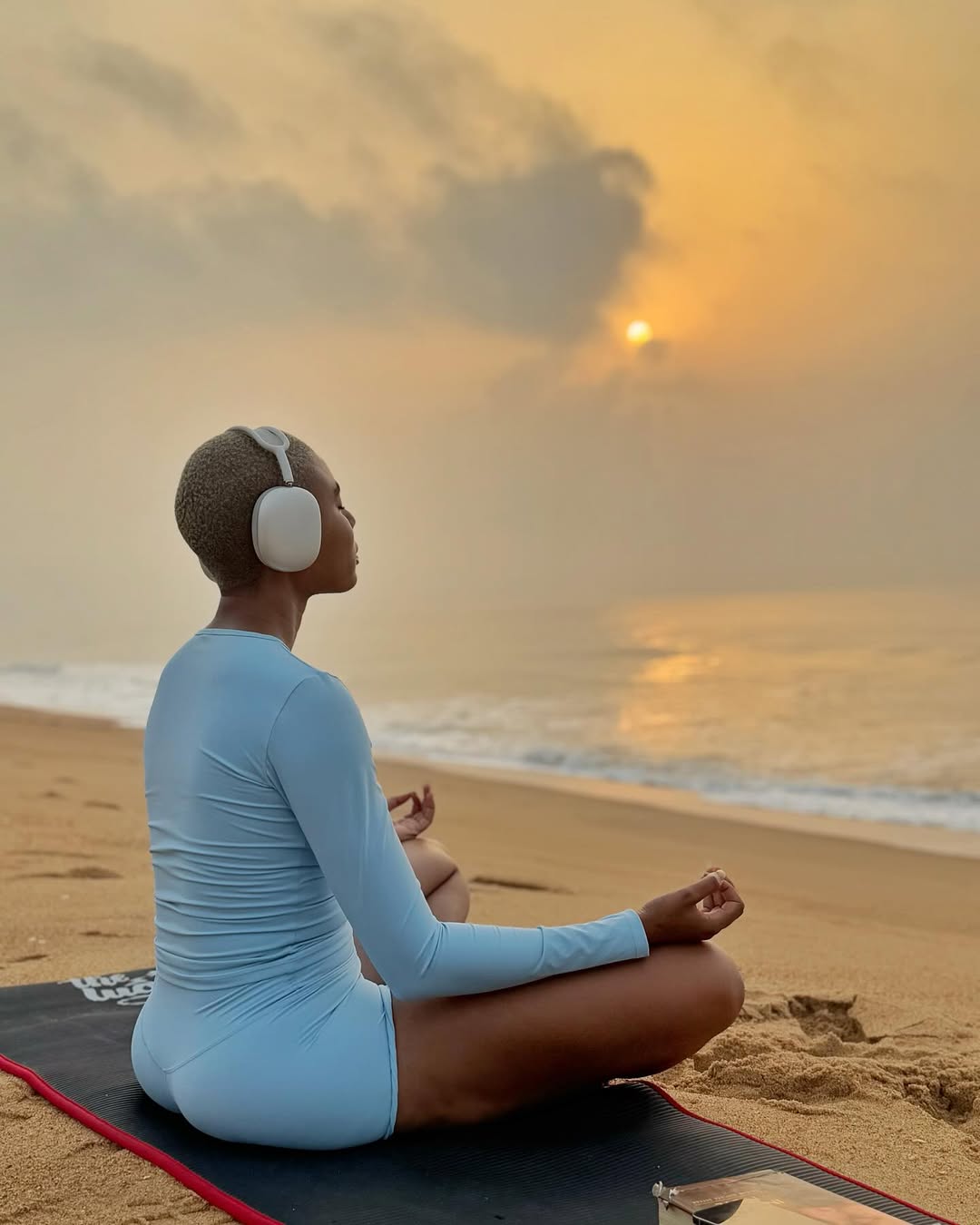
A dinner at a table that required a three-month waitlist. A wellness retreat that genuinely resets your nervous system. A concert that becomes a memory you’ll value for years. Luxury has shifted from possession to participation. Today, true luxury lies in experiences that can’t simply be replicated with an upgrade. You can resell a handbag. You cannot resell a moment.
#4. Work restructured around freedom
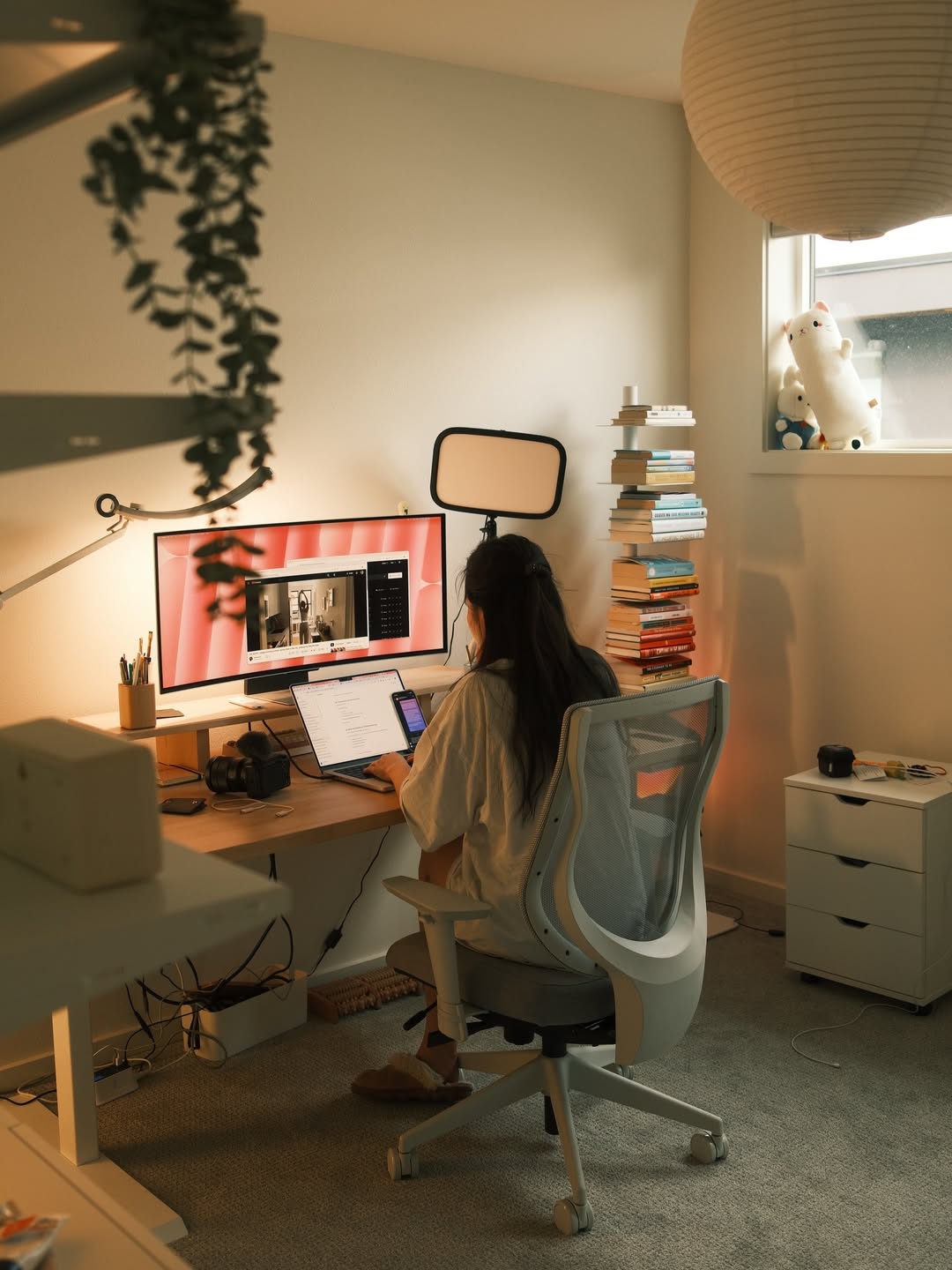
The most valuable luxury is no longer excess; it is control. Remote work, flexible structures, freelance independence, and sabbatical culture reflect a growing priority: ownership over time. Not necessarily working less, but working on your own terms.
The Flex Has Changed
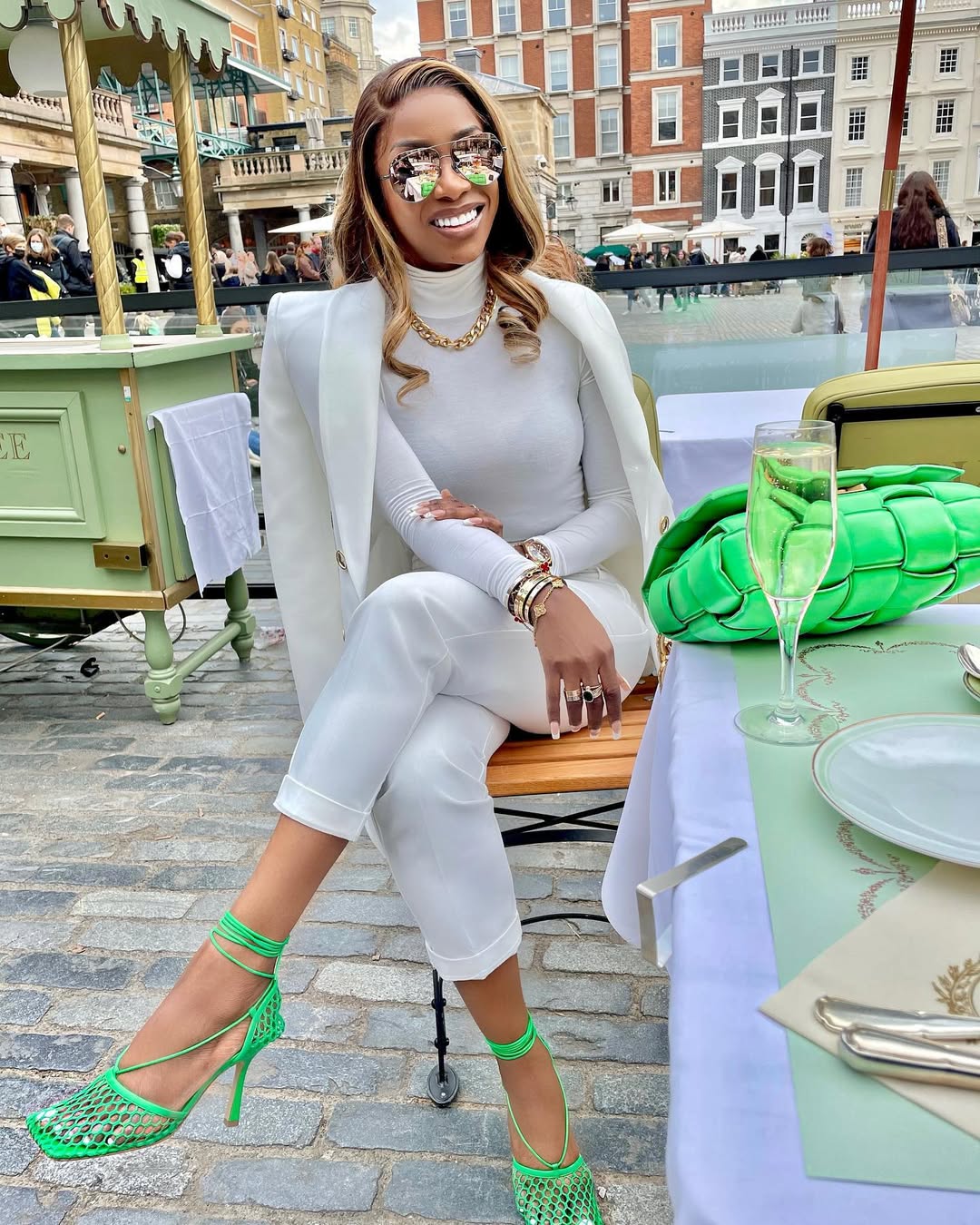
Here is the most important thing about the new luxury: it requires something that money alone cannot purchase. It requires intention. It requires the willingness to say no to things that don’t serve your life, even when they look impressive from the outside. It requires building a life around what you actually value rather than what signals value to others.
The new luxury is not about having less for its own sake. It is about having what you need, understanding why you have it, and maintaining a sense of gratitude for it—awareness, presence, and clarity accessible across income levels. The flex in 2026 isn’t the bag on your arm. It’s the afternoon you kept free. It’s the trip you took slowly. It’s the morning you woke up with nowhere urgent to be and chose to stay exactly where you were.
That’s the new luxury. And once you’ve tasted it, nothing else quite compares.
Featured Image: @temiotedola/Instagram
The post <em>The New Luxury Is Time:</em> How Smart People Are Choosing Ease Over Excess appeared first on Style Rave | The Ultimate Style Guide.