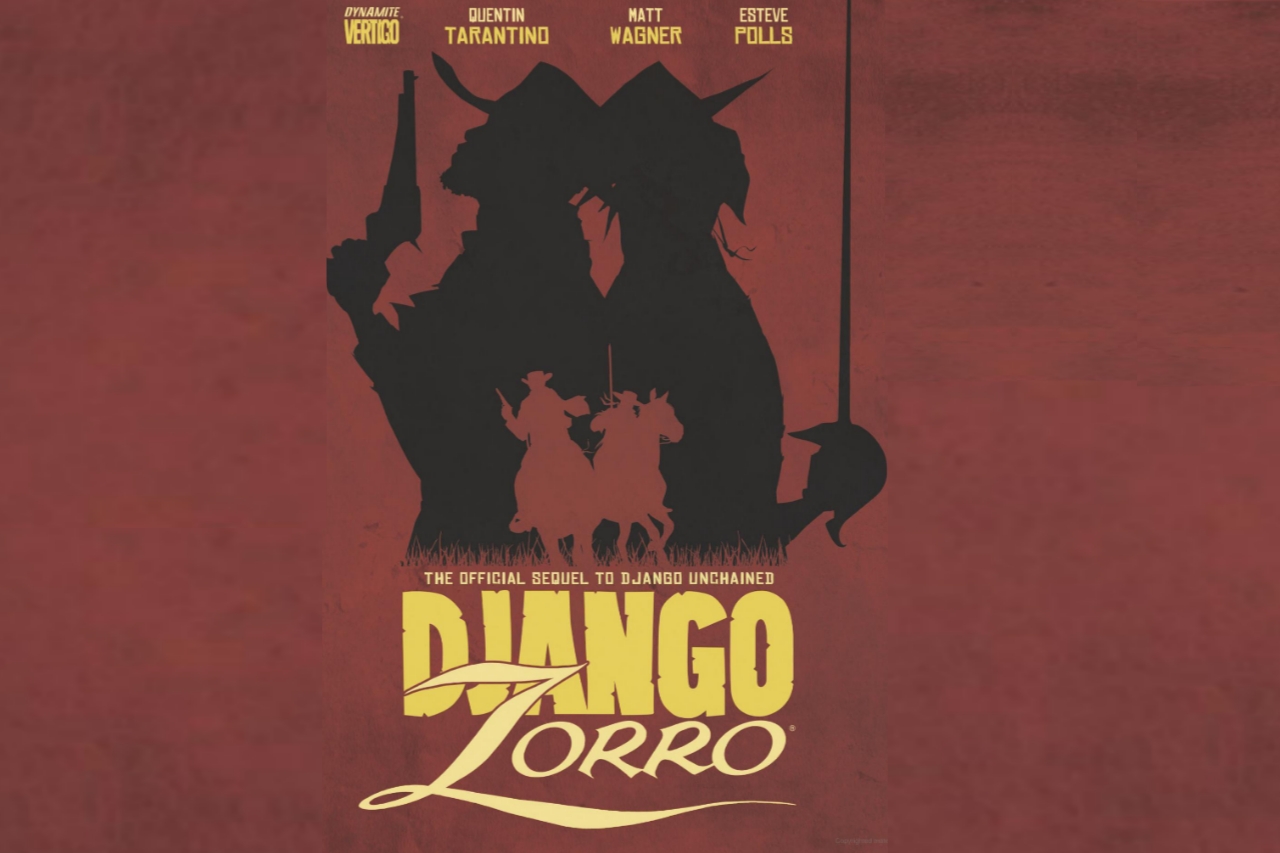
Sony Pictures has reignited one of Hollywood’s most curious crossover prospects, reviving the long-gestating “Django” and “Zorro” movie with fresh creative momentum. Notably, the studio has tapped Oscar-winning screenwriter Brian Helgeland, signaling a renewed push to translate Quentin Tarantino’s cult comic sequel into a viable theatrical property amid the industry’s franchise recalibration.
At its core, the project highlights Sony’s strategy of leveraging familiar characters while exploring inventive narrative combinations. As a result, the “Django” and “Zorro” crossover has re-emerged at a time when studios are carefully balancing creative ambition with commercial predictability. This renewed development phase suggests a more structured approach to adapting long-discussed concepts that previously struggled to move beyond early planning.
A Long-Gestating Crossover Finally Gains Momentum
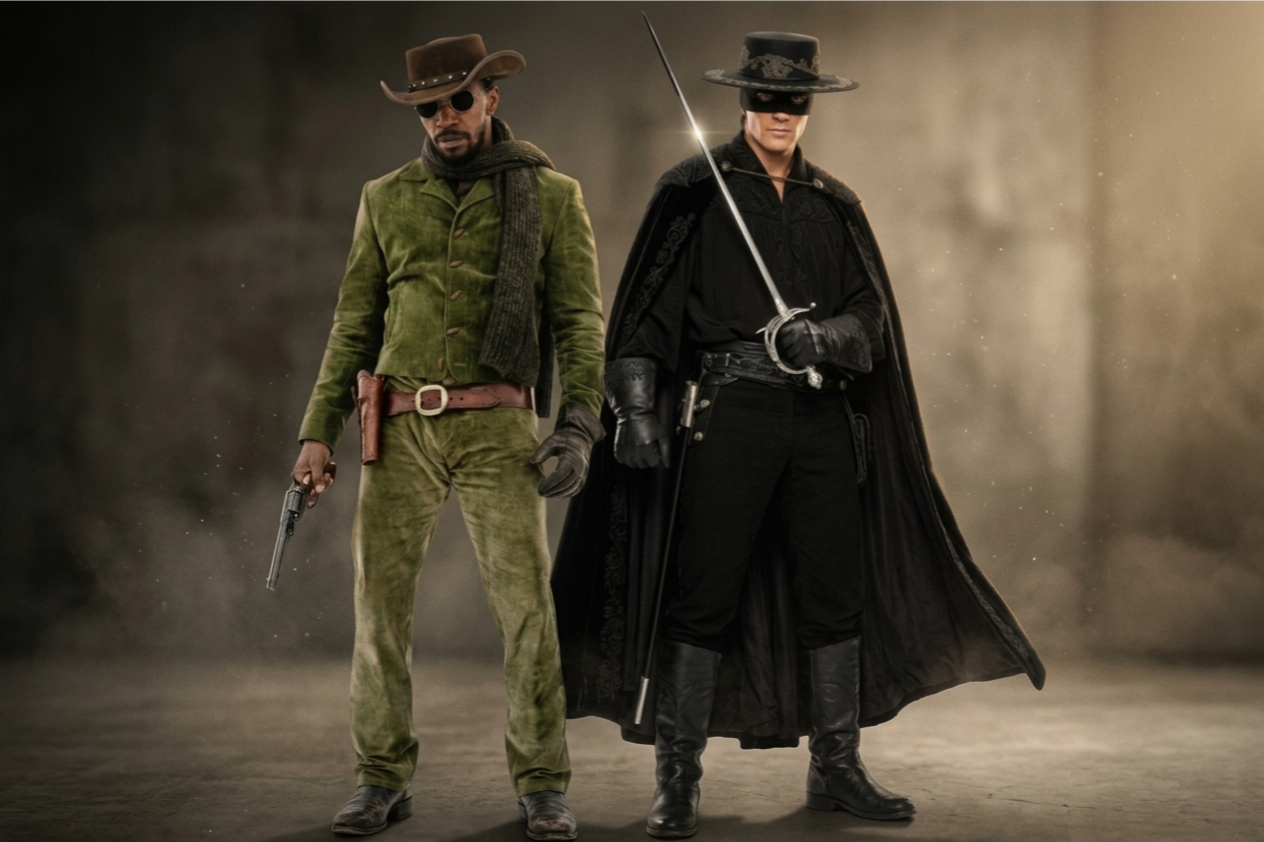
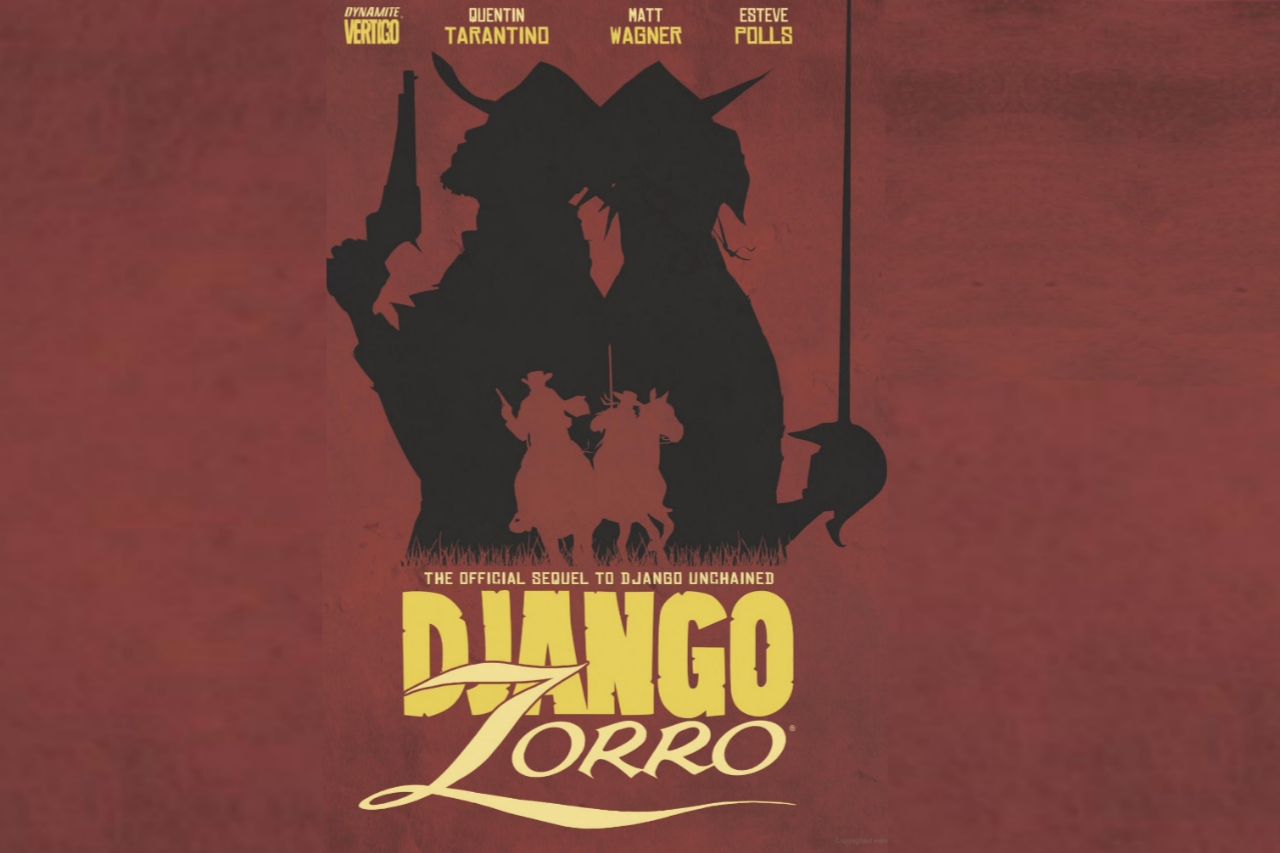
The idea of uniting Django and Zorro has circulated in Hollywood for more than a decade. Originally introduced as a comic book series co-written by Quentin Tarantino and Matt Wagner, Django/Zorro functioned as a narrative continuation of Django Unchained, blending two iconic figures from distinct cinematic traditions into a shared story of justice and rebellion.
Despite its strong concept, translating the idea into film has proven difficult. Early adaptations stalled, including a version Tarantino reportedly explored in 2019 with comedian Jerrod Carmichael. That iteration ultimately never moved forward. At one point, Tarantino even described the idea as a “$500 million film,” highlighting its scale and ambition. However, shifting studio priorities, budget concerns, and rights complexities repeatedly slowed progress.
Now, the project has officially re-entered active development. With Helgeland attached to write the screenplay, the adaptation has moved beyond speculation and into tangible planning. While directing and casting decisions remain unresolved, the project is now closer to production than it has been in years. Notably, Tarantino will not direct, though he has reportedly endorsed its development, lending the project a degree of creative legitimacy.
Brian Helgeland Changes the Creative Direction
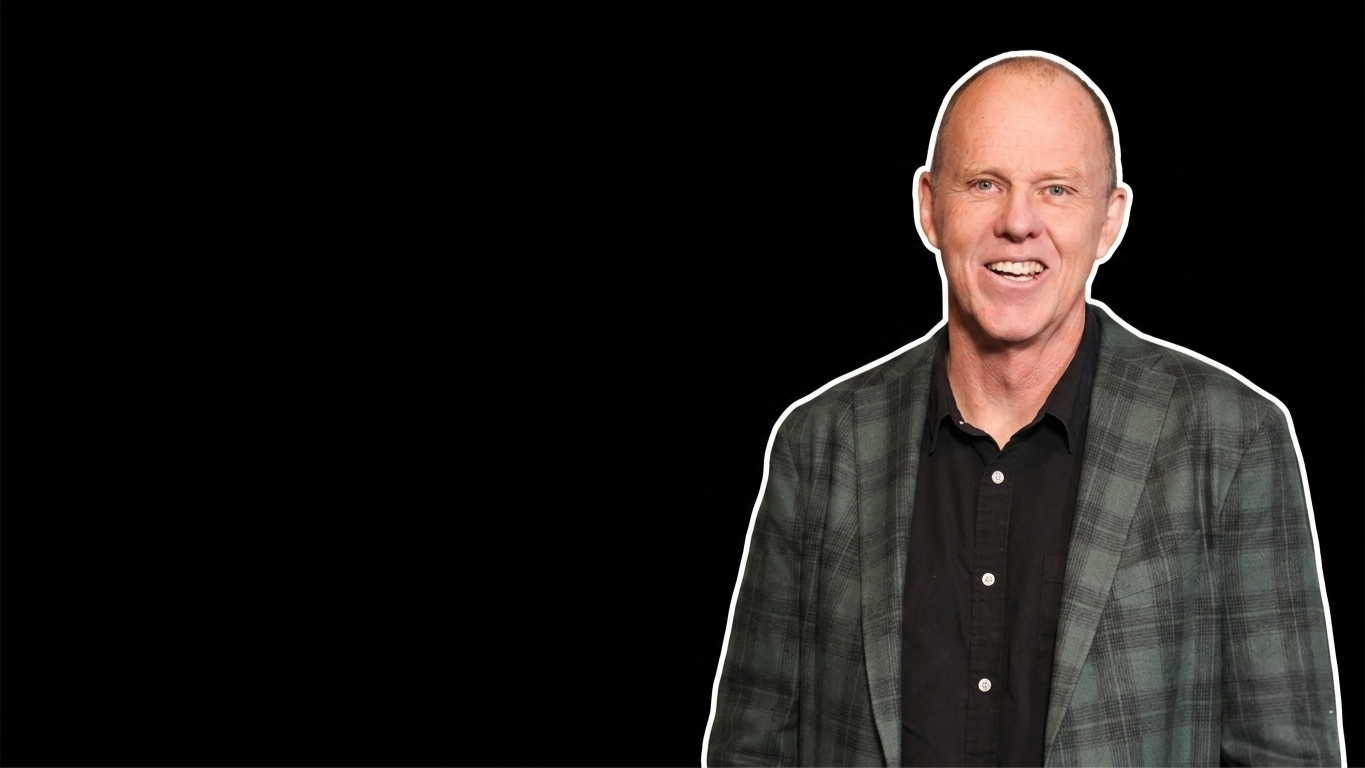
The involvement of Brian Helgeland is a meaningful turning point for the project’s tone and structure. As an Academy Award winner for L.A. Confidential, Helgeland is known for grounded storytelling that emphasizes moral complexity and period authenticity. His presence suggests a shift away from Tarantino’s highly stylized dialogue-driven approach toward a more streamlined and structurally focused narrative
Moreover, Helgeland’s broader filmography reinforces this direction. His work on 42 and Man on Fire demonstrates a strong ability to balance character depth with kinetic pacing and commercial action sensibilities. For Sony, this combination is especially valuable, as it positions Django/Zorro not merely as a stylistic experiment, but as a potential prestige blockbuster with mainstream appeal.
In addition, Helgeland’s experience as a “script doctor” in Hollywood further strengthens the project’s development prospects. Studios often rely on writers of his caliber to stabilize complex or tonally ambitious productions. In this case, blending a revisionist Western with swashbuckling adventure requires a careful narrative balance, which Helgeland is well suited to refine.
Cultural Legacy: Two Icons, One Mythology
DJANGO/ZORRO crossover, co-written with filmmaker Quentin Tarantino. Colors by @BrennanWagner3. pic.twitter.com/85Ssg231gS
— Matt Wagner (@MattWagnerComic) April 27, 2026
The pairing of Django and Zorro carries significant cultural weight, drawing from two distinct storytelling legacies. Django, as seen in Django Unchained, is rooted in the traditions of Spaghetti Westerns and Blaxploitation cinema, often centered on themes of liberation, vengeance, and systemic injustice. In contrast, Zorro originates from pulp adventure fiction, embodying masked heroism, dual identity, and resistance within colonial-era settings.
Together, these characters form a hybrid narrative space that reflects the evolution of the modern Western genre. Increasingly, contemporary interpretations of Western mythology incorporate cross-cultural themes and revised historical perspectives. As a result, Django/Zorro is positioned not just as a crossover event, but as a synthesis of two mythic frameworks with overlapping ideas of justice and identity.
Early indications suggest that the screenplay will not strictly follow the original comic book storyline. Instead, it will likely draw inspiration from its central premise while adapting structure and tone for a broader cinematic audience. This approach allows greater flexibility in shaping pacing, character arcs, and thematic focus.
Casting Speculations and Franchise Potential
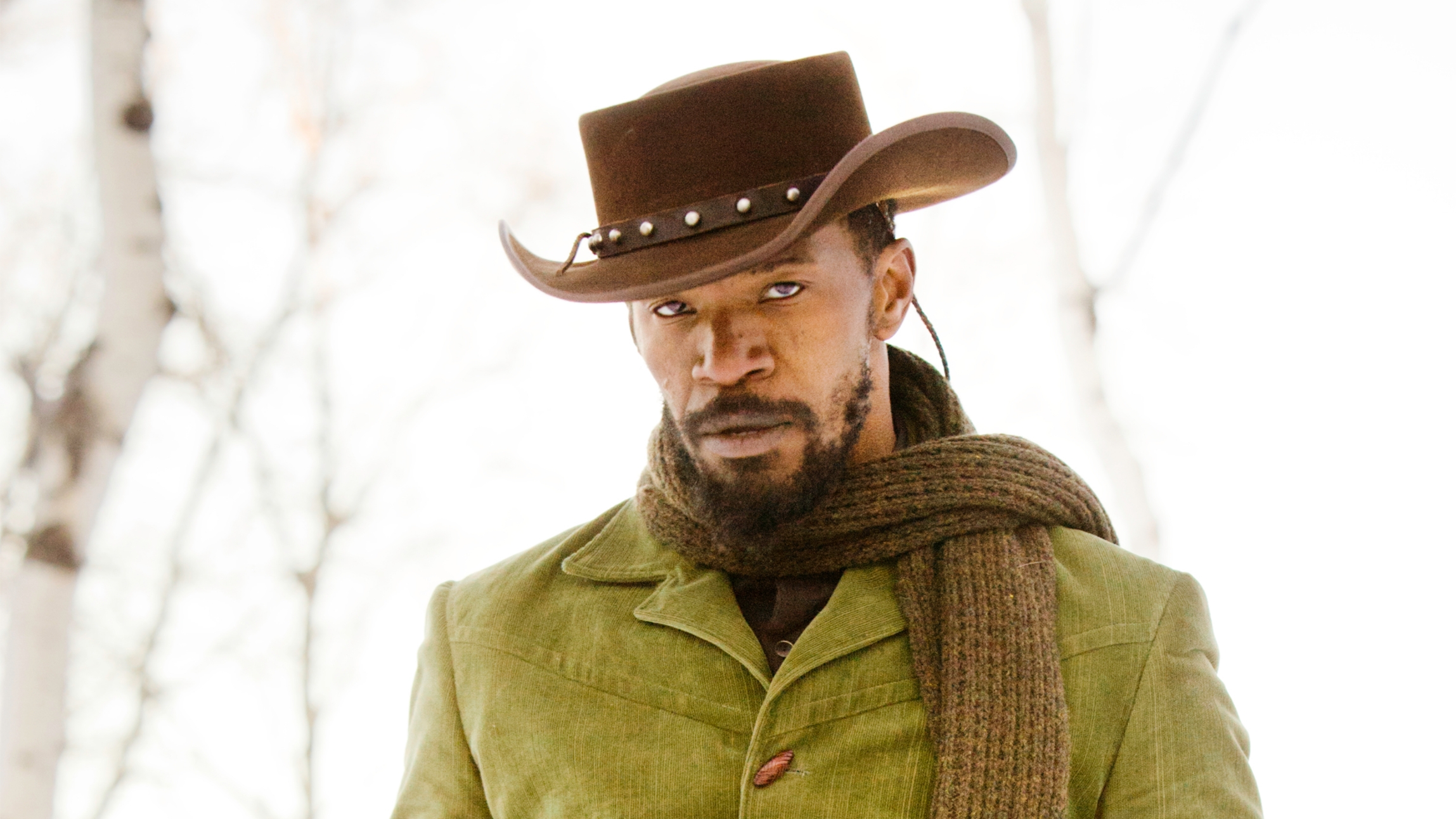
Although no casting decisions have been confirmed, speculation is already building around potential returns and reinterpretations. Jamie Foxx reprising his role as Django would provide continuity with Django Unchained, one of the most commercially successful films in Tarantino’s catalog.
On the Zorro side, the conversation becomes more complex. Antonio Banderas, who famously portrayed Zorro in earlier films, remains a frequent point of discussion among fans and industry observers. The age factor and franchise longevity raise questions about whether a direct return is even feasible.
One possible solution would be a legacy-style narrative structure, where Banderas appears as an older mentor figure passing the mantle forward. Alternatively, Sony could opt for a full recasting strategy, allowing for a long-term franchise reset. Given Zorro’s history of multiple iterations across decades, both approaches remain narratively viable.
A Calculated Gamble with Industry Implications
Ultimately, Sony’s decision to revive Django/Zorro reflects a broader recalibration within the film industry. Studios are increasingly investing in projects that combine recognizable intellectual property with innovative storytelling frameworks. In this context, the crossover between Django and Zorro represents both a creative experiment and a commercial strategy.
Nevertheless, the project still faces significant challenges. Balancing tonal differences, managing audience expectations, and expanding a story originally conceived under Quentin Tarantino’s creative influence will require careful execution. Even so, the current development progress suggests renewed confidence in the concept’s viability.
If successfully realized, “Django/Zorro” could redefine how crossover films approach genre blending in contemporary cinema. For now, it remains in active development, but with Helgeland’s involvement and industry backing in place, the project is closer than ever to moving from concept to screen.
Featured image: Art by Jae Lee
—Read also
The post Sony Revives Django And Zorro Crossover Movie With Brian Helgeland appeared first on Style Rave | The Ultimate Style Guide.