Algorithm Dressing: Is Social Media Changing the Way We Define Personal Style?

Algorithm Dressing: Is Social Media Changing the Way We Define Personal Style?

algorithm-dressing-style-identity-style-rave

There was a time when personal style was like a quiet signature. You could recognize someone not just by their face, but by the way they put clothing together—their rhythm, their colors, their sense of ease in what they wore. Style carried personality in a visible, almost instinctive way. It told a story without asking for attention.

That sense of individuality now competes with something louder. Social media no longer just shows fashion; it organizes it, ranks it, and repeats it. What appears on our screens often follows a familiar pattern—similar silhouettes, recurring aesthetics, and coordinated visuals designed to perform well online.

Slowly, style starts to feel less like self-expression and more like participation in a shared visual system. This is where algorithm dressing begins to take shape. It doesn’t announce itself, but it quietly influences choices. Outfits start to reflect what performs well online rather than what is personal. Over time, the question shifts from, “Does this feel like me?” to, “Will this get noticed?” In that shift, something subtle but important begins to change in fashion culture.
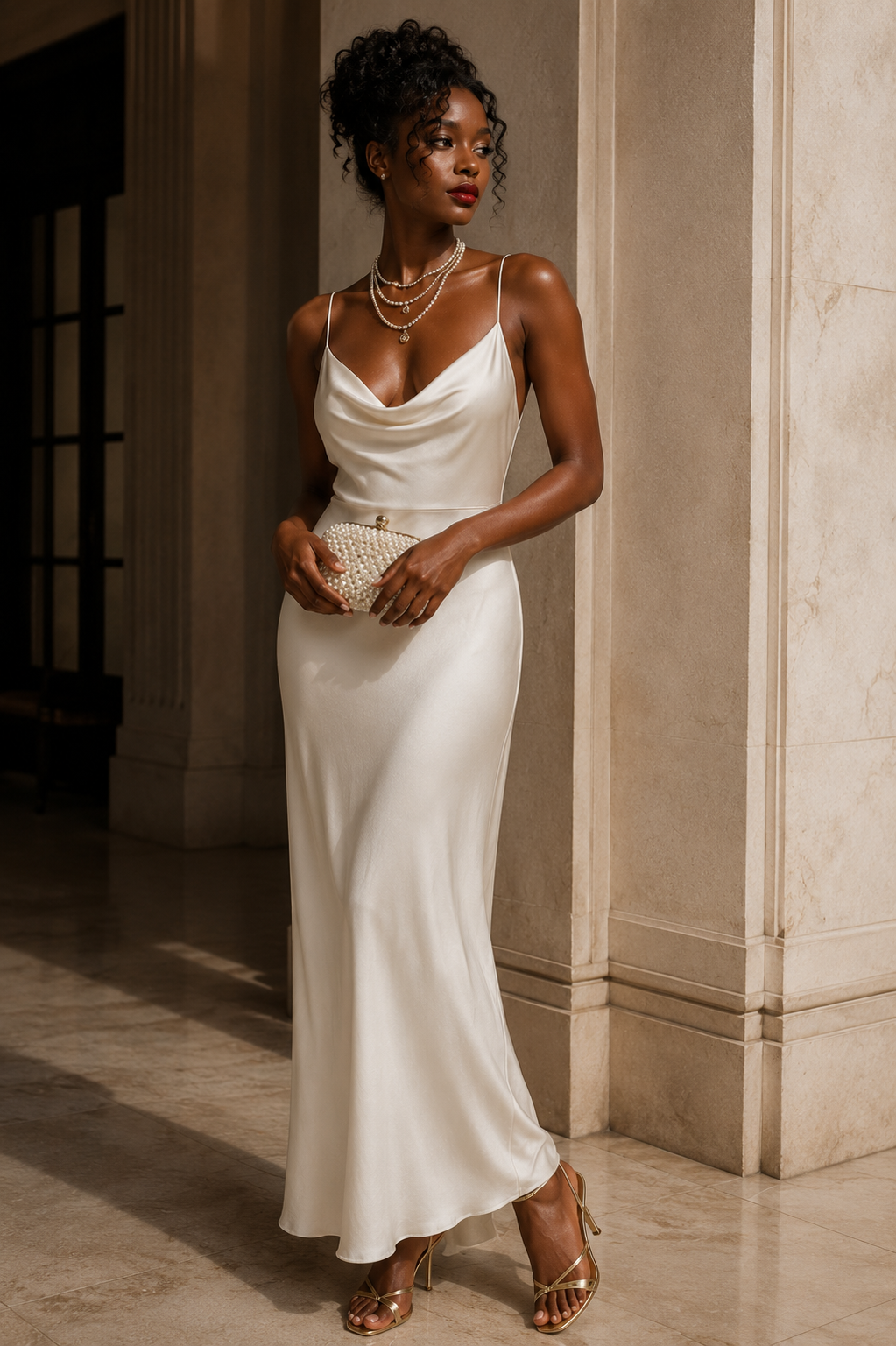
What Does Algorithm Dressing Really Mean?

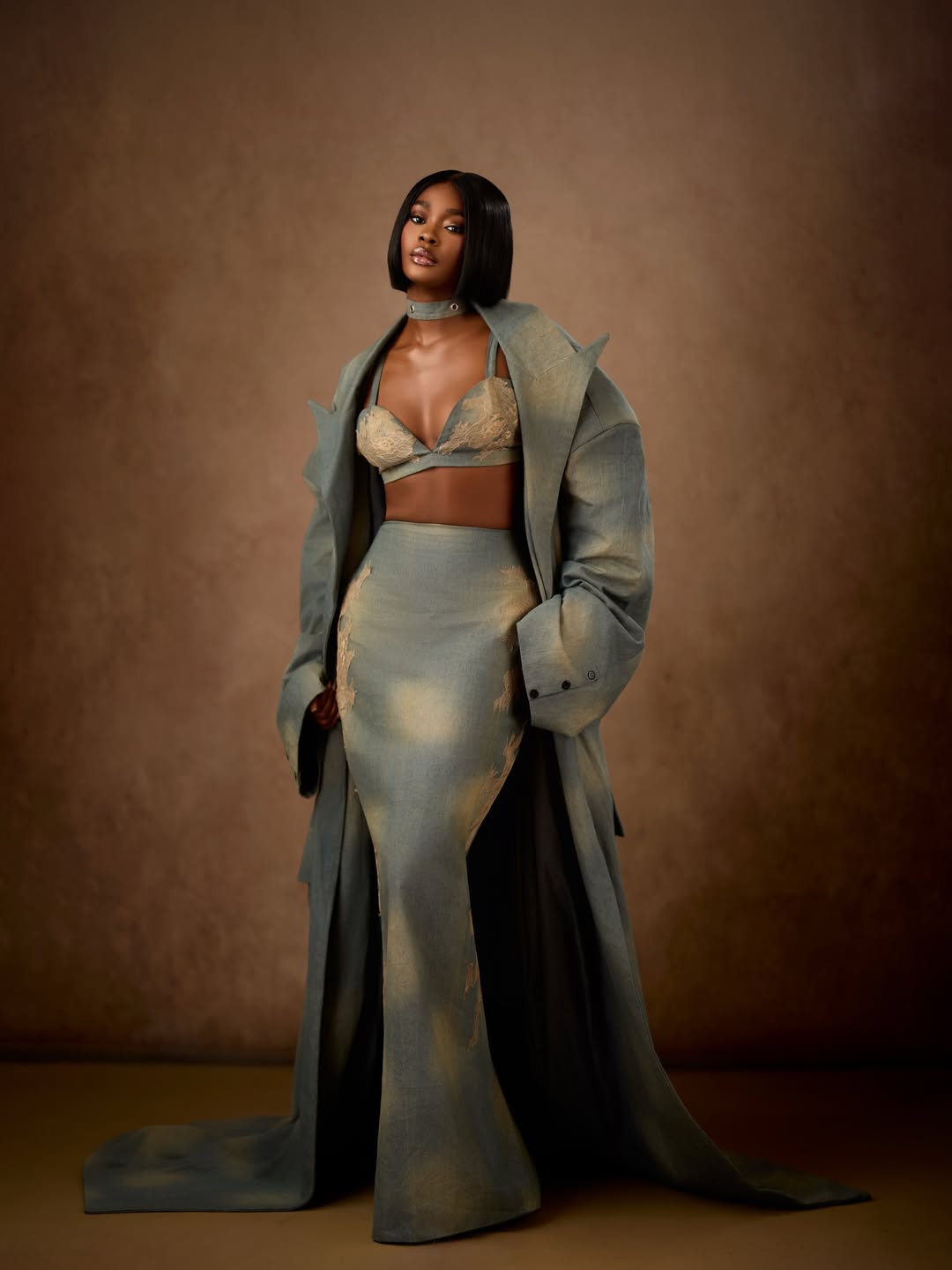
Photo: Style Rave Studio/AI-generated Visual

Algorithm dressing describes a new way of choosing clothing based on what social media rewards rather than what feels individually expressive. Platforms like TikTok, Instagram, and Pinterest determine which looks gain visibility, and those looks often set the tone for what people wear next.

Instead of discovering style through personal exploration, many people now discover it through repetition. The algorithm pushes certain colors, cuts, and aesthetics into constant circulation. As a result, fashion starts to seem curated by engagement rather than identity. This doesn’t eliminate creativity; it redirects it. Style begins to respond to digital approval systems instead of personal instinct.

When You Start Dressing for the Feed

Social media has changed the reason people get dressed. Outfits no longer exist only for real-world moments. They now exist for documentation, engagement, and visibility.

A simple outfit becomes a potential post. A mirror selfie becomes a styling test. Even casual dressing often carries the awareness of how it might appear on a screen. That awareness quietly shapes decisions—what gets worn, how it’s styled, and even how it’s posed. Over time, fashion starts to lean toward what photographs well rather than what feels natural to wear.

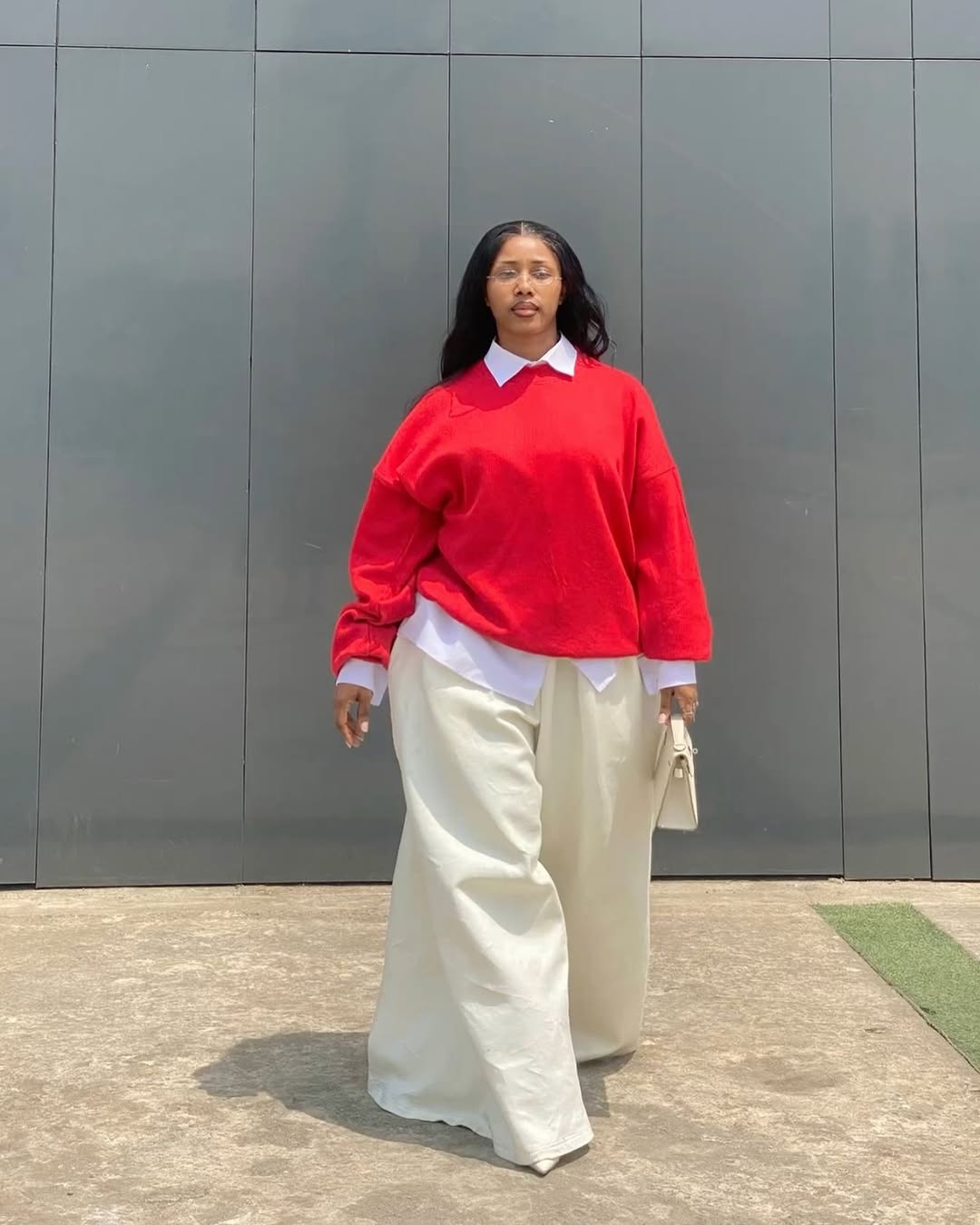
The Slow Standardization of Personal Style

Algorithm dressing
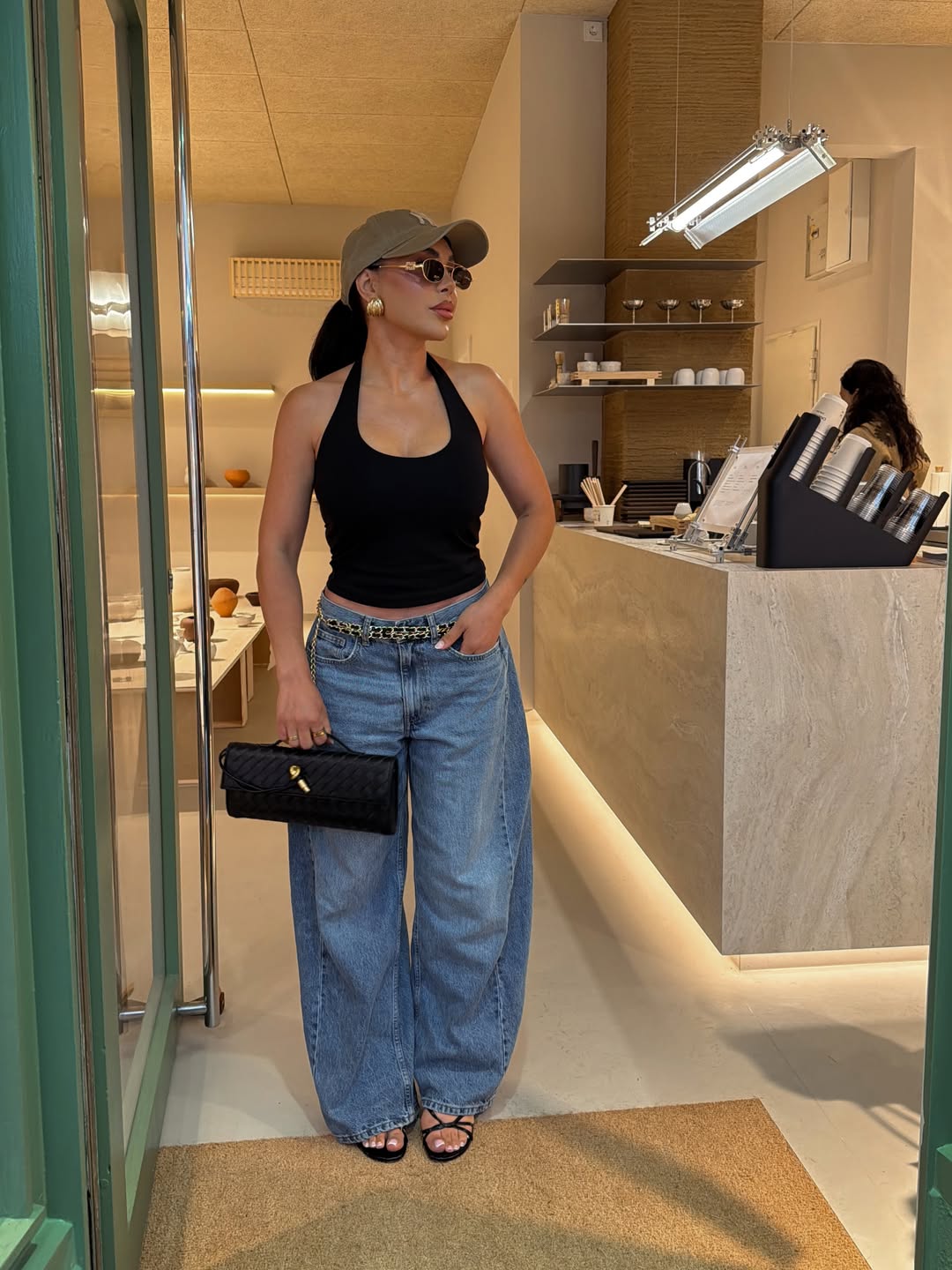
Photo: @mercylife_style/Instagram

Scroll through almost any platform long enough, and a pattern begins to emerge. Similar outfits repeat across different accounts. Soft tailoring, neutral palettes, oversized silhouettes, and curated minimalism often dominate feeds.

This repetition doesn’t happen by accident. The algorithm amplifies what already performs well, and creators respond by producing more of it. Gradually, fashion begins to lose its edges. Individuality blends into familiar visual codes. What once felt like distinct personal expression starts to look like variations of the same aesthetic.

Micro-Trends and the Speed of Disappearance

Algorithm dressing
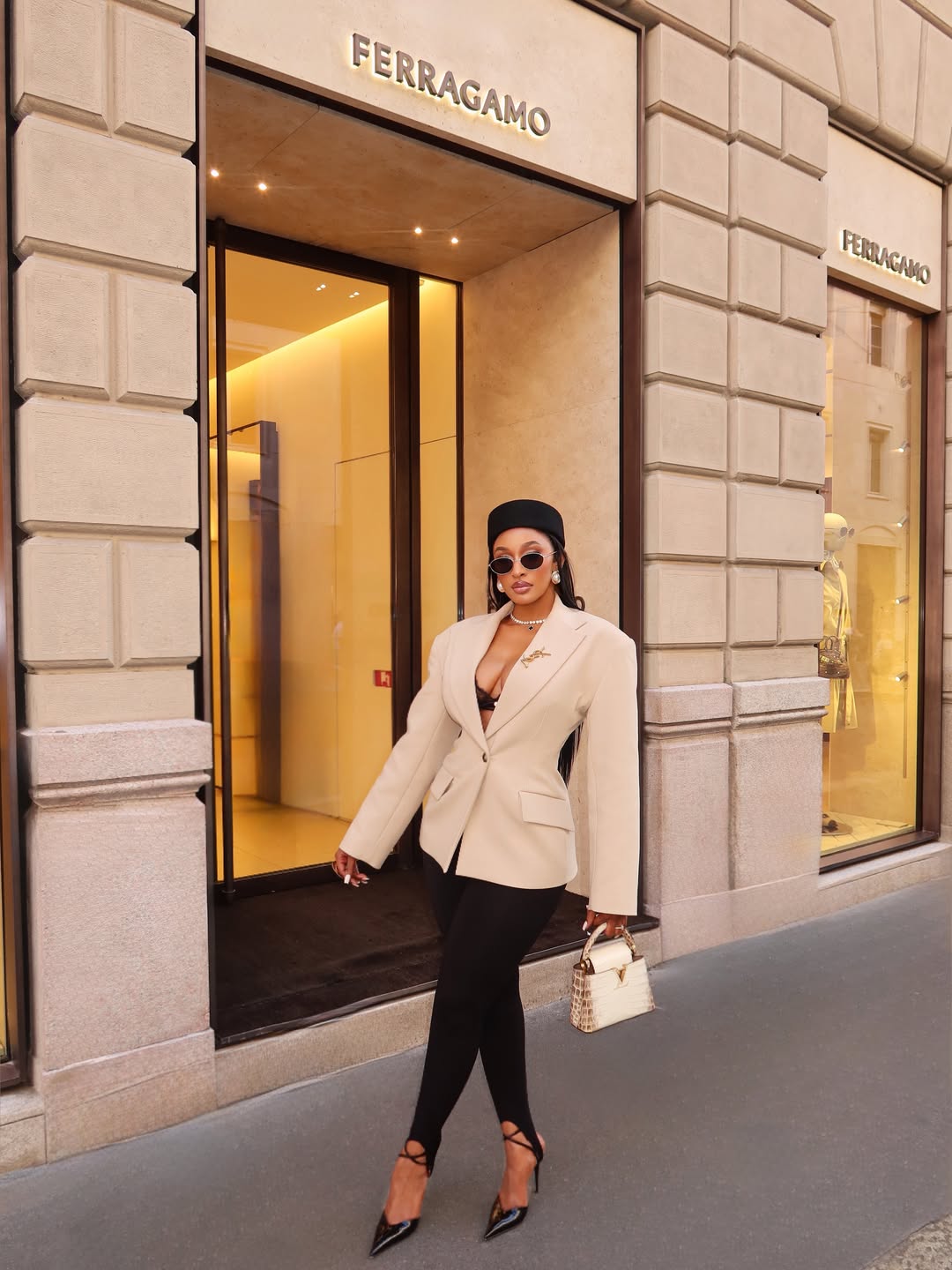
Photo: @hanadidiab/Instagram

Algorithm dressing thrives in a fast-moving environment. Micro-trends rise quickly, circulate widely, and fade just as fast. One week introduces a new aesthetic; the next replaces it.

This speed leaves little room for personal style to settle. Instead of building a consistent identity, many wardrobes shift constantly to match what’s currently visible online. Fashion becomes less about creating something lasting and more about staying current.

Influencers as the New Style Filters

Algorithm dressing
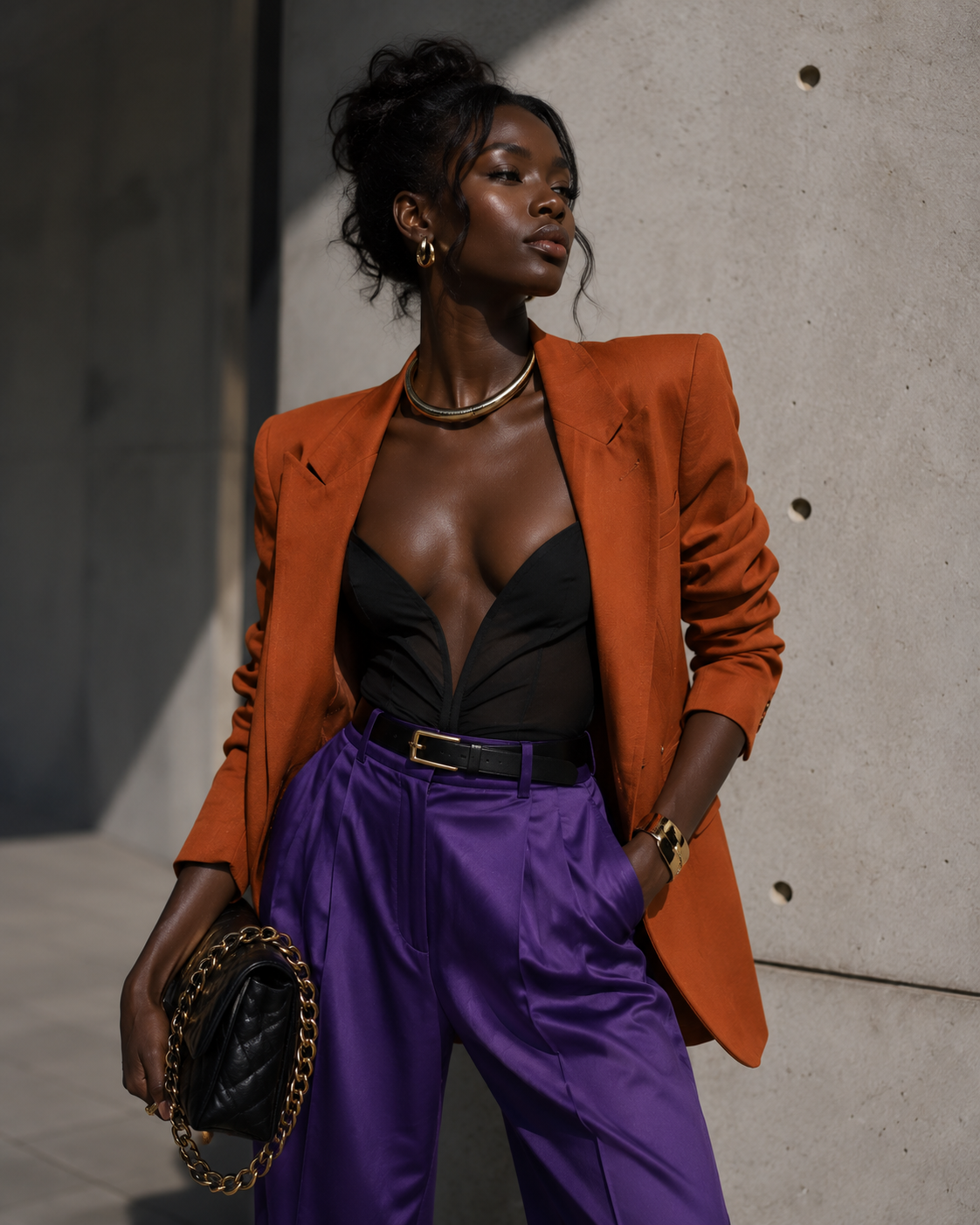
Photo: @theofficialfolarin/Instagram

Influencers now sit between the algorithm and the audience. They translate digital trends into wearable ideas, often shaping how millions interpret fashion in real time.

Because their content depends on visibility, many naturally lean toward what performs best on social platforms. This creates a cycle in which similar styling choices circulate among creators, reinforcing the same visual language. Over time, individuality competes with performance, and performance often wins.

When Style Starts Losing Its Identity

Personal style once functioned like a fingerprint—unique, consistent, and deeply personal. Algorithm dressing introduces pressure that slowly softens those distinctions. Instead of building wardrobes around personality, many people begin building them around trends that already have digital approval.

This shift doesn’t completely erase individuality, but it makes it harder to recognize. Style becomes less about identity and more about aligning with what’s currently visible.

Can Personal Style Still Exist in an Algorithmic World?

Photo: @vykiietoriah/Instagram

Even within an algorithm-driven culture, personal style hasn’t disappeared. It still exists in small decisions—how someone mixes pieces, what they repeat, what they ignore, and what they return to despite changing trends.

Some people step back from constant trend cycles and focus on consistency. Others use social media for inspiration without letting it dictate their choices. These small acts help preserve individuality in a highly reactive environment. The balance now lies between influence and intention.

Fashion That Reflects the Feed or the Person

Algorithm dressing continues to reshape how fashion moves, spreads, and evolves. It creates speed, visibility, and constant renewal, but it also introduces a quieter question about identity. As style becomes more connected to digital systems, it risks losing some of its personal texture. Yet within that system, space still exists for individual expression—if it comes from choice rather than reaction.

In the end, fashion faces a simple tension: whether it reflects the person wearing it or the platform showing it.

Featured Image: Style Rave Studio/AI-generated Visual

The post <em>Algorithm Dressing:</em> Is Social Media Changing the Way We Define Personal Style? appeared first on Style Rave | The Ultimate Style Guide.