Morning routines have started looking a little different lately for a lot of people. One shelf holds collagen powders stirred into coffee before work, while another carries biotin gummies promising stronger strands and healthier nails. At the same time, wellness goals have shifted toward long-term beauty support rather than quick fixes alone, which explains why interest in biotin and collagen for healthy skin and stronger hair keeps growing. Still, many people remain unsure about what each ingredient actually does, how long results take, and which option makes the biggest difference for everyday beauty goals.
Part of the confusion comes from the fact that biotin and collagen work in completely different ways. One supports the body’s ability to process nutrients linked to hair and nail health, while the other focuses heavily on skin elasticity and connective tissue support. That distinction matters, especially now that the supplement market is crowded with products promising dramatic transformations in weeks.
So before adding another powder, capsule, or gummy to your routine, it’s important to break down what biotin and collagen actually do, who benefits most from each one, and how to use them realistically without expecting overnight miracles.
What Is Biotin?

Biotin, also known as vitamin B7, is a water-soluble vitamin that helps the body convert food into energy. However, beauty discussions usually center around its relationship with hair, skin, and nails. The ingredient became especially popular after people began associating biotin supplements with stronger edges, reduced breakage, and faster-growing nails.
For hair specifically, biotin supports keratin production. Keratin is the protein that makes up the hair shaft, which explains why low biotin levels can sometimes contribute to brittle strands or thinning hair. This is also why many shampoos, scalp serums, gummies, and hair vitamins now include biotin as a hero ingredient.
That said, one important detail is often skipped online: biotin works best for people who are actually deficient or whose diets lack enough supportive nutrients. Taking extremely high doses without a real need does not automatically create dramatic hair growth overnight.
Within beauty routines, biotin tends to work best for people focused on strengthening weak nails, reducing breakage, or supporting healthier hair maintenance over time. Discussions about biotin and collagen for glowing skin and healthier hair often place biotin on the hair-support side of the conversation for this reason.
Shop biotin-infused hair products
What Does Biotin Actually Help With?
Biotin is commonly associated with the following:
- Hair strengthening
- Nail support
- Reduced brittleness
- Supporting keratin production
- Overall nutrient metabolism
Many people notice improvements in nail strength before seeing major hair changes. Nails may crack less easily, while strands can gradually appear less fragile over time.
However, biotin is not a cure for every type of hair loss. Hair shedding linked to hormones, stress, medical conditions, tight hairstyles, or scalp inflammation usually requires a broader approach than supplements alone.
This distinction matters because online beauty culture sometimes presents biotin as a universal solution, when in reality, healthy hair growth also depends on scalp care, nutrition, hydration, protein intake, and overall wellness.
What Is Collagen?
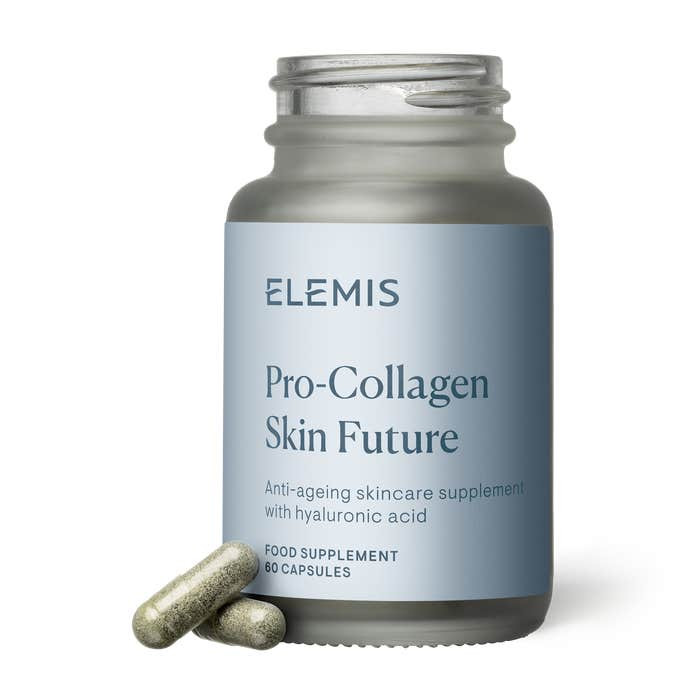
Collagen is the most abundant protein in the body. It supports skin elasticity, joints, connective tissues, and overall skin firmness. Unlike biotin, collagen focuses heavily on skin texture, hydration, and visible aging support.
Starting in the mid-to-late twenties, natural collagen production gradually declines. This shift can contribute to fine lines, dryness, reduced elasticity, and skin that no longer appears as firm as before. Environmental stress, smoking, poor sleep, and excessive sun exposure can accelerate that decline even further.
Most collagen supplements contain hydrolyzed collagen peptides, which are broken down into smaller molecules for easier absorption. Marine collagen and bovine collagen remain the most common forms on the market today.
People’s interest in biotin and collagen often leans toward collagen for skincare when the main focus is elasticity, hydration, or age-support maintenance rather than hair growth alone.
Shop collagen supplements here
What Does Collagen Help With?
Collagen is more closely tied to:
- Skin elasticity
- Hydration support
- Fine line maintenance
- Skin firmness
- Joint support
- Overall skin texture
People taking collagen consistently often describe gradual improvements in skin bounce and hydration after several weeks or months. Hair and nails may benefit too, although collagen’s strongest reputation remains connected to skin support.
One reason collagen continues trending so heavily is that modern beauty routines now prioritize healthier-looking skin over heavy makeup coverage. Instead of masking dryness or dullness, many consumers are investing in ingredients that support the skin itself over time.
Biotin vs. Collagen: Which One Is Better for Hair Growth?

This depends on the underlying concern. Biotin tends to make more sense for brittle hair, weak nails, or nutrient-support routines connected to keratin production. Collagen, meanwhile, may support the scalp environment indirectly by supplying amino acids that contribute to overall hair health.
Still, neither ingredient guarantees dramatic growth on its own. Protective styling habits, scalp maintenance, balanced nutrition, sleep quality, hydration, and stress management all influence hair growth far more than many supplement advertisements admit.
For natural hair especially, excessive heat styling, tension, dryness, and skipped moisture routines often contribute to breakage that gets mistaken for “slow growth.”
Which One Is Better for Skin?
Collagen usually takes the lead for skin-focused goals. That is largely due to collagen’s direct relationship with elasticity and hydration support. People concerned about fine lines, dullness, or dryness often gravitate toward collagen powders or peptide-based skincare products for that reason.
Biotin can still support overall skin health, although very high doses occasionally trigger breakouts in some people. This does not happen to everyone, but it is something worth monitoring if acne-prone skin becomes more reactive after starting supplements.
Across beauty and wellness routines, biotin and collagen are increasingly being used together for glowing skin and fuller hair rather than treated as competitors.
How Long Does It Take to See Results?

This is one of the biggest misconceptions online. Most supplements require consistency for several weeks or months before visible changes appear. Hair growth itself is naturally slow, which means meaningful improvement rarely happens within a few days.
Many people notice:
- Nail improvements within a few weeks
- Skin hydration changes after one to two months
- Hair improvements after several months of consistency
Results also vary depending on diet, stress levels, hormones, genetics, and overall health habits.
Can You Take Biotin and Collagen Together?
Yes, many people combine them safely within a balanced routine.
Biotin supports keratin-related functions, while collagen supports skin and connective tissue maintenance. Since they target different areas, they are often paired together in beauty supplements.
However, moderation still matters. Extremely high supplement intake does not automatically produce faster results. It is also important to pay attention to ingredient quality rather than buying products solely based on trendy packaging or influencer hype.
What Should You Look For in Supplements?
Quality matters far more than marketing buzzwords.
For collagen:
- Look for hydrolyzed collagen peptides
- Marine or bovine sources are common
- Products with vitamin C may support collagen synthesis
For biotin:
- Avoid excessively high doses unless professionally recommended
- Look for formulas paired with supportive nutrients like zinc or vitamin D
Sugar-heavy gummies may look appealing, but powders, capsules, and simpler formulas often provide more straightforward ingredient profiles.
Final Thoughts
Beauty trends may shift every season, yet wellness routines built around healthier skin and stronger hair continue growing steadily. That is why discussions involving biotin and collagen for everyday skin maintenance and hair support remain so popular across modern beauty spaces.
Still, the smartest approach comes down to realistic expectations. Supplements can support a routine, but they work best when paired with proper nutrition, hydration, scalp care, sunscreen use, and consistent habits. Hair health and skin maintenance rarely depend on one miracle ingredient alone.
Biotin may work better for someone struggling with brittle nails and weak strands, while collagen often appeals more to people focused on elasticity, hydration, and smoother-looking skin. In many cases, the strongest routines combine both thoughtfully instead of treating them as opposing choices.
Featured image: Pantene
Benzoyl Peroxide vs. Salicylic Acid: Which Acne Treatment Works Better?
The post <em>Biotin or Collagen?</em> Here’s What Your Skin and Hair Really Need appeared first on Style Rave | The Ultimate Style Guide.