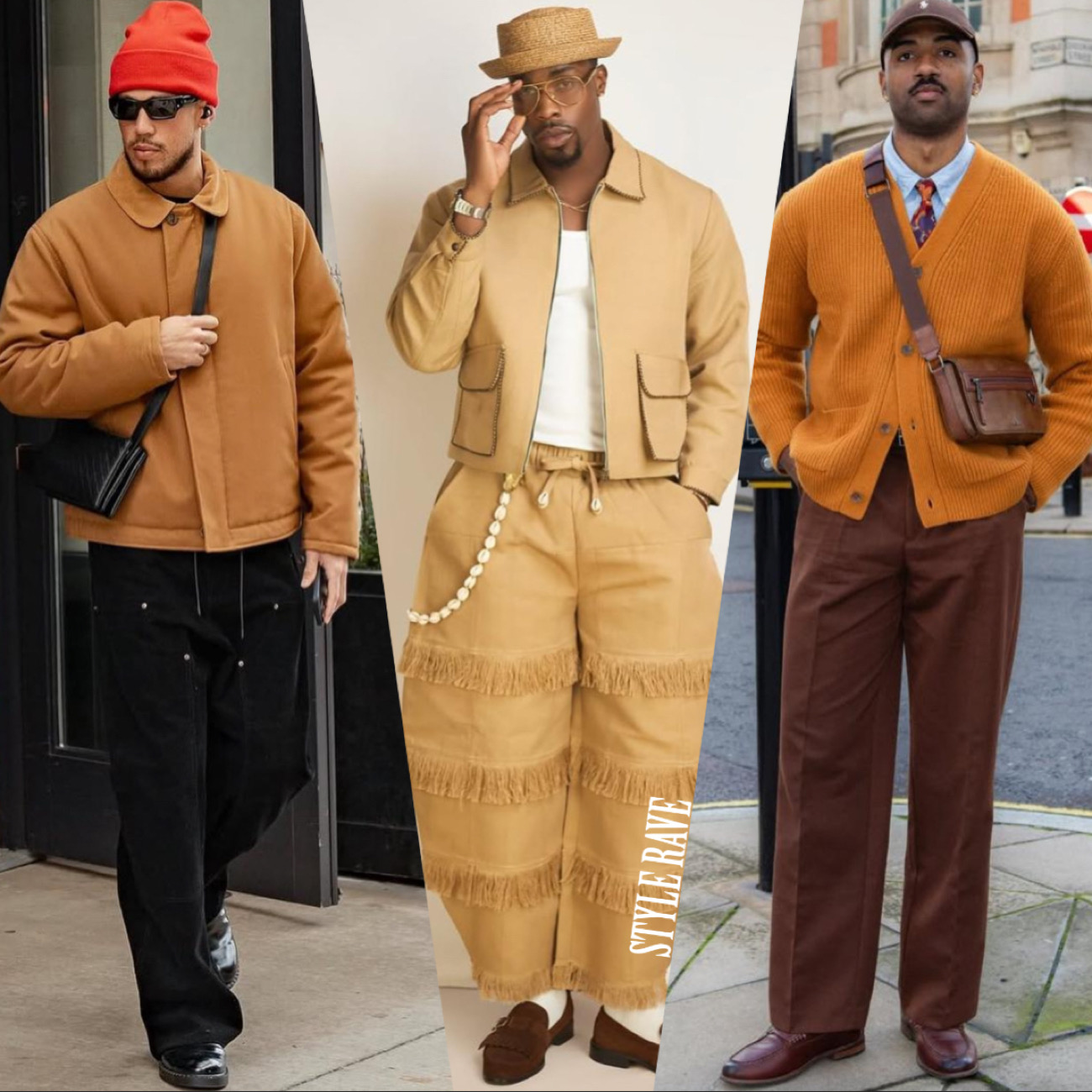
Spring style is usually defined by soft pastels, crisp whites, and light tones that reflect the energy of the season. But fashion is always evolving. Recently, there’s been a subtle shift toward richer, earthier shades—colors traditionally associated with fall. So, can you wear fall colors in spring without looking out of place?
The answer is yes, and it’s quickly becoming a considered style choice. Browns, beiges, burnt oranges, and warm neutrals can feel just as fresh as classic spring hues when styled thoughtfully. The key lies in balance: lighter fabrics, relaxed silhouettes, and intentional layering. Driven by the quest for dandyness, this guide breaks down how to make fall colors the highlight of your spring wardrobe.
Rethinking Seasonal Color Rules

For years, fashion followed strict seasonal color rules: spring belonged to lighter shades, while fall was reserved for deeper tones. Today, those boundaries feel increasingly outdated. Style is now less about when you wear a color and more about how you wear it.
If you’ve ever questioned whether fall colors work in spring, the answer depends entirely on styling. A rich brown outfit, for example, won’t feel heavy if it’s cut in breathable fabrics with relaxed fits. Similarly, burnt orange can feel vibrant and seasonal when paired with lighter tones or spring-ready accessories.
Shop editor’s picks
Lean Into Earth Tones as a Foundation
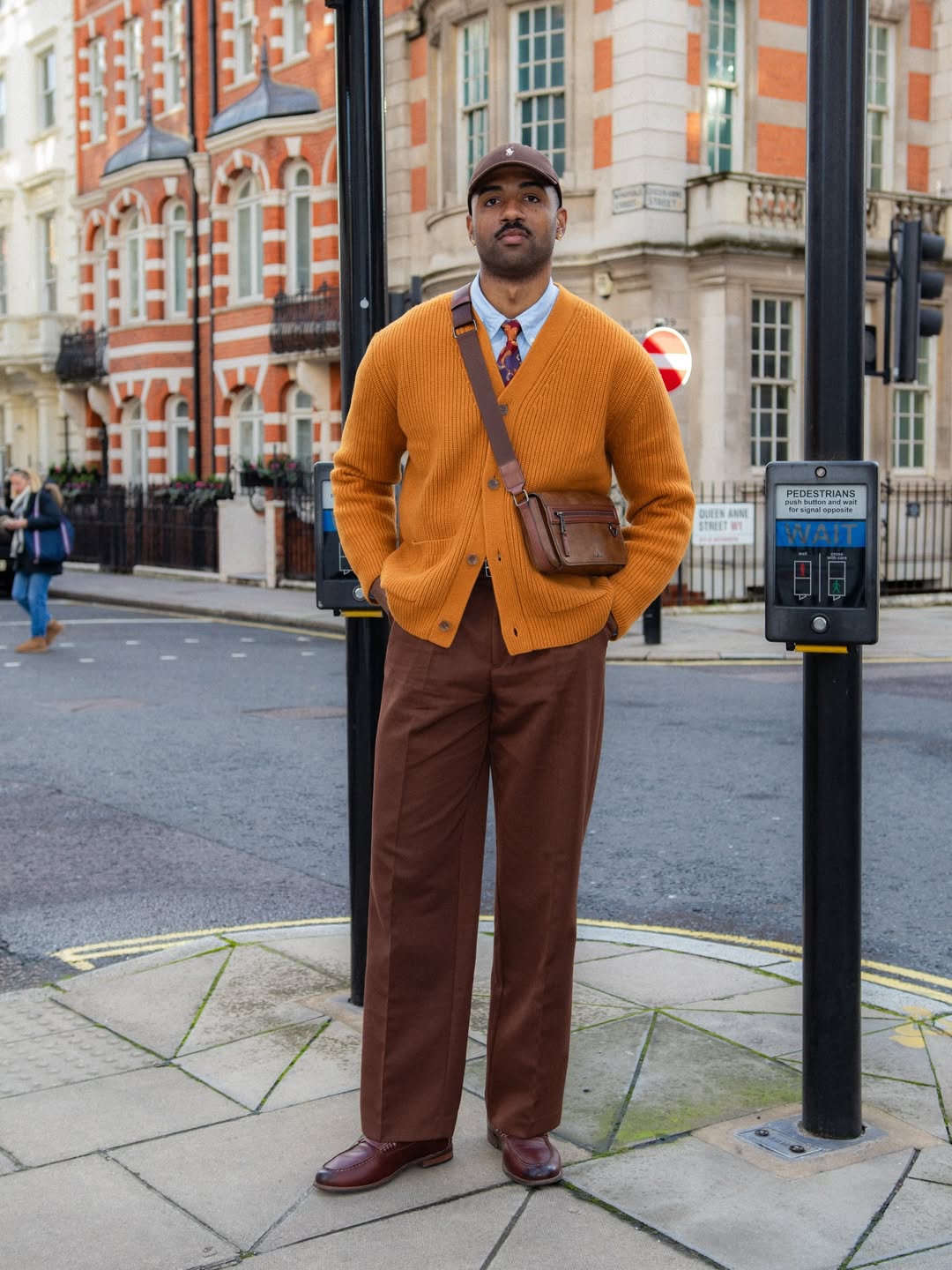
This look highlights how impactful an all–earth-tone outfit can be. A deep orange cardigan paired with brown trousers creates a warm, polished effect. The strength lies in tonal harmony; everything sits within the same color family, yet there’s enough variation to keep it visually engaging.
To recreate this approach:
- Combine shades like rust, caramel, and chocolate brown
- Keep silhouettes clean and slightly relaxed
- Opt for lightweight layering pieces, such as cotton or fine-knit cardigans
This proves that fall colors can work seamlessly in spring, especially when the fabrics and fits align with the season.
Shop editor’s choice
Lighten the Mood With Fabric and Fit

One of the easiest ways to adapt fall colors for spring is through fabric choice. Heavy wool and thick knits can make darker shades feel dense, while lighter materials like cotton and linen instantly shift the mood.
In the look above, a beige jacket is styled with black trousers and a bright red beanie. While the palette leans autumnal, the outfit feels light and wearable. The jacket isn’t bulky, and the overall silhouette allows for ease of movement.
Key tips:
- Choose lightweight materials, even in darker shades
- Opt for cropped or slightly oversized silhouettes
- Avoid over-layering. Let the outfit breathe
At this point, wearing fall colors in spring becomes less about the palette itself and more about execution.
Shop editor’s favorites
Use Contrast to Keep It Fresh

Spring style thrives on contrast, but that doesn’t always mean bright colors. Mixing tones within a grounded palette can create just as much visual interest. Here, a deep brown base is paired with patterned outerwear and statement sneakers. The darker tones don’t feel heavy because texture and movement break up the look.
To achieve a similar effect:
- Pair deep browns with lighter neutrals like beige or cream
- Introduce subtle patterns or textured fabrics
- Add modern footwear to keep the outfit current
Contrast keeps earth tones from feeling flat and reinforces the idea that wearing fall colors in spring is less a limitation and more an opportunity.
Shop editor’s picks
Accessorize With Intention
Accessories play a crucial role in adapting fall tones for spring. In each look, bags, hats, and shoes help define the overall mood.
Notice how:
- Leather bags in brown tones add cohesion without heaviness
- Sunglasses and caps introduce a lighter, seasonal feel
- Footwear ranges from polished loafers to casual sneakers, softening the palette
The goal is to avoid winter-heavy accessories and instead choose pieces that feel aligned with warmer weather while still complementing your color story.
Embrace Monochrome With a Twist

Monochrome dressing in earth tones is one of the most effective ways to make fall colors feel intentional in spring. Rather than relying on contrast, you build depth by layering different shades within the same palette.
Think:
- Light beige paired with deep tan
- Burnt orange layered over soft brown
- Chocolate tones enhanced with subtle patterns
This approach creates a polished, cohesive look that stands out precisely because it challenges traditional seasonal expectations.
Shop editor’s choice
Confidence Is the Real Statement
In the end, wearing fall colors in spring reflects a broader shift in how we approach style. Personal expression now takes precedence over rigid rules. So, can you wear fall colors in spring? Absolutely, and you can make them the foundation of your wardrobe. When styled well, these tones feel just as fresh, modern, and expressive as pastels, sometimes even more so.
What matters most is how you wear them: choose lighter fabrics, layer thoughtfully, and stay open to experimentation. With the right approach, browns, beiges, and burnt oranges don’t just fit into spring; they help redefine it.
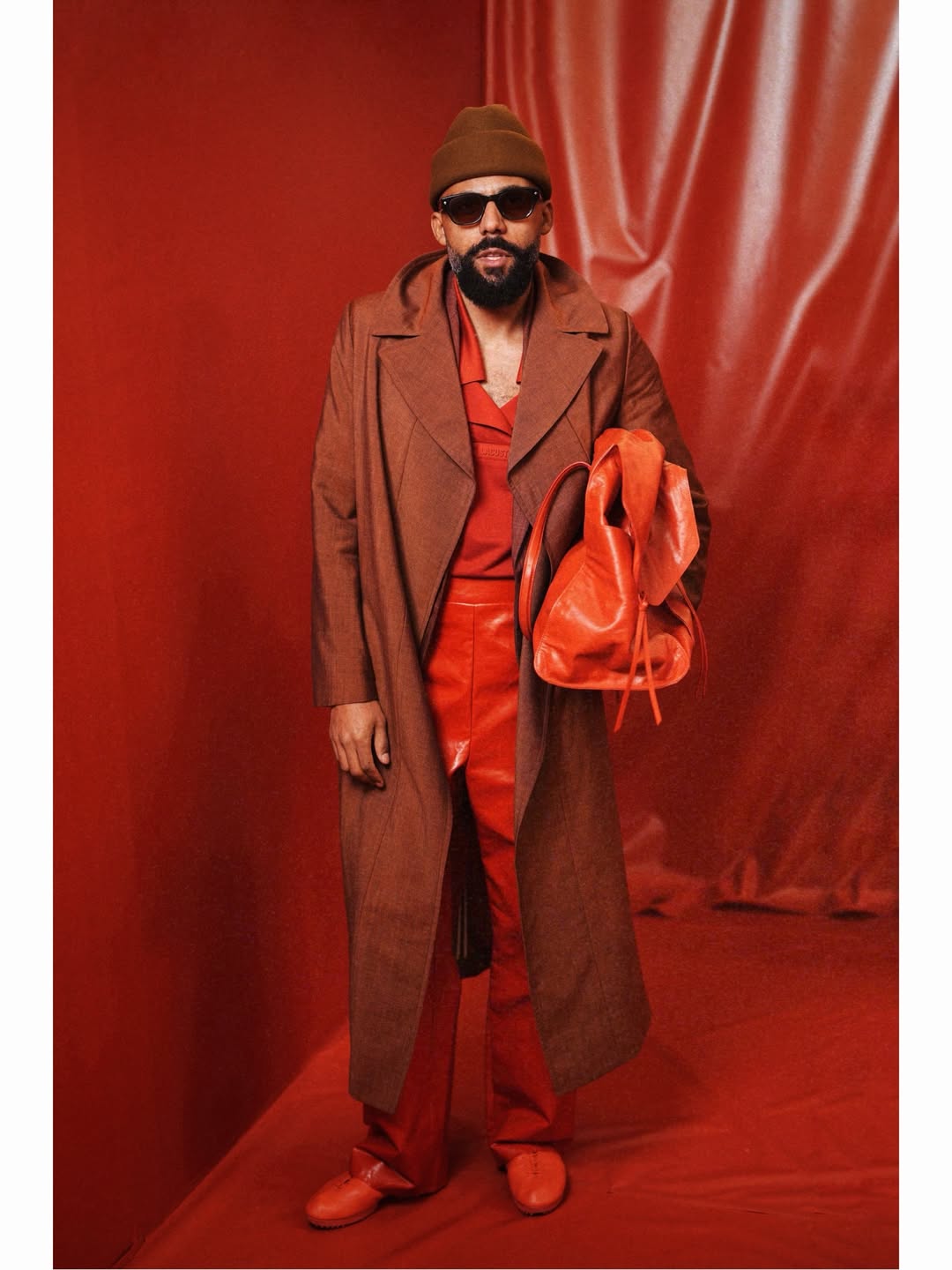
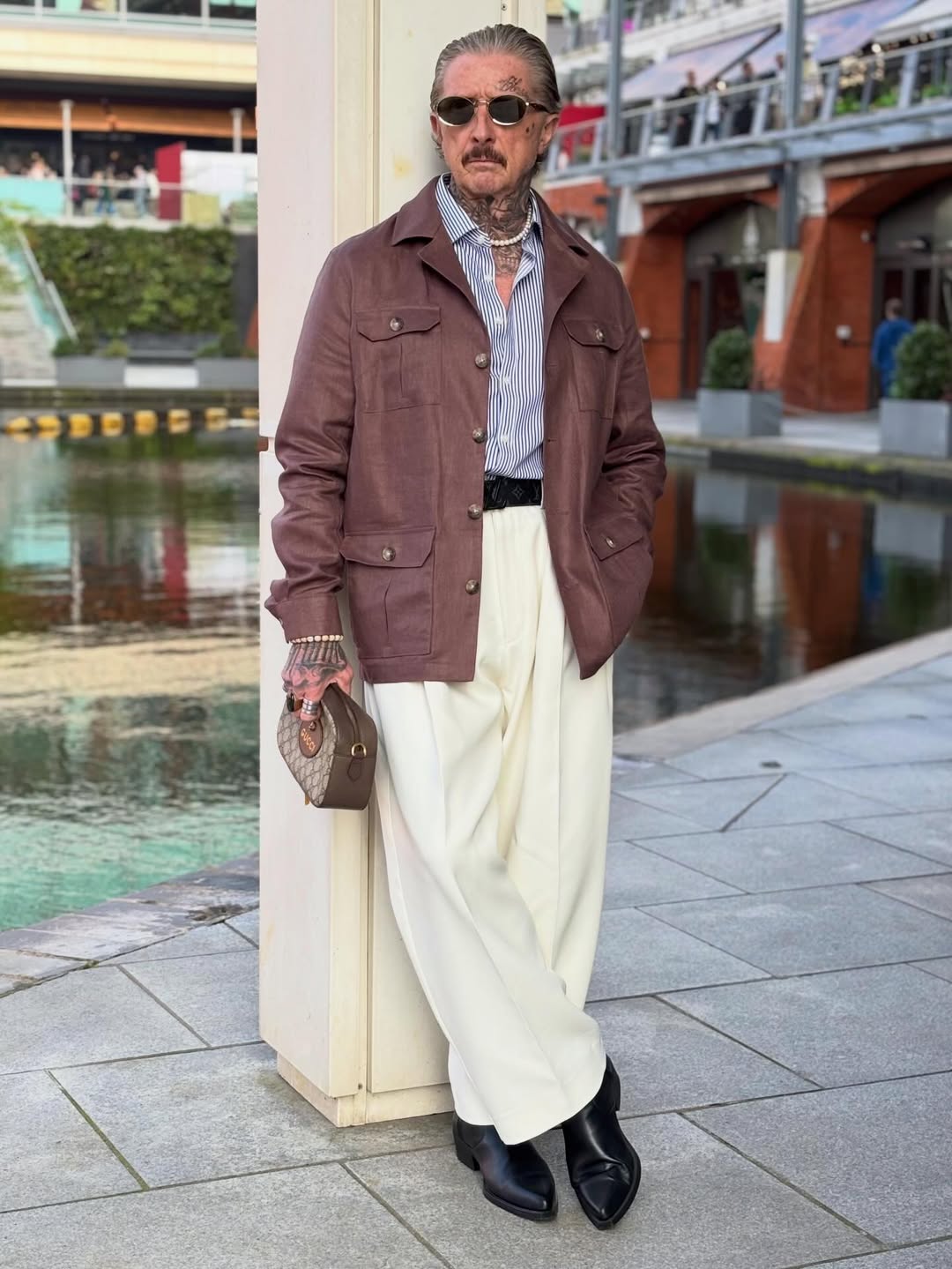
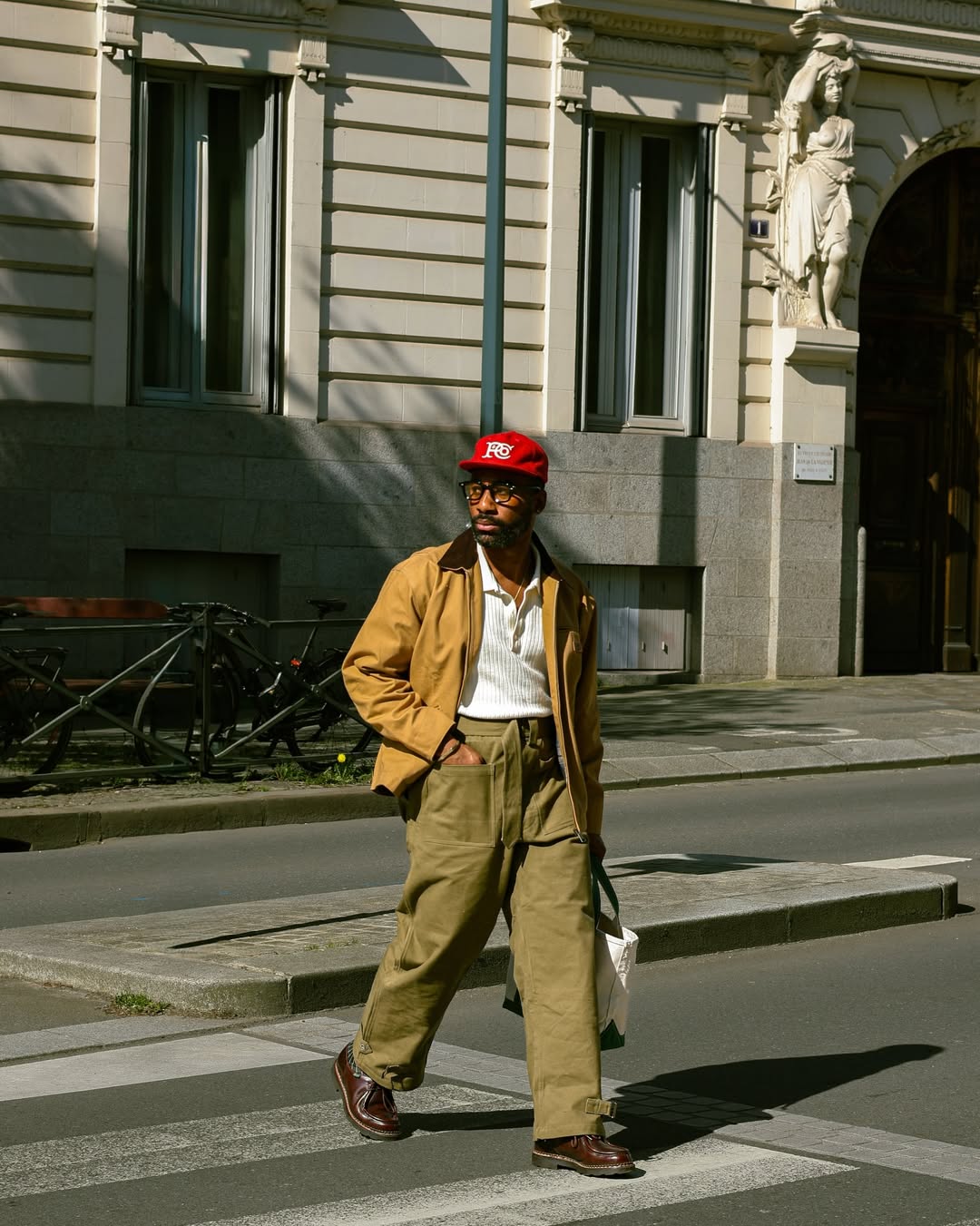
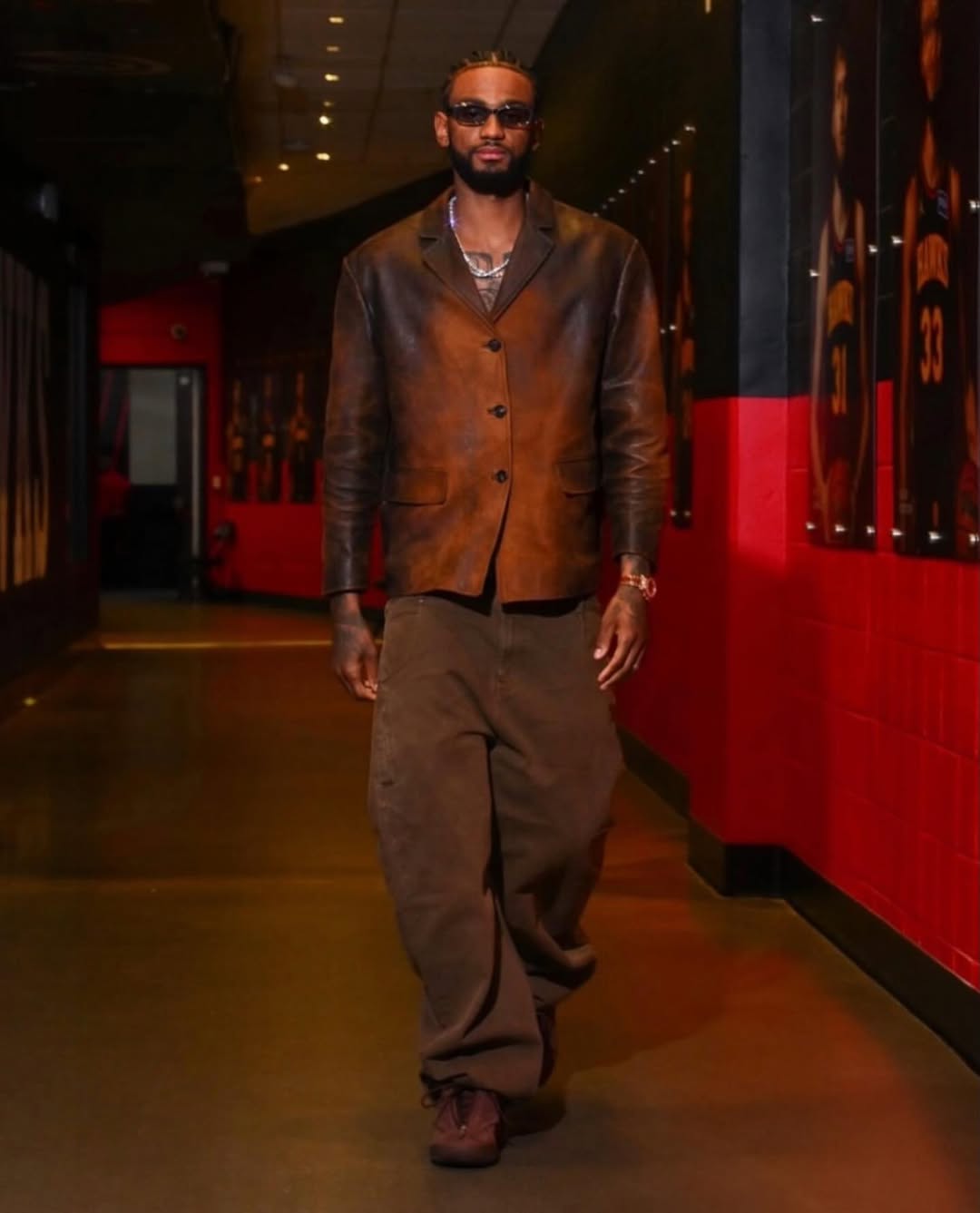
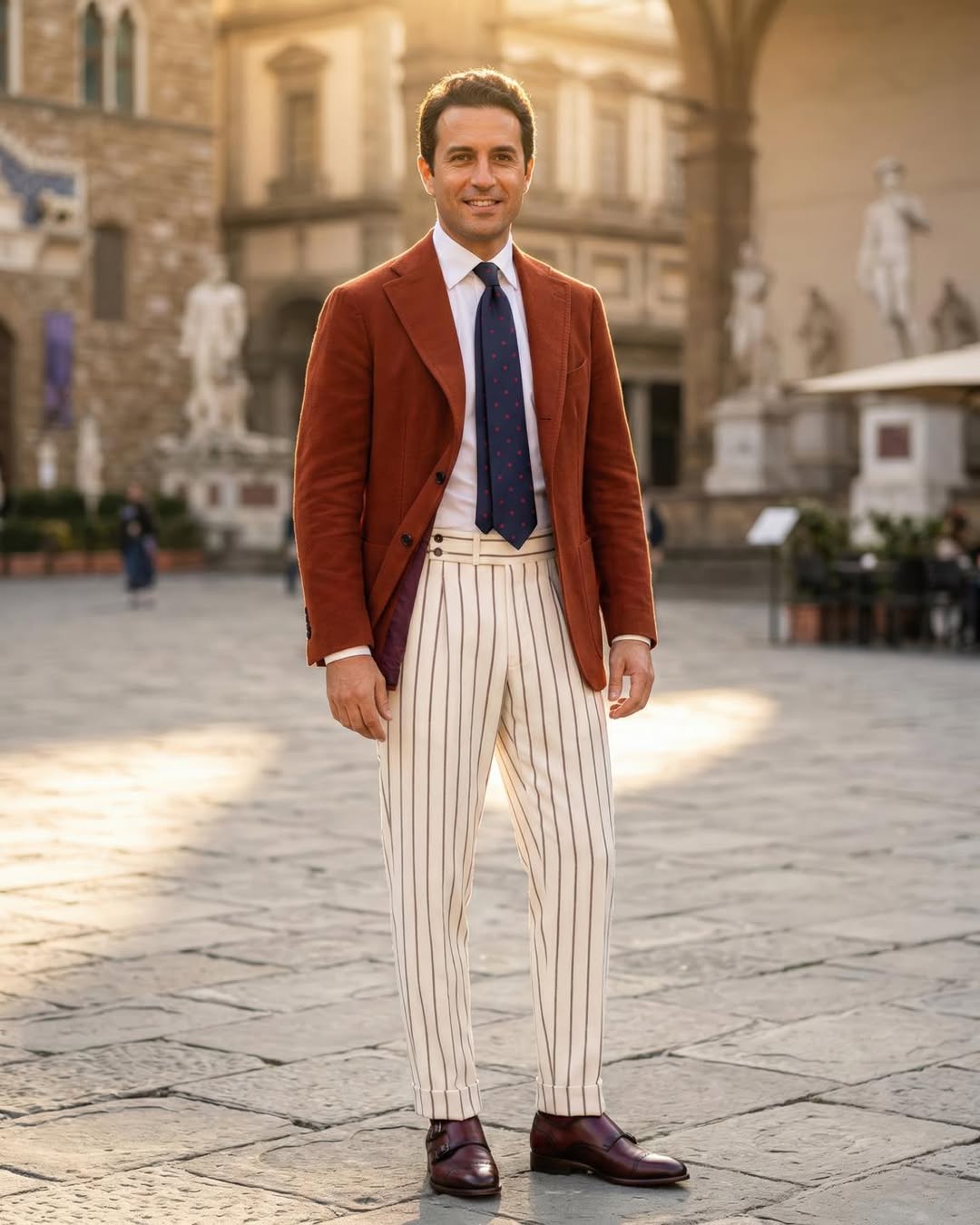
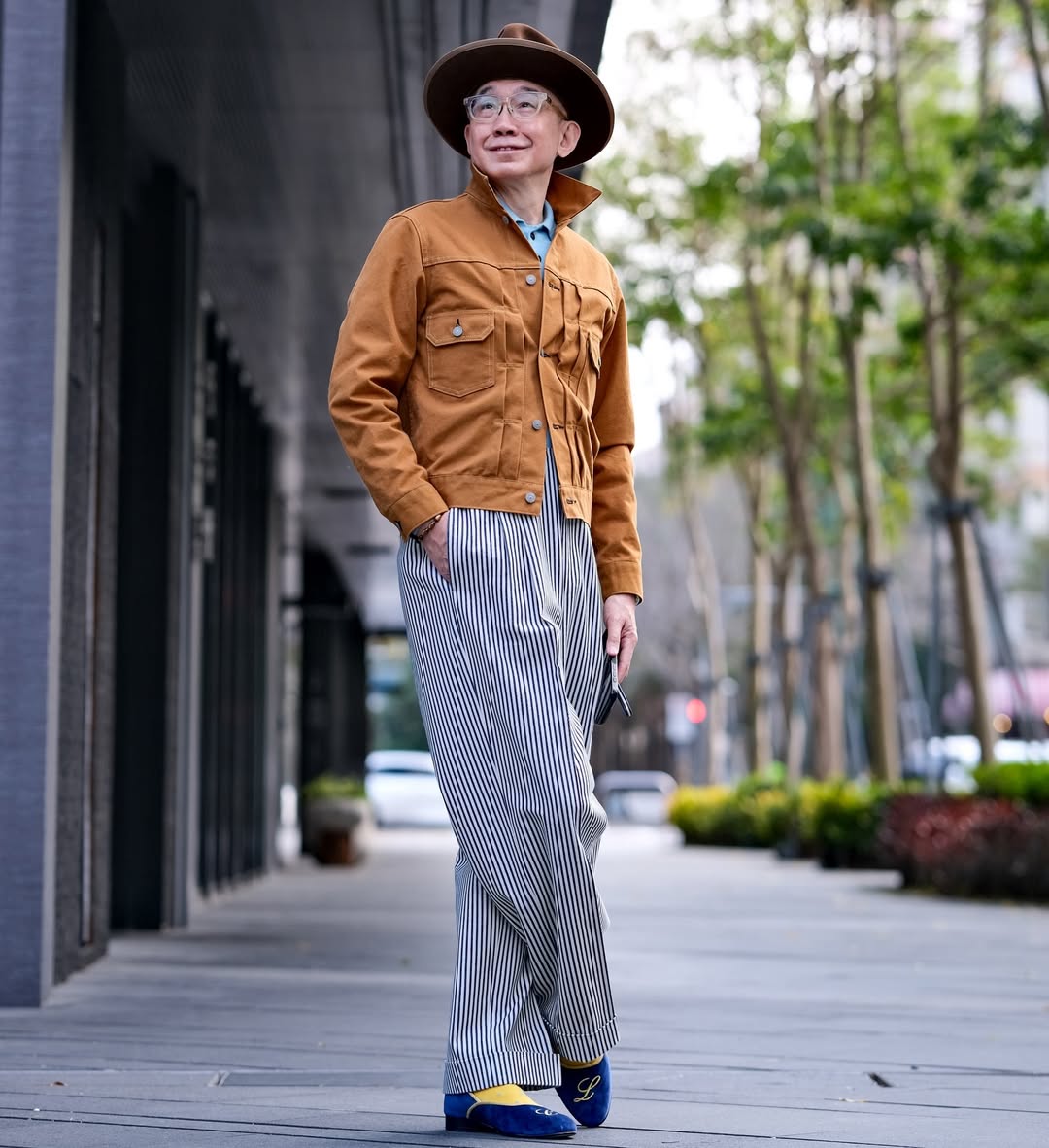
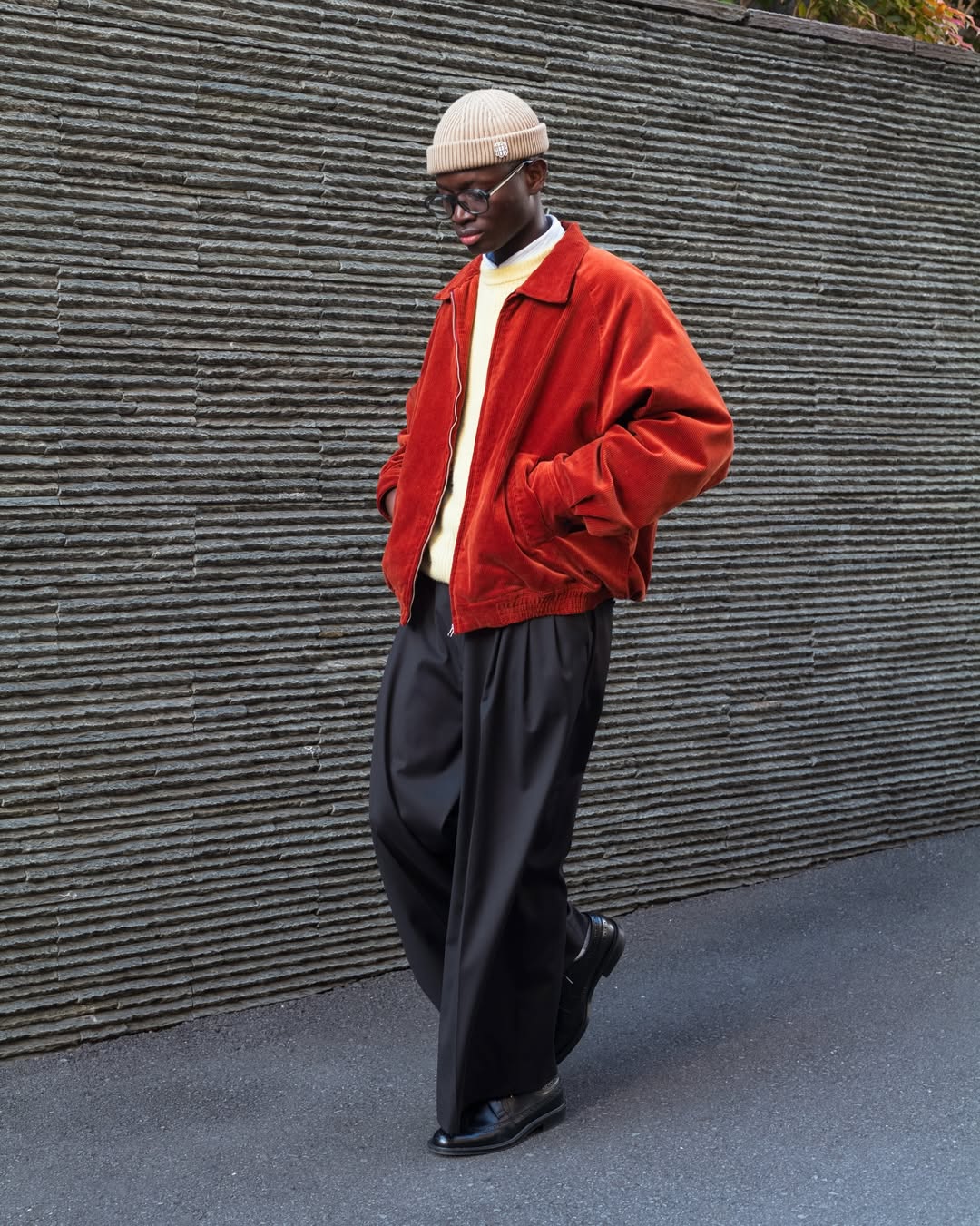
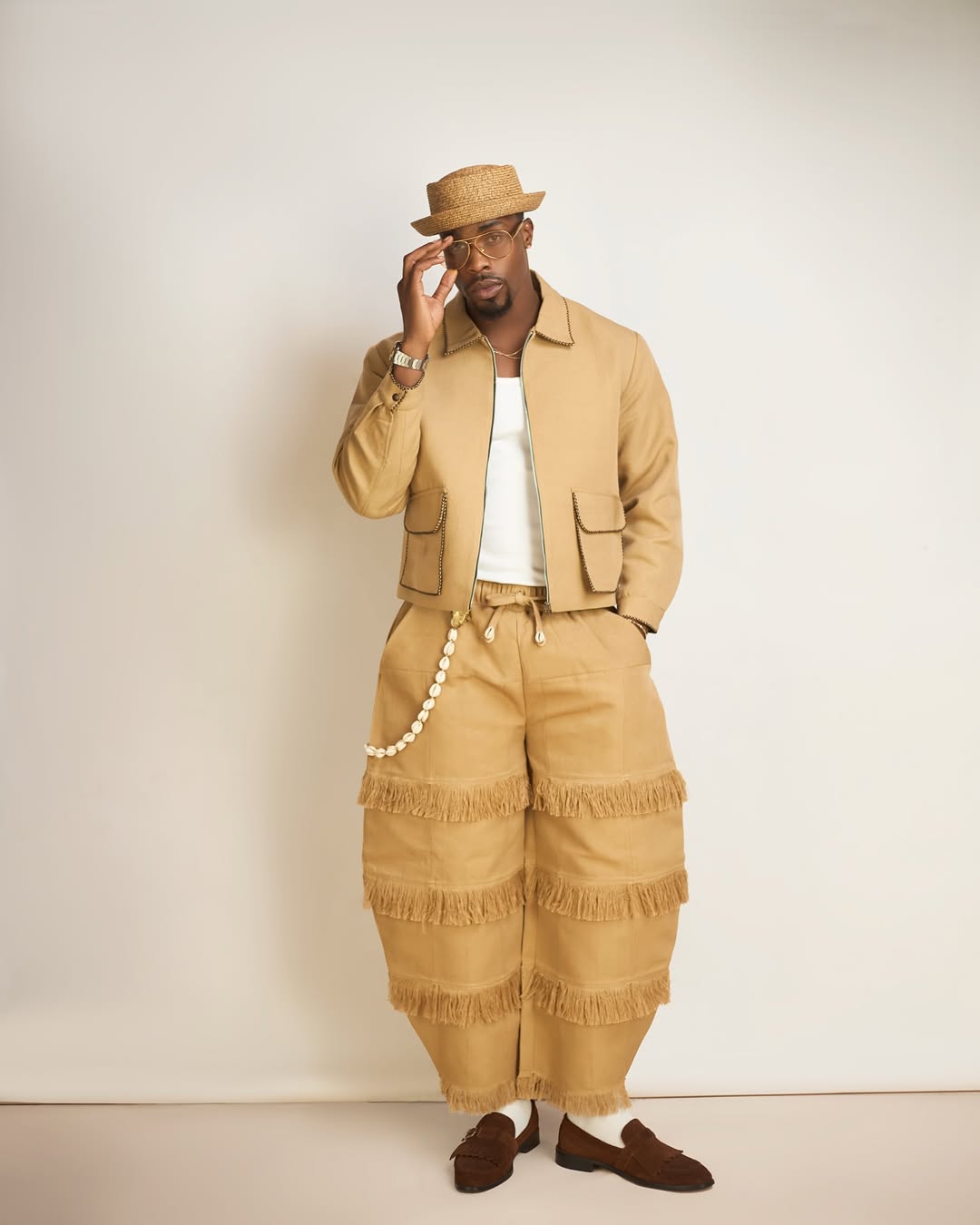
Check out more ways men have worn fall colors in the spring…







—Read Also
The post Can You Wear Fall Colors In Spring? <em>Here’s How Men Are Doing It Right</em> appeared first on Style Rave | The Ultimate Style Guide.