News WordPress Theme

How Prebiotic Foods Keep Your Microbiome Healthy

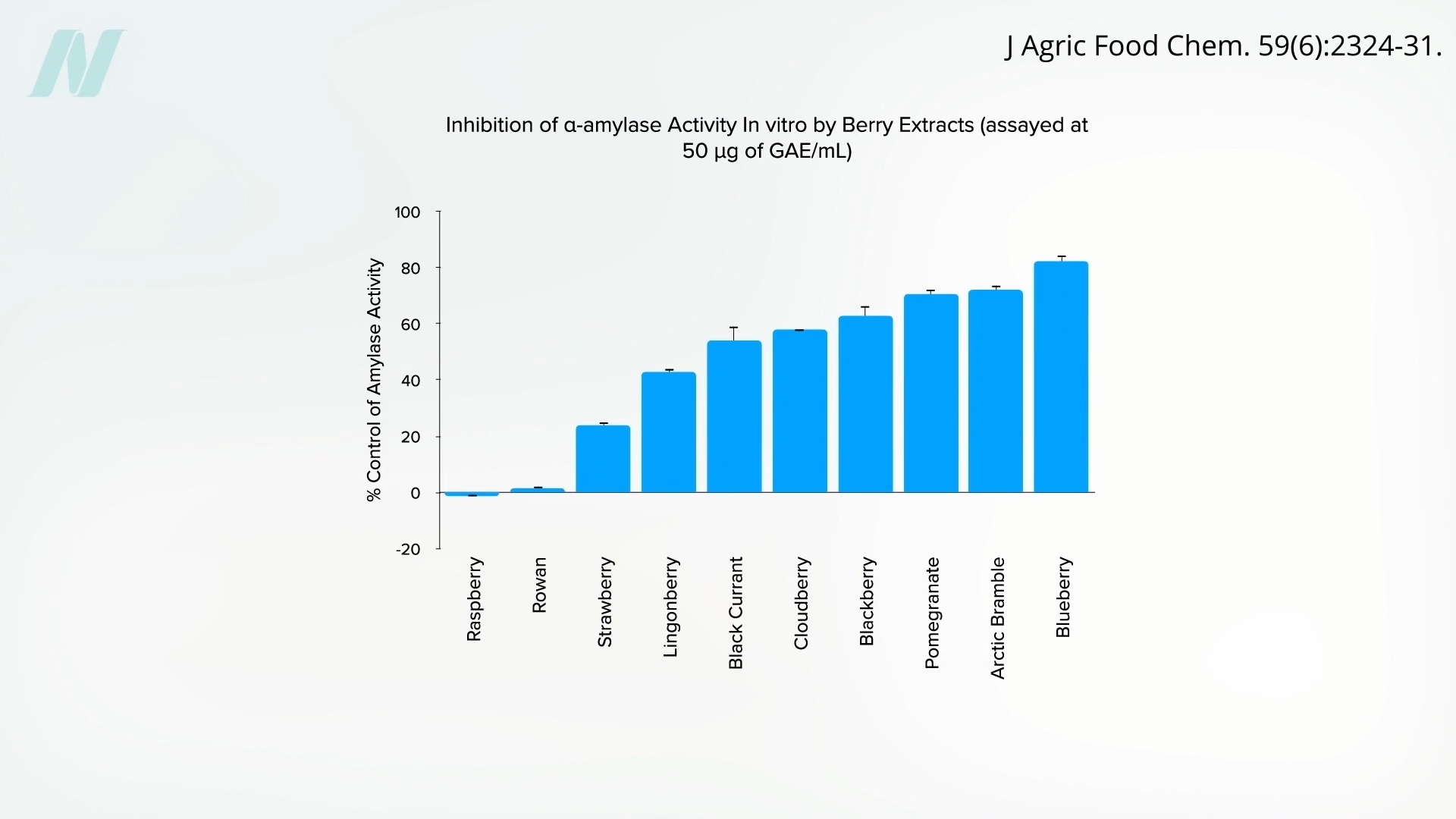
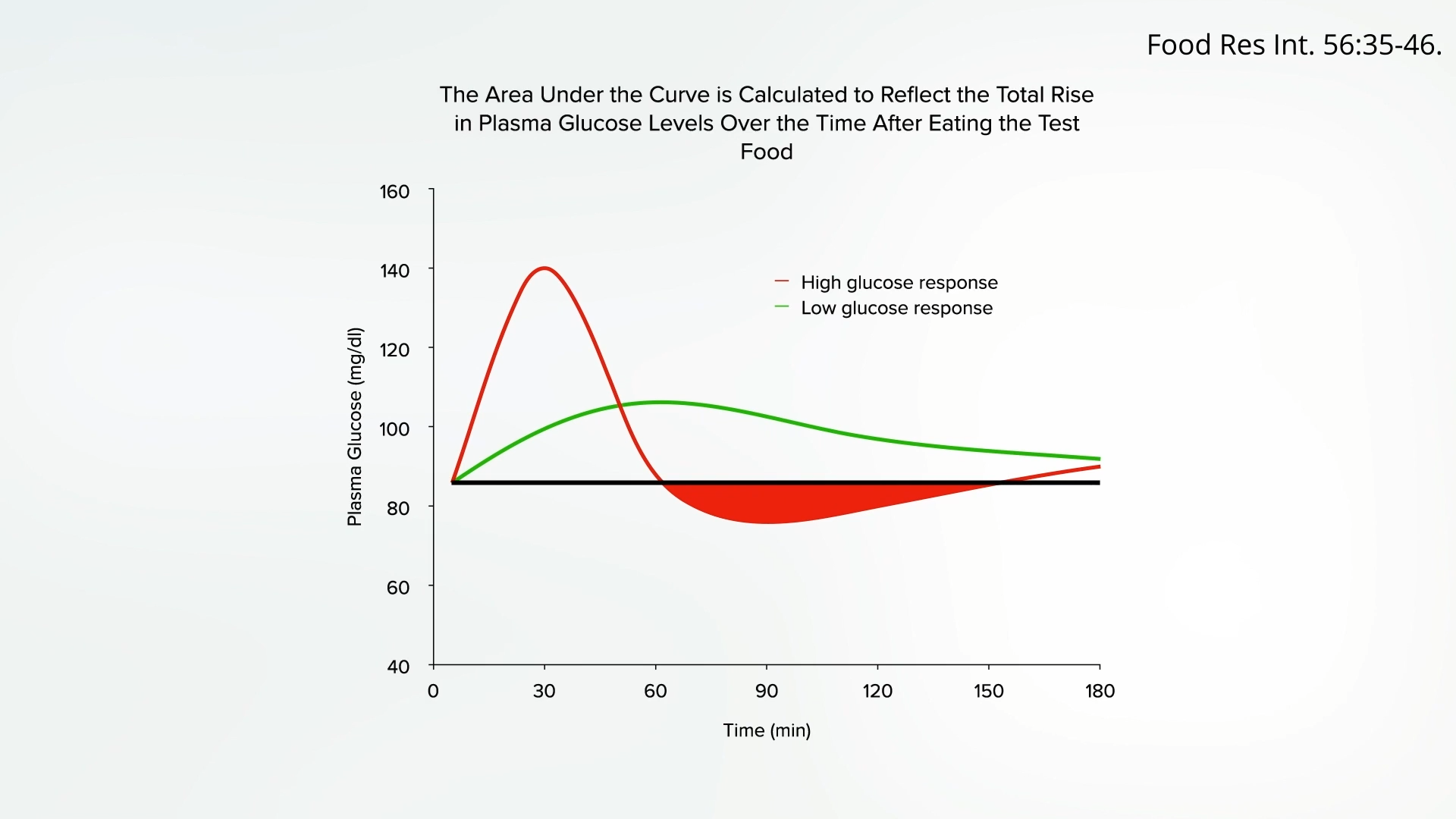
We co-evolved a symbiosis with our good gut bacteria, but we aren’t holding up our end of the bargain. If you look at the classics—the most frequently cited articles in the scientific nutrition literature—the original glycemic index paper ranks tenth, cited more than a thousand times. Learning about fruits, vegetables, and cancer prevention comes in seventh. But hitting the…
Read More

How We Eat vs. How We Think We Eat

How We Eat vs. How We Think We Eat

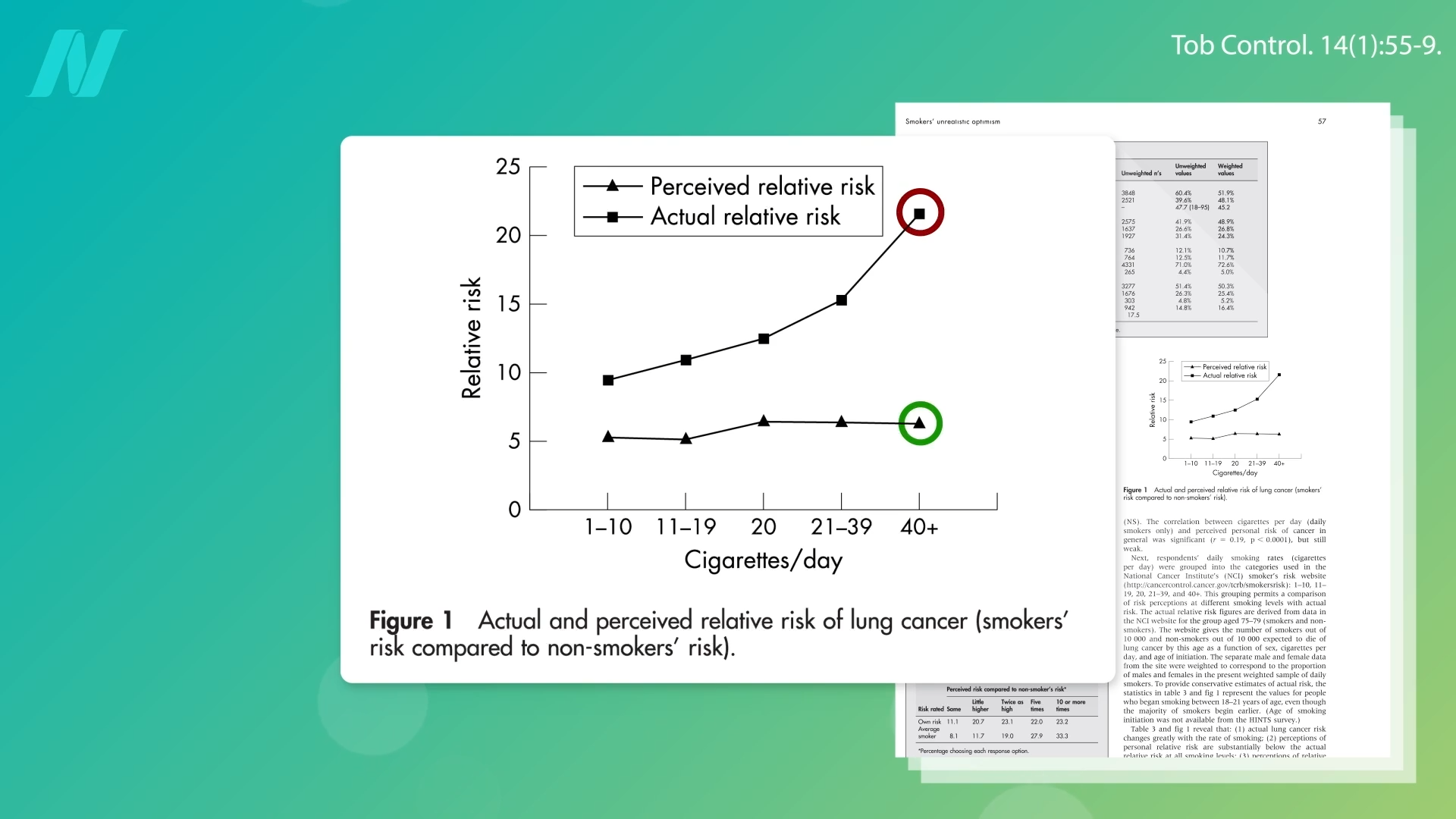
The so-called optimism bias may get in the way of a healthy lifestyle. Yes, media messages about nutrition are often confusing and inconsistent, but many Americans know what is considered a healthy diet. I mean, does anyone really think drinking brown carbonated sugar water is good for them? The issue is that they don’t appear to be translating their…

Read More

Could Bovine Leukemia Virus be a Cause of Breast Cancer?

Could Bovine Leukemia Virus be a Cause of Breast Cancer?

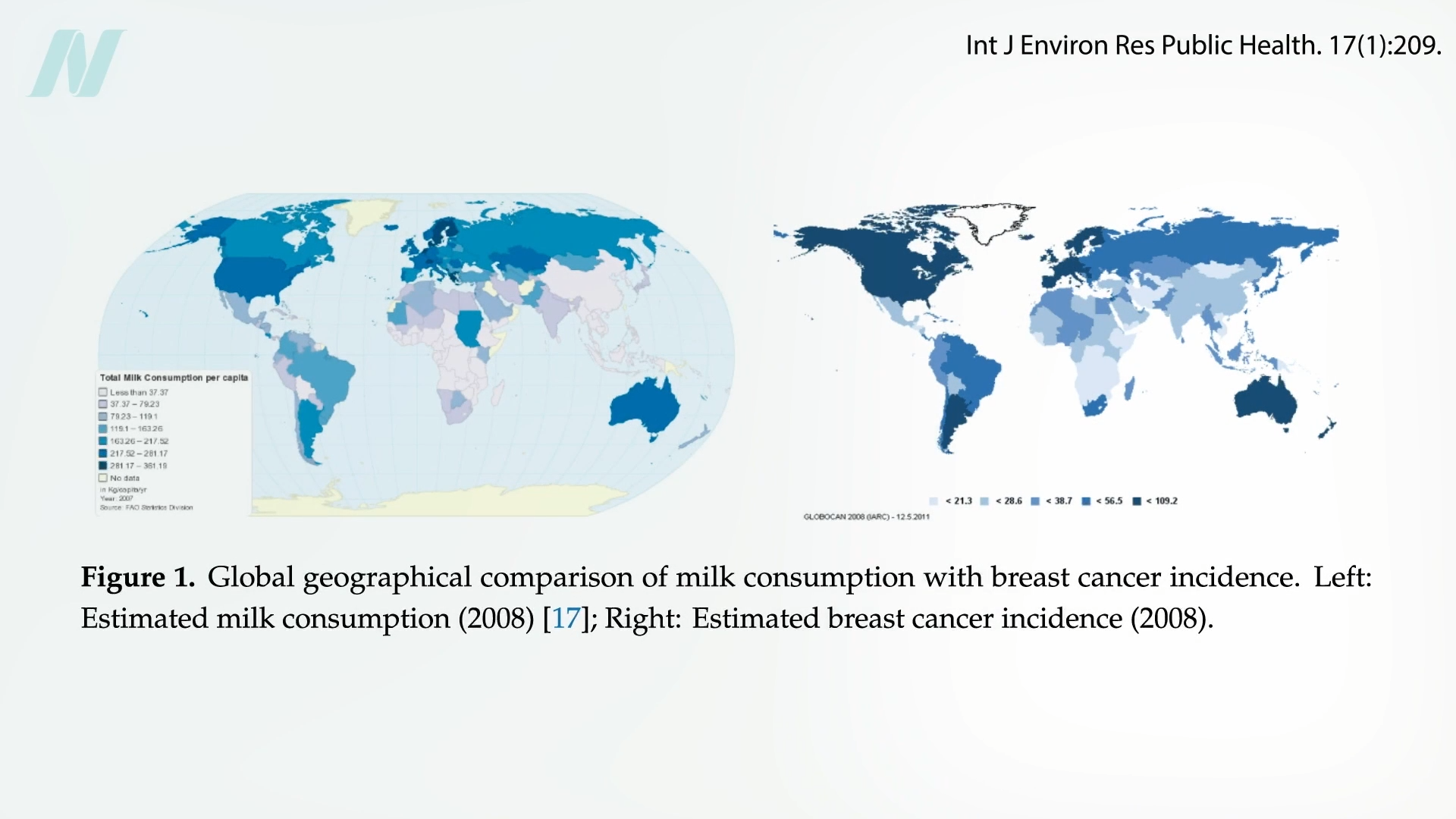
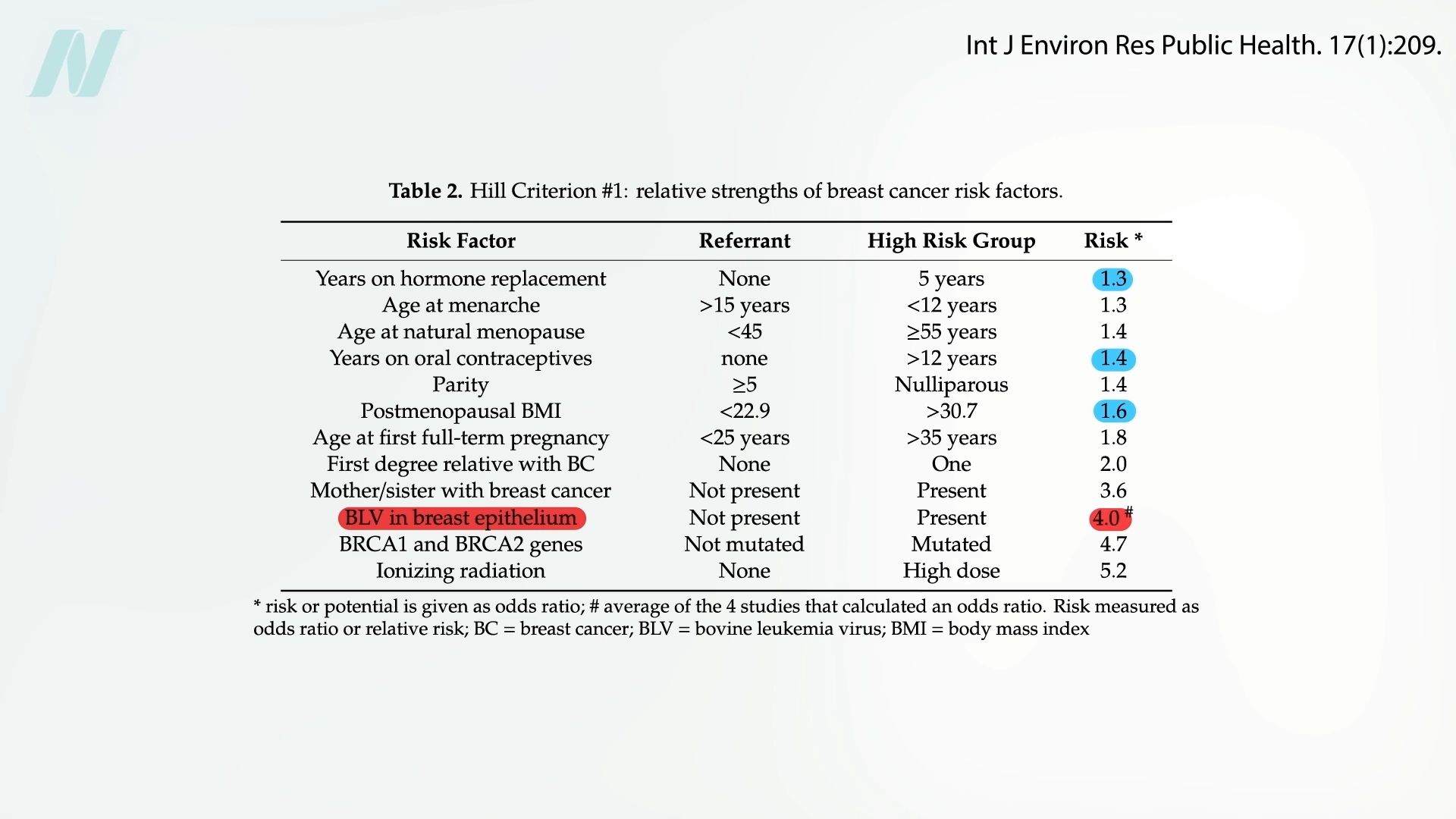
As many as 37% of breast cancer cases may be attributable to exposure to the bovine leukemia virus. The incidence of breast cancer continues to increase worldwide. In the United States, this amounted to a 40% increase in the incidence by the turn of the century. Presently, the main approach to preventing mortality is early detection and treatment. That’s…

Read More

NDMA: A Cancer-Causing Contaminant in Meds and Meat

NDMA: A Cancer-Causing Contaminant in Meds and Meat

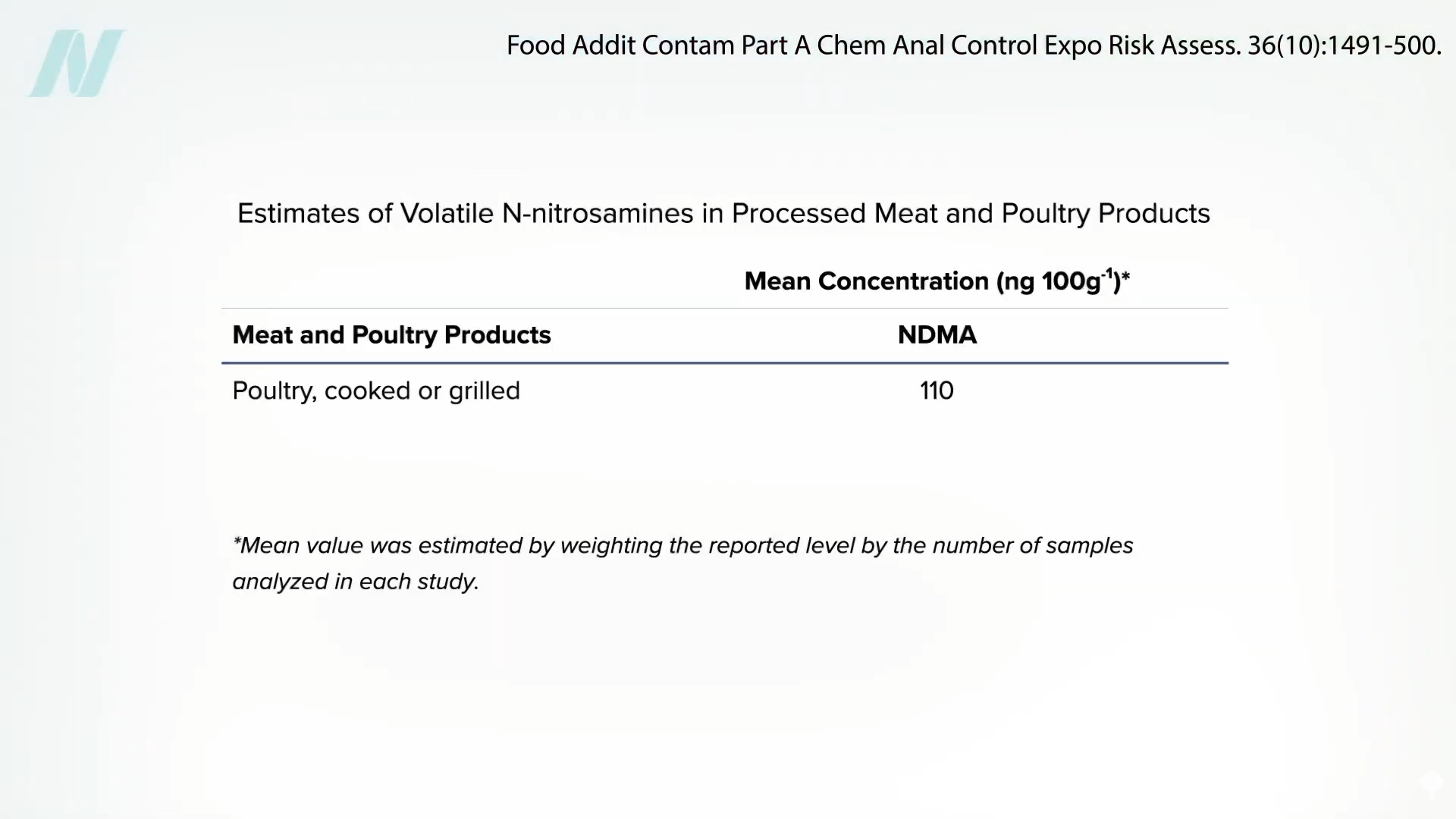
Billion-dollar drugs have been pulled from the market for less carcinogenic contamination than is found in a single serving of grilled chicken. In 2018, one of the bestselling blood pressure drugs, valsartan—sold as Diovan—was found to be contaminated by the “probably carcinogenic” nitrosamine known as N-nitrosodimethylamine (NDMA). It’s believed that about 20 million people worldwide were prescribed the drug…

Read More

Peeling Back the Onion Claims

Peeling Back the Onion Claims

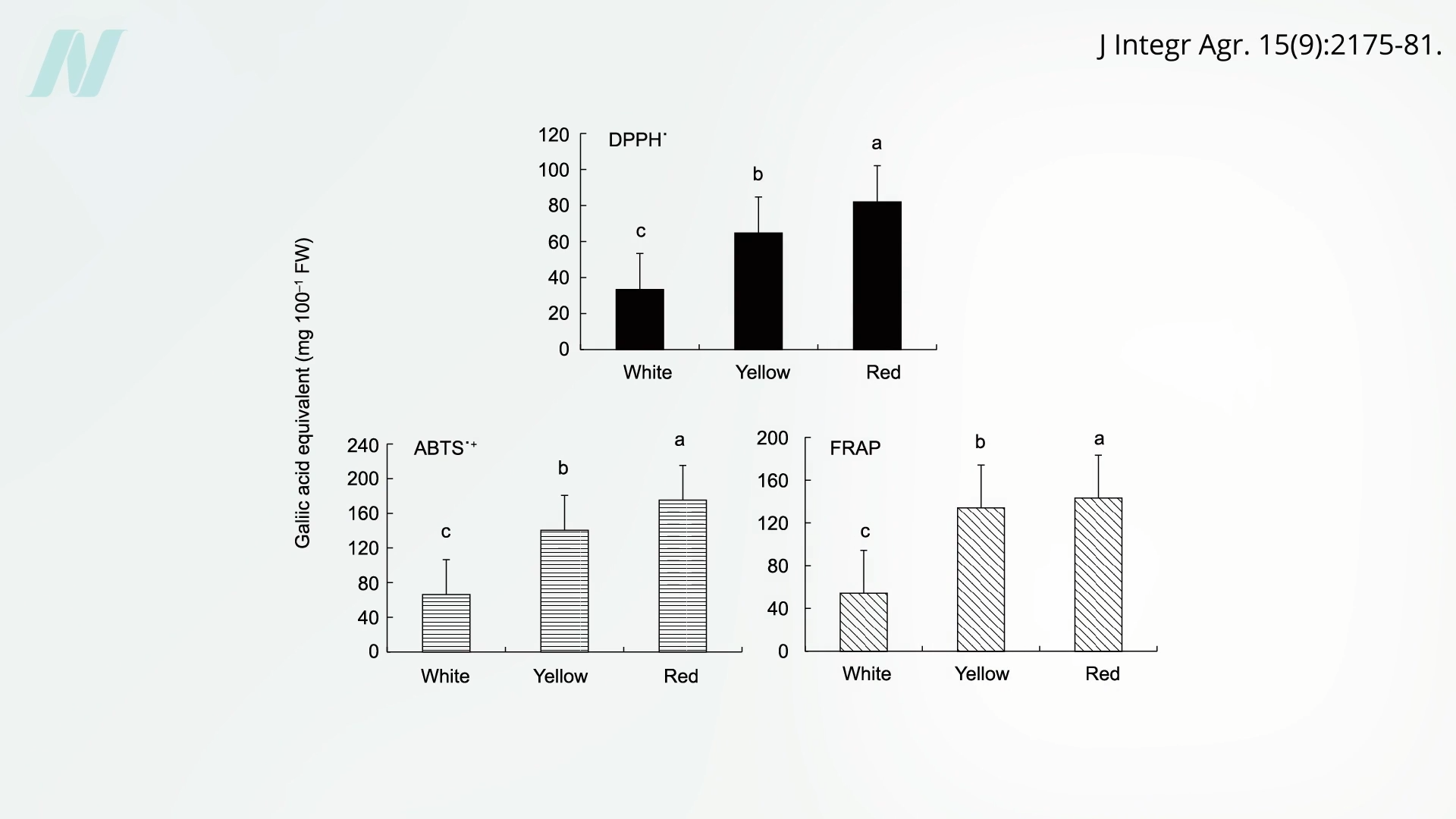
What did randomized, controlled human trials find about the ways we may—or may not—benefit from eating onions? Onions are potentially a good source of antioxidants, which, interestingly, are concentrated in the outer layers just beneath the papery peel. White onions, for example, contain more than ten times the antioxidants in the outer layer compared to the inner core. Unfortunately,…

Read More

How to Boost Your Life Expectancy by 12 to 14 Years

What can physicians do to promote healthy, life-extending lifestyle changes? A pivotal paper published in Europe more than a decade ago entitled “Healthy Living Is the Best Revenge” found that practicing just four simple, healthy lifestyle factors compared to none could potentially have a strong impact on preventing chronic diseases. We’re talking nearly 80% less chronic disease risk, slashing…

Read More

Do Vitamin C Supplements Help Reduce Anxiety?

Do Vitamin C Supplements Help Reduce Anxiety?

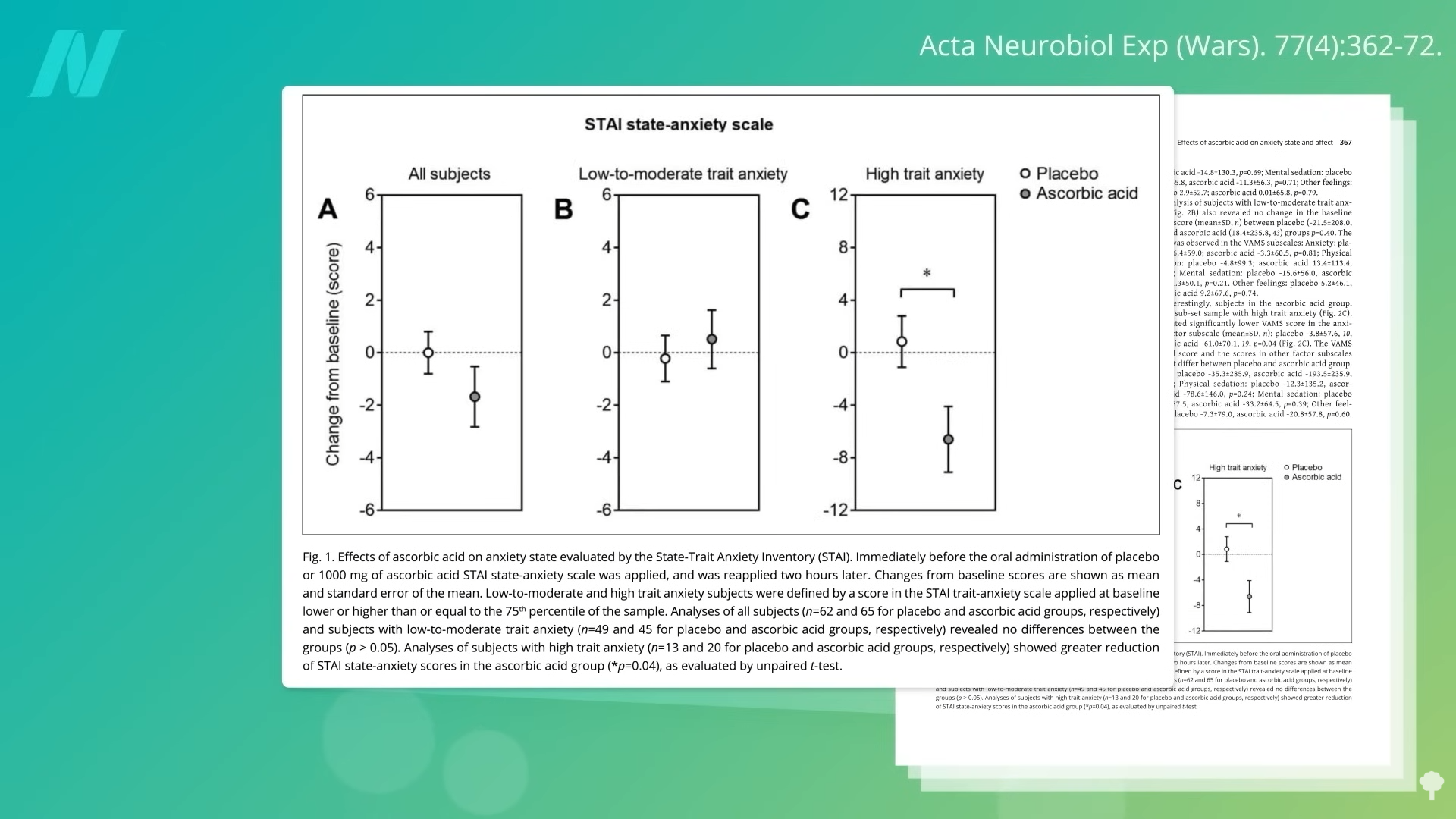
What are the risks and benefits of using vitamin C for depression and anxiety? “In adults, emerging evidence suggests that higher daily intake of fiber-rich fruit and vegetable servings is associated with lower incidences of anxiety, greater happiness, higher life satisfaction, and greater social-emotional well-being,” says a review in the journal Nutrients. So, “persuading people to consume more fruits…

Read More

Which Potato Is the Most Nutritious?

Which Potato Is the Most Nutritious?

Are yellow-fleshed potatoes healthier than white? And what about the glycoalkaloid toxins? The high glycemic impact of potatoes may increase the risk of type 2 diabetes, perhaps by chronically overstimulating the insulin-producing cells in the pancreas. In my last two blogs, I explained how you can decrease the glycemic impact of white potatoes by eating them cold, chilling then…

Read More

How to Tame Blood Sugar Spikes after Eating Potatoes

How to Tame Blood Sugar Spikes after Eating Potatoes

Broccoli, vinegar, and lemon juice are put to the test to blunt the glycemic index of white potatoes. White potatoes have a high glycemic index, and consumption of high glycemic impact foods may increase the risk of diabetes. Normally, after a meal, we’d like our blood sugars to rise and fall gently and naturally. But with high glycemic foods…

Read More