I
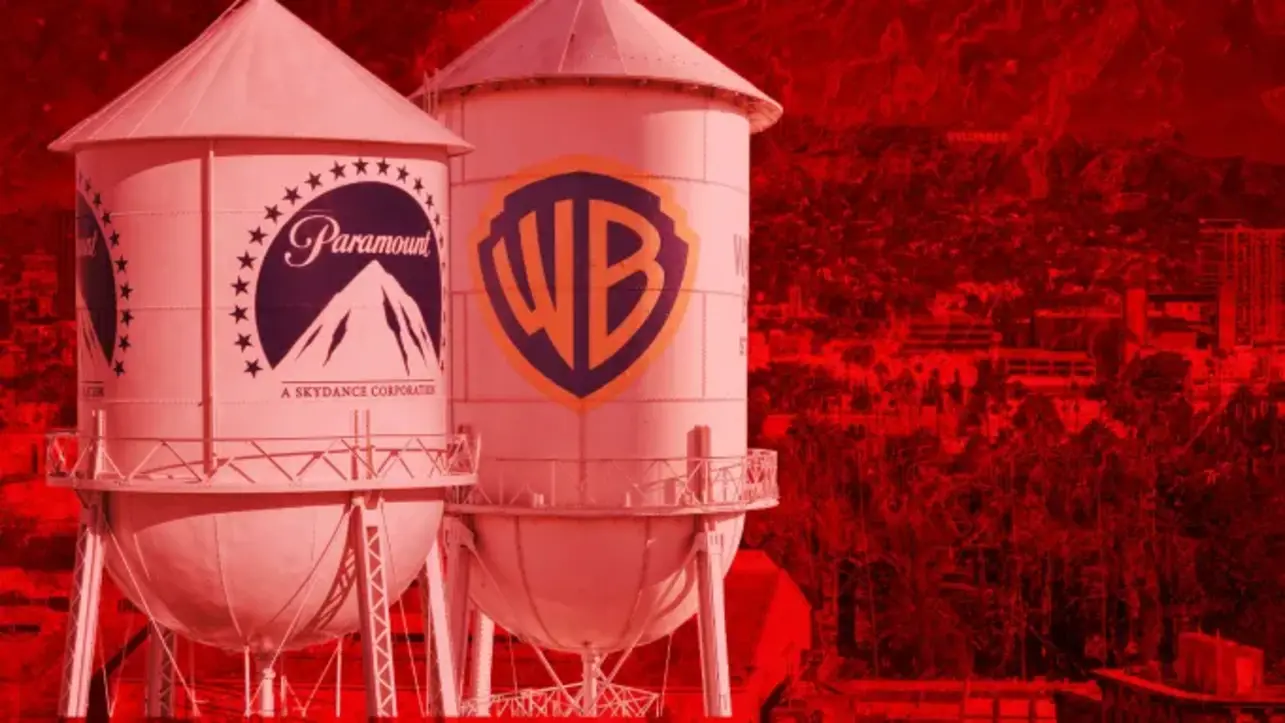
n a landmark move poised to reshape the entertainment industry, Paramount Global is officially acquiring Warner Bros. Discovery in a monumental $110 billion transaction. As a result, Paramount+ and HBO Max will unite under one corporate umbrella, forming a single, formidable streaming powerhouse. The deal concludes a fierce bidding war with Netflix and signals a decisive shift toward consolidation at scale.
With board approvals secured, the merger combines two of Hollywood’s most iconic libraries. Industry analysts estimate the new entity will command more than 15,000 titles and some of the world’s most valuable franchises. Consequently, the agreement marks a strategic escalation in the battle against dominant players such as The Walt Disney Company. While regulatory hurdles remain, leadership on both sides has framed the merger as the dawn of a new era for legacy studios navigating a streaming-first future.
How Paramount Outmaneuvered Netflix
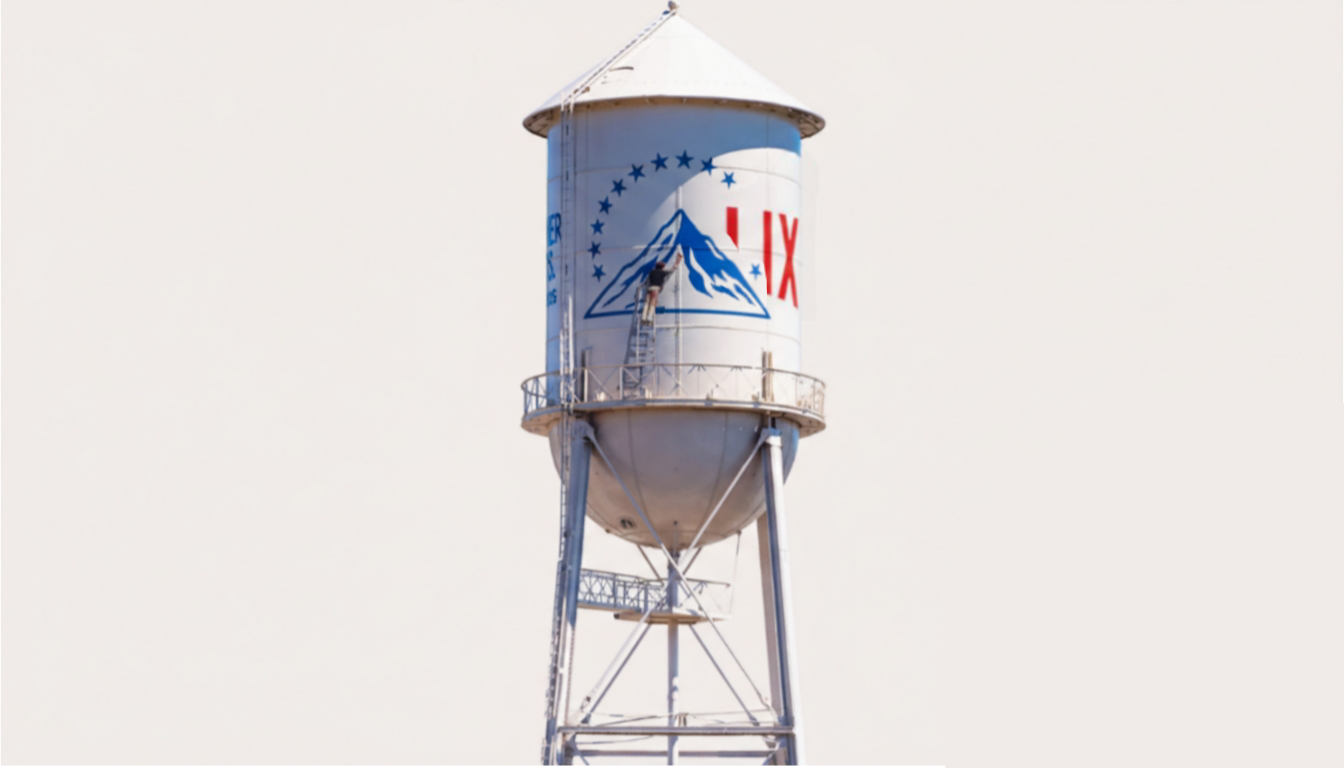
Although the final agreement appears decisive, the road to $110 billion was anything but smooth. Initially, Netflix seemed positioned to prevail after striking an $82.7 billion agreement in late 2025 to acquire WBD’s studios and streaming assets. However, Paramount Skydance, led by CEO David Ellison and backed by his father, Larry Ellison, launched an aggressive counteroffensive.
By February 2026, Paramount increased its offer to $31.00 per share in cash for the entire company. Importantly, the bid included WBD’s debt-heavy linear networks such as CNN and TNT, assets Netflix had deliberately avoided. Faced with what WBD’s board deemed a “superior proposal,” Netflix co-CEOs Ted Sarandos and Greg Peters declined to match the revised terms. They cited valuation discipline, stating the increased price was “no longer financially attractive.”
To clear the path, Paramount agreed to cover a $2.8 billion breakup fee owed to Netflix. Ultimately, the finalized transaction values WBD at an enterprise value of approximately $110 billion, a notable premium over its previous market capitalization.
What Happens to HBO Max and Paramount+?
Paramount has revealed new details about their merger with Warner Bros:
• HBO Max & Paramount+ will be combined into one service
• 15 films per studio with 45 day theatrical windows for each film
• Merged company will have approx $79 billion in debt
• $6 billion in cost… pic.twitter.com/5IqWvRUlYl
— DiscussingFilm (@DiscussingFilm) March 2, 2026
For subscribers, the most visible change will be content integration. During a March 2, 2026 investor call, David Ellison confirmed plans to combine HBO Max and Paramount+ into a single streaming service. While the final name has yet to be revealed, Ellison emphasized that the prestigious HBO label will remain a “crown jewel” within the broader ecosystem.
The unified platform promises significant operational and programming shifts:
#1. Subscriber Scale:
The service is projected to surpass 200 million global subscribers, immediately positioning it among the industry’s elite.
#2. Massive Library Integration:
The catalog will exceed 15,000 films and thousands of television hours. Franchises such as Harry Potter, the DC Universe, and Game of Thrones will stand alongside Paramount staples like Star Trek, Mission: Impossible, and SpongeBob SquarePants.
#3. Sports Powerhouse:
By merging TNT Sports and CBS Sports, the company gains broad access to major events, including the National Football League, Major League Baseball, National Hockey League, NCAA March Madness, and the UEFA Champions League.
#4. Tiered Pricing and Bundling:
Analysts expect streamlined subscription tiers. In the near term, discounted bundles (informally dubbed “ParaMax”) may ease the transition before a fully unified app launches.
#5. Reduced Fragmentation:
By housing prestige drama, live news, blockbuster films, and children’s programming under one roof, the company aims to curb subscriber churn and increase long-term retention.
Financial Synergies and the Role of Larry Ellison

Financially, the merger is as ambitious as its creative scope. The deal includes $47 billion in equity, largely backed by the Ellison family and RedBird Capital Partners. Notably, Larry Ellison, co-founder of Oracle Corporation, provided an irrevocable personal guarantee to satisfy bank solvency requirements. His backing underscores the financial muscle behind the transaction.
The companies project more than $6 billion in annual synergies. These efficiencies will stem from several coordinated initiatives:
#1. Unified Technology Infrastructure:
Both services will migrate to a single enterprise system, eliminating redundant technology stacks and server costs.
#2. Corporate Overhead and Real Estate Optimization:
Leadership plans to streamline back-office operations and potentially consolidate studio properties in Los Angeles and New York.
#3. AI-Driven Production Efficiency:
Executives intend to deploy artificial intelligence as a supportive tool for creators. Their target output is at least 30 theatrical films annually, 15 from each legacy studio.
#4. Global Ad Sales Consolidation:
Combining the reach of CNN and CBS will create a unified advertising platform representing 14.2% of total U.S. television viewing, strengthening leverage with global marketers.
Regulatory Hurdles and Industry Concerns
“These two Hollywood titans have not cleared regulatory scrutiny—the California Department of Justice has an open investigation, and we intend to be vigorous in our review,” California Attorney General Rob Bonta said. https://t.co/VMZf5AgSd2 pic.twitter.com/RIl01GFeG0
— The New Republic (@newrepublic) February 28, 2026
Despite unanimous board approvals, the merger faces intense scrutiny. Rob Bonta has confirmed an open investigation, stressing that the transaction remains subject to state and federal review. To reassure investors, Paramount agreed to a $0.25 per share quarterly “ticking fee” if the deal remains unclosed after September 30, 2026.
Meanwhile, several U.S. senators have raised concerns about media concentration, particularly with CNN and CBS News under common ownership. The Writers Guild of America has also voiced opposition. Critics argue that fewer major studios could mean fewer buyers for creative projects and increased wage pressure for writers and talent.
In response, Ellison has pledged to release at least 30 theatrical films annually, each with a minimum 45-day exclusive theatrical window. Therefore, the company seeks to balance streaming growth with a sustained commitment to cinemas.
Financial Snapshot
The acquisition values Warner Bros. Discovery at an enterprise value of $110 billion, including roughly $29 billion in existing debt. Funding consists of $47 billion in equity from the Ellison family and RedBird Capital Partners, alongside $54 billion in debt commitments from major financial institutions. Executives anticipate more than $6 billion in annual synergies driven by technology consolidation and operational streamlining.
The Future Landscape of Streaming
If regulators approve the transaction by late 2026, the combined company will instantly rank among the top global streaming competitors. With more than 210 million projected subscribers, it would surpass the Disney+/Hulu combination while trailing Netflix’s reported 325 million members.
Ultimately, this merger reflects a broader industry reality: scale now defines survival. By uniting storied brands, expansive libraries, and financial firepower, Paramount and Warner Bros. Discovery are betting that consolidation, not fragmentation, will shape the next chapter of the streaming wars.
Featured Image: Getty Images
—Read also
The post Everything We Know (And You Should Know) About The Paramount Global And Warner Bros. Discovery Merger appeared first on Style Rave | The Ultimate Style Guide.