The most expensive thing a wealthy person can buy in 2026 is no longer an object. Bain and Altagamma’s annual Luxury Goods Worldwide Market Study identified a persistent and crucial trend among consumers globally, favoring experiential indulgence over conspicuous consumption as the new symbol of status, pivoting toward wellness, connection, and self-reward. The study called it a tectonic shift toward luxury experiences such as hospitality, cruises, and fine dining, and away from traditional luxury goods, including luxury automotive.
Luxury experiences continued to outpace the broader market in 2025, driven by a sustained shift in spending toward wellness, rewarding oneself, and social connection, forms of indulgence that have been increasingly gaining ground on product ownership. This is not a marginal preference shift. It is a structural reordering of what the wealthiest consumers in the world consider worth their money, and the numbers behind it are large enough to be reshaping entire industries.
Across all wealth segments, a common theme emerges: experience has overtaken material goods in importance. In the United States, spending on experiences has grown steadily since the 1960s, while spending on physical goods has declined as a proportion of discretionary income. The global luxury travel market was valued at approximately $1.77 trillion in 2025, projected to grow to $2.1 trillion by 2030.
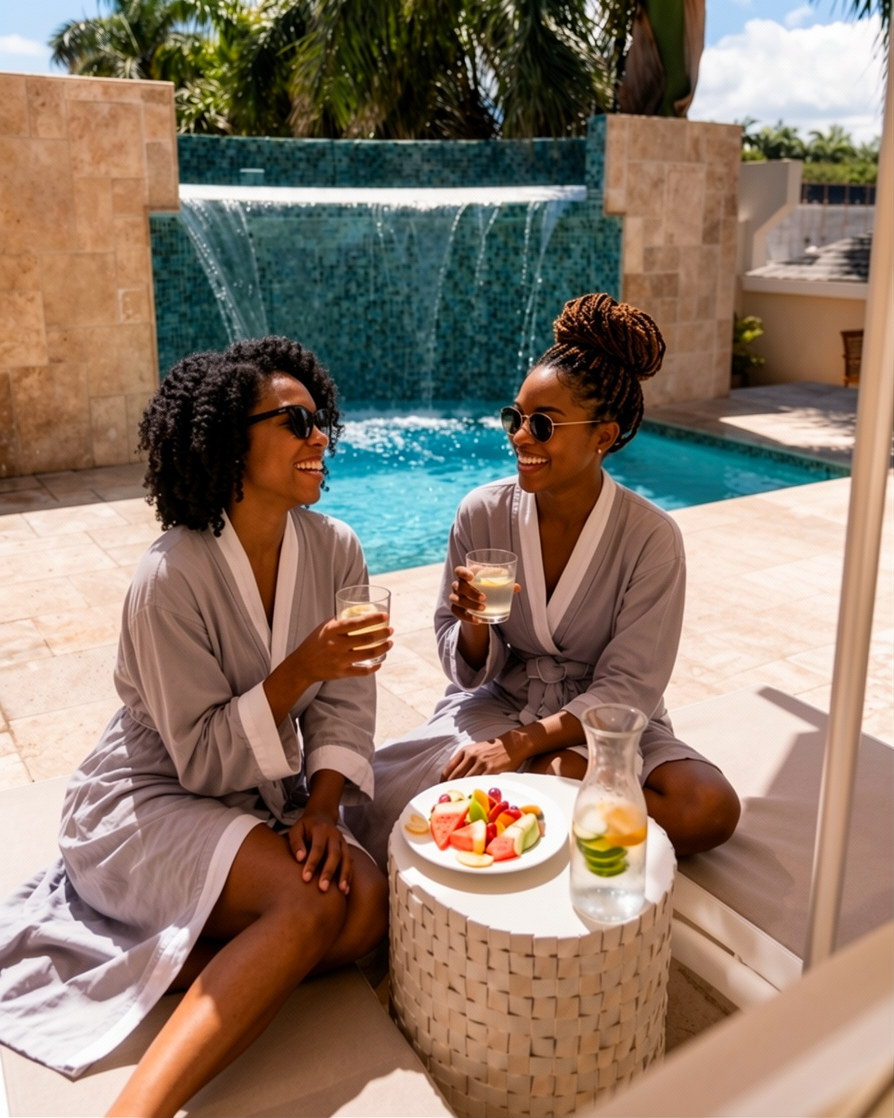
Among Top 1% travelers, 34% are planning a trip primarily for health and wellness in the next 12 months, up from 23% previously. Experiences win: 54% of luxury travelers prioritize private tours and immersive activities over hotel upgrades, flight enhancements, or fine dining. The man who once measured success by what he owned is increasingly measuring it by what he has done, where he has been, and how restored he feels when he returns.
Why Wellness Became the Core Driver
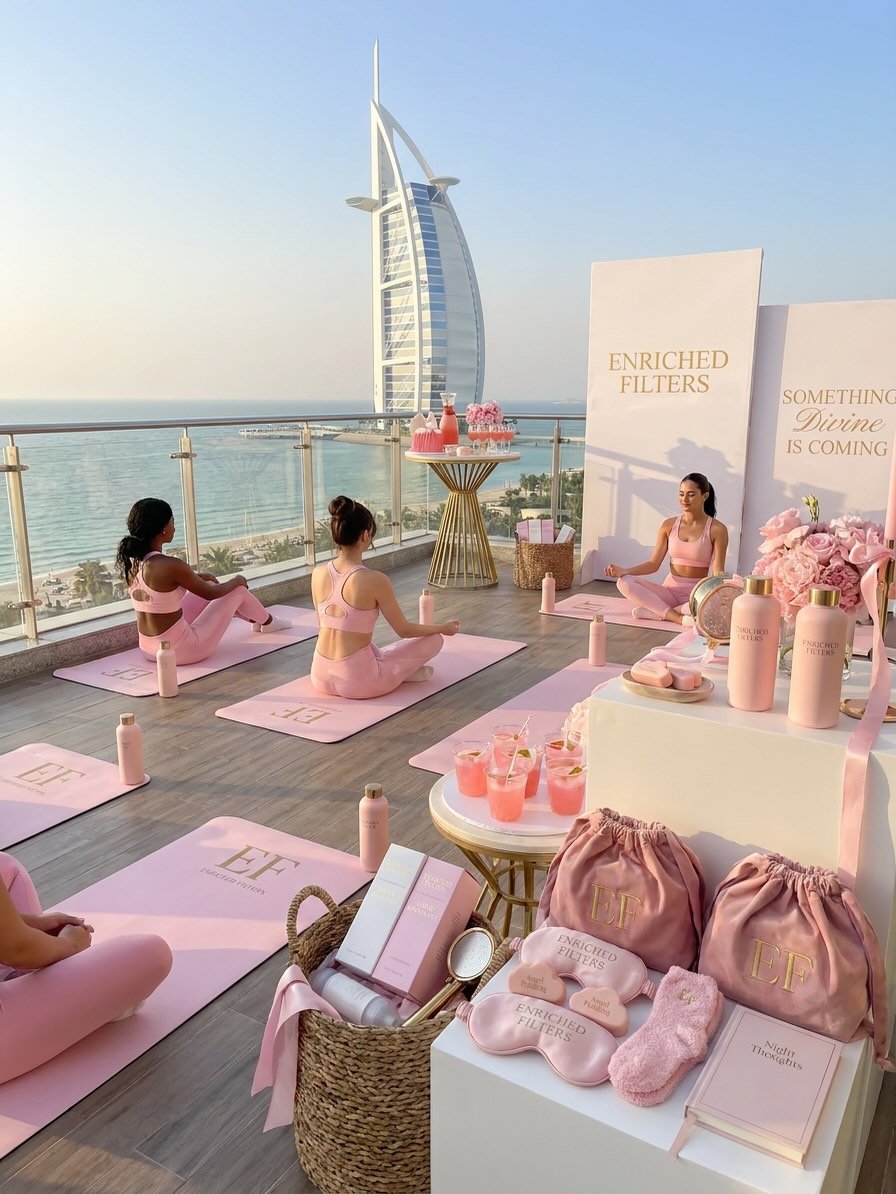
Travel has always promised escape. In 2026, it promises something more essential: regulation and restoration. The global wellness economy continues its rapid expansion, with wellness tourism among its fastest-growing sectors. More than 90 percent of luxury travelers now actively look for wellness programs when booking a trip, according to the International Luxury Travel Market, a statistic that reflects a broader cultural recalibration around health, longevity, and emotional well-being.
Emma Ponsonby, CEO and co-founder of ultra-luxury travel company Satopia, describes this as a move from destination-led to intention-led travel. At the highest level, travelers are less interested in where they go and more focused on how a place makes them feel. The primary driver of luxury travel is no longer polished itineraries designed to impress others. It is access to environments and experiences that shift perspective. This reorientation explains why hormone-informed retreats, nervous system-led therapies, and sound healing have moved from alternative wellness practices into mainstream five-star hospitality offerings within the span of a few years.
What This Looks Like in Practice
The demand for experiential travel through bespoke private membership clubs is a powerful global trend that will accelerate significantly in 2026, according to Kassie Smith, real estate development leader at KS Global. These exclusive clubs specialize in crafting highly personalized destination journeys, granting members access to alluring adventures, private resorts, and coveted global private events.
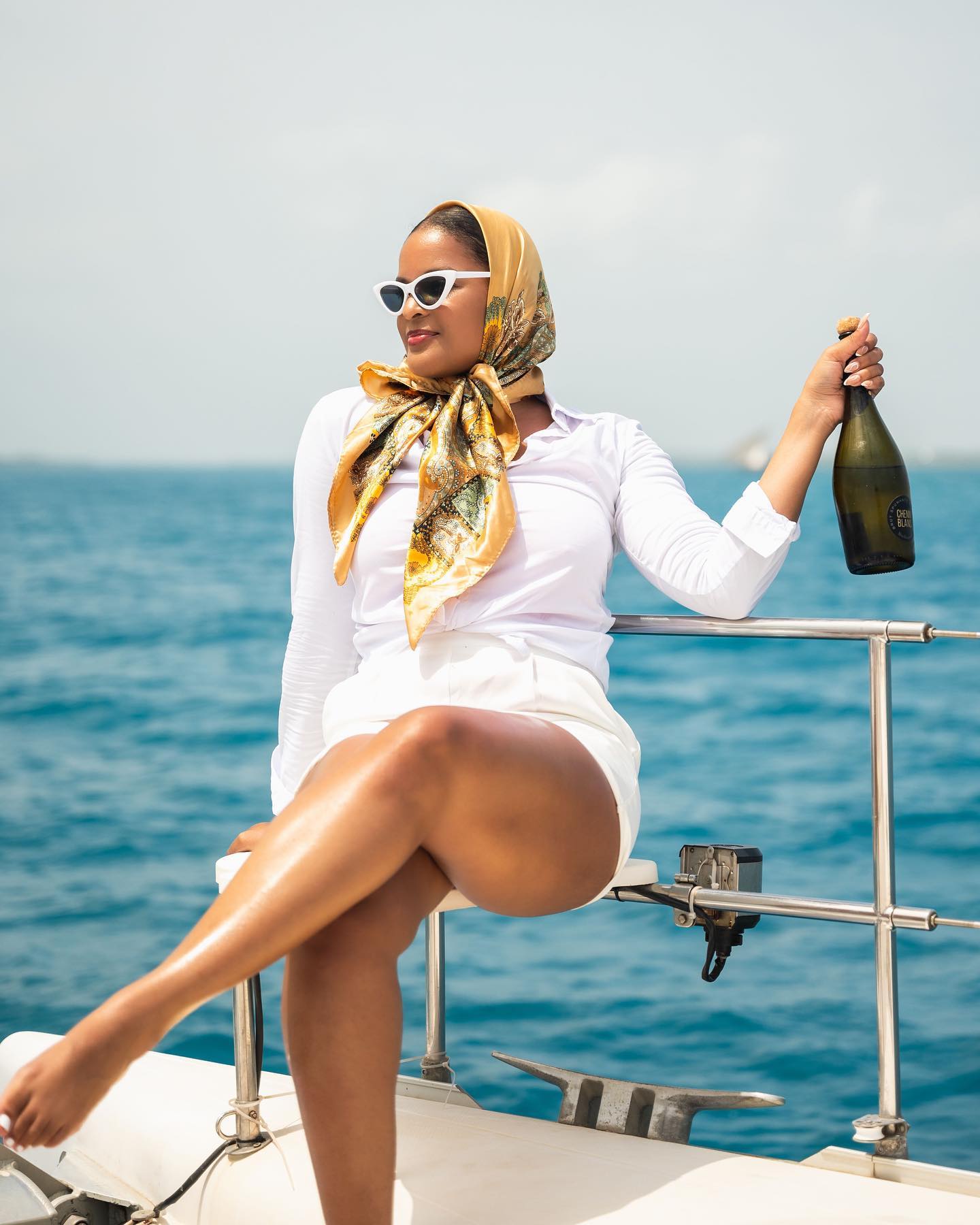
One significant trend among high-net-worth travelers is the increasing use of private air travel and yachts, transforming the journey itself into a luxurious experience. The Ritz-Carlton now has three superyachts, while Four Seasons has introduced private branded jets, elevating the travel experience to new heights, according to Bob Kharazmi, founder and CEO of Global Hotel Advisors LLC.
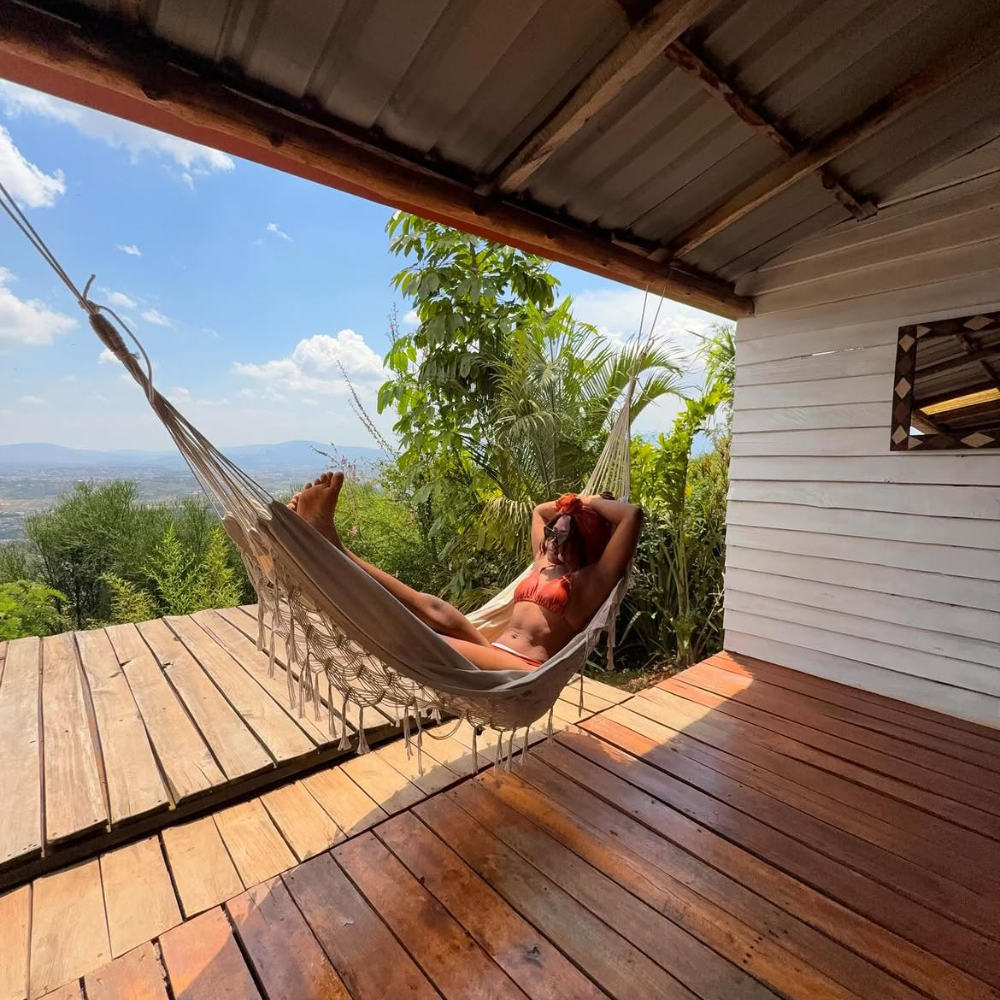
In 2026, travelers are no longer chasing excess, spectacle, or crowded destinations. Instead, they are prioritizing privacy, wellness, depth, and quiet luxury, experiences that restore rather than impress. The fast-paced, over-scheduled vacation is rapidly losing appeal. Perhaps the most important shift of all: travelers now see luxury trips as investments in their wellbeing, relationships, and life clarity, not just entertainment or escape. This is the same philosophical shift that has reshaped quiet luxury fashion, now applied to how the wealthy spend their time rather than just their money.
The Numbers Behind the Shift
View this post on Instagram
Interest in cruising among Top 1% travelers jumped from 37% in 2019 to 53% in 2025, fueling demand for ultra-luxury vessels. A $84 trillion intergenerational wealth transfer is underway in the U.S., shifting spending influence toward a generation that is tech-native, experience-driven, and sustainability-conscious. Luxury travelers research extensively online before booking, and 93 percent of elite travelers expect personalized experiences, according to Marriott data.
Federica Levato, senior partner at Bain & Company and leader of the firm’s EMEA Fashion & Luxury practice, noted that luxury brands are redefining their reach through adjacent and lower-entry categories, expanding beyond traditional lines like sneakers and small leather goods into areas such as food, dining, and wellness.
As pricing structures elevate and customer interest surges, brands face the challenge of evolving from reach to precision, from blending with trends to shaping them. This is the commercial reality behind the cultural shift. Luxury houses that built their reputations on physical objects are now investing heavily in hospitality, wellness, and curated experiences because that is where the most discerning segment of their customer base is actually spending.
Why This Shift Will Continue
Bain’s current forecasts suggest a return to moderate growth in 2026, anchored in customer base expansion and lasting appetite for luxury. More than 70% of lapsed customers indicate they intend to resume purchasing within the next three years, and 90% of current buyers plan to continue. The growth, however, is increasingly concentrated in experience rather than goods. Sustainability and wellness have become integral to luxury travel. Affluent consumers are seeking eco-friendly accommodations, carbon-neutral travel options, and responsible tourism practices.
The men driving this shift are not abandoning quality or craftsmanship. They are extending the same standards they apply to physical objects to how they spend their time. A well-made watch and a deeply restorative week in a remote landscape are, in this framework, the same category of decision. Both are an investment in something that matters, chosen with intention rather than habit.
Quiet luxury, wellness-centered travel, slow pacing, and private-island experiences are not passing trends. They are the foundation of how people choose to travel and how they choose to live. Experience has become the ultimate luxury because, unlike an object, it cannot be replicated, resold, or fully described to someone who was not there. That scarcity, more than any price tag, is what makes it genuinely exclusive.
Featured image: @alex_unusual/Instagram
The post How Experience Became the Ultimate Luxury in 2026 appeared first on Style Rave | The Ultimate Style Guide.