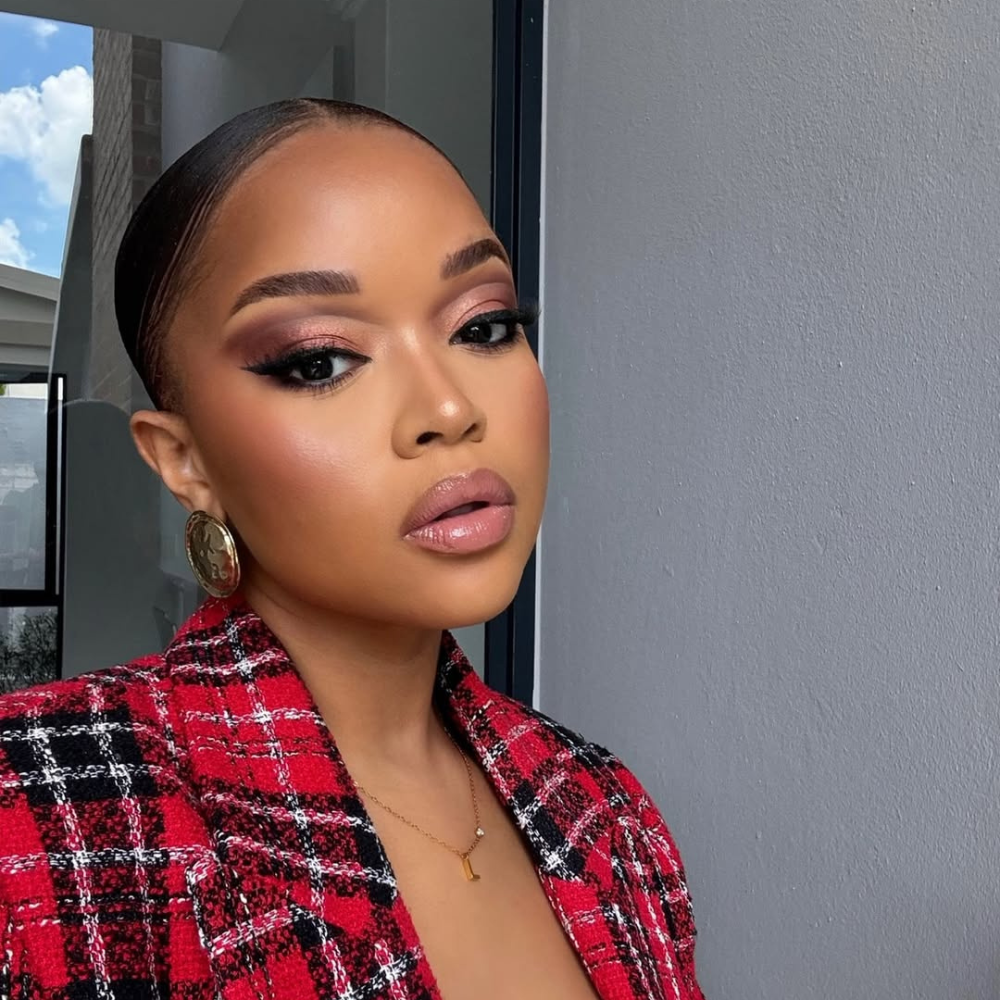
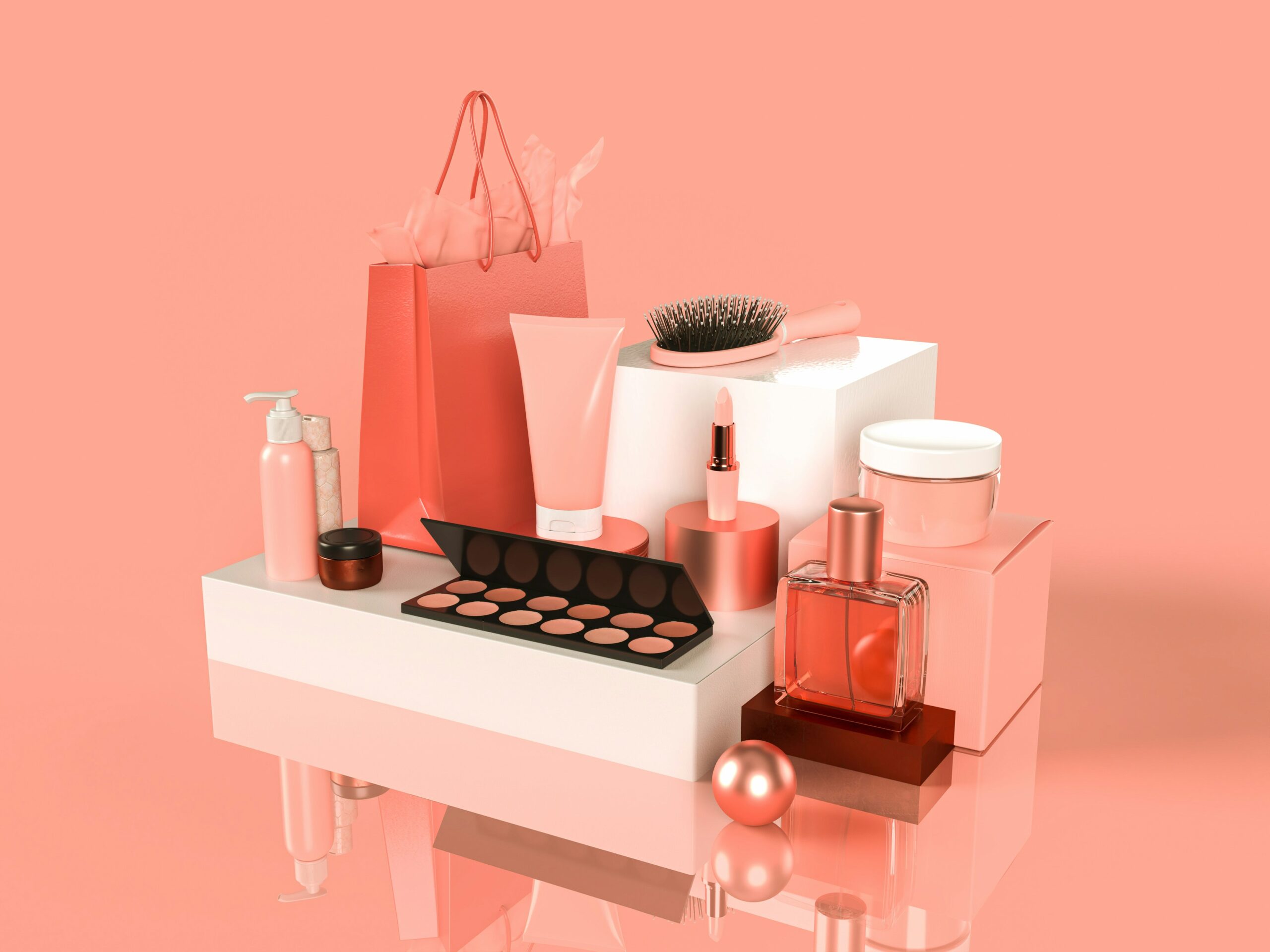
Beauty once spoke in whispers. A signature fragrance, a favorite lipstick, or an elegantly packaged hand cream carried an air of timeless exclusivity. Luxury was defined by heritage, prestige, and the quiet confidence that came from owning something few people could access. The experience mattered just as much as the product, making beauty a symbol of aspiration and status.
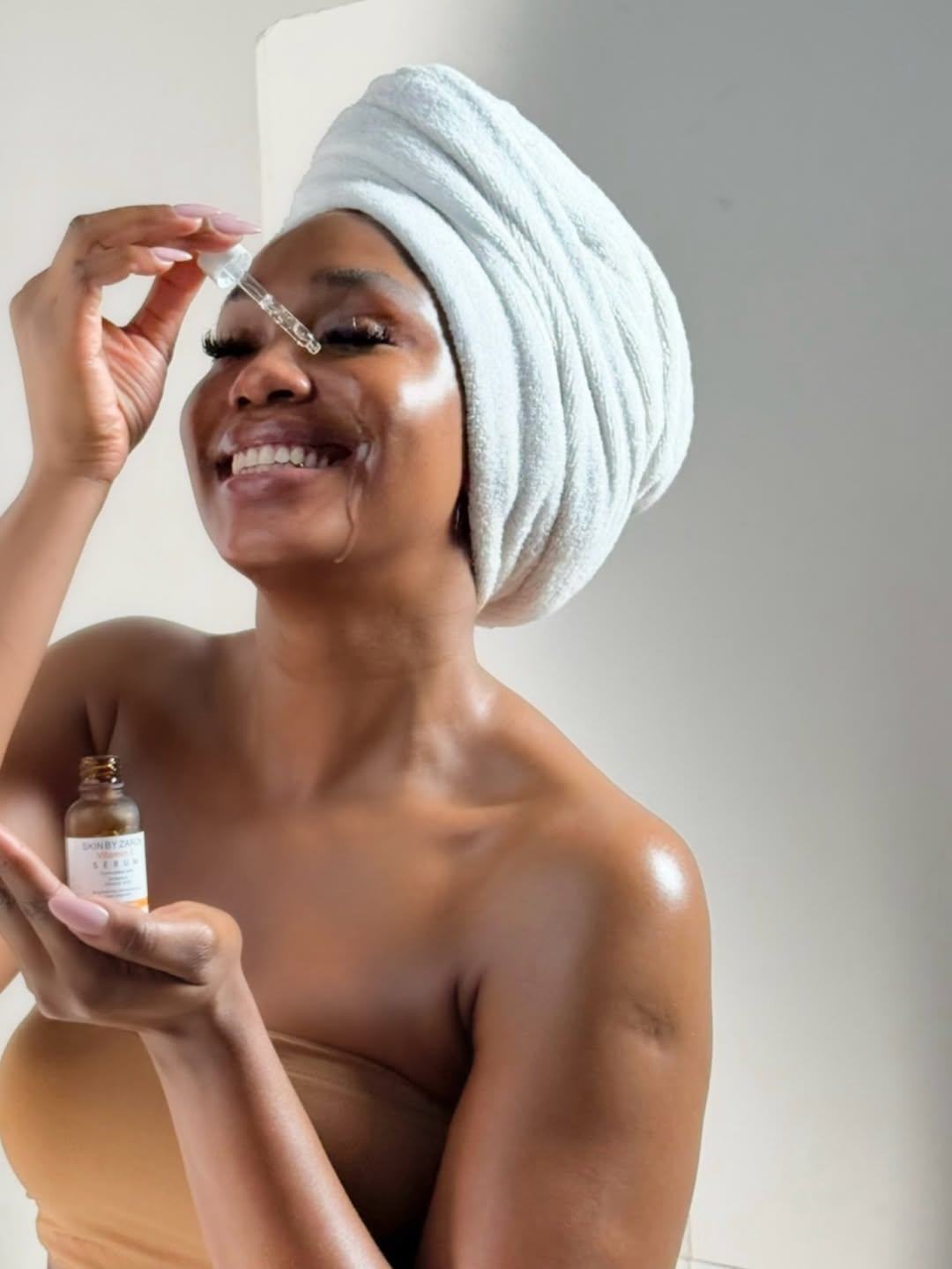
Today, consumers are rewriting that definition. A serum recommended by a creator can sell out within hours, while a drugstore lip gloss can generate more excitement than products that cost three times as much. Logos alone no longer impress shoppers. They want products that work, align with their values, and feel authentic. This shift is transforming the beauty industry. Clear communication, personal experiences, eco-conscious choices, and quality ingredients now matter just as much as a famous name, while independent brands continue to prove that trust and innovation often outperform tradition.
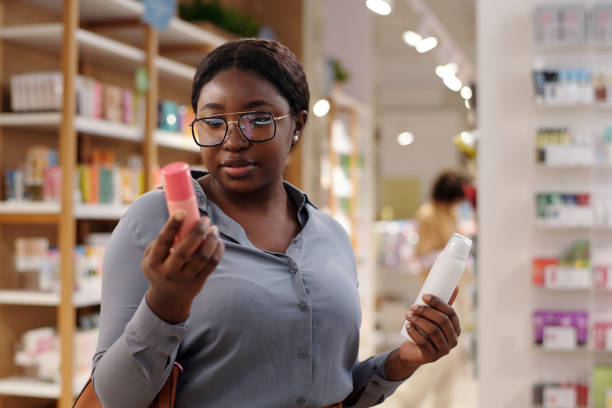
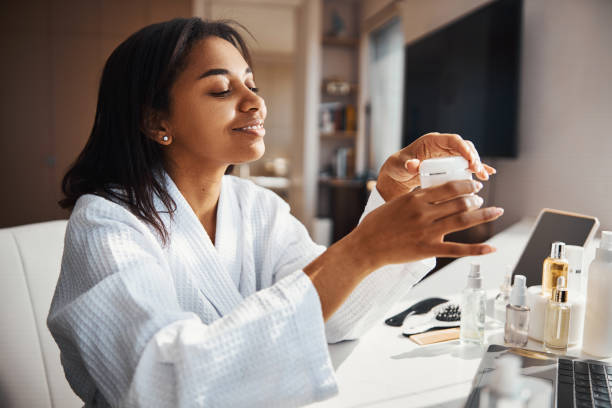
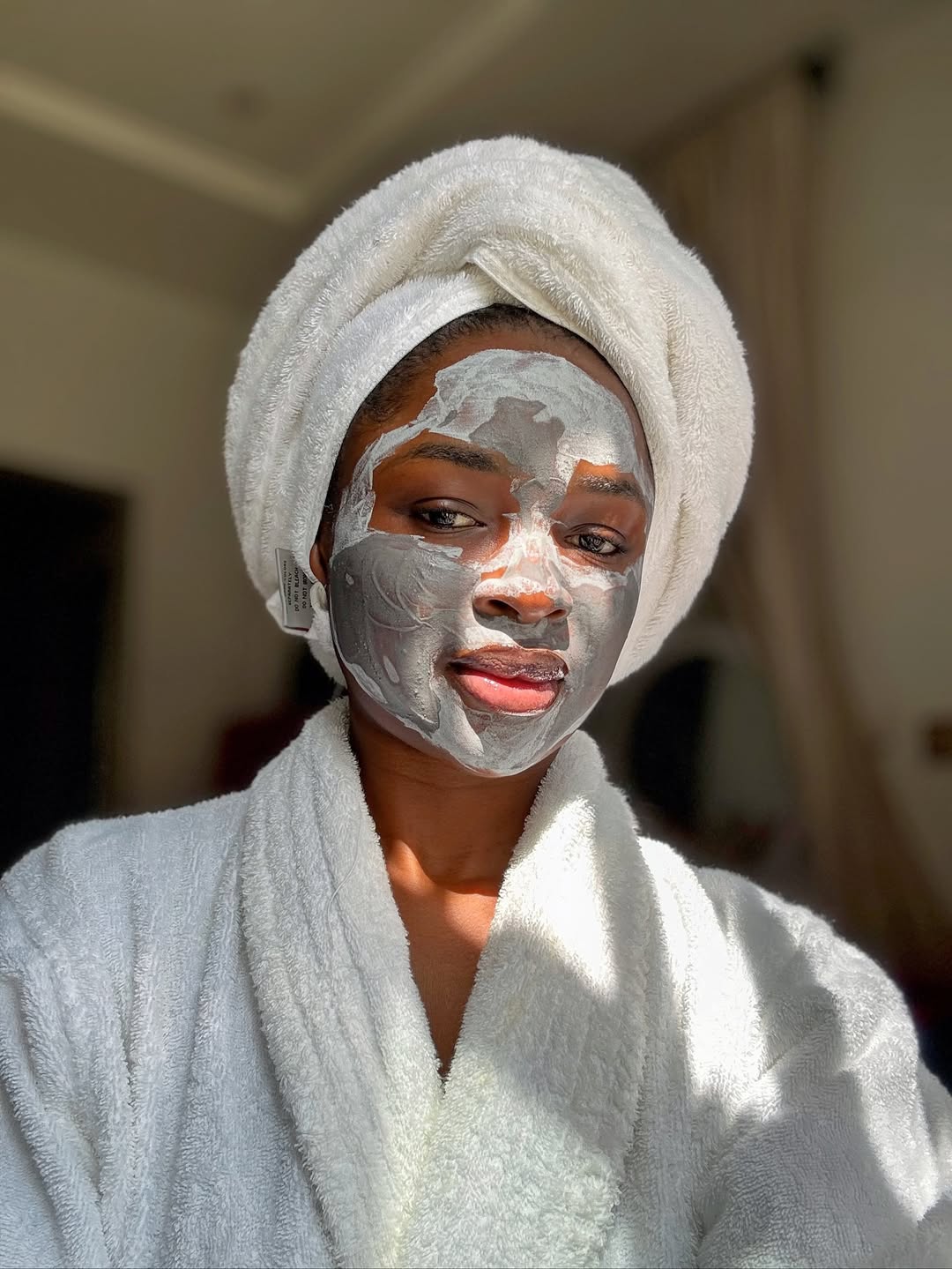
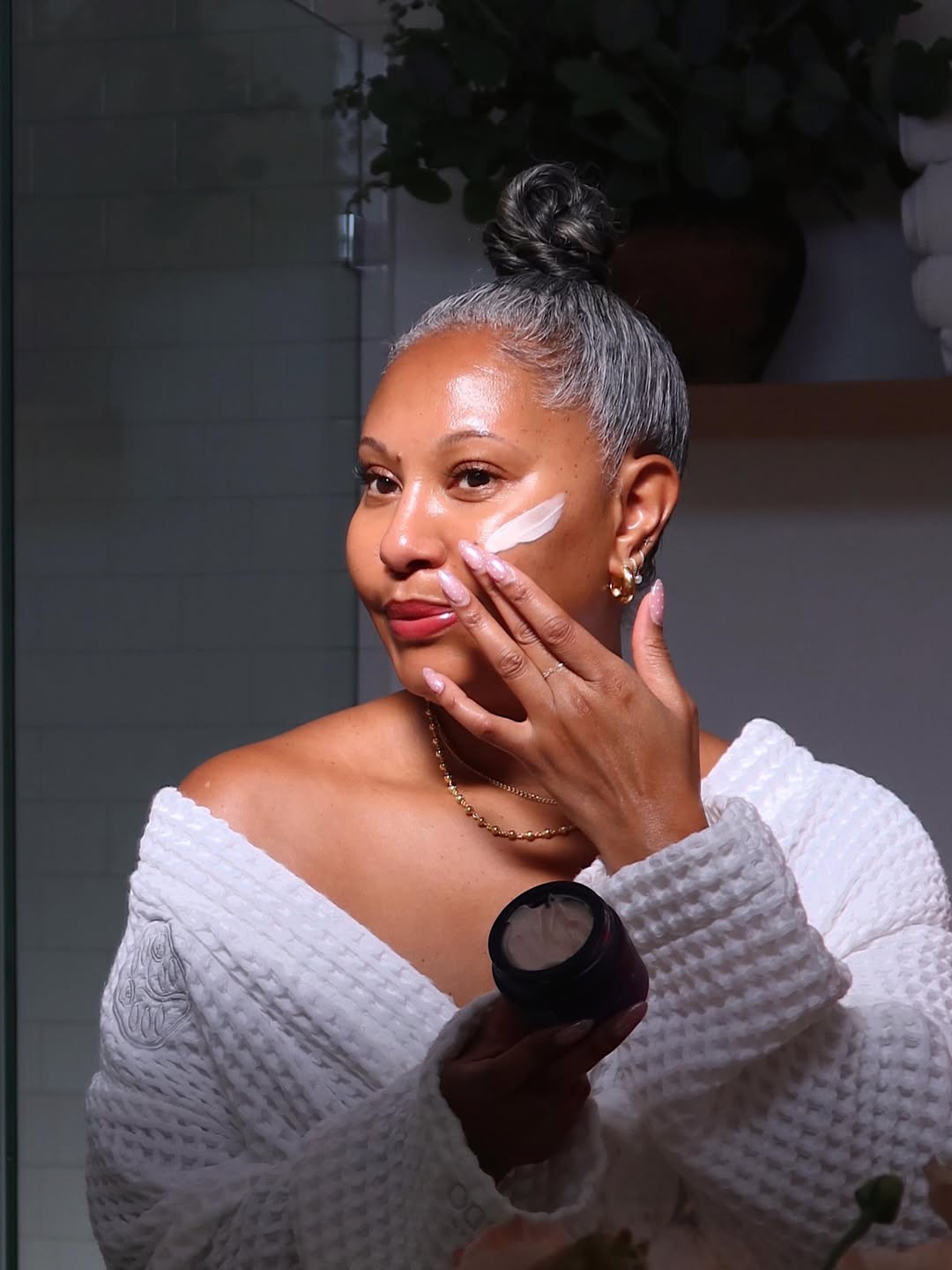
Modern shoppers research formulas, follow dermatologist recommendations, and confidently mix luxury favorites with affordable essentials to build routines that suit their individual needs. Luxury, in other words, no longer depends on exclusivity or high price tags. Consumers now define it through performance, purpose, and personal experience rather than status. As beauty evolves, the most desirable products are not simply the most expensive—they are the ones that earn a place in everyday rituals through quality, authenticity, and meaningful results.
The post How Modern Consumers Are Changing the Meaning of Luxury Beauty appeared first on Style Rave | The Ultimate Style Guide.