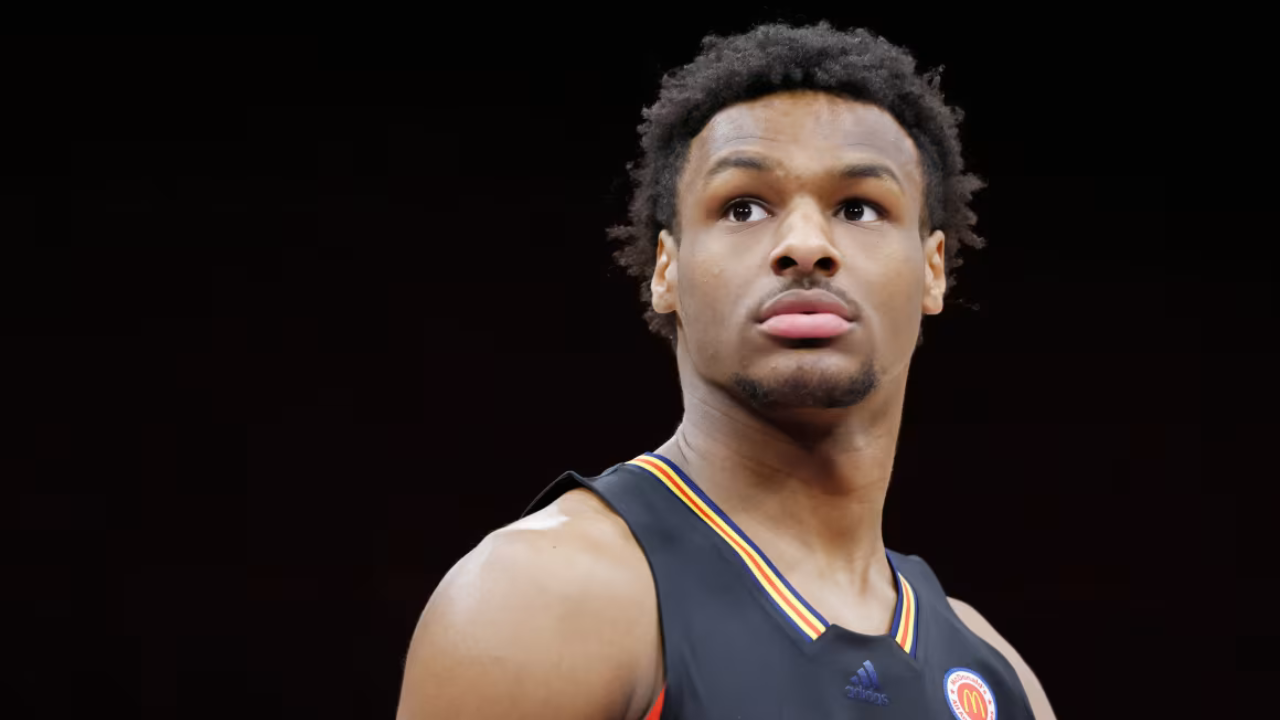
Nike has encountered an unexpected legal obstacle in its branding efforts for Los Angeles Lakers guard Bronny James. The United States Patent and Trademark Office (USPTO) has officially denied the sportswear giant’s application for James’ signature “B9” logo, citing potential consumer confusion with an existing trademark. Examining attorney P. Scott Craven ruled that the stylized design too closely resembles a mark already registered by Back9 Golf Apparel, an independent company based in Austin, Texas. The decision creates complications for Nike’s marketing strategy around the 21-year-old rookie, whose personal brand was expected to leverage the distinctive logo across apparel and footwear lines.
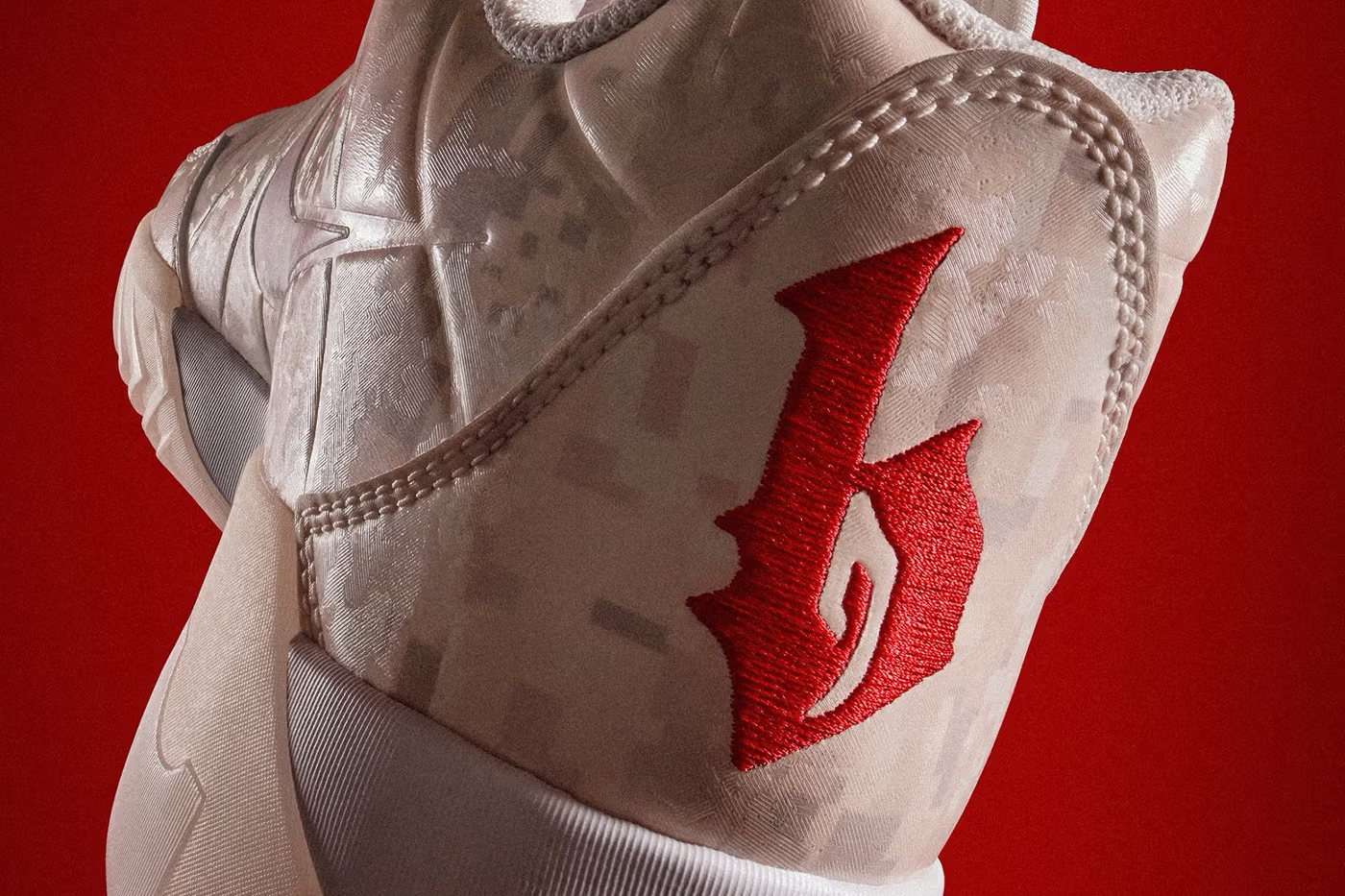
The Nike Bronny James B9 trademark application faced scrutiny because both companies filed their respective marks under general clothing and apparel categories without limiting sales channels to specific sports. Back9 Golf Apparel began using its overlapping “B9” design in 2020 and officially registered the trademark in 2022, featuring a stylized racing font on a black background. Nike’s version embeds the number “9” inside an Old English-style lowercase “b,” creating a visually distinct aesthetic. Despite these differences in typography and artistic execution, the USPTO concluded that the core elements remain identical and that both marks are “similar in appearance, sound and commercial impression.” Without specified retail distinctions between golf and basketball markets, the agency assumes the goods would target overlapping consumer bases.
The Timing and Product Impact
BREAKING: The trademark application for Bronny James’ “B9” logo under Nike has been DENIED
“The USPTO turned down the application because examining attorney P. Scott Craven deemed the logo too similar to the ‘B9’ logo created by Back9 Golf Apparel, a company out of Austin,… pic.twitter.com/FXsI1Z2WKY
— Basketball Forever (@bballforever_) April 14, 2026
The trademark denial arrives at a particularly inconvenient moment for Nike. The company recently unveiled the LeBron IX Witness PER, a special sneaker honoring Bronny James’ recovery journey and path to the NBA. This commemorative shoe prominently features the red “B9” insignia that is now caught in legal limbo. Marketing campaigns and product launches built around the logo face potential disruption unless Nike can resolve the trademark conflict swiftly.
Back9 Golf Apparel’s prior registration gives the Texas-based company legal standing to protect its mark from potential dilution. The golf brand’s 2022 trademark registration predates Nike’s application, establishing clear priority rights. This timeline becomes crucial in intellectual property disputes where first use and registration typically prevail over subsequent applications, regardless of the applicant’s market size or resources.
Nike’s Options Moving Forward
Nike now has a three-month window to respond to the government’s ruling and several strategic options available. The company’s legal team can appeal the decision by arguing that the stylized designs are sufficiently distinct in their artistic execution and target demographics. This approach would require demonstrating that basketball fans and golf enthusiasts represent separate consumer markets unlikely to experience confusion.
Alternatively, Nike could subtly alter the logo’s literal elements and refile the application with modified design features that create greater visual separation from Back9’s mark. Such changes might include adjusting the font style, orientation, or incorporating additional distinctive elements that clearly differentiate the marks. The company could also attempt to negotiate a consent agreement directly with Back9 Golf Apparel, though such arrangements often involve significant financial considerations and licensing terms.
Broader Implications for Athlete Branding
LeBron IX Witness PER for Bronny inspired by his recovery and journey back to the court. pic.twitter.com/NyR1VzgwKA
— Nike Basketball (@nikebasketball) April 12, 2026
This rejection highlights the complexities athletes and their sponsors face when developing personal brands in an increasingly crowded trademark landscape. Even major corporations like Nike must navigate existing intellectual property rights, regardless of an athlete’s prominence or market influence. The situation underscores the importance of comprehensive trademark searches during the brand development process, particularly when using common numbers or initials that may already exist in commercial use.
For Bronny James, whose professional career is just beginning, the trademark dispute represents an early lesson in the business complexities beyond basketball. His jersey number and initials create a logical branding foundation, but those same elements make conflicts with existing marks more likely. The outcome of Nike’s response will determine whether the “B9” logo becomes a signature element of its brand identity or requires reimagining to avoid ongoing legal challenges.
Featured image: Michael Hickey/Getty Images
The post Nike’s Bronny James “B9” Trademark Rejected Over Similarity To Golf Brand Logo appeared first on Style Rave | The Ultimate Style Guide.