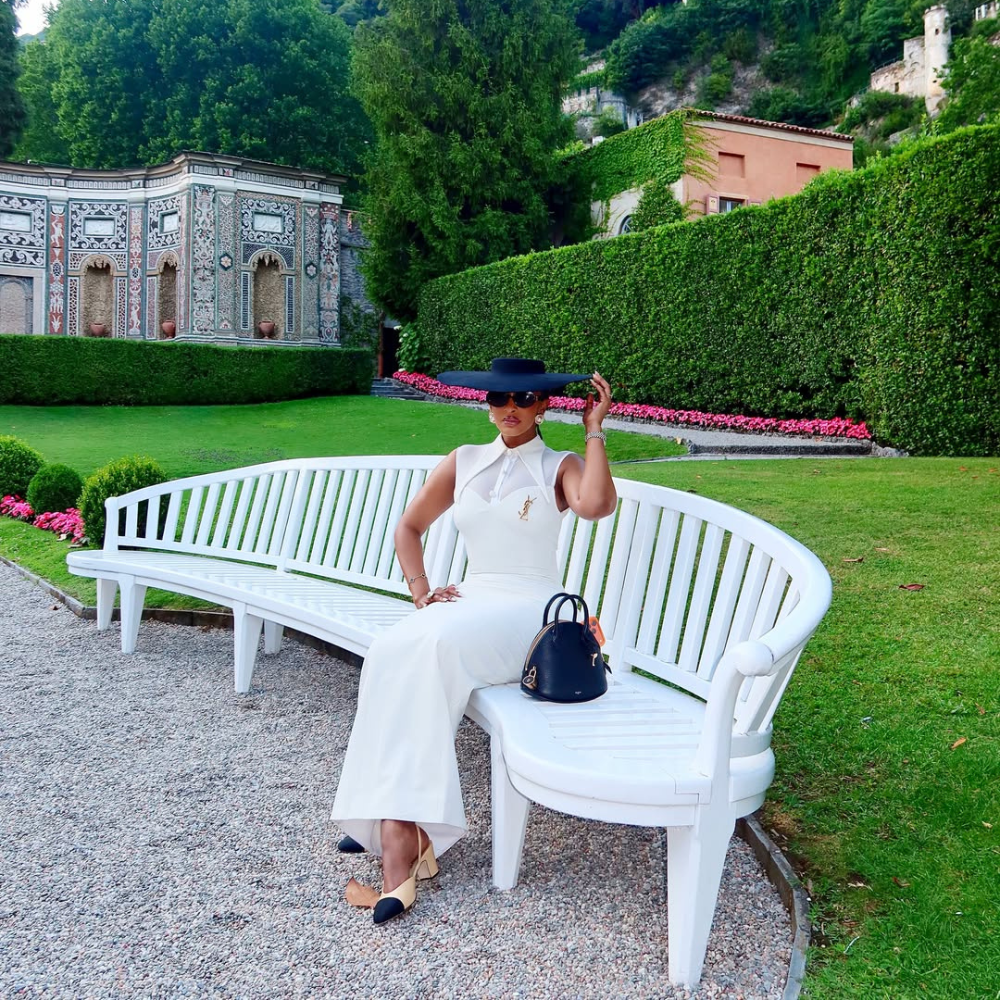
Quiet luxury arrived as a reaction. After years of logomania, maximalist branding, and fashion cycles that rewarded visibility above all else, a significant number of consumers decided to stop announcing themselves with what they wore. The response was a wardrobe philosophy built on restraint—neutral palettes, impeccable fit, natural fibres, and the deliberate absence of visible branding.
The individuals who embodied it most convincingly, such as Sofia Richie Grainge, the Olsen twins, and Michael B. Jordan, were not following a trend; they were following a philosophy. In 2026, that philosophy has matured considerably beyond its origins as a counter-movement, and the most interesting development is not in what it looks like; it is in what it has come to mean.
Quiet luxury in 2026 represents a holistic lifestyle philosophy extending far beyond fashion into automobiles, interiors, travel, technology, and personal values. What started as a reaction to logo culture has settled into something more permanent: a genuine shift in how a certain kind of consumer thinks about consumption itself.
According to the Business of Fashion 2026 report, consumer interest in sustainability and ethical production, values closely aligned with the quiet luxury ethos, has continued to grow, influencing purchasing decisions across multiple categories. The movement is no longer primarily about how you look. It is about what your choices say regarding your relationship with quality, craft, and intentionality.
Quiet Luxury Beyond the Wardrobe
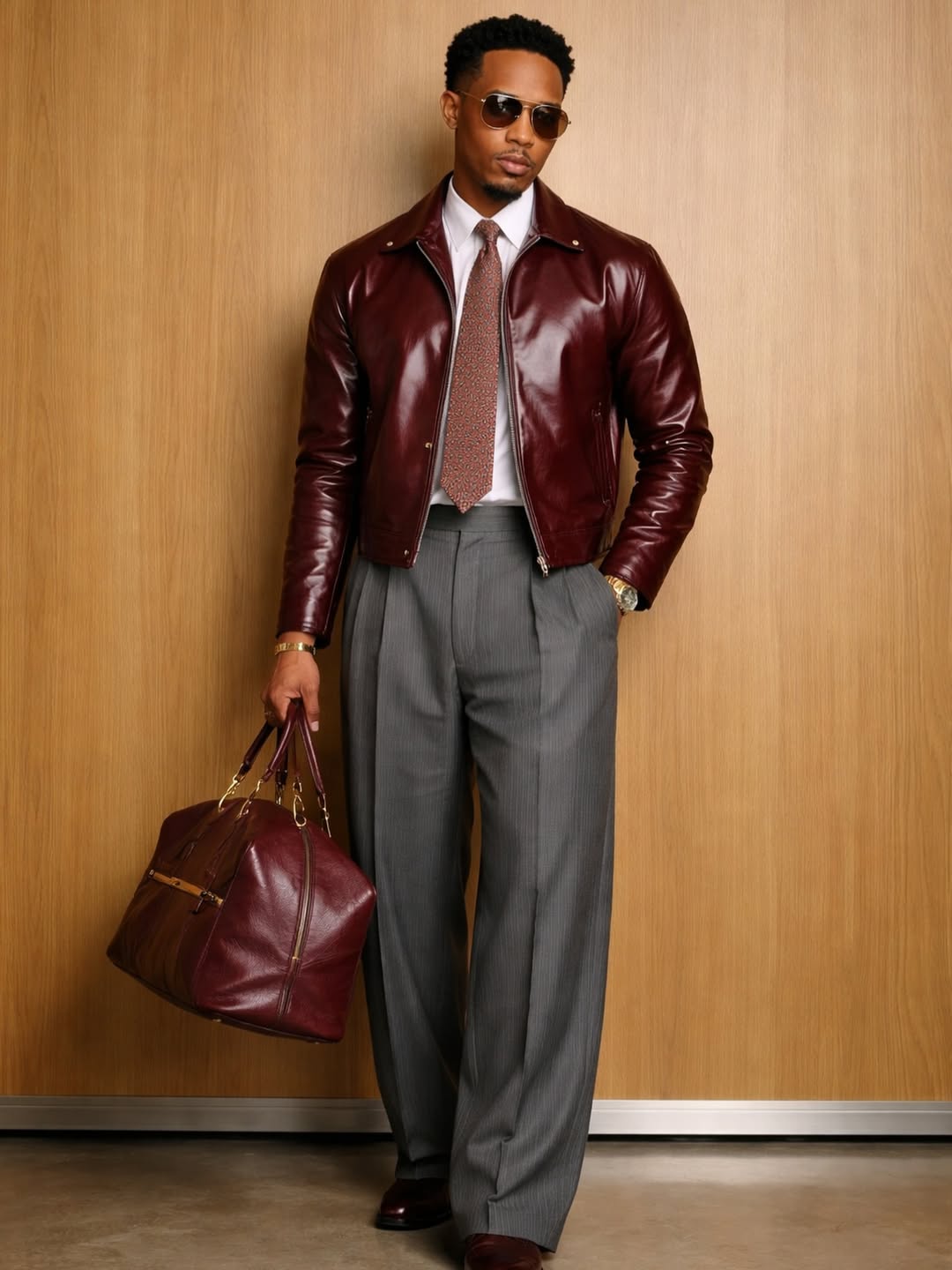
The clearest sign that quiet luxury has evolved into something more substantive is how far it has spread from its fashion origins. Quiet luxury now encompasses automobiles chosen for engineering over status signals, interiors defined by tactile quality rather than brand recognition, and travel experiences valued for depth and access rather than Instagram legibility. In each of these categories, the principle is identical: the most discerning choice is rarely the loudest one.
This extension makes sense when you understand what quiet luxury was always actually about. Status has evolved from showing what you own to showing what you know. Fashion insiders now praise knowledge of craft, not logos. To own a quiet luxury wardrobe is to demonstrate education, refinement, and confidence. The same logic applies to every other category the philosophy has entered. The person whose hotel choice reflects an understanding of a city rather than a brand name is making the same statement as the person whose coat communicates quality only to those who know how to read it.
The Personal Turn: From Aesthetic to Identity
View this post on Instagram
What is shifting most significantly in 2026 is the move from quiet luxury as an aesthetic to quiet luxury as an identity. When it was primarily a visual trend, it could be performed—a neutral-toned outfit assembled from the right silhouettes, posing with the right lighting. When it becomes genuinely personal, performance becomes irrelevant.
Some critics have correctly identified this tension. When subtlety becomes a trend, it can lose the authenticity that made it appealing in the first place. What started as a rejection of logo culture risks turning into another aesthetic to perform online, just with softer lighting and neutral tones. The response to this criticism, visible among the most committed practitioners of the philosophy, is a further withdrawal from legibility.
Unexpected textures, nuanced colors beyond standard neutrals, and innovative sustainable materials that look classic but are technically advanced are where quiet luxury is heading. Each of these moves the philosophy further from replicability and closer to genuine personal expression.
Sofia Richie Grainge has built an entire public identity on this distinction. Her wardrobe is consistent without being monotonous, restrained without being anonymous. Each appearance communicates a specific and coherent point of view rather than trend compliance. That is the direction quiet luxury is moving, toward the individual rather than toward a shared aesthetic.
What It Means for How People Shop

The practical consumer behaviour that flows from a genuinely personal quiet luxury philosophy is meaningfully different from trend-following behaviour. Buyers are increasingly drawn to customization services, limited-edition releases, and bespoke craftsmanship. Capsule wardrobes are built around foundational pieces that remain relevant beyond seasonal cycles. The preference is for fewer, better things chosen for fit, quality, and longevity rather than newness.
This shift carries real consequences for fashion brands. The absence of obvious branding allows garments to remain relevant beyond seasonal cycles, reinforcing their long-term value. But it also demands that the quality and craftsmanship actually justify the price, something the industry has not always delivered.
The consumer fatigue that drove people toward quiet luxury in the first place has not disappeared. It has become more sophisticated. And in 2026, the consumers most committed to this philosophy are the hardest to impress and the most loyal when genuinely impressed. For the brands that can meet that standard, quiet luxury represents not just an aesthetic opportunity but a structural one.
Featured image: @vykiietoriah/Instagram
.
Aimé Leon Dore’s New Balance Made In USA 1300 “Navy” Is Quiet Luxury Done Right
The post <em>Quiet Luxury in 2026:</em> From Aesthetic to Lifestyle Philosophy appeared first on Style Rave | The Ultimate Style Guide.