Fashion has always chased the next big thing. One season celebrates maximalism; the next, minimalism. Trends appear overnight, dominate every feed, then quietly disappear before the ink on the campaign posters has time to dry. Yet beneath the constant rush, another movement has been unfolding at a much slower pace, one that doesn’t care about algorithms, virality, or overnight success.
Some of the world’s most remarkable garments don’t just begin with a sketch on a screen. They begin with steady hands threading a needle through silk, artisans patiently weaving yarn into intricate textiles, and master tailors refining a single seam until it falls exactly as intended. While fashion races toward the future, these makers continue working at a rhythm measured not in minutes but in mastery. Their creations may take weeks or even months to complete, yet they possess something no fast-moving trend can imitate: soul.
Perhaps that’s why craftsmanship feels more relevant than ever. At a time when technology can generate designs within seconds, and factories can reproduce runway trends almost instantly, genuine human skill has become one of luxury’s rarest assets. Increasingly, fashion lovers are looking beyond logos and labels. They want to know who made a garment, what techniques shaped it, and why it deserves a place in their wardrobe. The conversation has shifted from what we wear to how it came to life, and craftsmanship is once again taking center stage.
What Is Craftsmanship?
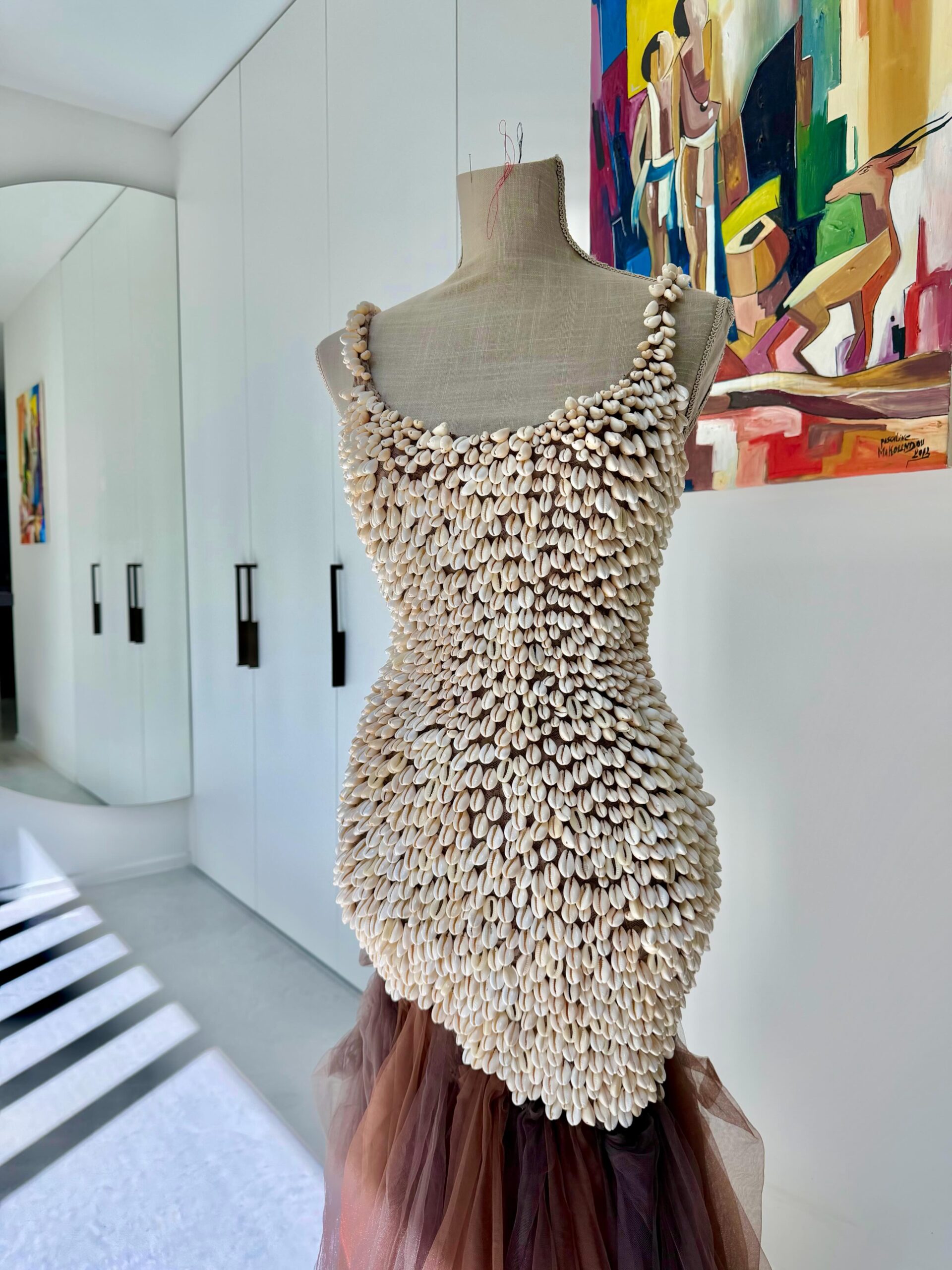
Craftsmanship often brings to mind images of hand-sewn couture gowns or carefully stitched leather handbags, but the idea extends far beyond that. At its heart, craftsmanship is the deliberate pursuit of excellence through knowledge, patience, and precision. It values the process just as much as the finished product.
In fashion, craftsmanship appears in countless forms. It lives in the intricate embroidery that transforms fabric into art, the careful pattern-cutting that determines how a jacket drapes, the weaving techniques passed down through generations, and the hand-finishing that gives luxury garments their unmistakable quality. Leather artisans, textile makers, knitwear specialists, beadworkers, and master tailors all contribute to a tradition that celebrates skill over speed.
True craftsmanship is not simply about making something by hand. It reflects years of learning, constant refinement, and an unwavering commitment to detail. Every stitch, fold, and finish tells the story of experience that no machine can fully replicate.
The Fine Line Between Celebrating Craft and Craft-Washing
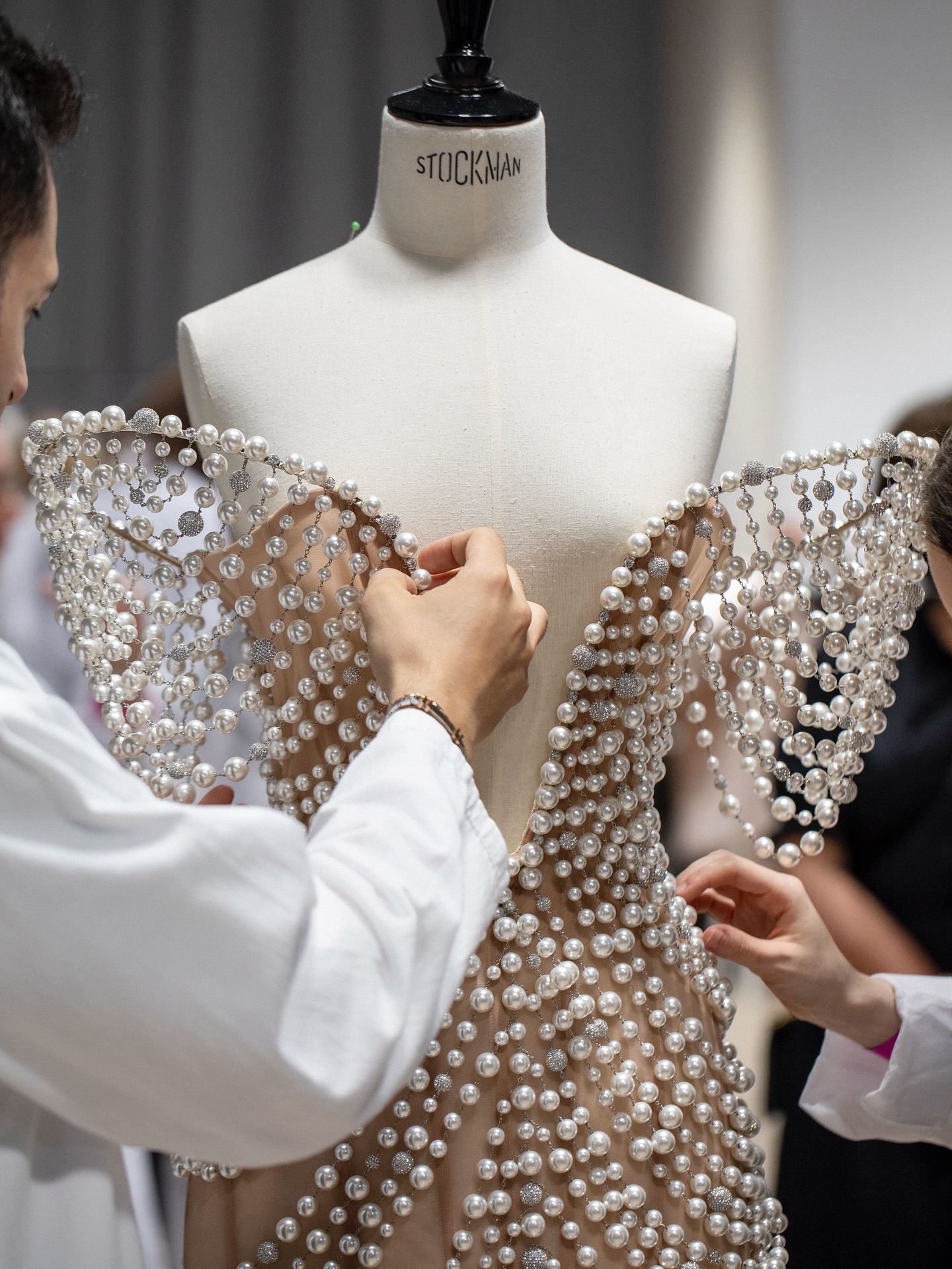
As craftsmanship becomes more desirable, more brands have begun using terms such as artisan, handmade, crafted, and heritage to market their collections. That growing popularity has introduced a new concern, often described as craft-washing.
Craft-washing happens when brands borrow the language of craftsmanship without genuinely investing in the practices behind it. A product may feature handcrafted packaging or a single handmade decorative detail while the rest of its production relies almost entirely on large-scale industrial manufacturing. The storytelling sounds authentic, but the craftsmanship remains superficial.
Fortunately, genuine craftsmanship usually leaves clear evidence. Brands committed to artisan work often introduce the makers behind their collections, document their production methods, highlight the origin of their materials, and openly discuss the time required to complete each piece. Many also preserve traditional techniques by working closely with local craftspeople and specialist workshops. In today’s fashion landscape, consumers increasingly reward transparency. Beautiful marketing may capture attention, but honest craftsmanship earns lasting trust.
Why Craftsmanship Matters Again
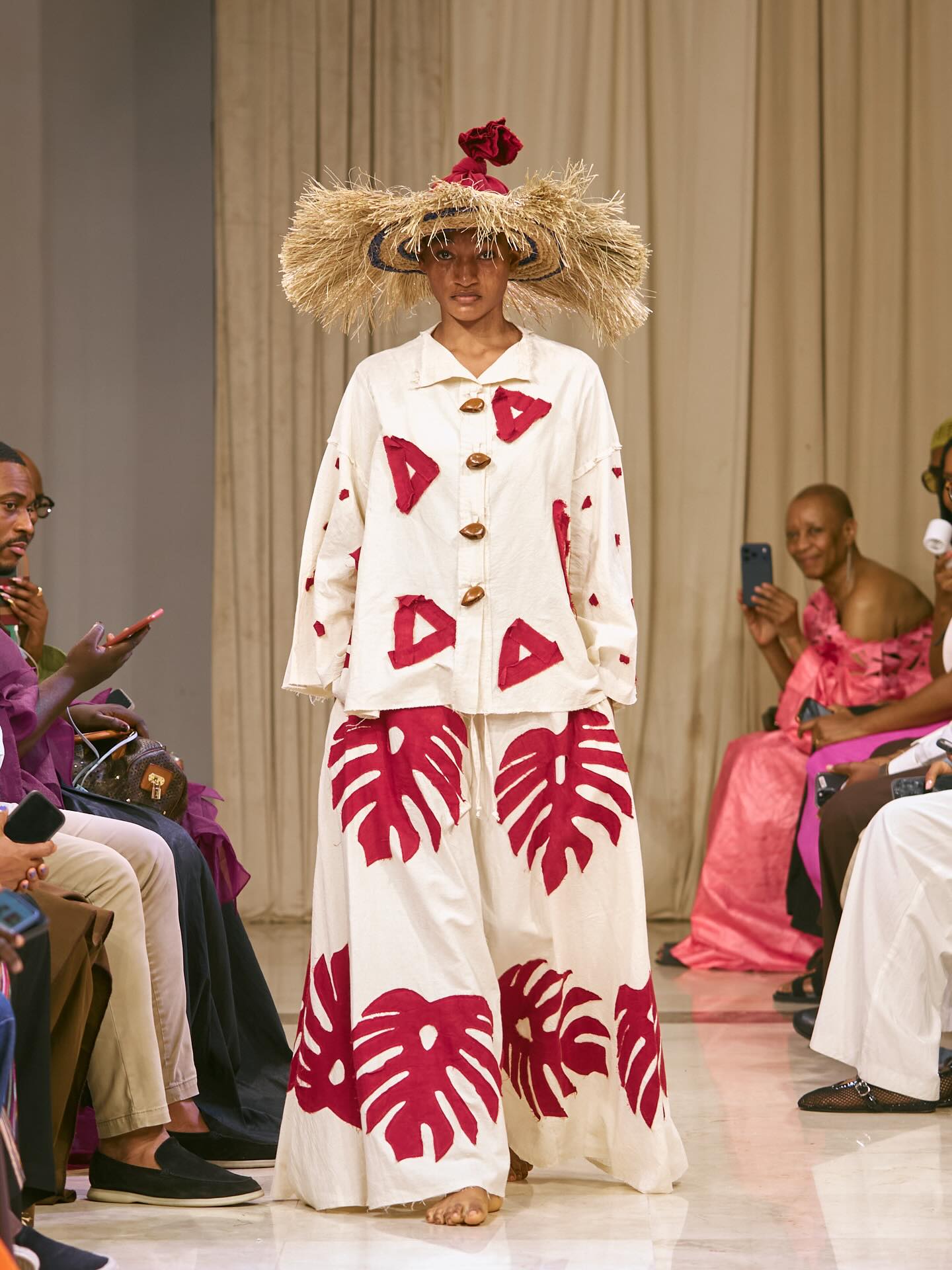
The renewed appreciation for craftsmanship reflects a broader shift in consumer behavior. Years of fast fashion encouraged people to buy more while expecting less from the clothes they owned. Garments became disposable, trends moved faster, and quality often gave way to quantity. That mindset has begun to change.
Many shoppers now view fashion as a long-term investment rather than a constant cycle of replacement. Instead of filling their wardrobes with short-lived purchases, they increasingly seek pieces that feel timeless, durable, and thoughtfully made. Quality fabrics, expert tailoring, and meticulous construction have become stronger indicators of value than oversized logos or seasonal hype.
Craftsmanship also creates emotional attachment. Knowing that skilled artisans spent days or even weeks creating a garment gives it significance beyond its appearance. The piece carries a story, making it easier to treasure and harder to discard.
Craftsmanship as a Sustainability Strategy
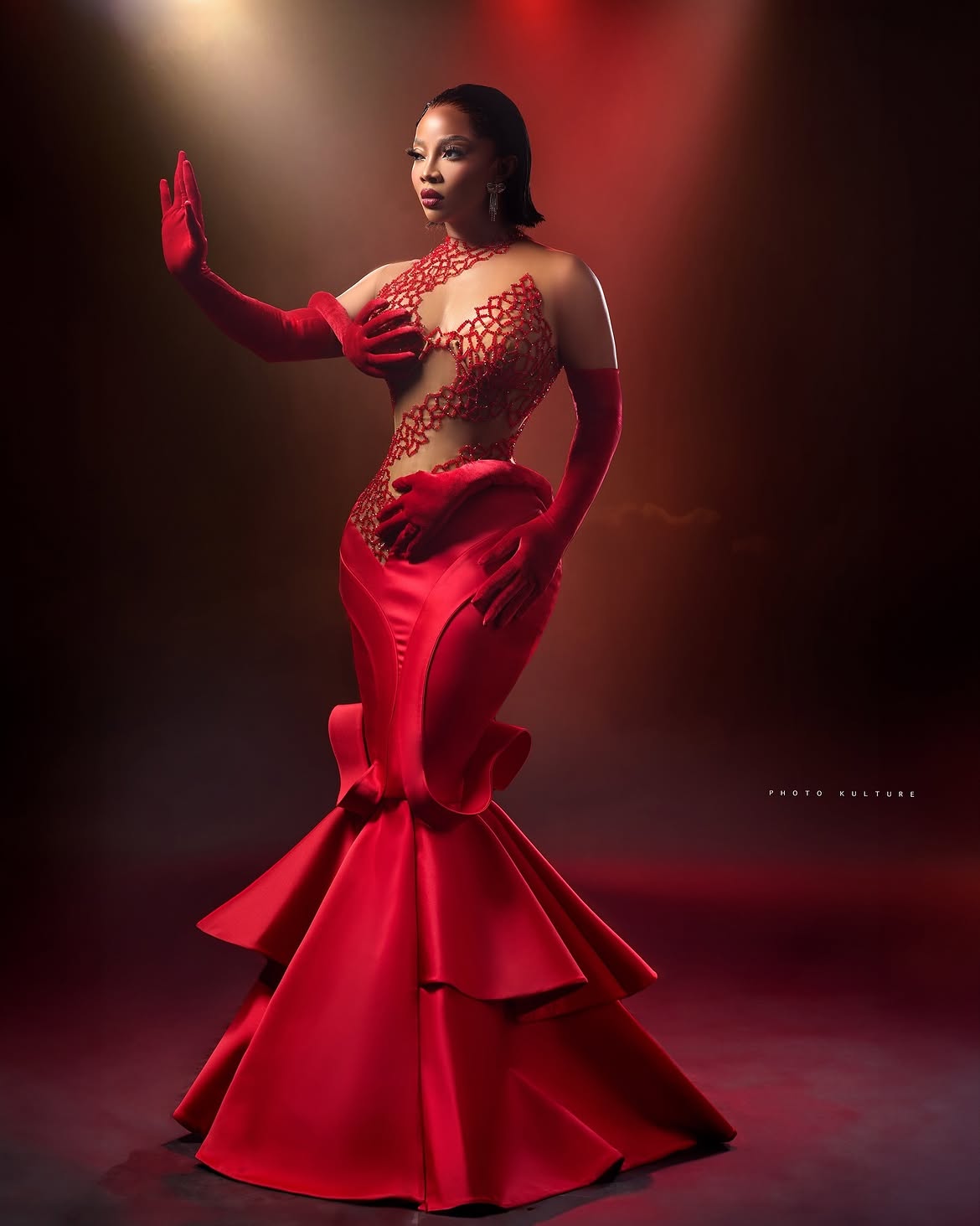
Sustainability often begins long before a garment reaches the wardrobe. It starts with how that garment is designed, produced, and valued. Craftsmanship naturally encourages slower consumption because well-made clothing lasts longer. Stronger construction, better fabrics, and timeless design reduce the need for frequent replacement. Many handcrafted pieces can also be repaired, restored, or passed down, extending their lifespan for years.
This approach challenges the cycle on which fast fashion depends. Instead of encouraging constant purchasing, craftsmanship invites people to invest in fewer, better-made garments that hold their value over time. In many ways, sustainability and craftsmanship share the same philosophy: respect the materials, respect the maker, and respect the life of the product.
Why Fashion Brands Are Returning to Craftsmanship

More fashion brands are putting craftsmanship back at the center of their designs. Instead of relying solely on eye-catching campaigns or fast-moving trends, they are highlighting the artistry behind each collection. From hand-draping and textile manipulation to intricate construction and sculptural tailoring, the creative process is becoming just as important as the finished garment.
Consumers are increasingly interested in the story behind what they wear. They want to understand how a piece was designed, why certain fabrics were chosen, and the techniques that bring an idea to life. This shift has made craftsmanship a defining part of a brand’s identity rather than simply a finishing touch.
A brand like Andrea Iyamah captures this beautifully. Its collections are known for fluid draping, sculptural silhouettes, dimensional folds, rich color palettes, and architectural shapes that transform fabric into wearable art. Pieces such as the Balu Top and Beka Skirt, described by the brand as featuring “dimensional shades that vibrate elegantly,” demonstrate how thoughtful craftsmanship can create movement, depth, and emotion without relying on excessive embellishment. Rather than simply making clothes, the brand creates pieces that tell visual stories inspired by African landscapes, culture, and nature, demonstrating that exceptional design begins with skilled hands and a strong creative vision.
Independent African Designers Are Leading the Craft Revival
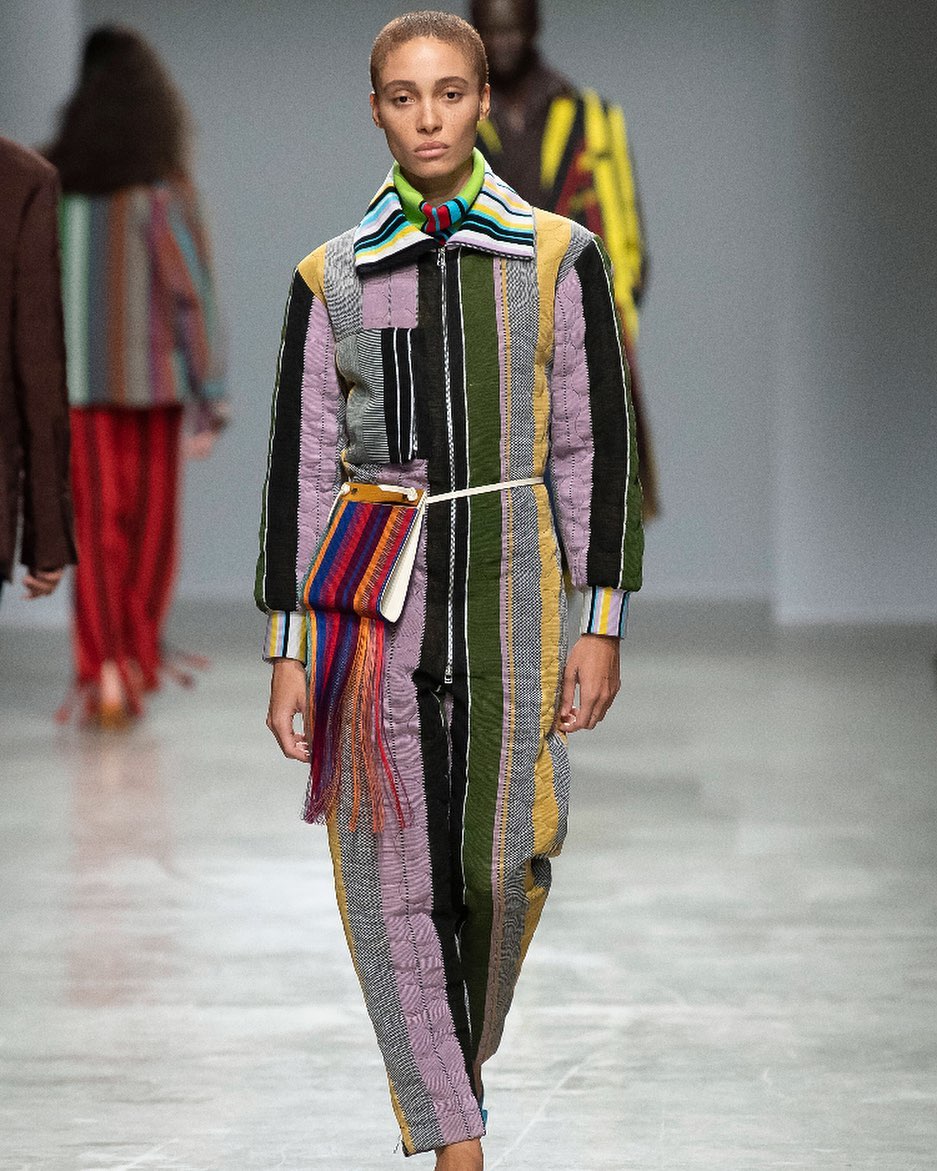
While heritage fashion houses continue celebrating traditional techniques, many independent designers are redefining craftsmanship through fresh cultural perspectives. Thebe Magugu combines refined tailoring with storytelling rooted in African history and identity. Kenneth Ize has earned global recognition for elevating handwoven textiles created by local artisans, proving that traditional weaving techniques can thrive on international runways. Meanwhile, Mowalola Ogunlesi reimagines craftsmanship through bold silhouettes, contemporary construction, and cultural expression.
Together, these designers show that craftsmanship is not about preserving the past unchanged. It is about allowing tradition to evolve while honoring the communities and skills that gave it life.
Why Consumers Want to Know the Story Behind Their Clothes
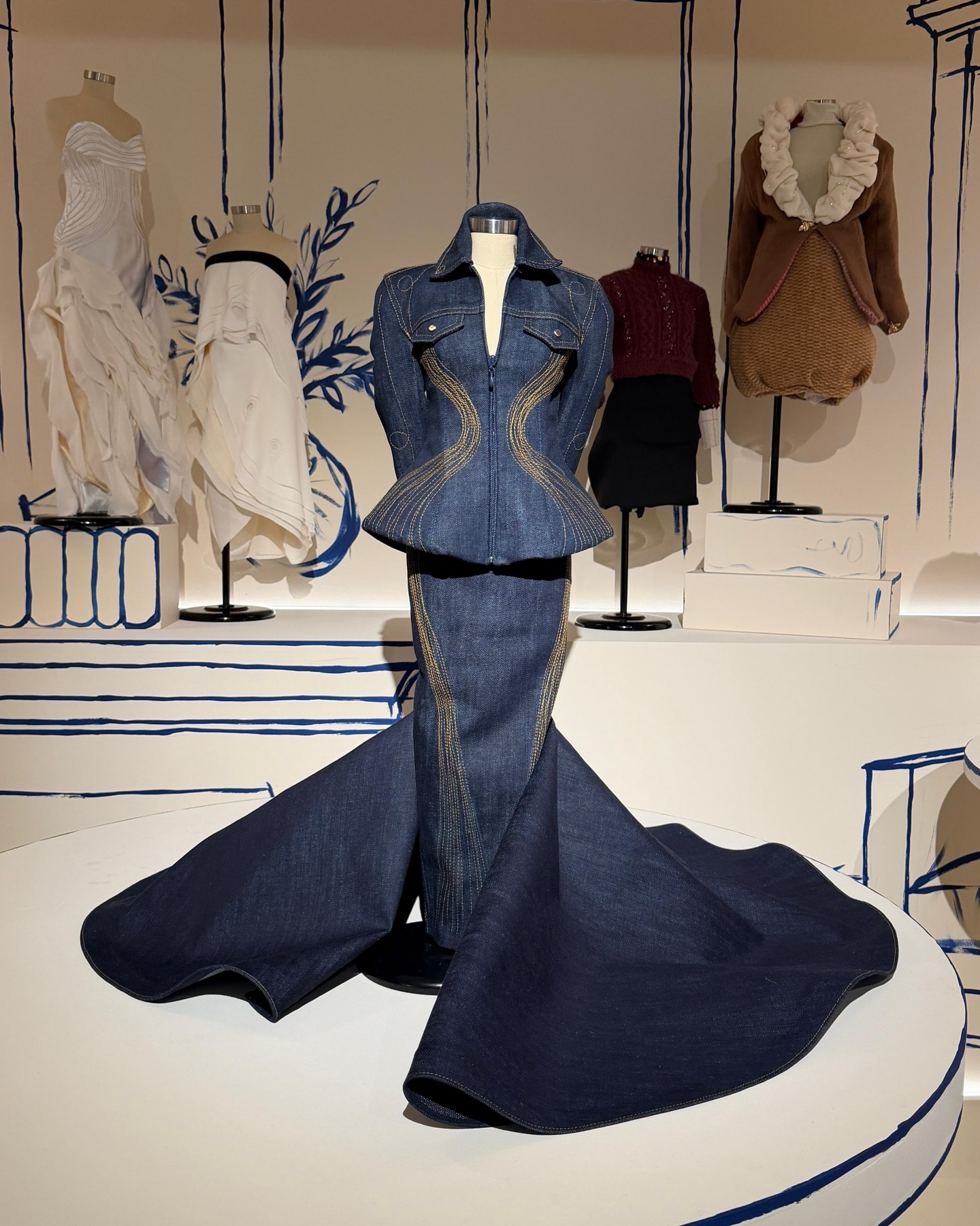
People no longer buy fashion based solely on appearance. Curiosity has become part of the shopping experience. Consumers increasingly ask where a garment was made, who produced it, how long it took to complete, and whether the materials were sourced responsibly. Those questions reflect a broader desire for transparency and authenticity.
The answers often influence purchasing decisions just as much as color, silhouette, or brand recognition. Fashion becomes more meaningful when buyers understand the journey behind each piece.
Fashion’s Greatest Luxury Has Always Been Human Skill
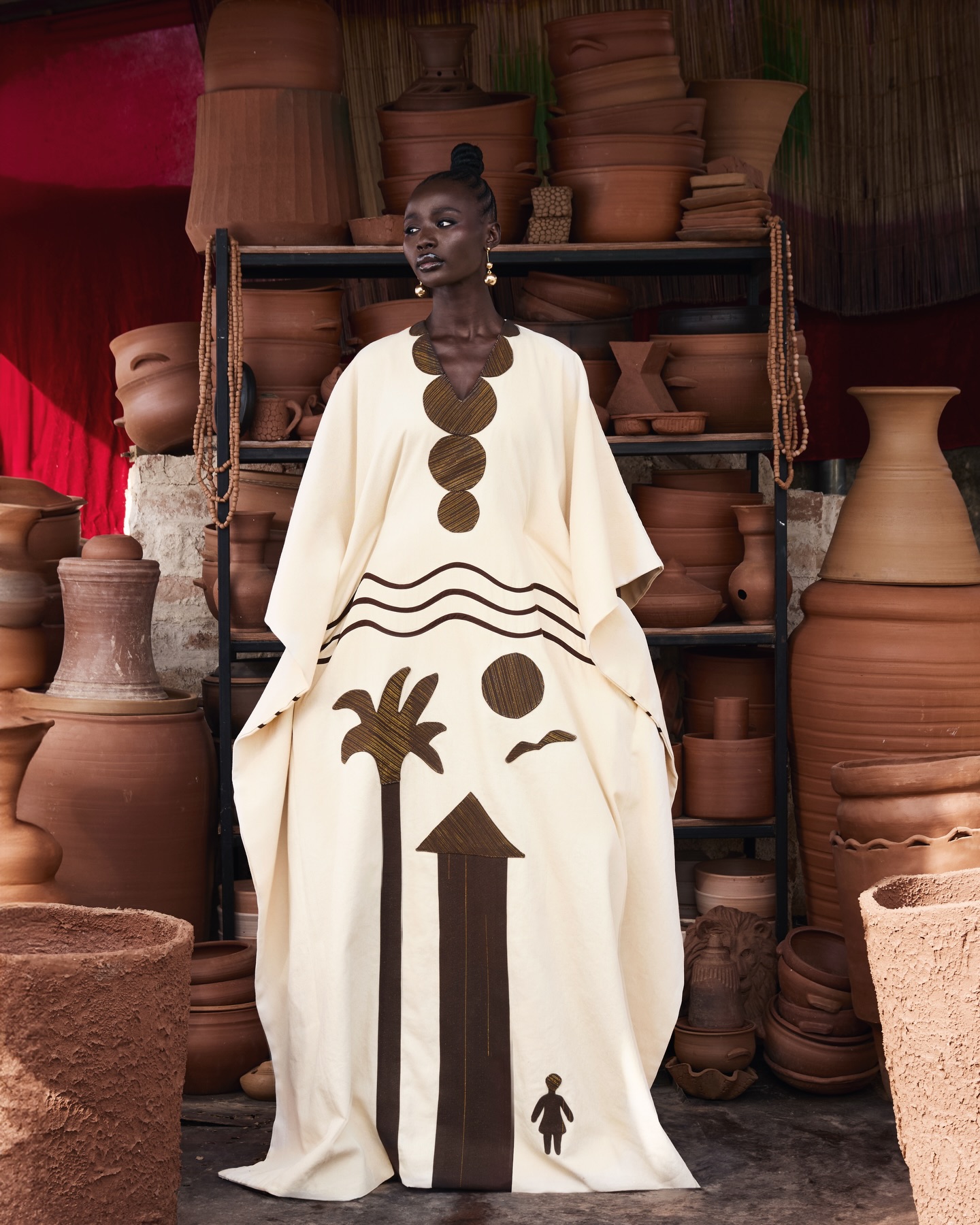
Fashion may continue evolving through artificial intelligence, digital design, and new manufacturing technologies, but one truth remains remarkably constant: nothing replaces the value of genuine craftsmanship. Human creativity, patience, and experience leave an imprint that machines cannot imitate, no matter how advanced they become.
That’s why craftsmanship feels so relevant today. It reminds us that luxury is not only about rarity or exclusivity; it is about intention, artistry, and the countless unseen hours poured into creating something exceptional. Trends will continue to come and go, but garments made with extraordinary care carry a lasting significance that outlives every season. In the end, fashion’s greatest luxury has never been speed; it has always been the hands, hearts, and heritage behind every stitch.
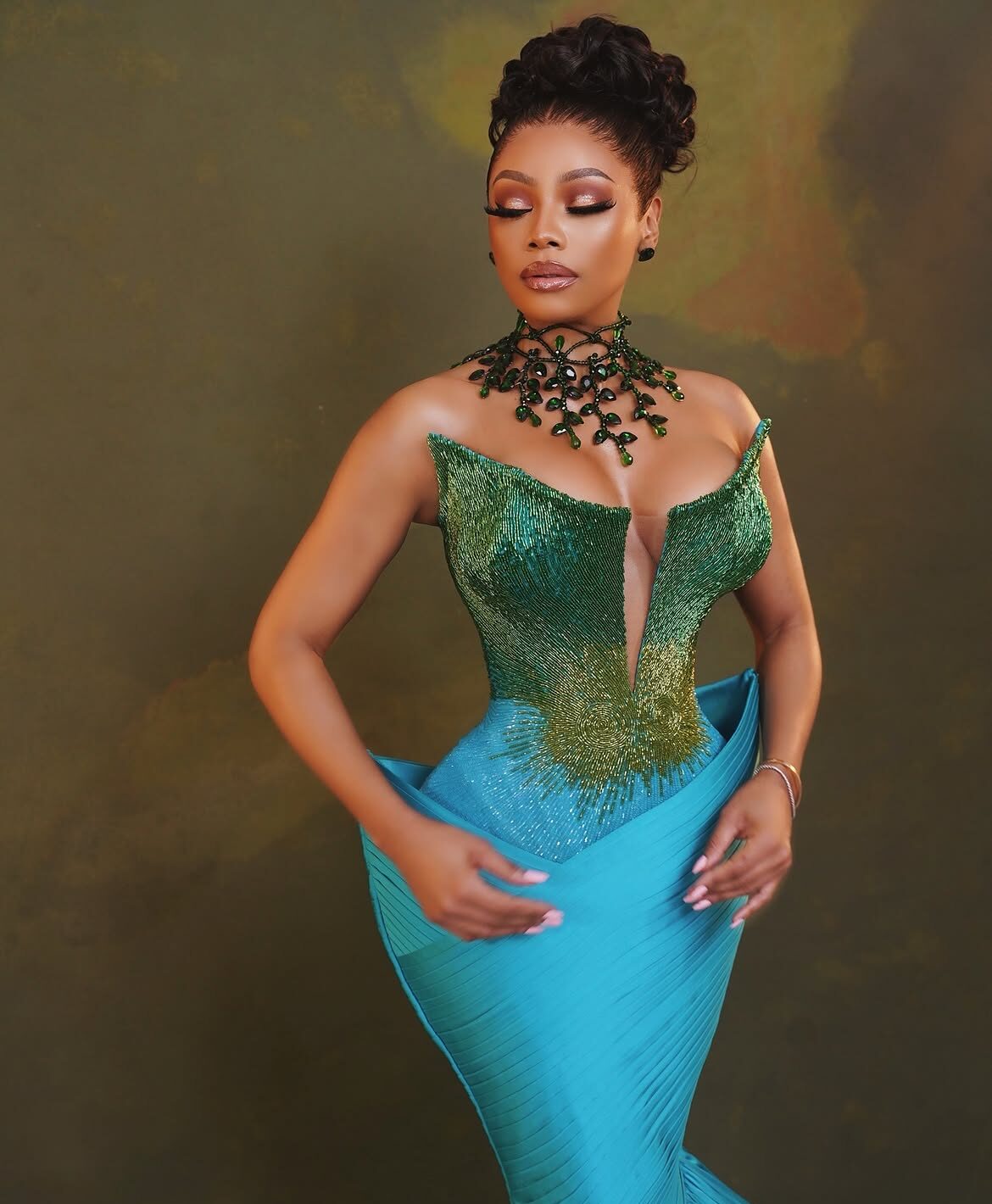
Featured image: The Lagos Paparazzi
The post <em>The Craftsmanship Revival:</em> Why Handmade Fashion Is Winning Hearts Again appeared first on Style Rave | The Ultimate Style Guide.