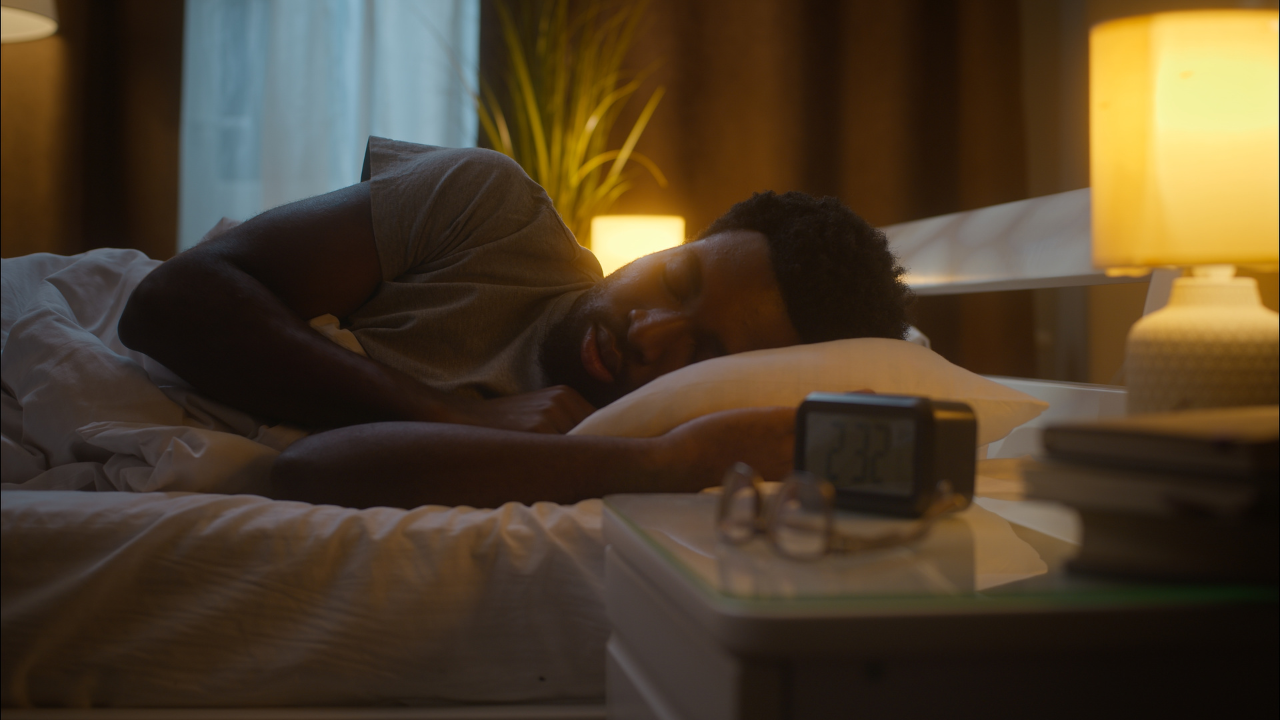
True luxury in 2026 is no longer about high-end watches or designer suits. Instead, the ultimate status symbol is deep, restorative sleep. While many ambitious men routinely sacrifice rest to get ahead, this habit quietly undermines their physical fitness, stalls gym gains, and diminishes their natural vitality.
Optimising your nightly rest helps reverse much of this damage, improving both your physical performance and facial appearance. Think of quality sleep as an overnight muscle-recovery session and a premium skincare routine that expensive creams cannot match. Looking sharp begins long before you step into the gym or stand in front of the mirror. The physical changes that define a great physique and youthful appearance are built while you sleep. Understanding what happens during these overnight recovery hours reveals why sleep is the foundation of muscle growth, vitality, and long-term health.
The Anabolic Pillow: Sleep Mechanics and Muscle Protein Synthesis
Testosterone, Growth Hormone, and the Muscle Loss Trap
Deep sleep serves as the body’s primary anabolic recovery window. During this slow-wave stage, your body releases large amounts of human growth hormone into the bloodstream to repair damaged muscle fibres and accelerate physical recovery. However, consistently cutting your rest short disrupts this vital process. When your sleep is fragmented or interrupted throughout the night, your body cannot recover efficiently, reducing the benefits of even the most intense gym sessions.
This lack of recovery also contributes to hormonal changes, a relationship highlighted in a landmark study published in The Journal of the American Medical Association (JAMA). Researchers at the University of Chicago found that restricting sleep to just five hours per night for one week reduced daytime testosterone levels by 10 to 15 percent. Such a rapid decline can alter your hormonal profile in ways associated with accelerated ageing, leaving you feeling fatigued and making it more difficult to build lean muscle.
Ultimately, poor sleep creates a destructive cycle that compromises both your long-term health and your fitness goals. When your body lacks adequate time to repair cellular damage, muscle recovery slows, and physical performance suffers. Over time, this decline can limit athletic progress and increase the risk of injury during demanding workouts. To protect your hormonal health and maximise your fitness gains, you must prioritise quality sleep. The quality of your recovery ultimately influences the quality of your physical transformation.
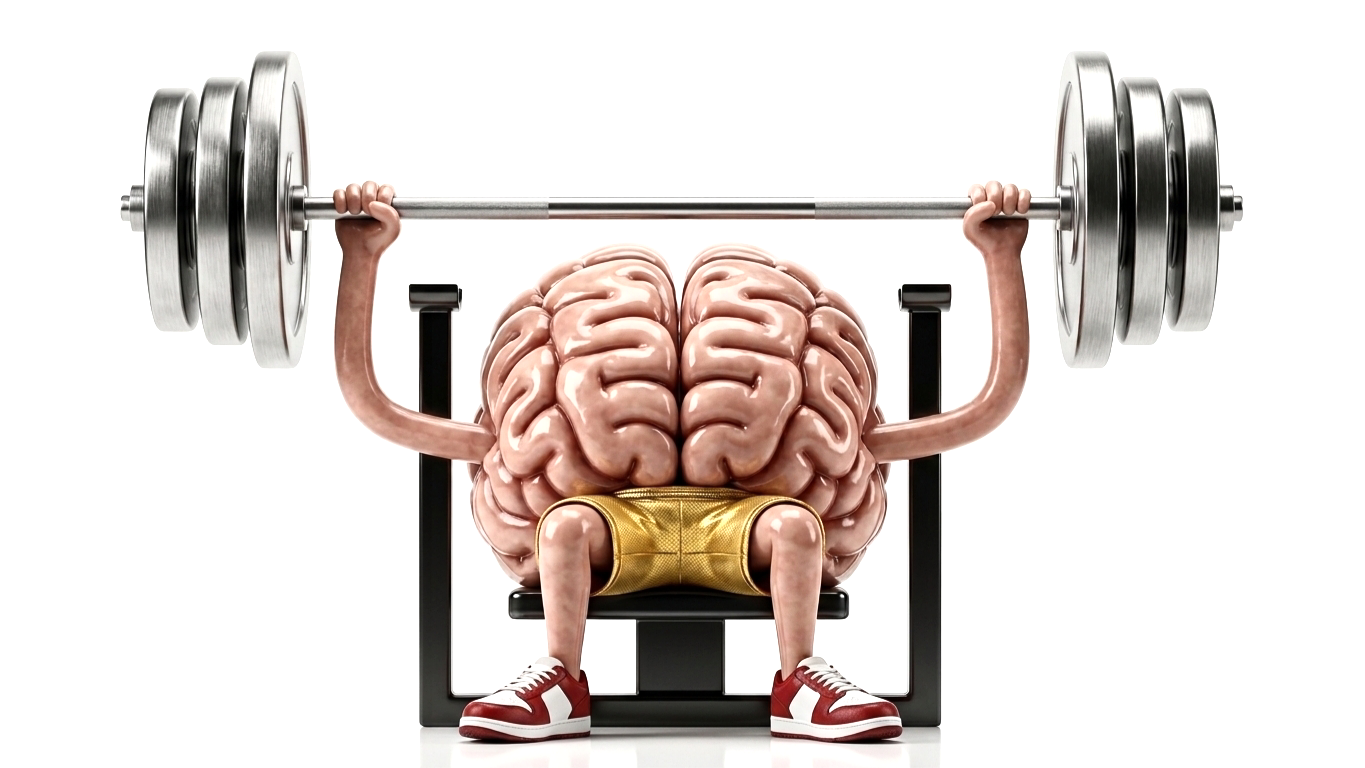
Neuromuscular Fatigue: Why an Exhausted Brain Can’t Bench Press
The Mind-Muscle Link
Muscle growth is only half the battle when it comes to athletic performance. Building stronger fibres means little if your brain cannot efficiently activate them. Beyond repairing physical tissue, deep sleep restores the nervous system responsible for generating strength.
Why Sleep Sparks Strength
Physical power depends heavily on the health of your central nervous system. Your brain must send clean, powerful electrical signals to trigger intense muscle contractions. Unfortunately, chronic sleep deprivation impairs these neural pathways and significantly reduces force production. You may feel motivated to train, but your body will struggle to move heavy loads. This neuromuscular fatigue can undermine your performance before you even touch the barbell.
The Problem With Quick Fixes
Many lifters try to mask this neural exhaustion with supplements. They consume large doses of pre-workout formulas and creatine in an attempt to force an energy boost. While these products may provide a temporary lift, they cannot compensate for an under-recovered brain. Your receptors remain less responsive, your reaction times slow, and stimulants ultimately do little more than mask underlying fatigue. True power depends on a well-rested nervous system that can perform efficiently under pressure.
Overcoming Neural Fatigue
You’ve likely experienced days when even your warm-up sets feel unusually heavy. More often than not, that frustration stems from neural fatigue rather than actual muscle weakness. An exhausted brain simply cannot recruit the high-threshold motor units required for demanding compound lifts. As a result, your bench press and squat performance often decline after a poor night’s sleep. To unlock your true physical potential, you must prioritise mental recovery just as seriously as physical training.
Cortisol and Cravings: How Insomnia Rewires Your Body to Store Fat
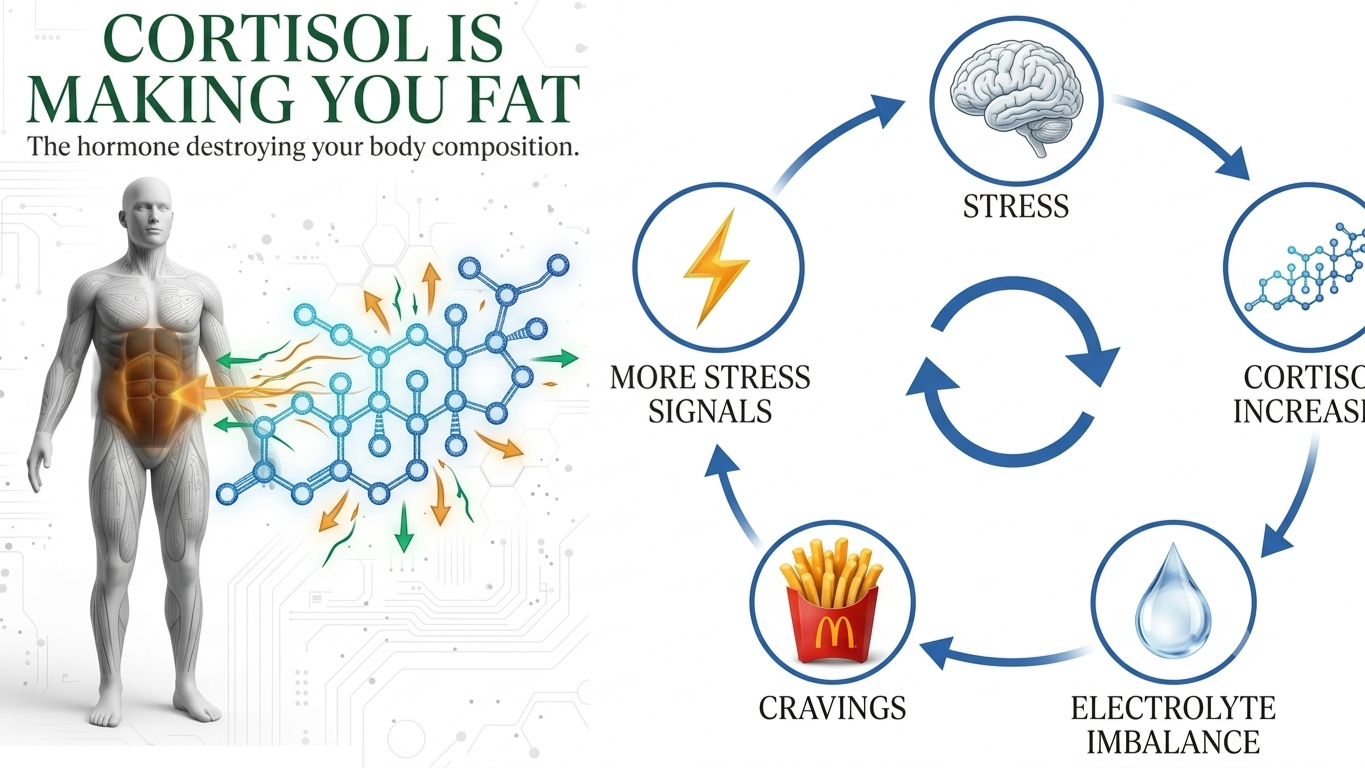
Poor sleep does far more than ruin your performance in the gym; it fundamentally alters how your body manages energy outside of it. While an exhausted nervous system limits your physical strength, disrupted sleep quietly reshapes your metabolism, making it significantly harder to stay lean.
This metabolic disruption can begin after just a single night of poor sleep, triggering a sharp rise in the stress hormone cortisol. Because cortisol signals the body to conserve its energy reserves, your system shifts into a survival state. It begins breaking down lean muscle tissue for fuel while promoting fat storage around the midsection and vital organs—a shift that can leave you feeling soft, sluggish, and anxious.
Compounding the issue, elevated cortisol also disrupts the hormones that regulate appetite. Your body produces more ghrelin, which increases cravings for sugar and refined carbohydrates, while leptin levels decline, reducing feelings of fullness after eating. Together, these hormonal changes make fat loss a much steeper uphill battle, working against your body composition goals from two different directions.
Ultimately, the physiological effects of chronic sleep deprivation extend far beyond afternoon fatigue. They actively work against fat loss while slowing muscle recovery and encouraging muscle breakdown. To interrupt this cycle, prioritise a stable, predictable bedtime routine. Protecting your sleep is one of the most effective ways to support healthy stress hormone levels, maintain a healthy metabolism, and preserve a lean physique.
The Chronotype Advantage: Aligning Your Training with Your Biological Clock
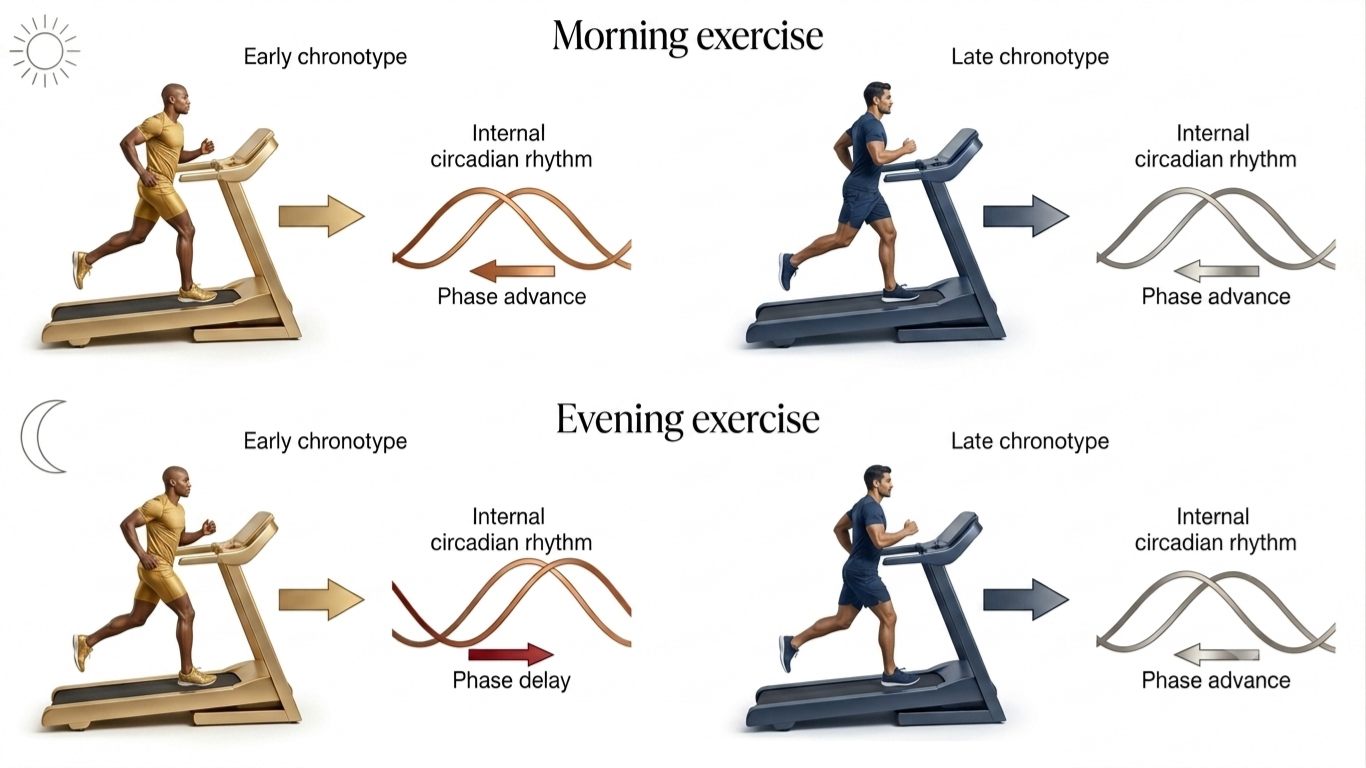
Getting enough sleep is one of the most important factors in recovery, performance, and long-term health. While sleep duration is essential, sleep timing and consistency play equally important roles. Going to bed and waking up at times that align with your body’s internal clock can improve alertness, mood, and recovery.
This is where chronotype becomes useful. A chronotype describes your natural preference for sleeping and waking at certain times of the day. It is influenced by your circadian rhythm—a roughly 24-hour biological clock regulated by the brain—and shaped by both genetics and environmental factors such as light exposure, work schedules, age, and daily habits.
Rather than fitting neatly into a handful of rigid categories, chronotype exists on a continuum ranging from morning-oriented (“morning larks”) to evening-oriented (“night owls”), with most people falling somewhere in between. Scientists typically measure chronotype using validated questionnaires rather than assigning fixed personality types.
Morning-Oriented Individuals
People with a morning chronotype naturally wake earlier and tend to feel most alert during the first half of the day. They often experience their highest levels of concentration and energy in the morning before becoming sleepy earlier in the evening.
- Training Considerations: Morning-oriented individuals may find resistance training, cardiovascular exercise, or skill-based workouts more comfortable and sustainable in the morning or late morning. However, with consistent practice and adaptation, they can also perform well later in the day.
Intermediate Chronotype
Most adults have an intermediate chronotype, meaning they are neither strongly morning- nor evening-oriented. Their alertness generally follows a conventional daytime schedule, with energy gradually increasing after waking and declining in the evening.
- Training Considerations: These individuals usually perform well during the late morning or afternoon. Choosing a consistent training time that fits work and family commitments is generally more important than chasing an “optimal” hour.
Evening-Oriented Individuals
People with an evening chronotype naturally become alert later in the day and often prefer going to bed and waking later. They may struggle with very early mornings, particularly if they are unable to get sufficient sleep.
- Training Considerations: Evening-oriented individuals often feel stronger, more coordinated, and more energetic in the late afternoon or evening. If early morning workouts are unavoidable, allowing enough time to wake up, maintaining consistent sleep habits, and gradually adapting to the schedule can help improve performance.
What Does the Research Say?
Systematic reviews and chronobiology research have found that physical performance—including strength, power, flexibility, and reaction time—often peaks during the late afternoon or early evening for many people. This is partly because body temperature, nerve conduction, and muscle function naturally fluctuate throughout the day. However, these differences are generally modest and can be influenced by sleep quality, nutrition, hydration, training status, and consistent practice.
Importantly, the body can adapt to a regular training schedule. Athletes who consistently train in the morning often improve their morning performance over time, even if they naturally prefer evenings.
Ultimately, understanding your chronotype can help you identify when you are likely to feel most alert and motivated to exercise, but it should not be treated as a rigid rule. The best training time is the one that allows you to:
- Get 7–9 hours of quality sleep each night.
- Maintain a consistent sleep and wake schedule.
- Train at a time you can sustain over the long term.
- Adapt your routine to fit your lifestyle while respecting your natural sleep preferences whenever possible.
2026 Wearable Sleep Metrics: Decoding HRV and Recovery Data
While your chronotype establishes your baseline daily rhythm, real-world variables such as stress, diet, and training volume influence your day-to-day readiness. To bridge the gap between genetic predisposition and daily reality, modern fitness technology allows men to monitor internal recovery with remarkable precision. Smart rings and advanced wrist-worn devices measure heart rate variability (HRV) to assess the current state of your nervous system.
How Wearable Fitness Technology Works
When your wearable detects a high heart rate variability (HRV) score, it generally reflects greater parasympathetic activity within your autonomic nervous system. This is often a sign that your body has recovered well and is better prepared for heavy lifting or high-intensity training.
Conversely, a low HRV score often indicates greater sympathetic nervous system activity, suggesting that your body may still be under physical or psychological stress. In these situations, reducing training intensity, scheduling a deload session, or taking a rest day may support better long-term progress and help reduce the risk of overtraining.
Your respiratory rate during sleep is another valuable indicator of overall recovery. Sudden increases in nighttime breathing rate can sometimes signal illness, elevated stress, or accumulated fatigue. Paying attention to these subtle changes allows you to adjust your training before more noticeable symptoms develop. If your recovery metrics consistently trend downward, consider replacing an intense lifting session with a restorative walk or other low-intensity activity.
Using recovery data to guide your training helps protect your joints, supports consistent progress, and encourages smarter long-term performance.
The Sleep Face: Dermatological Costs of Overnight Exhaustion
Internal recovery is only part of the story. Many of the effects of poor sleep are also visible on the outside. Long before declining strength becomes obvious, your face often reveals that your recovery is suffering.
Why Does Lack of Sleep Cause Eye Bags?
Dark circles and puffy lower eyelids are often among the first visible signs of poor sleep. This happens because sleep deprivation affects the delicate tissues and circulation beneath your eyes. When you don’t get enough rest, the blood vessels under your eyes dilate, becoming more visible through the extremely thin skin in this area. The result is a dark, bluish shadow that can make you look tired, even if you feel alert.
Poor sleep also disrupts your body’s natural fluid balance. During healthy sleep, your lymphatic system helps drain excess fluid from facial tissues. When you’re awake for too long or your sleep quality is poor, this drainage becomes less efficient, allowing fluid to collect beneath your eyes. This buildup creates the puffiness commonly known as eye bags, leaving your face looking swollen and older than it actually is.
Fortunately, improving your sleep habits can significantly reduce both puffiness and dark circles. Although quick remedies can temporarily improve your appearance, they do not address the underlying cause. Some effective short-term strategies include:
- Applying a cold compress to constrict swollen blood vessels and reduce puffiness.
- Sleeping with your head slightly elevated to prevent fluid from pooling beneath your eyes.
- Staying hydrated and reducing excess salt intake to help minimise fluid retention.
These strategies can provide temporary relief, but lasting improvement comes from consistently getting enough high-quality sleep.
The Skin Barrier Crisis: How Poor Sleep Accelerates Aging
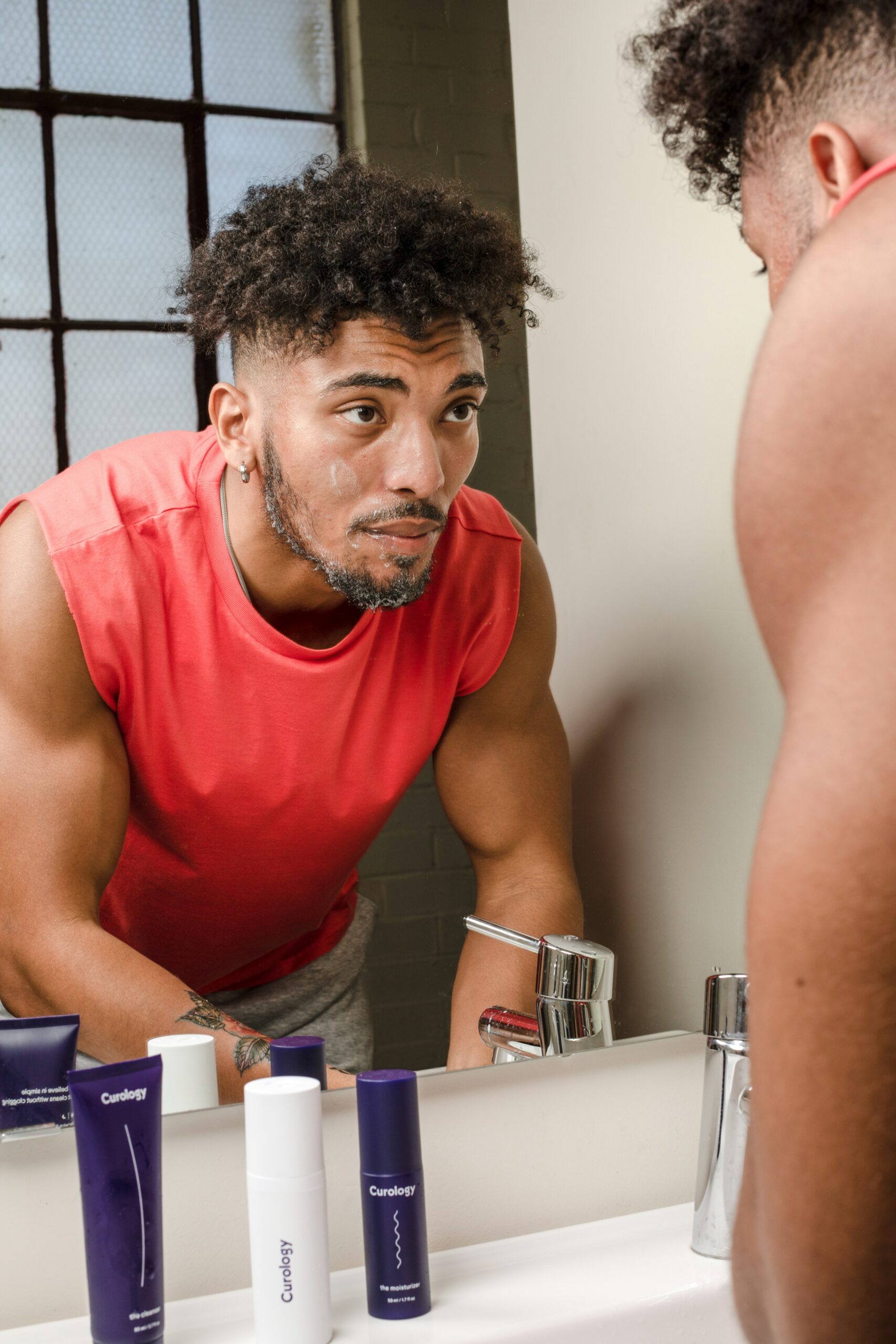
The effects of poor sleep extend far beyond eye bags. While you sleep—particularly during the deeper stages of the sleep cycle—your skin shifts into repair mode. During this time, your body produces collagen, repairs cellular damage, and strengthens the skin barrier that protects your face from everyday environmental stress.
Collagen is the structural protein responsible for keeping skin firm, smooth, and resilient. When you consistently cut your sleep short, collagen production declines, reducing your skin’s elasticity and making fine lines and wrinkles appear sooner.
At the same time, your skin barrier begins to weaken. Without sufficient overnight repair, your skin struggles to retain moisture, leading to dryness, irritation, and a dull complexion. This weakened barrier also leaves your skin more vulnerable to pollution, inflammation, and breakouts, all of which can accelerate the visible signs of aging.
Even the most expensive skincare products have limited benefits if your body isn’t getting the restorative sleep it needs. Your skin depends on those uninterrupted hours of rest to regenerate healthy cells, repair damage, and rebuild its natural defenses.
Ultimately, healthy, youthful-looking skin begins with quality sleep. By making consistent, restorative rest a priority, you support your body’s natural repair processes, reduce puffiness, strengthen your skin barrier, and maintain a brighter, more vibrant complexion. Think of sleep not as lost time but as one of the most effective investments you can make in your overall appearance and long-term skin health.
Advanced Sleep Nutrition: Supporting the Nighttime Repair Process
Because much of the body’s repair work happens overnight, the nutrients you consume in the hours leading up to sleep can meaningfully influence how well you recover. As a result, optimising your pre-sleep nutrition helps support your body’s repair processes, influencing everything from sleep depth to tissue regeneration.
When digestion is overloaded by heavy, high-fat meals late at night, the body remains in a prolonged state of metabolic activity. This can interfere with the natural drop in core body temperature required for deep, restorative sleep. By contrast, a more intentional evening meal helps the body transition more smoothly into slow-wave sleep, where the most intensive repair work occurs.
Certain nutrients may also help support this overnight recovery window. Magnesium bisglycinate promotes nervous system relaxation and helps prepare the body for deeper, more restorative sleep. Natural sources of melatonin, such as tart cherry juice, may help reinforce circadian signalling and improve sleep quality. Meanwhile, slow-digesting proteins such as casein provide a sustained release of amino acids throughout the night, supporting continuous tissue repair and recovery.
When properly aligned, evening nutrition becomes more than preparation for sleep—it becomes a catalyst for recovery. The result is not only improved rest but also a more efficient overnight repair cycle that supports both physical recovery and long-term performance.
How to Fix Your Sleep Schedule: A 72-Hour Reset Protocol
Once you understand how nutrition supports sleep, the next step is building behavioural habits that reinforce it. A consistent schedule lays the foundation for quality sleep, but your environment ultimately determines how deeply you recover. Even strong habits can be undermined by a bedroom that works against your biology.
If your sleep routine is severely disrupted, a short, structured reset can help restore your natural rhythm.
Day One: Reset Your Internal Clock
Commit to waking up early regardless of how tired you feel. As soon as you wake, expose yourself to natural sunlight for at least 15 minutes. This early-morning light helps suppress melatonin and signals your body to reset its internal clock. Throughout the day, avoid naps, no matter how fatigued you become.
Day Two: Optimise Your Sleep Environment
On the second night, shift your focus to your sleep environment. Keep your bedroom completely dark, quiet, and cool. A lower room temperature supports the natural drop in core body temperature that occurs during deep sleep.
At the same time, pay attention to your sleep posture. Side sleeping may help keep the airways open and reduce the likelihood of snoring or breathing disruptions, particularly for some individuals.
Day Three: Reinforce the New Rhythm
By the third day, your body should begin adapting to its new rhythm. Maintaining proper spinal alignment during sleep may also help reduce morning stiffness and support more consistent airflow throughout the night.
If you suspect sleep apnea or experience persistent breathing problems while sleeping, seek a professional evaluation. Identifying and treating underlying airway issues can significantly improve both sleep quality and daytime energy.
Environmental Engineering: Designing the Ultimate Sleep Sanctuary
Your bedroom should function as a dedicated recovery space: quiet, dark, and optimised for deep sleep. Blackout curtains are essential for blocking external light pollution, as even small light leaks can interfere with melatonin production. In addition, remove blinking electronics and chargers from direct view to minimise the subtle visual stimulation that keeps the brain alert.
Beyond light control, both air quality and sound play major roles in sleep quality. A white noise machine can help mask unpredictable external sounds, while a humidifier may help prevent dry airways and reduce nighttime irritation. Investing in a supportive mattress also contributes to proper spinal alignment and overall recovery.
When these environmental factors are optimised together, your body transitions more smoothly into restorative sleep.
The New Luxury Is Eight Hours
Consistent, sufficient sleep has become one of the clearest markers of long-term health and performance. In a world that often rewards overwork, protecting eight hours of rest is increasingly a discipline of its own.
The 2026 Sleep Audit: Measuring Recovery for Long-Term Vitality
Sustained physical performance requires regular, honest evaluation of your sleep quality. Treat your sleep data with the same seriousness as your training metrics. Wearable devices can help you monitor sleep consistency, particularly the amount of deep sleep you get each night.
If your deep sleep consistently falls below optimal levels, adjust your environment or routine rather than ignoring the trend. Small corrections made early can help prevent the gradual accumulation of fatigue and support long-term performance.
Ultimately, long-term vitality depends on consistent, high-quality rest. Caffeine and supplements cannot compensate for chronic sleep debt. Addressing fatigue at its source supports muscle recovery, healthier-looking skin, and more stable energy levels.
Embracing the Restorative Mindset for Complete Physical Performance
Mastering sleep is one of the most reliable ways to improve physical performance and everyday function. True progress depends on balancing intense training with equally intentional recovery. Without adequate rest, neither your physique nor your cognitive performance can reach its full potential.
When sleep improves, nearly every system benefits. Energy levels stabilise, strength increases, posture improves, and mental clarity sharpens. By treating sleep as a core pillar of performance rather than an afterthought, you create a stronger foundation for everything else you do.
Commit to consistent, high-quality rest, and the benefits will compound over time, enhancing your physical performance, mental resilience, and overall well-being.
Featured image: Yuliia Kaveshnikova/iStock
—Read also
The post <em>The Men’s Guide to Better Sleep:</em> Muscle Growth, Recovery, and Peak Performance appeared first on Style Rave | The Ultimate Style Guide.