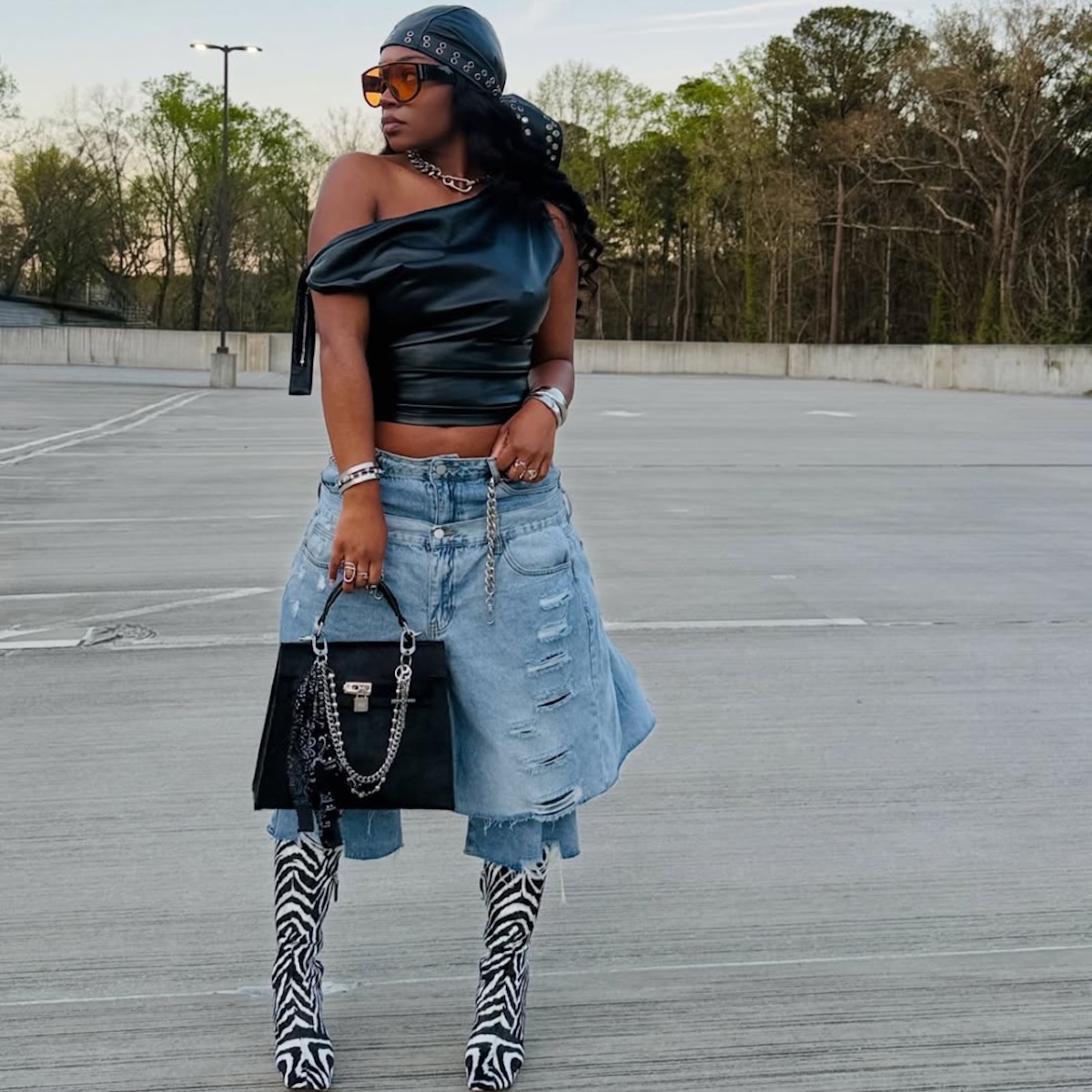
Fashion rarely moves in a straight line. It circles, returns, and reinvents itself in ways that feel at once familiar and entirely new. What once seemed outdated quietly resurfaces, reshaped to meet the present moment. Now, that pattern is unmistakable: nostalgia is no longer a subtle influence; it is a defining force.
Importantly, nostalgia in fashion is never arbitrary. It is shaped by emotion, culture, and identity. In a world that moves at relentless speed, familiar silhouettes offer a sense of grounding. They carry history and meaning, extending beyond aesthetics into something more personal. Yet this is not about replication. It is about reinterpretation, where designers and consumers alike merge past and present to create something that feels both recognizable and relevant. That tension is precisely what keeps nostalgia alive.
To understand why nostalgia continues to return, you have to look beyond trends and examine what is shaping fashion now.
Nostalgia Has Become A Strategy, Not Just Inspiration
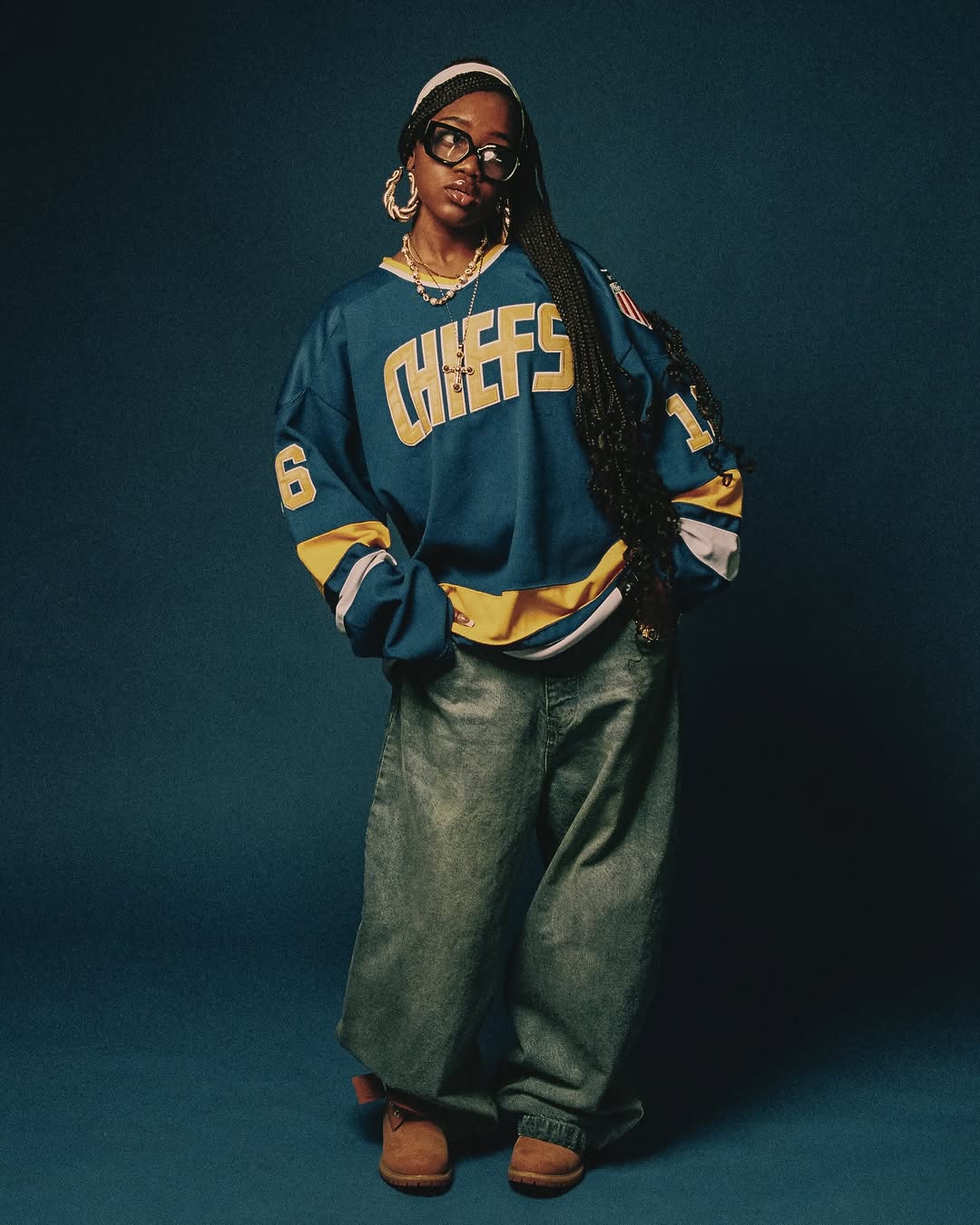
Fashion has moved beyond simply referencing earlier decades. Today, brands actively mine their archives, reviving pieces that already carry cultural weight. Labels like Diesel have leaned into early-2000s aesthetics—low-rise cuts, micro silhouettes, and bold, body-conscious styling that once defined the Y2K era.
Crucially, these pieces are not reproduced verbatim. They are refined, recontextualized, and styled for a new audience. The strategy is as practical as it is cultural: familiarity reduces risk. Rather than introducing something entirely foreign, brands repackage what audiences already understand. In this sense, nostalgia becomes a shortcut to relevance.
Nostalgia Creates Emotional Connection
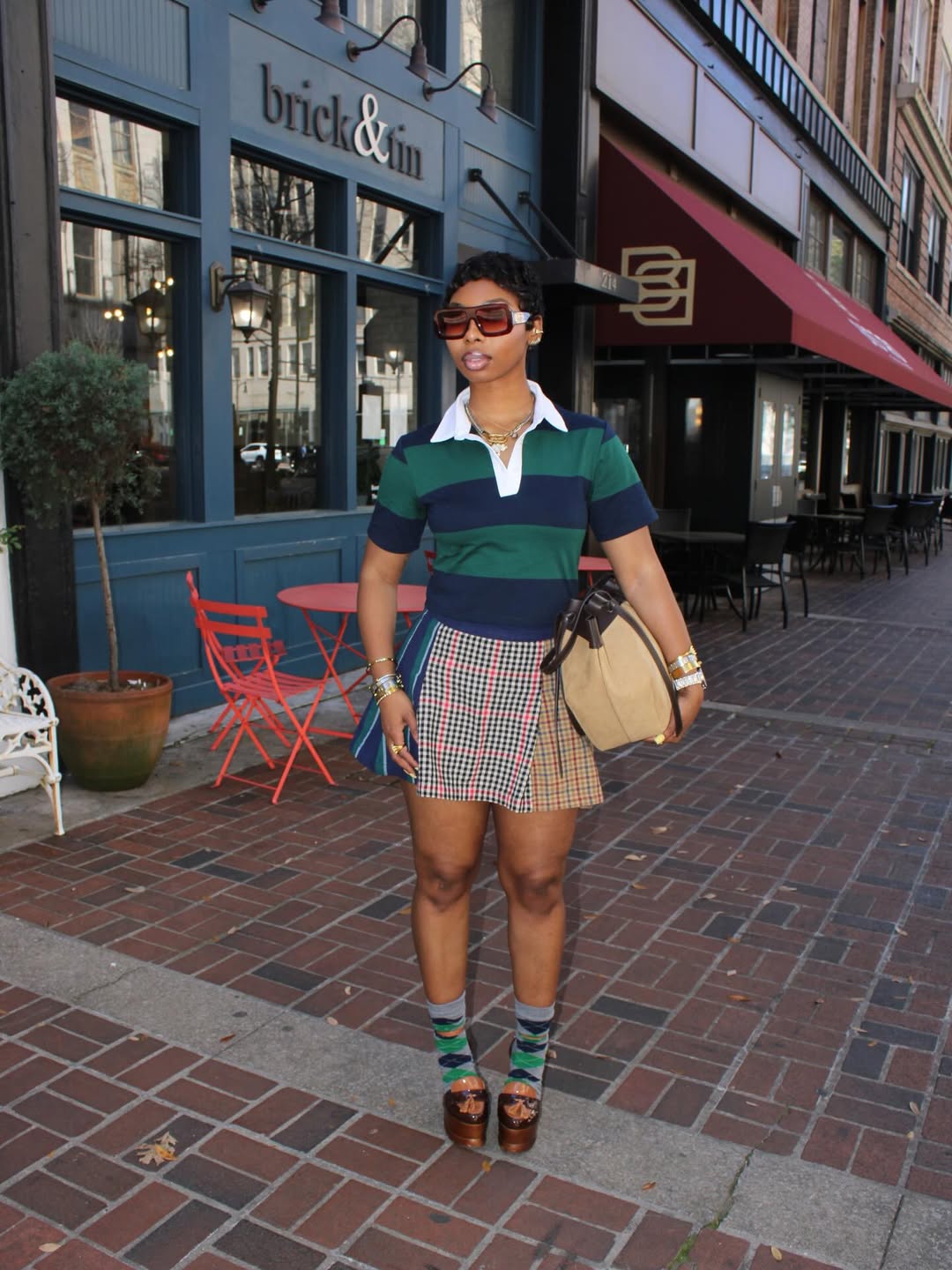
Fashion has always been personal, but nostalgia deepens that connection. When people wear styles inspired by the past, they are often reconnecting with memories, experiences, or even emotions tied to a specific time.
Think of the soft minimalism of the 90s, the bold and expressive energy of early 2000s fashion, or the relaxed silhouettes that echo earlier decades. These styles do more than look good; they evoke feelings. They carry memory and cultural weight, extending beyond aesthetics into something more personal and enduring.
This emotional pull is especially strong. As trends move faster than ever, people are turning to styles that feel familiar. Nostalgia becomes a way to slow things down, offering comfort in a fast-moving world while still allowing self-expression.
Fashion Reflects Cultural Anxiety
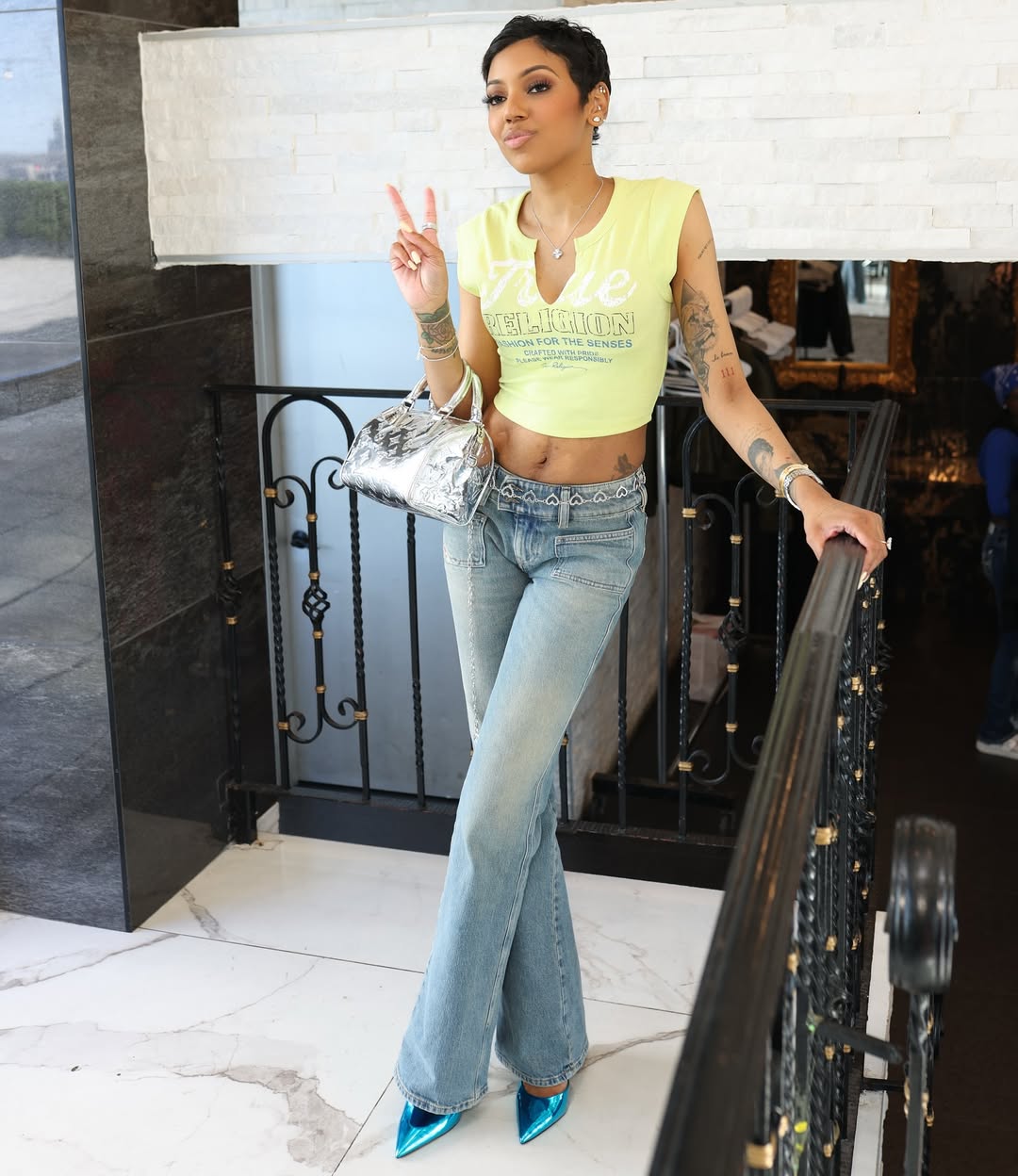
Nostalgia is not just about style—it reflects how people feel. In periods of uncertainty, whether economic, social, or digital, people often turn to what feels familiar. Fashion becomes a way to regain a sense of control. Familiar silhouettes are easier to understand, easier to wear, and less risky.
This is why minimalist aesthetics continue to return, often associated with designers like Calvin Klein, whose work defined simplicity in earlier decades. Clean lines and understated pieces feel stable in contrast to the unpredictability of modern life. Nostalgia offers comfort, but it also offers clarity.
Fashion Moves In Cycles—But Faster Than Before
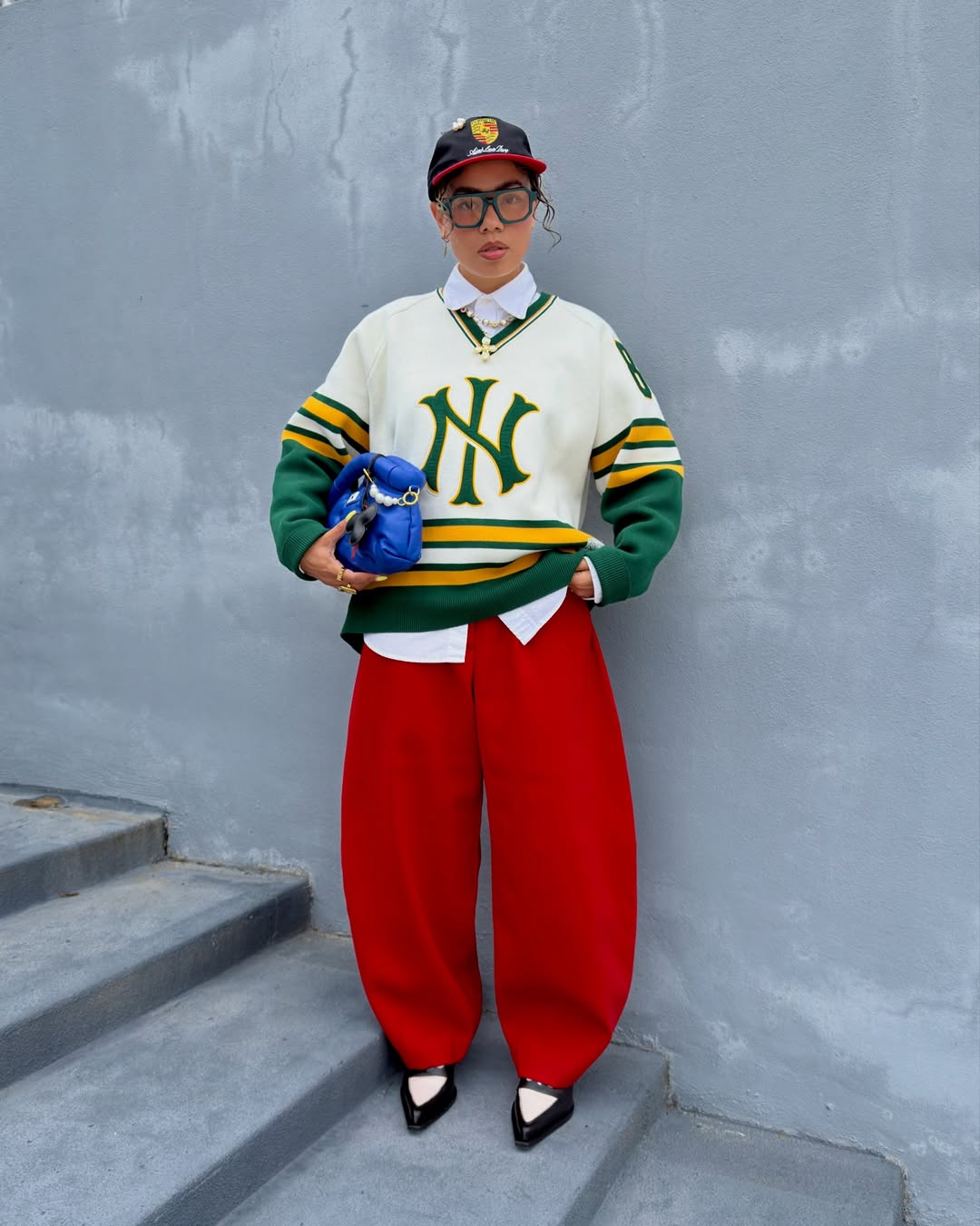
One of the most important reasons nostalgia keeps returning in fashion is that fashion itself is cyclical. Trends are rarely created from scratch; they are often inspired by what has come before. Designers revisit past decades to draw inspiration from silhouettes, fabrics, and styling ideas. These elements are then refined and reintroduced through a modern lens, reshaped just enough to feel familiar yet newly relevant. What was once considered “old” becomes new again, but with subtle updates that make it relevant.
For example, trends like low-rise jeans have made a comeback, with brands such as Miu Miu reintroducing early 2000s aesthetics into modern collections. These trends return not exactly as they were, but in evolved forms that align with today’s preferences. This cycle keeps fashion dynamic. Instead of repeating itself, it evolves through reinterpretation, allowing nostalgia to remain a constant source of creativity.
Gen Z Didn’t Live It—That’s The Point
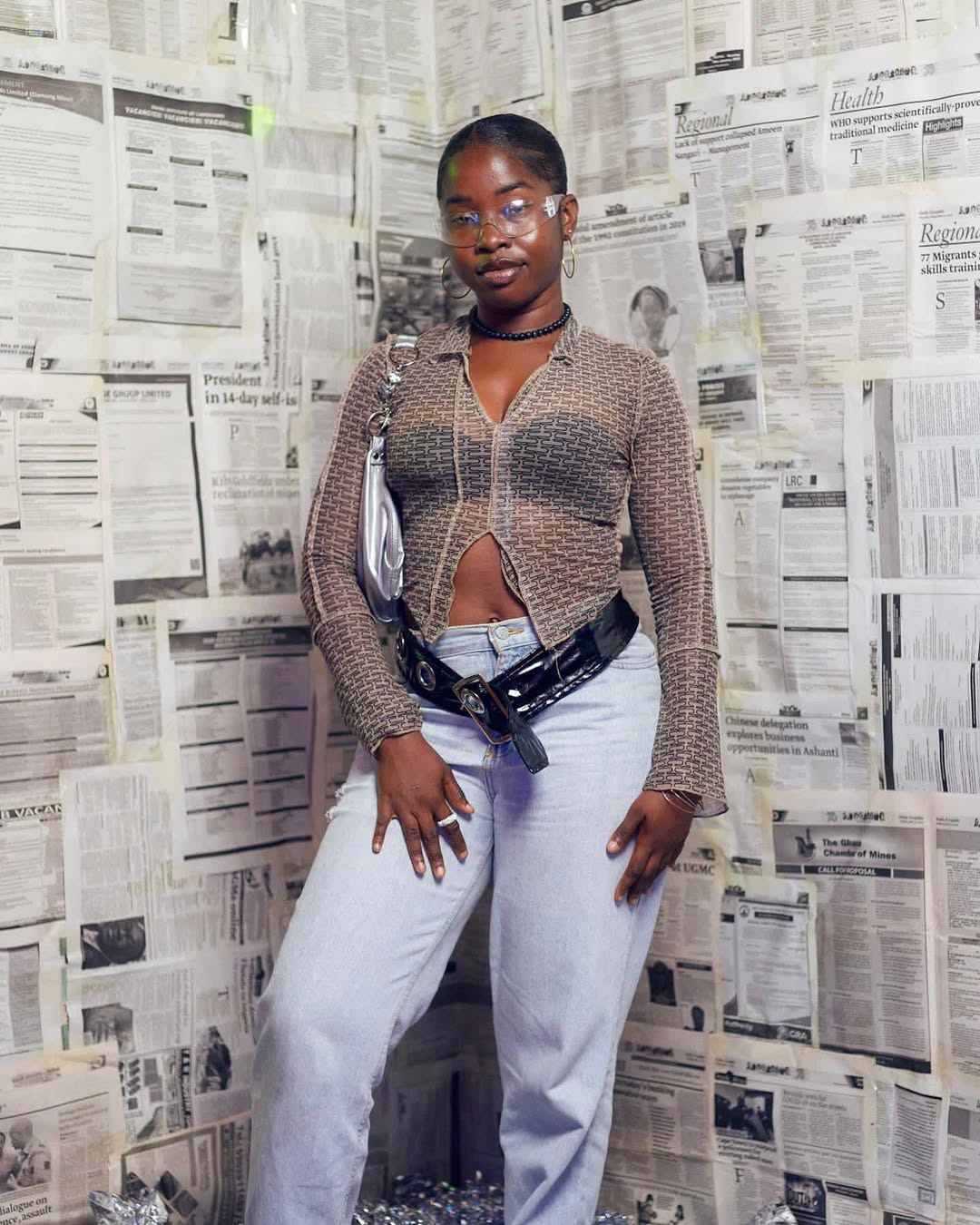
One of the most compelling aspects of nostalgia today is who is driving it. Much of the current revival is led by a generation that did not experience these eras firsthand.
For Gen Z, ’90s minimalism and Y2K maximalism feel new. Through thrift culture and secondhand platforms, original pieces are rediscovered and reinterpreted. Styling, rather than strict replication, becomes the focus, mixing vintage with contemporary in ways that feel instinctive rather than prescribed.
Here, nostalgia shifts from memory to discovery. Platforms like TikTok and Instagram accelerate this process, turning archival aesthetics into everyday references.
Pop Culture Keeps The Past In Circulation
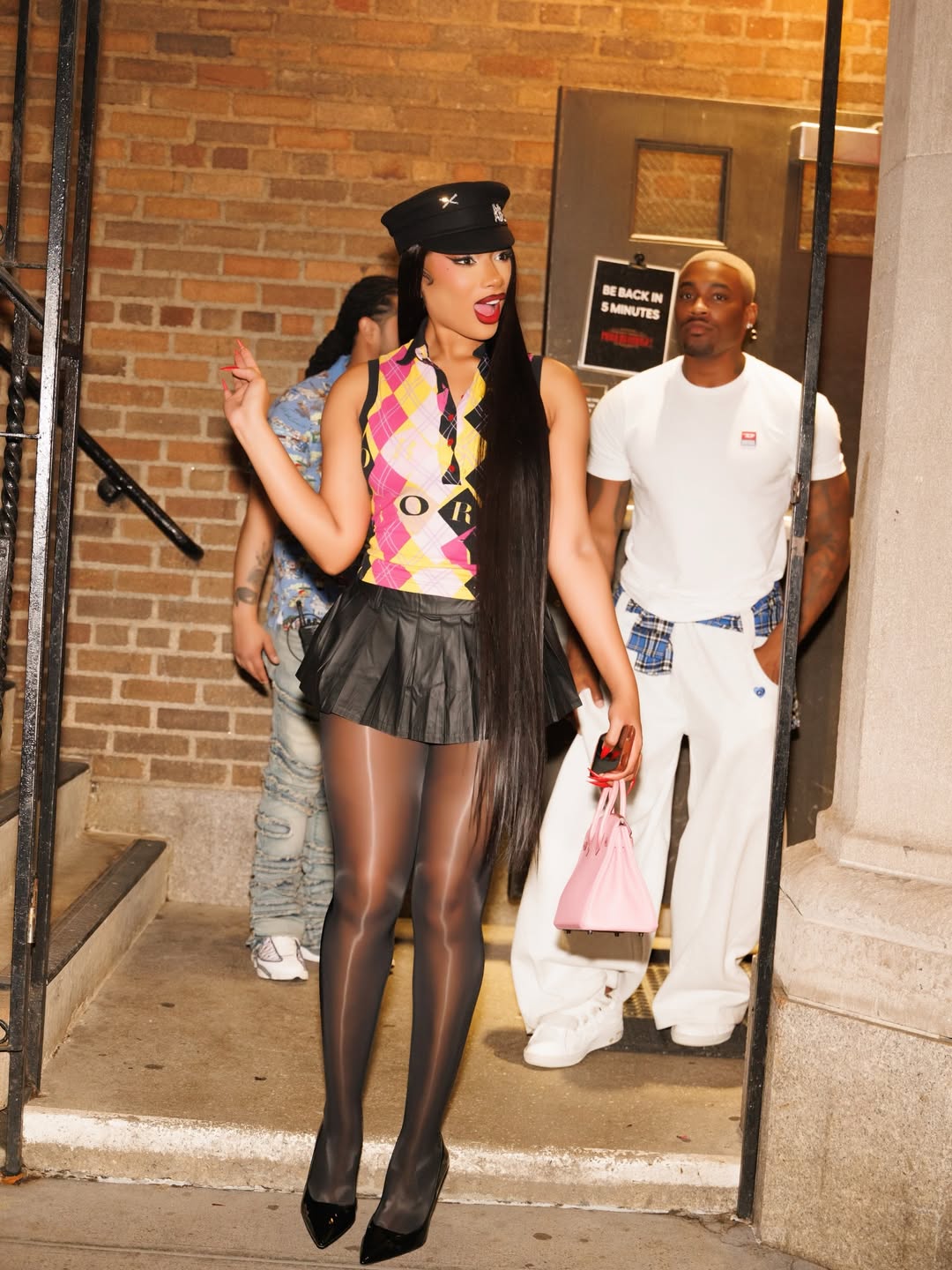
Fashion and pop culture have always moved in tandem, and this relationship continues to fuel nostalgia’s return. Film, music, and digital media consistently revisit past eras, reintroducing their aesthetics to new audiences.
Figures like Megan thee Stallion, Bella Hadid, and Zendaya have played a visible role in this revival, regularly incorporating retro references into their wardrobes. Their influence does more than spotlight nostalgia—it normalizes it, positioning it firmly within the present. In this way, pop culture acts as a bridge, ensuring the past remains in constant circulation.
Nostalgia Feels Stable In A Fast-changing World
Trends change quickly. What is popular today may feel outdated tomorrow. In this constant cycle of change, nostalgia offers something different—stability. Familiar styles feel safe. They are already understood, already accepted, and often easier to wear. This makes them appealing in a world where new trends can feel overwhelming or uncertain.
In this space, participation in fashion becomes less about constant reinvention and more about return—an ongoing reliance on silhouettes that have already proven their longevity.
Sustainability Is Quietly Reinforcing Nostalgia
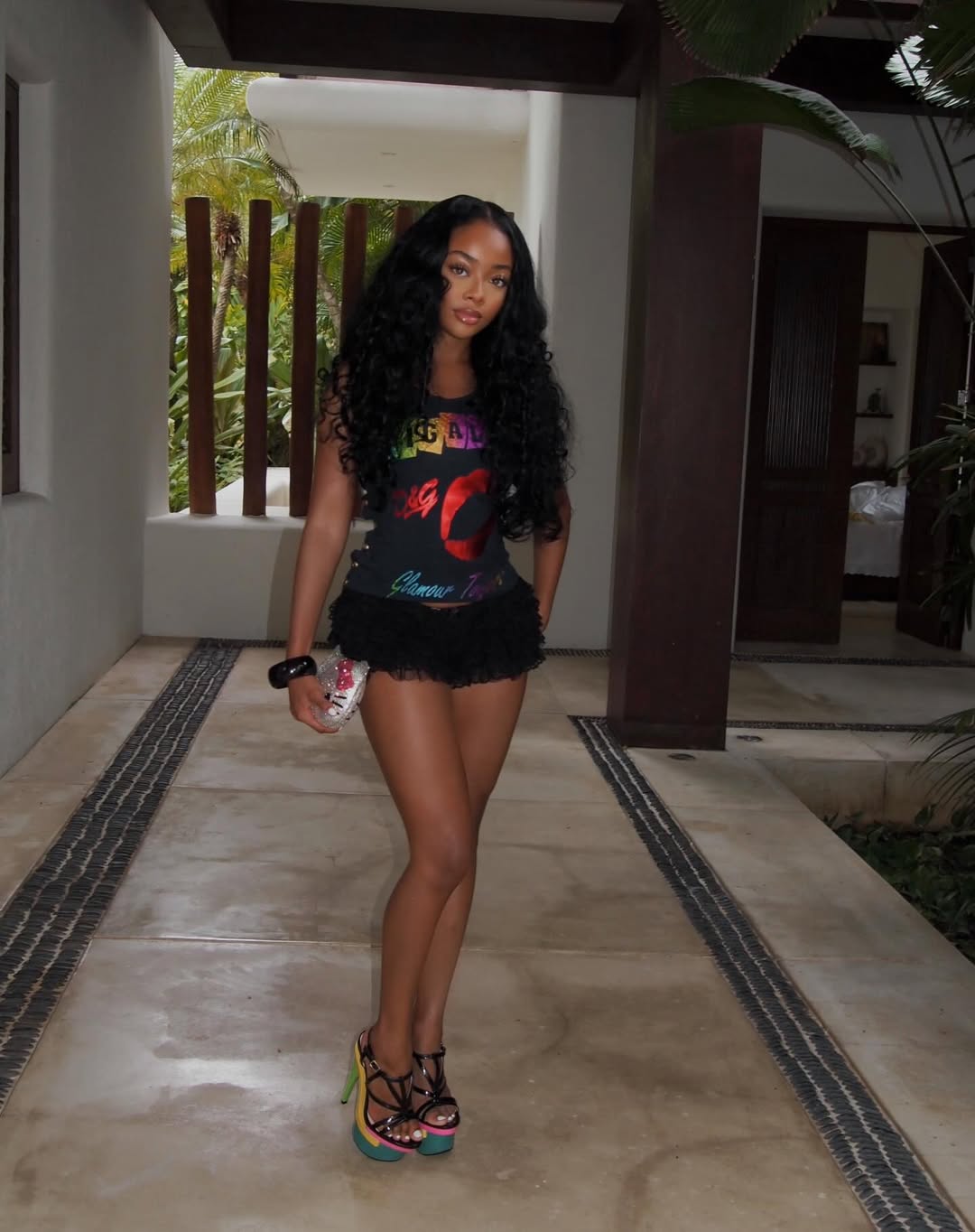
Sustainability is another important factor shaping why nostalgia keeps returning in fashion. As awareness of environmental impact grows, more people are choosing to reuse and recycle clothing rather than continuously buying new items. This shift has increased interest in vintage fashion and second-hand shopping.
By wearing older pieces, people extend the life of clothing and reduce waste. At the same time, they engage with existing styles, naturally bringing nostalgic fashion back into circulation. Thrift platforms and resale markets have grown rapidly, encouraging consumers to view clothing as something to reuse rather than replace.
The Algorithm Is Rewriting Fashion Cycles
Fashion used to follow a predictable rhythm, often returning to past trends every two decades. That cycle has now accelerated. Platforms like TikTok and Instagram have changed how trends spread. A single video can revive an entire aesthetic overnight, bringing past styles back into mainstream attention.
What this means is that nostalgia is no longer something that “returns” occasionally. It is constantly being recycled, reshaped, and reintroduced at a much faster pace. The past is no longer distant; it is always within reach.
But Is Nostalgia Limiting Creativity?
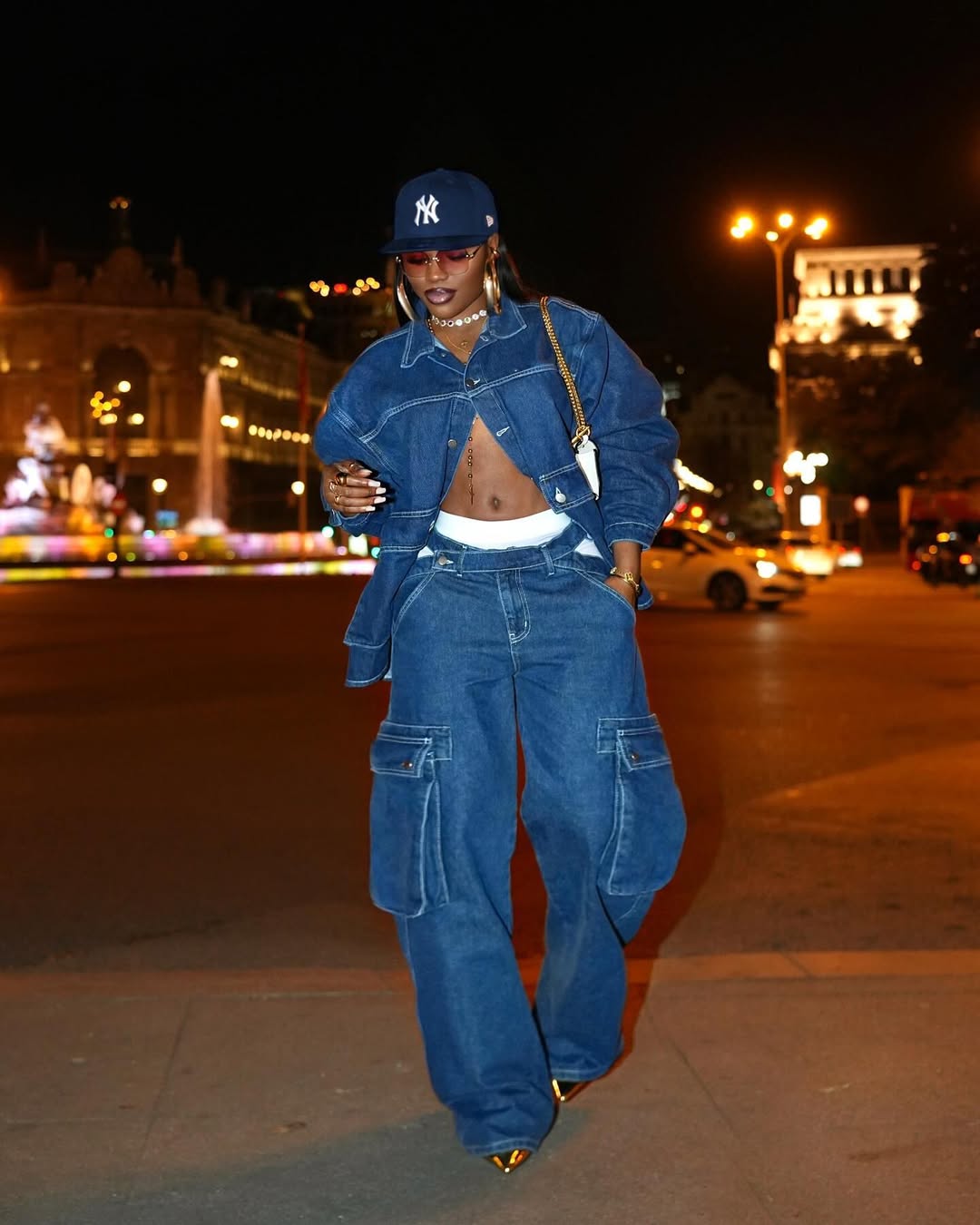
When designers repeatedly return to earlier decades, it can begin to feel less like inspiration and more like repetition. The constant revival of familiar styles may limit the space for entirely new ideas to emerge.
At the same time, fashion has always evolved through reinterpretation. What feels repetitive to some can feel innovative to others, depending on how it is styled and presented. Nostalgia, then, sits in a complex position. It is both a source of creativity and a potential constraint.
Conclusion: Fashion Moves Forward By Looking Back
Nostalgia has become one of fashion’s most defining forces. It is no longer simply a reference point but a framework through which fashion understands itself, linking memory, identity, and reinvention across generations. It allows fashion to feel both timeless and current, blending memory with modernity in a way that resonates across generations.
As long as people continue to seek meaning, identity, and connection through what they wear, nostalgia will remain a powerful and lasting force. In fashion, progress is rarely linear; it is built through return, revision, and the quiet persistence of the past.
Featured Image: @dyeshajador/Instagram
The post The Real Reasons Nostalgia Keeps Returning In Fashion appeared first on Style Rave | The Ultimate Style Guide.