Luxury has always been about access—who can afford it, who can obtain it, and who can display it. For decades, it existed firmly in the material realm: designer wardrobes, first-class cabins, rare watches, and exclusive addresses. However, something fundamental has shifted. Today, the most coveted form of luxury is no longer instantly visible; it is something you experience: wellness.
In fact, wellness has quietly taken center stage as the new marker of status. Not as a passing trend, but as a deeper cultural reset. In a world defined by speed, noise, and constant connectivity, the ability to be well (mentally, physically, and emotionally) has become increasingly rare, and therefore, increasingly valuable.
The Shift From Material Wealth Toward Personal Well-being
The definition of success is evolving. Where luxury once suggested excess, it now signals control—control over time, energy, health, and peace of mind. As global uncertainty rises, burnout culture intensifies, and awareness of mental health deepens, priorities are being reassessed.
As a result, affluent consumers are no longer investing solely in what they can own, but in how they can sustain themselves. Energy, clarity, and longevity have emerged as the new assets of value. In this context, wellness becomes aspirational because it represents something money alone cannot fully secure; it requires discipline, awareness, and intention.
Among high-performing individuals, the message is increasingly clear: success without wellbeing is unsustainable. Balance is no longer optional; it is essential.
Wellness as a Lifestyle, Not a Trend
What distinguishes today’s wellness movement from past health fads is its level of integration. Rather than being confined to occasional spa visits or short-lived fitness goals, wellness is now embedded in daily life.
For instance, homes are being designed with intention, prioritizing natural light, clean air, and calm environments. Similarly, travel has evolved from simple escapism into restoration, with itineraries centered on rest, nature, and digital detox. Even social dynamics are shifting, with greater emphasis on empathy, attentiveness, and authentic connection.
In this way, wellness is no longer a category. It is a framework through which life is structured.
The Rise of Personalized Wellness
Much like luxury fashion transitioned from mass production to bespoke craftsmanship, wellness is now following a similar path toward customization. One-size-fits-all solutions no longer resonate with a more informed and discerning audience.
Instead, today’s wellness landscape is defined by personalization. From nutrition plans tailored to individual biology to private coaching, sleep optimization, and cognitive performance strategies, every element is increasingly customized. Even longevity practices are becoming more precise and data-driven.
Consequently, this level of individualization reinforces wellness as a form of luxury. It is not just about access to resources, but about knowledge, and the discipline to apply it consistently.
Mental Wellness Takes Center Stage
Perhaps the most significant shift within this space is the growing emphasis on mental health. Once overlooked, it is now central to the conversation around modern success.
Practices such as meditation, breathwork, journaling, and setting digital boundaries have become widely embraced. For entrepreneurs, creatives, and leaders, mental clarity is no longer a bonus—it is a competitive advantage.
Moreover, in a culture that glorifies constant busyness, stillness has become rare. And that rarity transforms it into a form of quiet luxury.
Redefining Beauty Through Wellness
As wellness reshapes lifestyles, it is also redefining beauty. The focus is shifting away from perfection and toward vitality. Skin health, posture, energy, and confidence are now valued more than artificial enhancements or quick fixes.
Accordingly, luxury beauty is evolving to prioritize longevity through skincare, nutrition, hydration, and holistic care. The goal is no longer to conceal age, but to age well. This reflects a broader cultural move toward authenticity, where appearance is seen as an extension of internal well-being rather than a mask.
In essence, wellness-driven beauty is less about transformation and more about alignment.
Time as the Ultimate Luxury
At the core of wellness lies one of the most powerful status symbols of all: time. True wellbeing requires time—for rest, movement, reflection, and care. Yet in an always-on world, time is increasingly scarce.
Therefore, those who prioritize wellness signal something deeper: autonomy. They set boundaries, slow down, and intentionally choose how to spend their energy. This level of control is inherently aspirational.
Unlike traditional luxury, which often seeks visibility, wellness operates with subtlety.
The Societal Signal of Wellness
Wellness communicates status in a far more understated way than material goods ever could. It reveals itself through composure, consistency, and energy. It is evident in how someone manages stress, carries themselves, and connects with others.
This subtle signaling aligns with a broader cultural shift toward discretion and authenticity. Increasingly, people are moving away from overt displays of wealth and toward indicators of self-respect and long-term thinking.
In this sense, wellness is both deeply personal and inherently social—an internal investment with visible impact.
Gen Z and the New Definition of Indulgence
Younger generations, particularly Gen Z, are accelerating this transformation. For them, wellness is not just maintenance—it is a form of indulgence, positioned at the intersection of health, identity, and social capital.
Research indicates that Gen Z consumers are spending more on wellness than previous generations, prioritizing both quality and credibility. They approach it as “maximalist optimizers,” seeking continuous improvement across physical, mental, and emotional dimensions.
However, this mindset introduces complexity. The pressure to be well, often amplified by social media and conflicting advice, can lead to fatigue. For some, wellness begins to feel less like freedom and more like an obligation.
As a result, this tension is shaping the next phase of wellness, where balance, simplicity, and joy are valued just as much as optimization.
The Future of Luxury Is Wellbeing
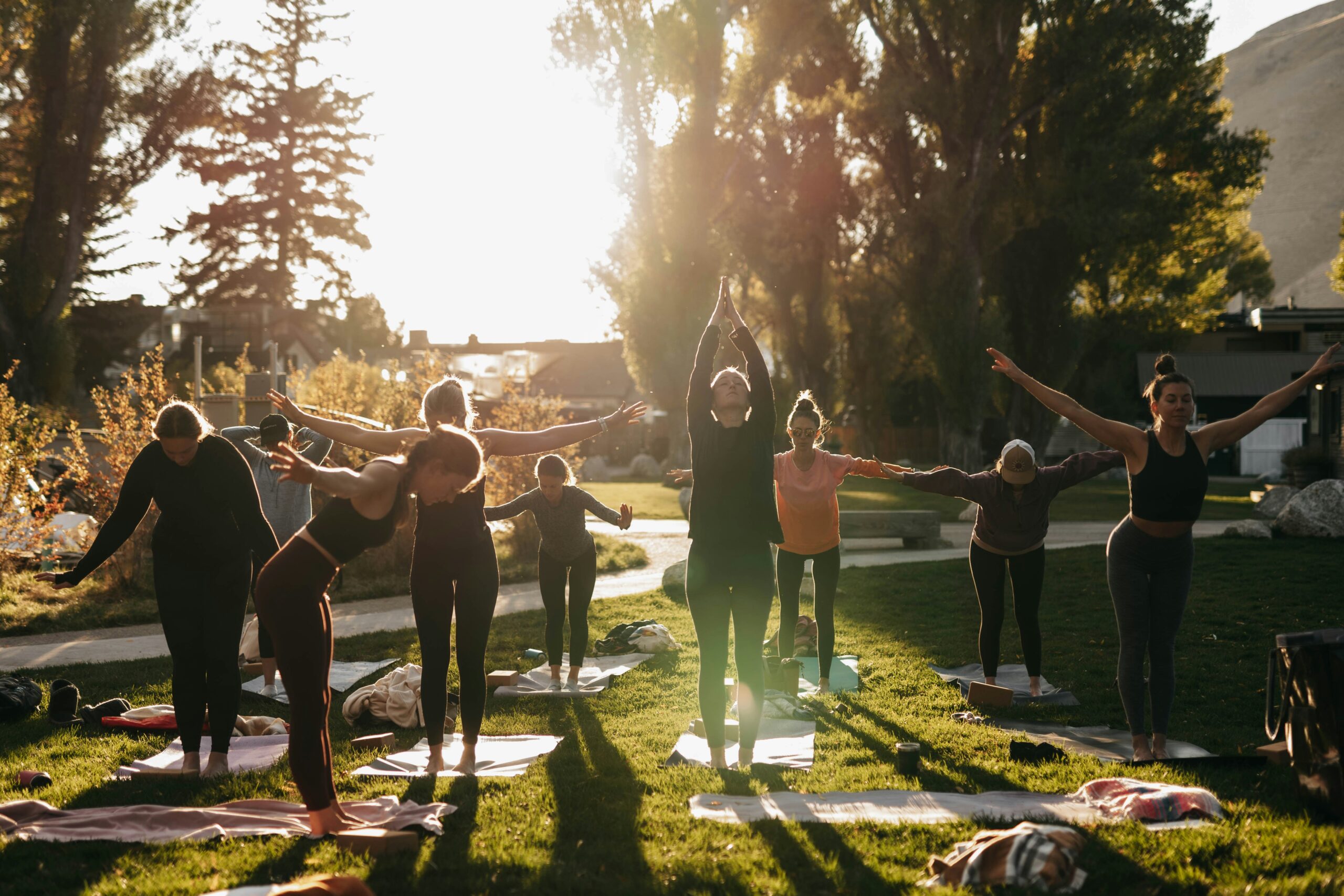
As the wellness economy continues to expand, its influence on luxury will only deepen. Brands that once focused solely on products are now being pushed to create experiences, environments, and ecosystems that support holistic wellbeing.
Ultimately, the cultural shift is undeniable. Luxury is no longer about escaping life through excess—it is about sustaining it through intention.
Wellness is not indulgence; it is an investment in clarity, resilience, and longevity.
And in a world that moves relentlessly fast, where attention is constantly divided, the ability to feel grounded, healthy, and at peace may be the most powerful luxury of all.
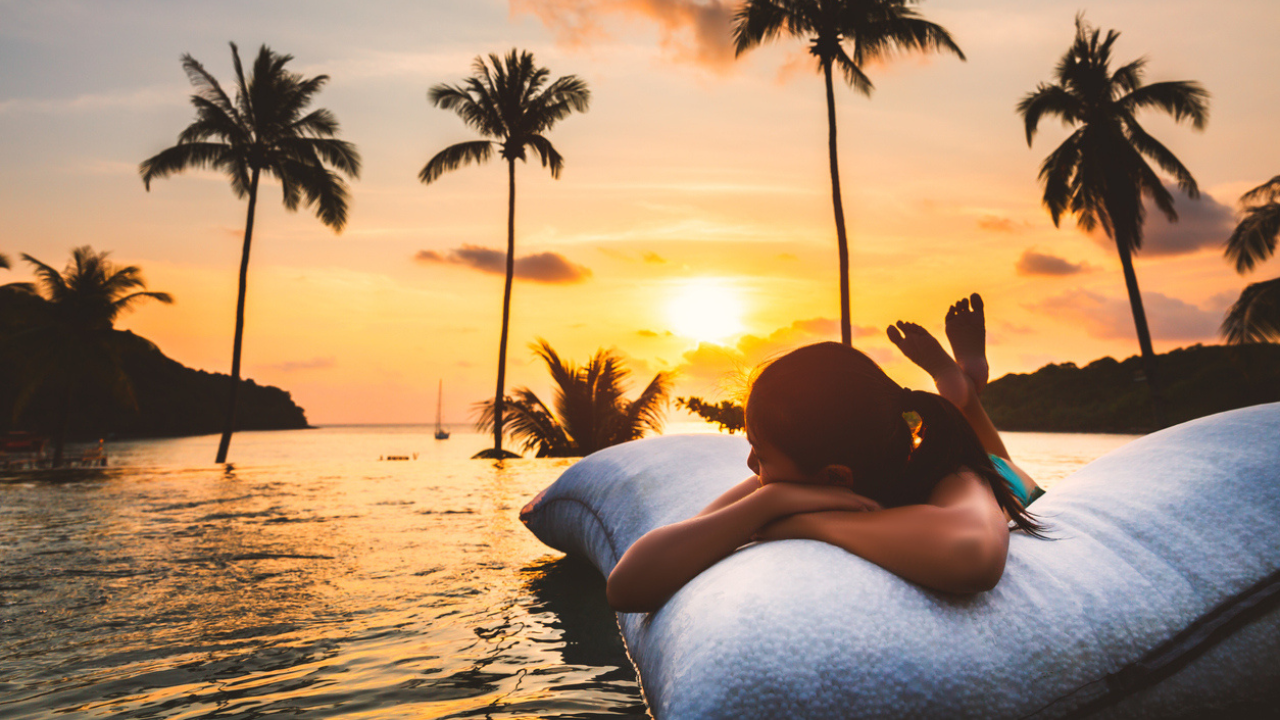
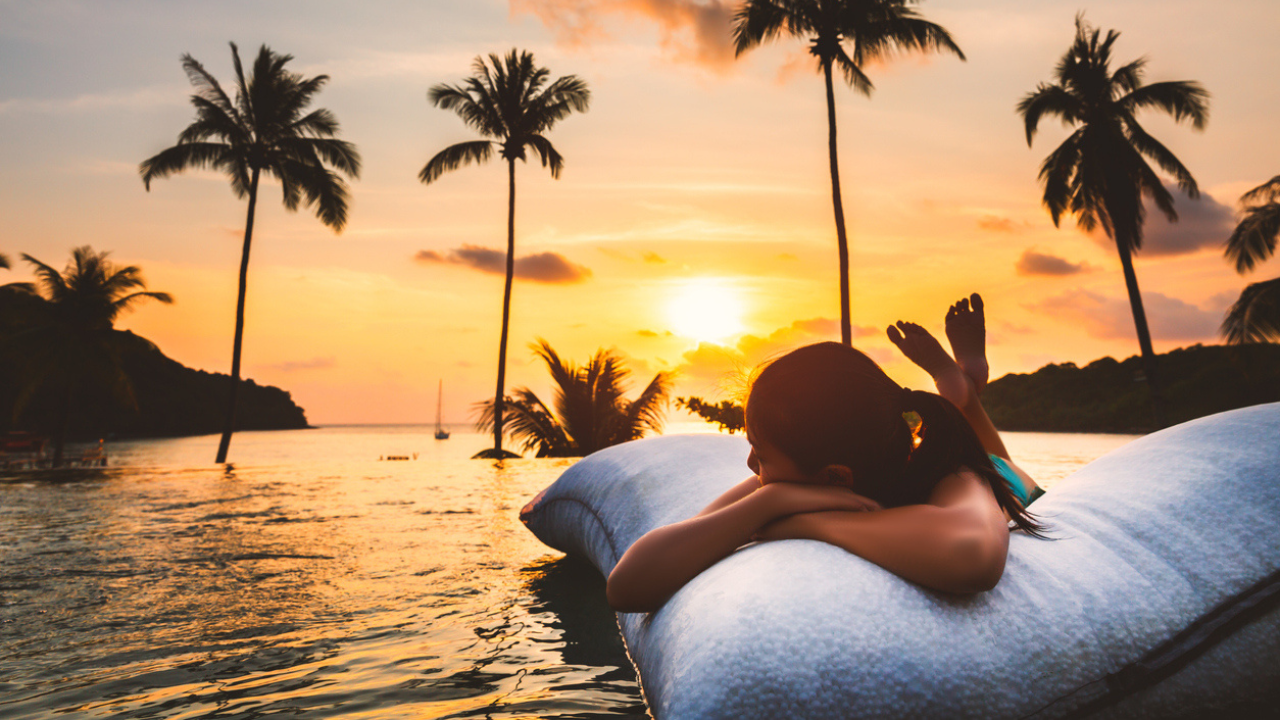
Featured image: Peera_Sathawirawong/iStock
Medical Disclaimer
All content found on the Style Rave website, including text, images, audio, video, and other formats, is created for informational purposes only. The content is not intended to be a substitute for professional medical advice, diagnosis, or treatment. If you think you may have a medical emergency, please call your doctor, go to the nearest hospital, or call 911 immediately, depending on your condition.
—Read Also
The post The Rise Of Wellness As The Ultimate Status Symbol appeared first on Style Rave | The Ultimate Style Guide.