Nobody is being serious anymore, and that’s exactly why everything suddenly matters more. Scroll any feed long enough, and you’ll notice it: humor has flattened, stretched, and fractured into something stranger. The jokes don’t resolve. The tone doesn’t settle. Meaning feels optional. This is unserious content, and it has quietly become the dominant language of the internet.
What looks chaotic on the surface is anything but accidental. Unserious content isn’t a collapse of standards or a decline in creativity; it’s an adaptation. A way of speaking that trades clarity for resonance, structure for immediacy, and punchlines for shared recognition. In a world that feels increasingly unstable, the most honest response isn’t polished commentary. It’s absurdity that mirrors the moment.
Why Is Everything So Deliberately Unhinged?

Here’s what nobody wants to say: unserious content isn’t random. It isn’t lazy. It isn’t a sign of cultural decline. It’s a survival language. Unserious humor allows people to cope without denial, laugh without lying, and share discomfort without full confession. Audiences are no longer looking for clever punchlines or clean comedy. They’re looking for release, distance, and emotional relief through humor that refuses to take anything too seriously.
Humor today is no longer just entertainment. It’s an emotional coping infrastructure.
The world is a lot right now. The economy. The news cycle. The constant digital noise. The low-grade feeling that everything is slightly on fire, and everyone is pretending it isn’t. The rise of unserious content and darker, more esoteric humor reflects a cultural shift toward using memes as a coping mechanism for uncertainty. People aren’t laughing because everything is fine. They’re laughing because everything isn’t, and that may be the only sane response left.
What Unserious Content Actually Looks Like

It’s not just one format. It’s a whole grammar. Common features include intentionally low-effort visuals, erratic timing and jump cuts, anti-punchline structures, emotionless delivery, and irony layered on irony. Popular formats range from blank-faced reactions and sudden absurd endings to fake seriousness, overly dramatic narration of trivial moments, and deliberate nonsense.
Think: a 45-second video of someone intensely narrating the experience of making toast. A meme that references four other memes you needed to have seen to understand. A comment that has nothing to do with the original post, and somehow has 50,000 likes. Or a trending sound that started as one thing and mutated, through dozens of creators, into something completely unrecognizable and infinitely better.
If traditional jokes were novels, Gen Z humor is kinetic poetry—chaotic, ironic, absurd, and compressed. Trend cycles now evolve in hours, not days. By the time you explain the joke, it’s already outdated. That’s the point.
Why the Internet Actually Loves It
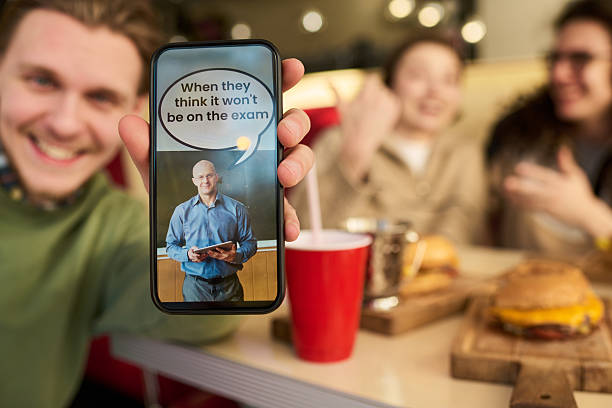
Unserious content is built on one powerful social dynamic: shared recognition. Absurd memes aren’t random accidents; they serve specific functions. They reflect the world Gen Z inherited: economic strain, political instability, climate anxiety, and nonstop digital noise. Traditional humor can feel too structured for that kind of uncertainty. Absurdity mirrors instability and makes it bearable. When you see a meme and think, this is so specific it feels like it was made for me—that’s the mechanism working perfectly.
Unserious content fosters belonging through shared exhaustion. It says: You’re not the only one who finds this all slightly absurd. We see it too. We’re laughing too. Pull up a chair. Even serious content has adapted. Deadpan news reactions, meme-style political commentary, satirical crisis coverage, ironic headlines, absurd explainer videos in 2026, seriousness alone no longer holds attention.
Brands Are Trying to Keep Up, Most Are Failing
View this post on Instagram
Here’s where it gets interesting for anyone building a brand or platform in 2026. Meme campaigns can achieve significantly higher organic engagement rates than traditional marketing content, and a growing share of consumers say they’re more likely to engage with, or even purchase from, brands that use humor effectively. The numbers are hard to ignore. But here’s the catch: authenticity is everything.
Successful meme marketing requires a genuine understanding of internet culture and audience humor. Forced attempts are spotted instantly, and rejected just as fast. The brands winning at unserious content—Duolingo, Ryanair, Wendy’s—aren’t doing it because a marketing deck told them to. They understand the language. They speak it fluently. And they know the one unforgivable sin of unserious content is trying too hard.
For African and diaspora brands, the opportunity is even more compelling. Nigerian internet humor, including dry wit, cultural specificity, and the layered absurdity of “Naija Twitter,” is already among the most sophisticated forms of unserious content globally. The brands that tap into it authentically, in the language their audience actually uses, will win. Those who import trends without understanding their context will get dragged. Respectfully. With memes.
The Bigger Cultural Signal
Unserious humor isn’t nihilism. It signals something more precise: lower trust in institutions, reduced belief in control, acceptance of uncertainty, emotional fatigue, and adaptive resilience. Instead of insisting everything will work out, audiences are saying: This is messy. And we’re still here.
That may be one of the most honest cultural expressions of this moment.
The funniest content online right now isn’t funny because the world is great. It’s funny because the world is a lot, and humor is how people process the gap between what they were promised and what they actually got.
Unserious content is serious business. It always was.
Featured image: ghariza mahavira/Unsplash+
The post Unserious Content Is Serious Business: <em>The Rise Of Humor Culture</em> appeared first on Style Rave | The Ultimate Style Guide.