The cultural script that equated success with status: the title, the salary, the visible markers of achievement, is losing its grip on a generation that has watched status accumulate without producing the satisfaction it promised. In 2026, connection will be the currency that matters most. A desire to feel like a part of something bigger than themselves is driving people toward brands, communities, and relationships that prioritize resonance over reach.
This is not a retreat from ambition. It is a more honest accounting of what actually produces wellbeing, motivation, and a life that feels worth living. The men navigating 2026 most successfully are not the ones with the most impressive credentials. They are the ones who have built genuine communities around shared values, mutual investment, and the kind of belonging that status cannot replicate.
The data on social connection makes this shift urgent rather than optional. The first Social Connection in America report, issued in late 2025, revealed vital facts about the high state of disengagement in the United States today, the limited time that people get together with their close friends, and how much Americans feel like they belong in their community.
A Pew Research Center survey of 6,204 adults found that men do seem to turn to their networks less often for social connection and emotional support compared with women. Men, specifically, are underperforming on the social connection metrics that predict long-term health, happiness, and resilience. The irony is that status-seeking often accelerates this isolation, the competitive orientation required to climb produces exactly the conditions that make genuine community harder to build and maintain.
Community Over Status: What the Research Confirms
The relationship between social connection and well-being is one of the most robustly documented findings in psychology and public health. Close and supportive social relationships play an important role in individuals’ adaptive functioning and well-being as they meet humans’ fundamental need for relatedness and belonging, according to a 2026 systematic review of social connectedness research. The inverse, isolation and disconnection, is associated with significantly elevated risks of depression, anxiety, cardiovascular disease, and premature mortality. These are not soft outcomes. They are structural health consequences that accumulate over the years.
The paradox of status-seeking is that it often corrodes the very social connections that produce the outcomes status is supposed to signal. A man spending sixty hours a week building professional credentials has less time and energy for the friendships, mentorships, and community involvements that actually sustain him.
When the achievement compounds, the isolation compounds alongside it. The men who recognize this pattern early enough to redirect their investment are the ones who arrive at midlife with both accomplishment and a genuine connection rather than accomplishment and a calendar full of professional contacts who would not notice if they disappeared.
The Micro-community as the New Status Signal
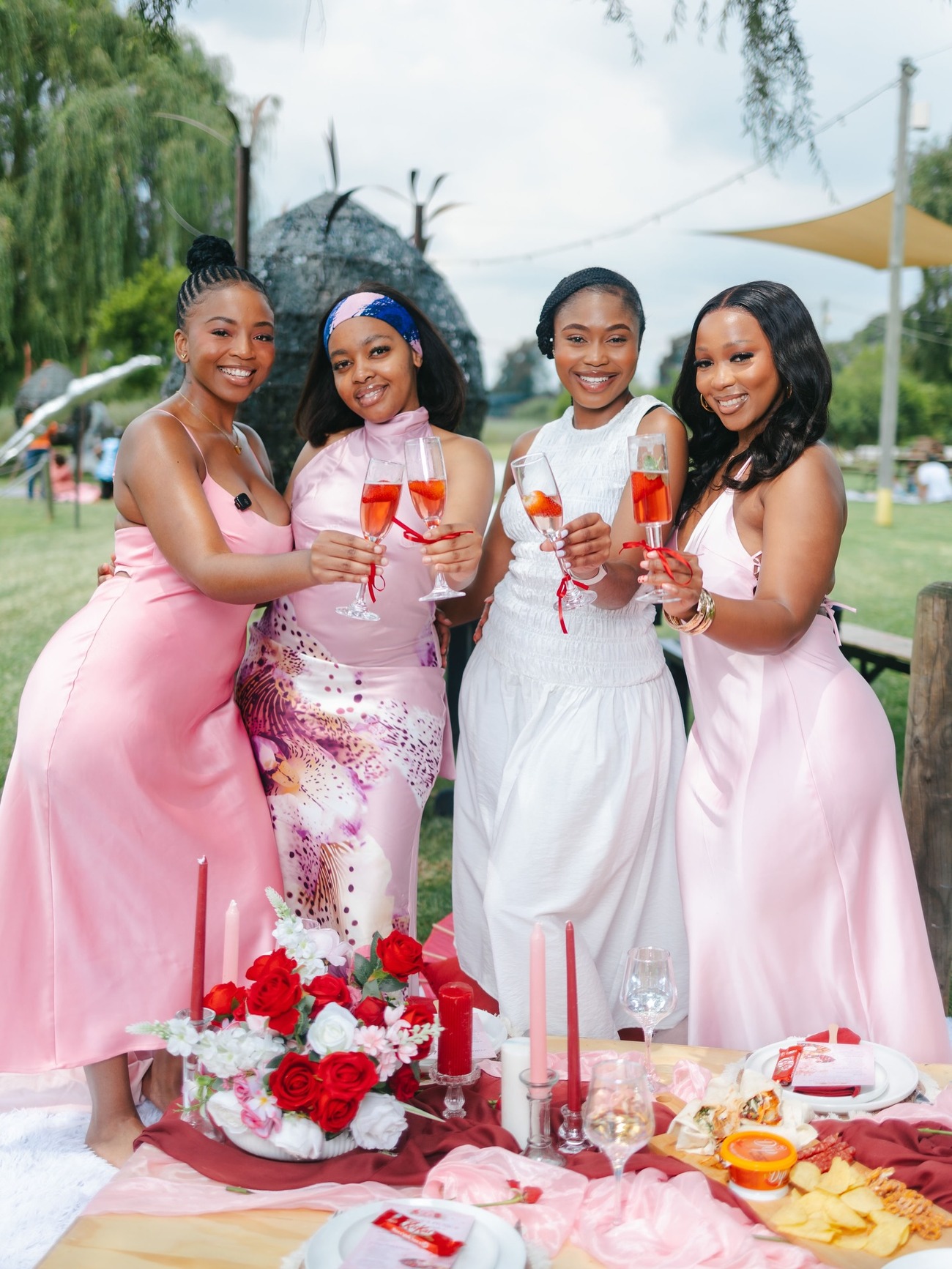
Small, intentional circles are replacing large, performative networks, with micro-communities built around shared values and aesthetics rather than trends. This shift is visible across multiple domains. Running clubs, book clubs, poker nights, training groups, and professional mastermind groups all reflect the same appetite: men seeking smaller, more meaningful circles of genuine connection rather than large networks maintained for their professional utility.
The human desire to belong turned a simple, unpolished video into a social movement overnight. That observation from Sprout Social’s 2026 analysis of social media behavior captures something important about what people are actually responding to beneath the surface of platform activity. It is not about reach or influence; it is the recognition that you belong to something and something belongs to you. That experience is increasingly rare in a status-oriented culture, which is precisely why it has become so valuable.
For men, the practical expression of this shift involves deliberate investment in the kinds of relationships that require showing up consistently rather than performing impressively. From the friend you call when things are genuinely difficult, the group that knows your actual situation rather than your professional narrative, to the community that holds you accountable and celebrates your real progress rather than your status markers.
Building Community in a Status-saturated World
The practical challenge of prioritizing community over status in 2026 is that the incentive structures of professional life still reward individual achievement over collective investment. Social media algorithms amplify individual visibility. Professional evaluation systems measure personal output. The cultural conversation around success still defaults to the individual narrative of someone who built something alone through sheer will and discipline.
Building genuine community requires actively working against these defaults. It requires choosing depth over breadth in relationships, investing seriously in fewer connections rather than maintaining superficially large networks. It requires vulnerability: sharing actual struggles rather than curated successes. And it requires consistency, showing up for the same people in the same contexts over time, which is exactly the kind of slow, unglamorous investment that status-seeking culture discourages.
In 2026, the best organizations are stopping treating engagement as a project stage process and starting treating it as infrastructure. Much like physical assets, relationships need maintenance, renewal, and clear ownership. Apply that principle personally. Treat your community as infrastructure rather than an amenity. Maintain it. Invest in it. Protect the time and energy it requires. The return on that investment—in health, resilience, meaning, and sustained performance—consistently outperforms the return on status alone.
Featured image: @mandisa.vilakazii/Instagram
The post Why Community Is Becoming More Valuable Than Status in 2026 appeared first on Style Rave | The Ultimate Style Guide.