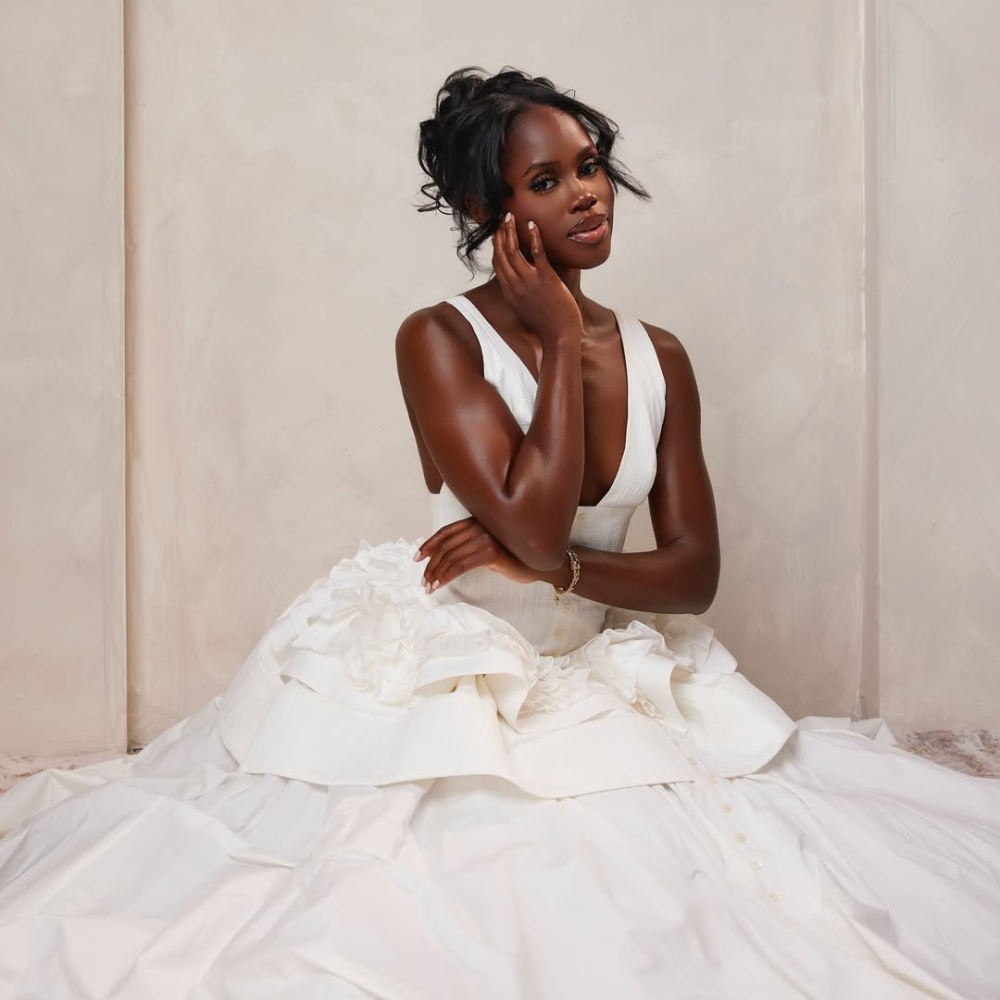
Luxury has always meant one thing: rare and difficult to attain. For most of the twentieth century, that meant objects—the handbag, the car, the property, the logo visible from across the room. But rarity is not fixed; it moves. And in an age of infinite distraction, algorithmically engineered restlessness, and a consumer culture designed to ensure you never quite feel you have enough, the rarest thing in the world is no longer a limited-edition object. It is a person who is fully present in their own life. That is why intentional living is the new luxury. Not because it looks expensive, but because it is genuinely difficult to attain.
This is not a wellness trend or a minimalist aesthetic, though it can produce both. It is a fundamental reordering of what we understand luxury to mean, and a reckoning with the fact that the old definition has been quietly bankrupted by its own success. When everything is available to everyone, availability ceases to confer distinction. What confers distinction now is the capacity to stop, to choose, to live—as the intentional living movement puts it—on purpose.
“The ability to simplify means to eliminate the unnecessary so that the necessary may speak.” — Hans Hofmann.
Why Luxury Had To Change
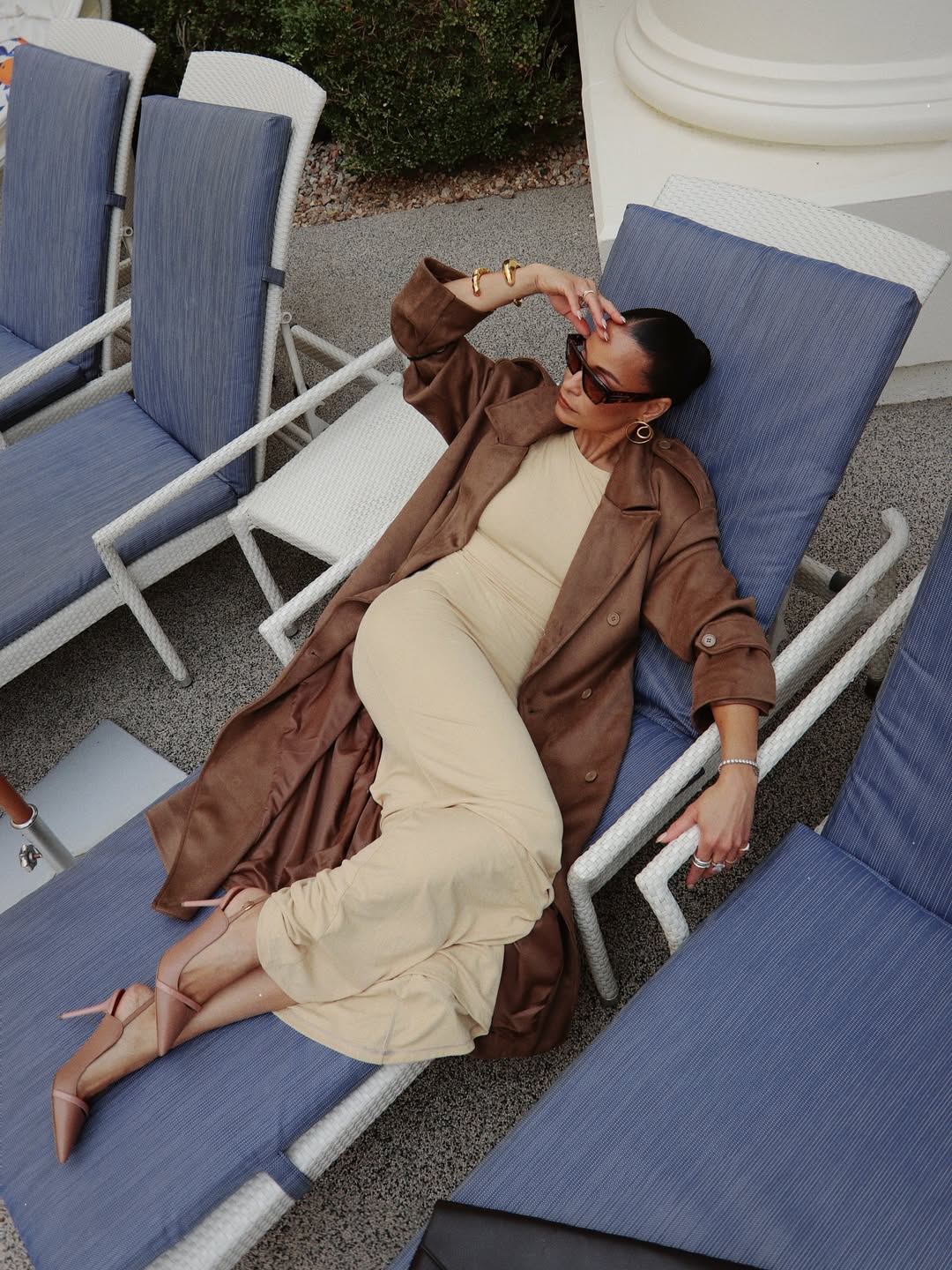
The logo was the grammar of twentieth-century aspiration. To wear a visible monogram was to make a legible claim: I have arrived. But legibility has a ceiling. Once a symbol becomes accessible enough to be widely imitated, it loses the very thing it was designed to confer—distinction. The logomania of the early 2000s did not fade because taste simply evolved; it faded because it stopped functioning as a signal. The market caught up, and the signal became noise.
What replaced it could not be purchased outright, and that, precisely, is why it qualifies as luxury. Unhurried mornings. Unscheduled afternoons. A wardrobe where everything fits and nothing is superfluous. A mind that is not permanently colonised by other people’s content. These things require not just money, but something considerably harder to access: self-knowledge, discipline, and the courage to resist a culture that profits from your dissatisfaction. Intentional living and luxury meet here, at the point where desire becomes discernment.
What Makes This the New Luxury?
#1. It’s Rare
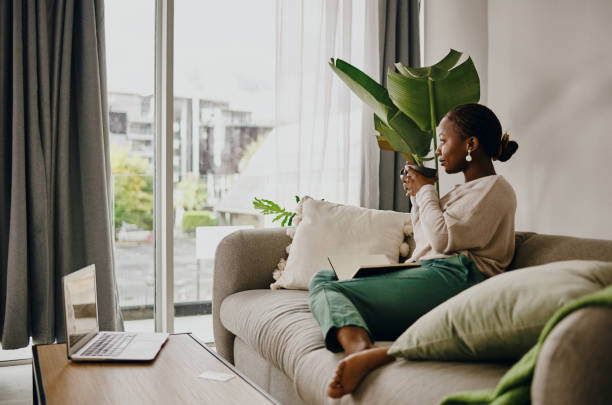
To understand why intentional living is the new luxury, you have to understand how the attention economy has reshaped human experience. The average person now encounters more information in a single day than someone in the fifteenth century might have encountered in a lifetime. Every platform, notification, and algorithmically curated feed is engineered to prevent stillness because stillness does not generate revenue. The result is a population that is, in the most literal sense, rarely present in its own life.
This is not a philosophical abstraction; it is an observable reality. Watch the most genuinely powerful people in any room (not the loudest or the most visibly adorned, but the most grounded), and you will often find individuals who are entirely where they are. They are not checking their phones. They are not mentally elsewhere. Their attention is not for sale, and everyone in the room can feel it. That quality, which is full presence, freely given, is where intentional living and luxury converge in a visible way.
#2. It’s Inaccessible
The old luxury required money. This one requires something more demanding. You cannot buy intentional living. You cannot outsource it, delegate it, or acquire it in a single transaction. It demands a sustained practice of returning, repeatedly and without sentimentality, to the question of what you actually want and why. It requires the willingness to disappoint people, to decline, to simplify, and to opt out of things that social pressure insists you should want. That level of self-determination is, for most people, genuinely difficult. In the economy of luxury, difficulty is not a flaw; it is a feature.
This is also why it cannot be convincingly imitated. A counterfeit handbag can approximate the appearance of luxury. There is no counterfeit version of a life lived with genuine intention. Either the work has been done, or it has not, and the difference reveals itself in subtle but unmistakable ways: in the quality of attention, in the ease with which someone inhabits their choices, and in the absence of the low-level anxiety that often defines a life assembled by default.
“Luxury is not about buying expensive things; it’s about living in a way where you appreciate things.” — Oscar de la Renta.
#3. It Compounds
Here is where intentional living parts ways with traditional luxury: it appreciates over time. A handbag depreciates. A car depreciates. Even property, stripped of its investment framing, is ultimately subject to time. But the practice of intentional living, the habit of choosing deliberately, protecting attention, and editing one’s life with clarity, deepens with every year it is sustained. Someone who has lived intentionally for a decade has access to a quality of experience that no single purchase can replicate.
This compounding effect also makes intentional living uniquely democratic in a way material luxury has never been. Its essentials, such as clarity, attention, and discernment, are not dependent on income. A wardrobe does not need to be expensive to be intentional. A morning need not be curated to be unhurried. What is required is attention, and attention, unlike money, can be cultivated by anyone willing to practice it.
The Privilege Conversation
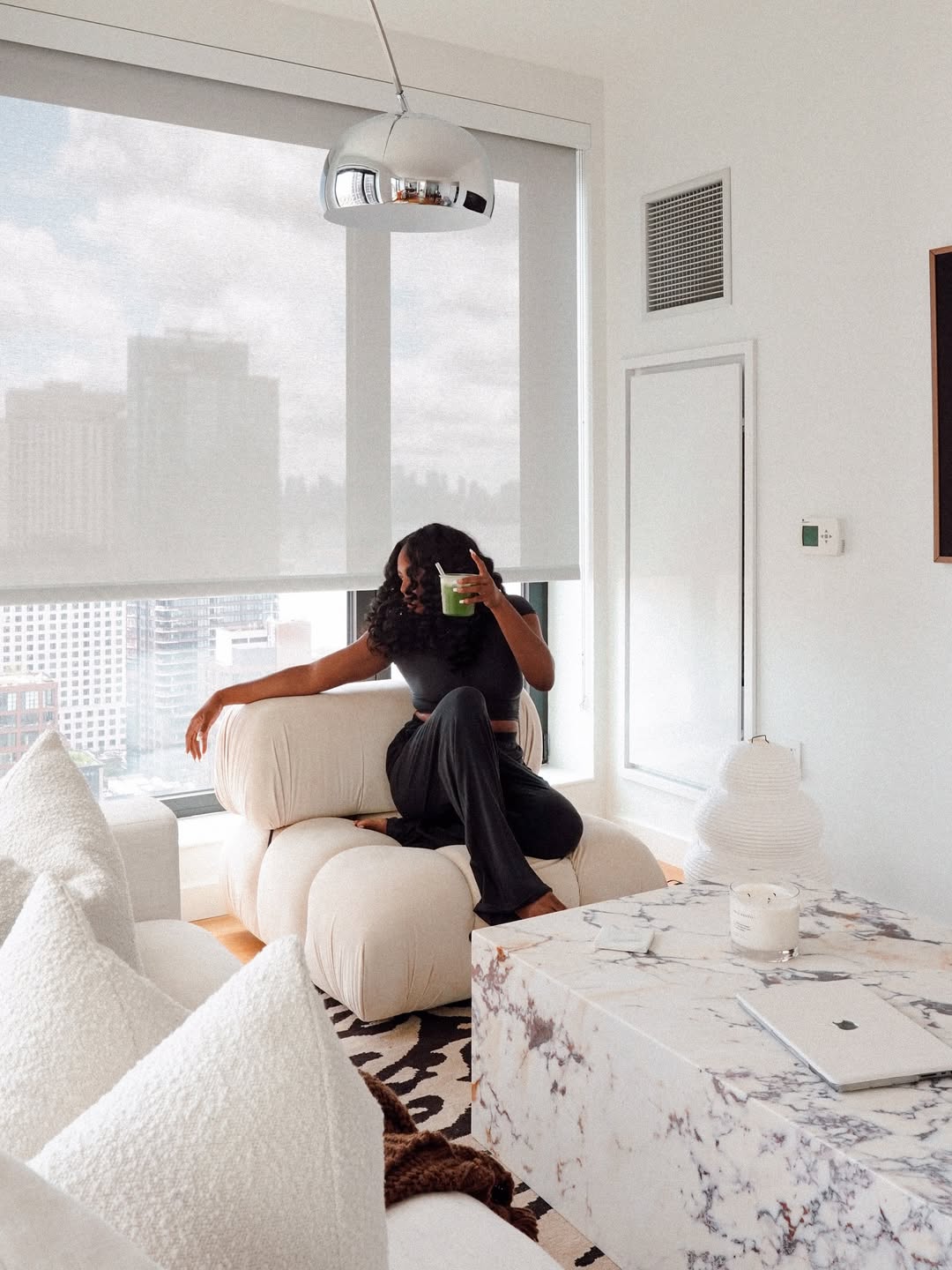
Any honest discussion of intentional living must pause here. The freedom to simplify—to work less, own less, schedule less—is not equally available to everyone. For some, a full calendar is not a failure of intention but a financial necessity. For others, material accumulation reflects hard-earned security rather than excess. The intentional living movement, particularly in its more prescriptive forms, has not always fully accounted for these realities.
This does not invalidate the philosophy, but it does require nuance. Intentional living is not about having less for its own sake. It is about having what you need, understanding why you have it, and maintaining a sense of gratitude for it. That orientation—awareness, presence, clarity—is accessible across income levels. The aesthetic is optional. The inner work is not.
A Life That Feels Like Yours
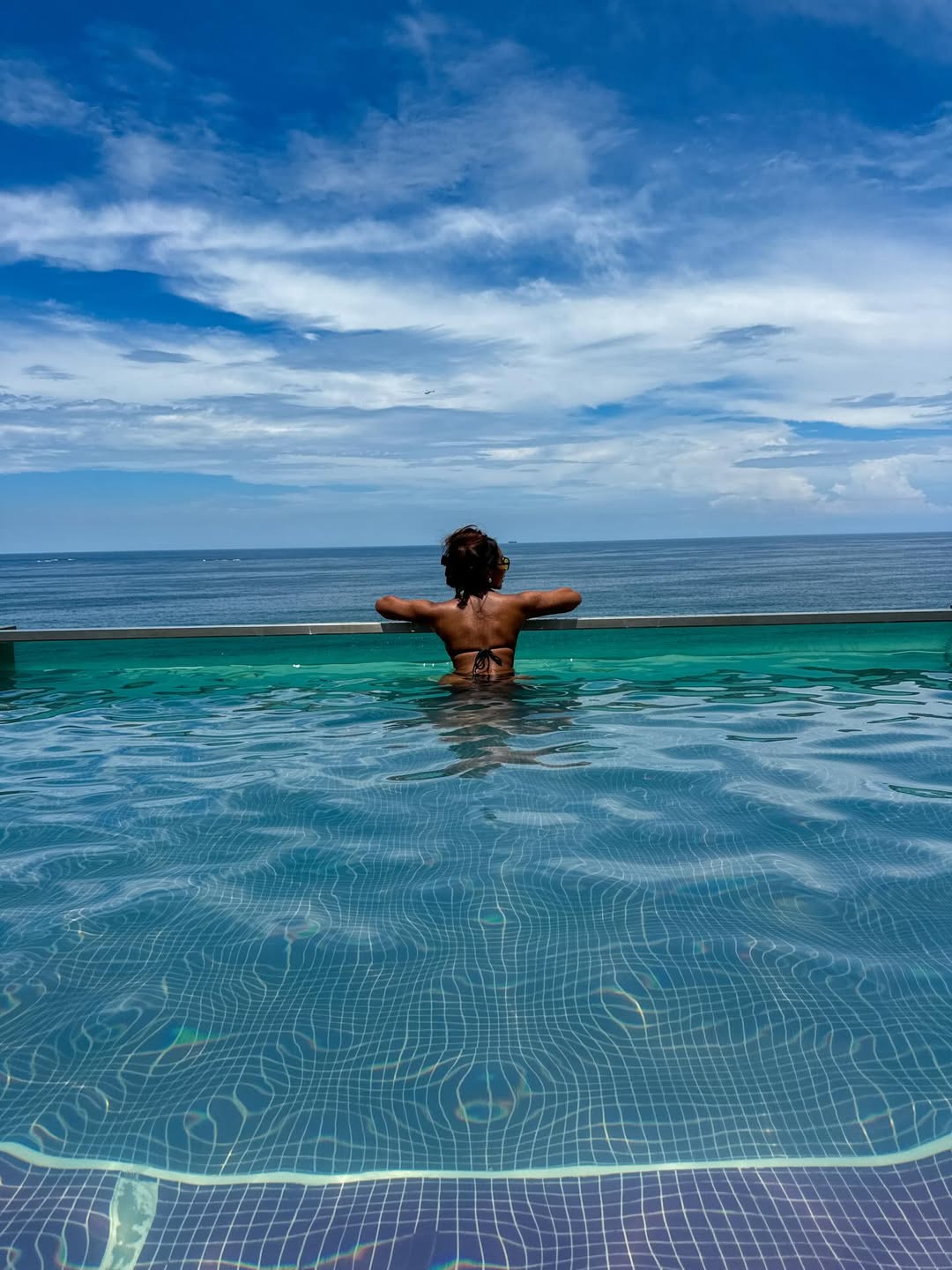
The deepest promise of intentional living is not a more beautiful home or a more refined wardrobe, though it may lead to both. It is the experience of living a life that feels unmistakably your own. Not assembled by default. Not inherited from expectation. Not performed for an audience. But chosen, consciously, for reasons you can articulate. That experience is rarer than any object money can buy. It is also, unlike most luxuries, self-replenishing.
Every object, every routine, every absence becomes the result of an honest question: What do I actually want my life to feel like? That is the work of intentional living. That is the new luxury. And unlike the old kind, it cannot be taken from you.
“It is not enough to be busy. The question is: what are we busy about?” — Henry David Thoreau.
Featured Image: @69.views/Instagram via @enigivensunday/Instagram
The post Why Living Intentionally Is The Ultimate Luxury appeared first on Style Rave | The Ultimate Style Guide.