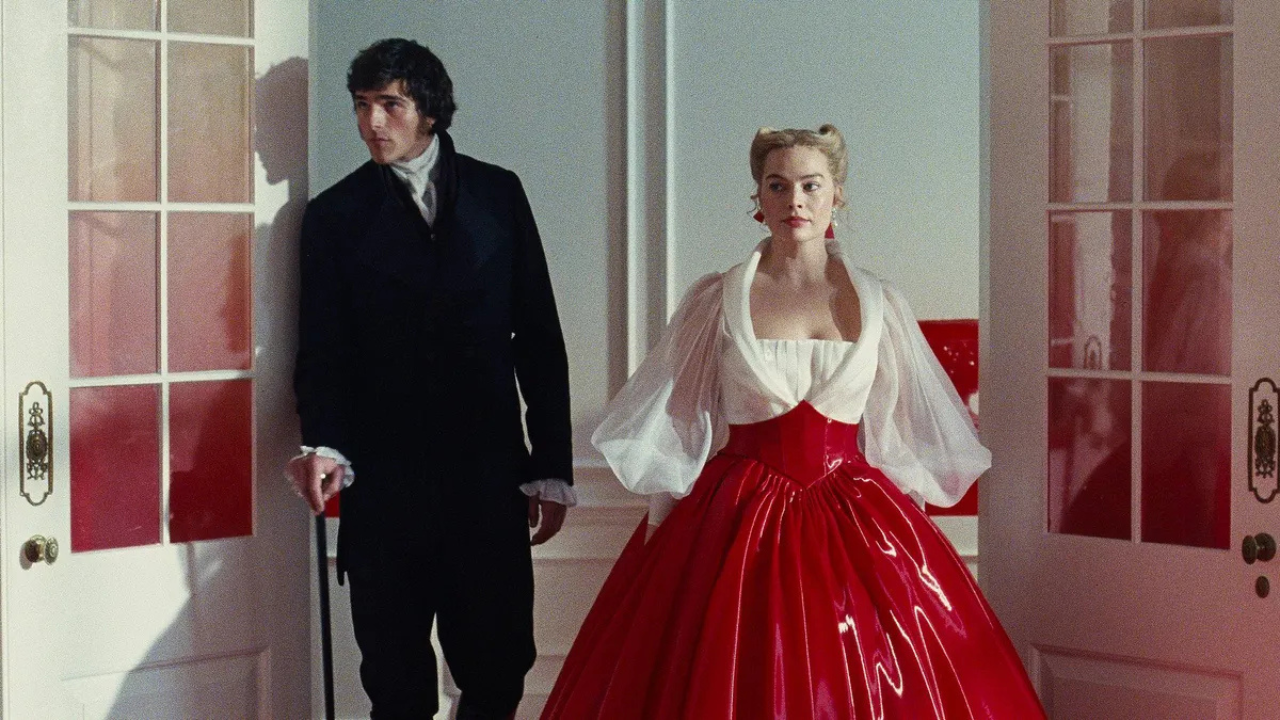
Emerald Fennell’s “Wuthering Heights” is making its streaming debut on HBO Max on May 1, 2026, with a linear HBO premiere following the next evening. The film arrives on the platform carrying significant cultural baggage and an equally significant box office record. Starring Margot Robbie as Catherine Earnshaw and Jacob Elordi as Heathcliff, the Warner Bros. adaptation of Emily Brontë’s 1847 novel became one of the most talked-about theatrical releases of the year, not always for reasons the filmmakers intended. It earned the kind of divisive reception that splits film culture cleanly down the middle, with critics reaching for some of their most colorful language of 2026 and audiences quietly ignoring most of it.
Streaming on HBO Max in 4K Ultra HD with Dolby Atmos audio, the film also marks a notable first for the platform, it is the first romance title on HBO Max to feature an American Sign Language version with two dedicated dubbers. The linear debut on HBO follows at its standard 8:00 p.m. ET slot on May 2. For those who missed the theatrical run, there is plenty of context worth understanding before pressing play. The story of how this film got made, how it performed, and how it was received is almost as dramatic as the source material itself.
Wuthering Heights HBO Max: The Box Office Story
Emerald Fennell’s ‘WUTHERING HEIGHTS’ is set to debut on HBO Max on May 1. pic.twitter.com/odJc353M8q
— Film Updates (@FilmUpdates) April 24, 2026
The film opened on February 13, Valentine’s Day weekend, going up against Chris Hemsworth’s “Crime 101” and Sony’s animated “GOAT.” “Wuthering Heights” prevailed with a four-day opening haul of $37.5 million in North America and $45.5 million overseas for a global launch of $83 million. That opening was slightly behind some bullish domestic projections that had put it as high as $50 million stateside, though it still represented a strong start. It delivered the highest-grossing opening weekend for a romance movie in the post-COVID era, surpassing “It Ends With Us” previous record of $80 million.
The film held impressively through subsequent weekends. It posted the biggest second-weekend haul for its genre, with $26.3 million overseas, a 41.6% decline from its opening weekend, and surged past $150 million worldwide within days. By its third weekend, it had collected $177.2 million globally against its $80 million production budget, with international markets accounting for 61.9% of the total. The film ultimately grossed $241.7 million worldwide, becoming the fifth-highest-grossing film of 2026. Against a combined production and marketing cost estimated at $180 million, the theatrical run proved commercially successful. Robbie and Fennell had turned down a reported $150 million Netflix offer in favor of a Warner Bros. theatrical deal, a bet that paid off.
What Critics Actually Said
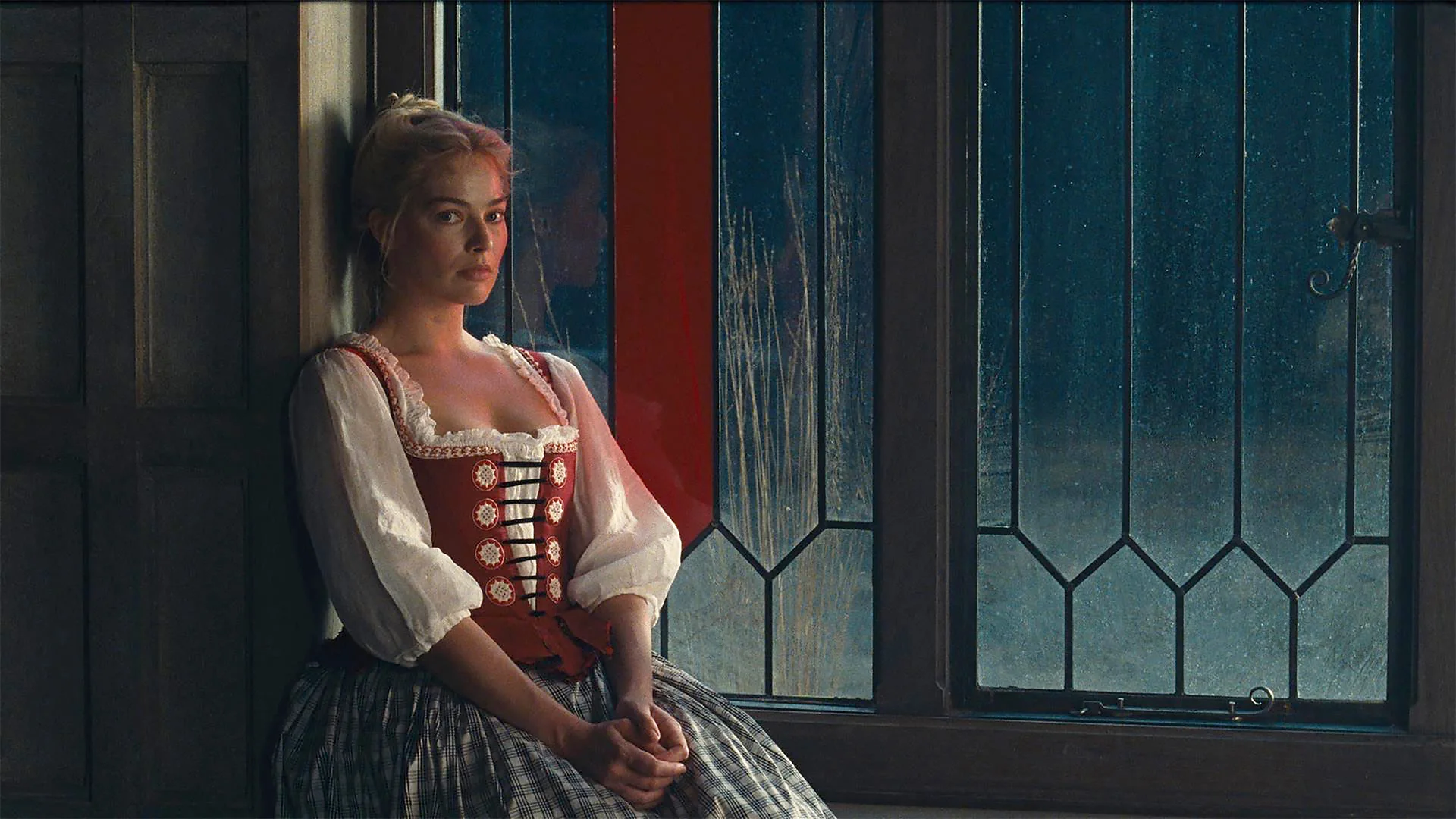
The critical reception was the film’s most interesting aspect. Wuthering Heights landed at 71% on Rotten Tomatoes from 65 reviews and 60% on Metacritic from 31 reviews, scores that settled into a clear pattern: visually magnificent, narratively divisive. Positive reviews were effusive about the craft. USA Today’s Brian Truitt called it “the first must-see movie of 2026, an enthralling retelling of an all-time love story through an accessible modern lens.” Variety’s Peter Debruge described Fennell’s take as “bold and engaging,” while the BBC called her approach “an extravagant swirl: sexy, dramatic, melodramatic, occasionally comic, and often swoonily romantic.”
Negative reviews were equally committed. The Daily Beast’s Nick Schager argued the film “exemplifies Fennell’s gleefully self-conscious, attention-craving style” and called it “an awkward fit for Brontë’s roiling, tormented saga.” Collider described it as “stylistically bold for no reason” and “a fever dream of a film, and not in a good way.” The Guardian’s Peter Bradshaw went further, characterizing it as “a 20-page fashion shoot of relentless silliness.” The Atlantic took a more nuanced position, calling it Fennell’s best film to date while simultaneously labeling it “a gooey, grimy mess,” a description that perhaps best captured the general critical mood.
Audiences vs. Critics and the Controversy
The latest ‘WUTHERING HEIGHTS’ trailer includes unreleased music from Charli XCX.
Releasing on February 13. pic.twitter.com/7r9IRRZg8u
— DiscussingFilm (@DiscussingFilm) November 20, 2025
The gap between critics and audiences told its own story. While the Tomatometer settled at 63%, audiences awarded the film an 84% Popcornmeter score based on over 250 verified ratings, a 21-point gap that reflected something critics and general audiences were clearly not watching in the same way. The film attracted controversy beyond its reviews. The casting of Jacob Elordi as Heathcliff, a character described with racial ambiguity in Brontë’s novel, drew criticism, though Fennell defended the choice by pointing to Elordi’s Basque heritage and saying he matched her mental image of the character from the first edition she read.
Literary purists took issue with Fennell’s approach to the source material. She consistently framed the film as a reinterpretation rather than a straight adaptation, stating she wanted to recreate the feeling of reading the novel as a teenage girl rather than translating it faithfully to screen. That framing satisfied some and infuriated others. Charli XCX contributed an original soundtrack album to the project, with the lead single “House” featuring Welsh musician John Cale. The score was composed by Anthony Willis, who previously worked with Fennell on Saltburn. For those arriving on HBO Max for the first time, knowing all of this going in makes the film considerably more interesting to watch.
Featured image: Warner Bros. Pictures
The post <em>“Wuthering Heights”</em> Arrives On HBO Max: <em>Here Is Everything That Happened Before It Got There</em> appeared first on Style Rave | The Ultimate Style Guide.